

A Heide Harvest By Alice Crowe And Maximilian
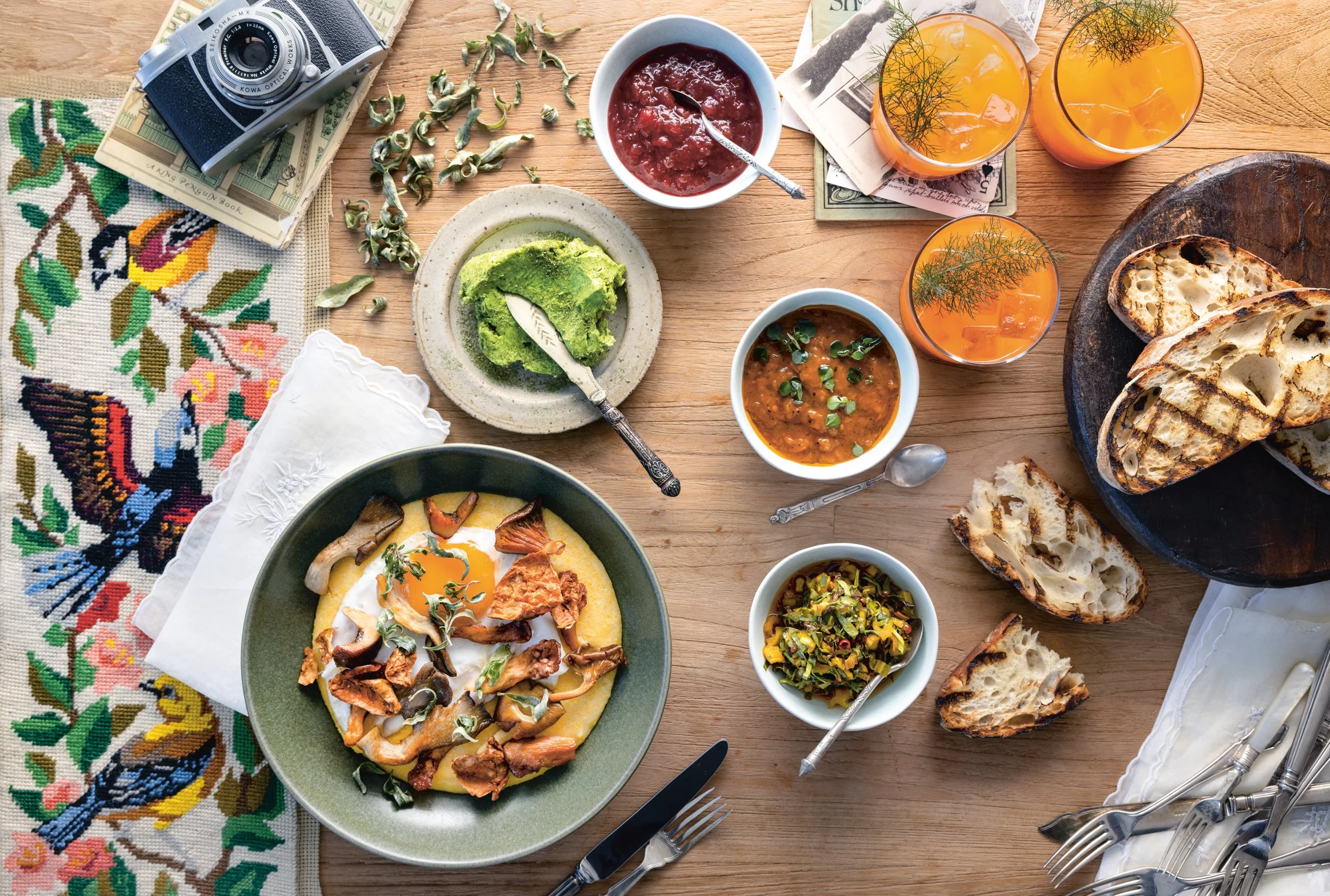
A Heide Harvest celebrates the iconic Heide kitchen gardens with 90 seasonal recipes, vibrant photography, and stories steeped in history—an ode to nourishment, creativity, and beauty in the everyday.
Words HANDE RENSHAW Photos ROBYN LEA
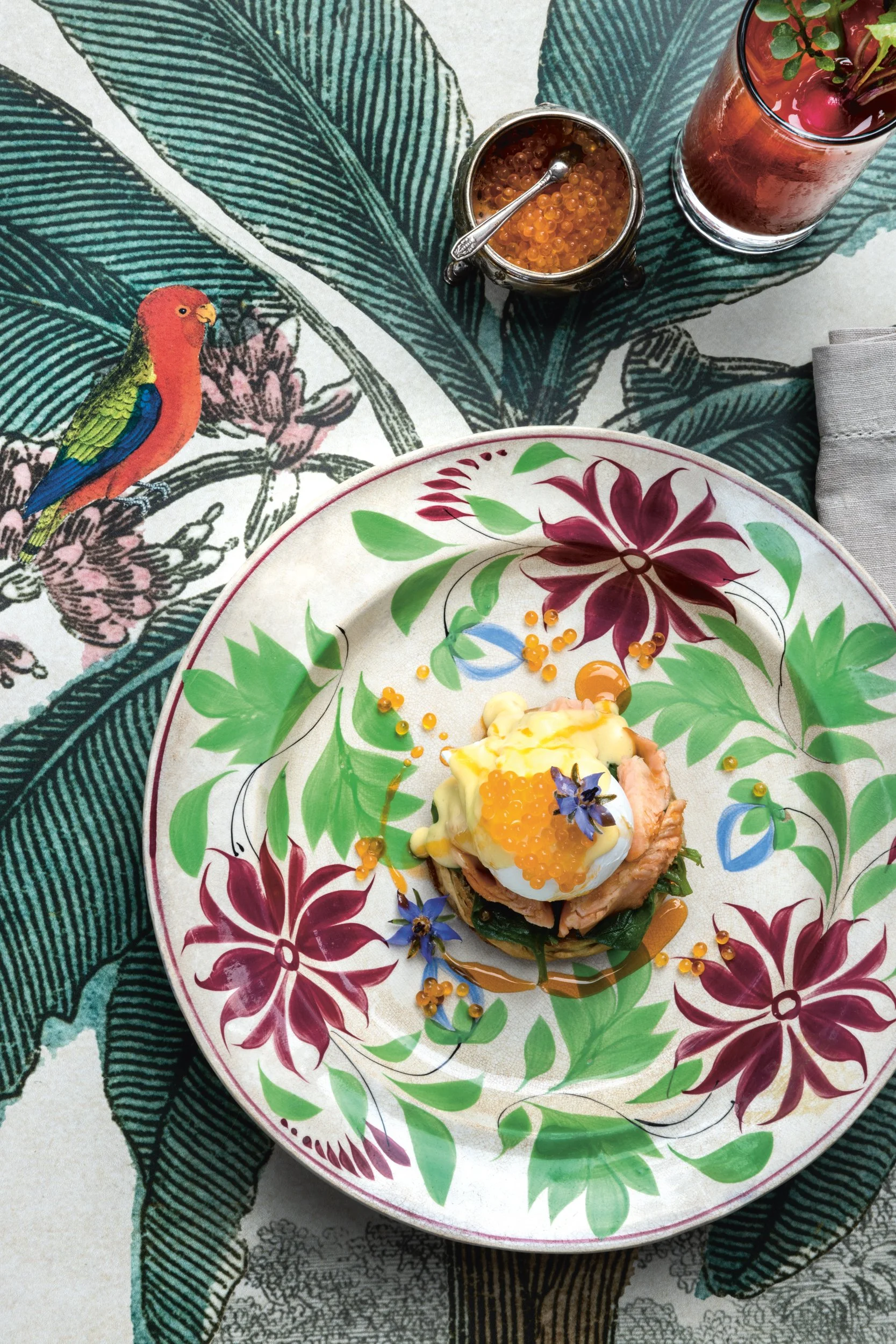
A Heide Harverst includes 90 recipes, including florentine royale.
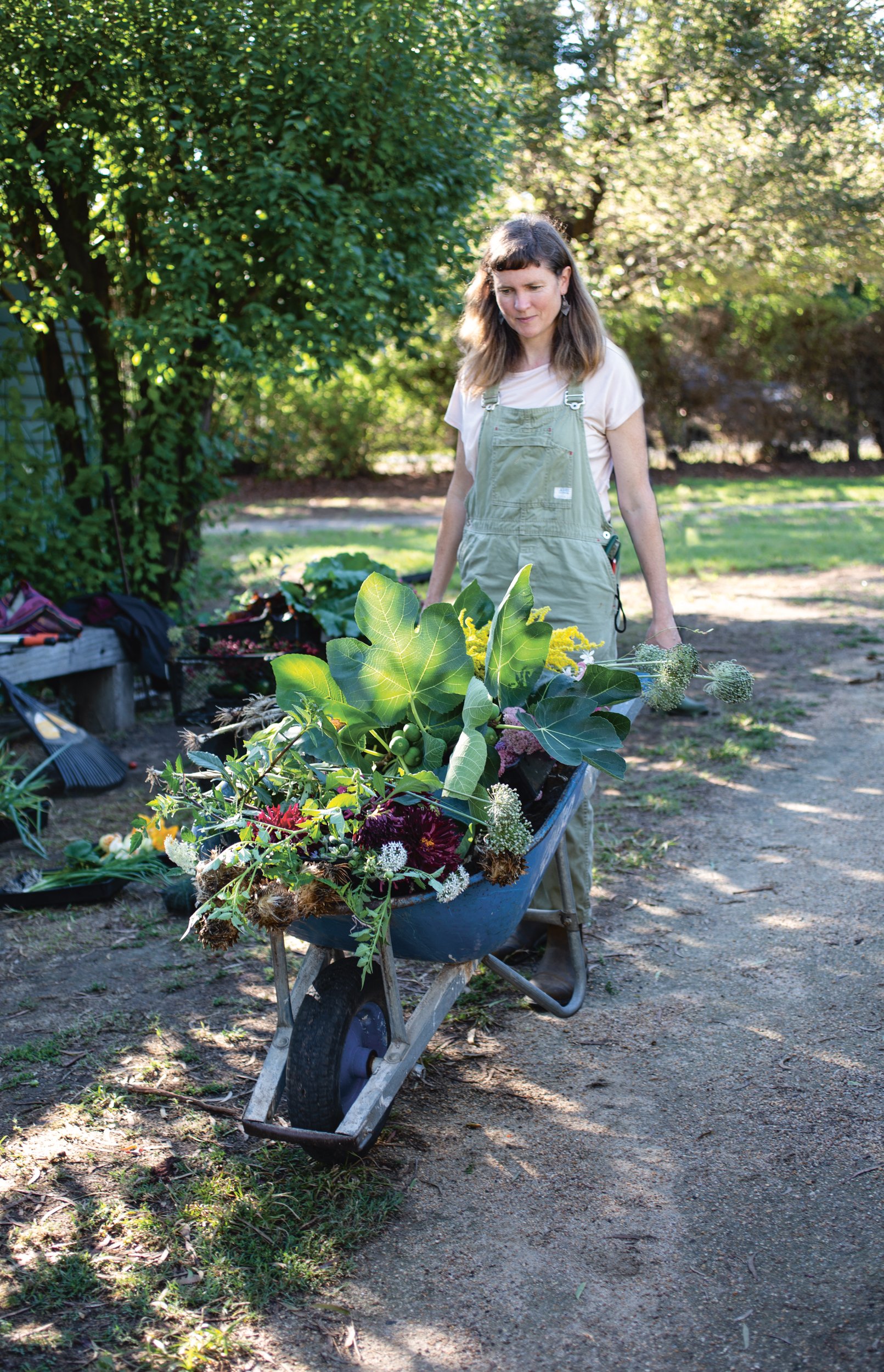
‘Making a garden connects us to the earth. There is a kind of alchemy that occurs when earth meets water, sun and the patient labours of an attentive gardener,’ says Alison Crowe.
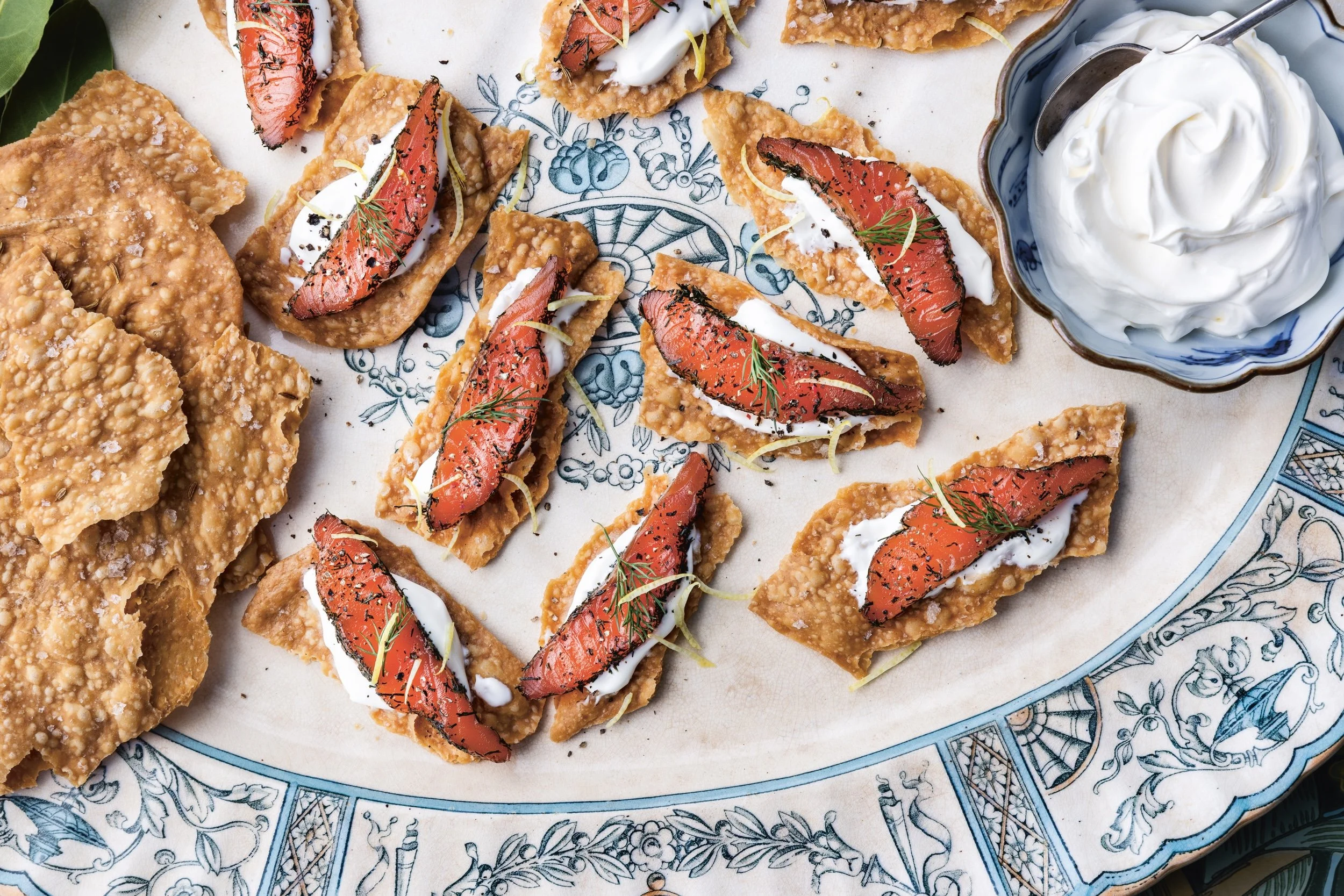
Rye and fennel seed leaves with nasturtium and dill-cured ocean trout.
“Food is precious. I suspect that Sunday Reed, the determined, visionary woman who – with her husband John – was both a force in the world of modern art and an accomplished and devoted gardener, understood this even before she set about creating her kitchen gardens at Heide.”
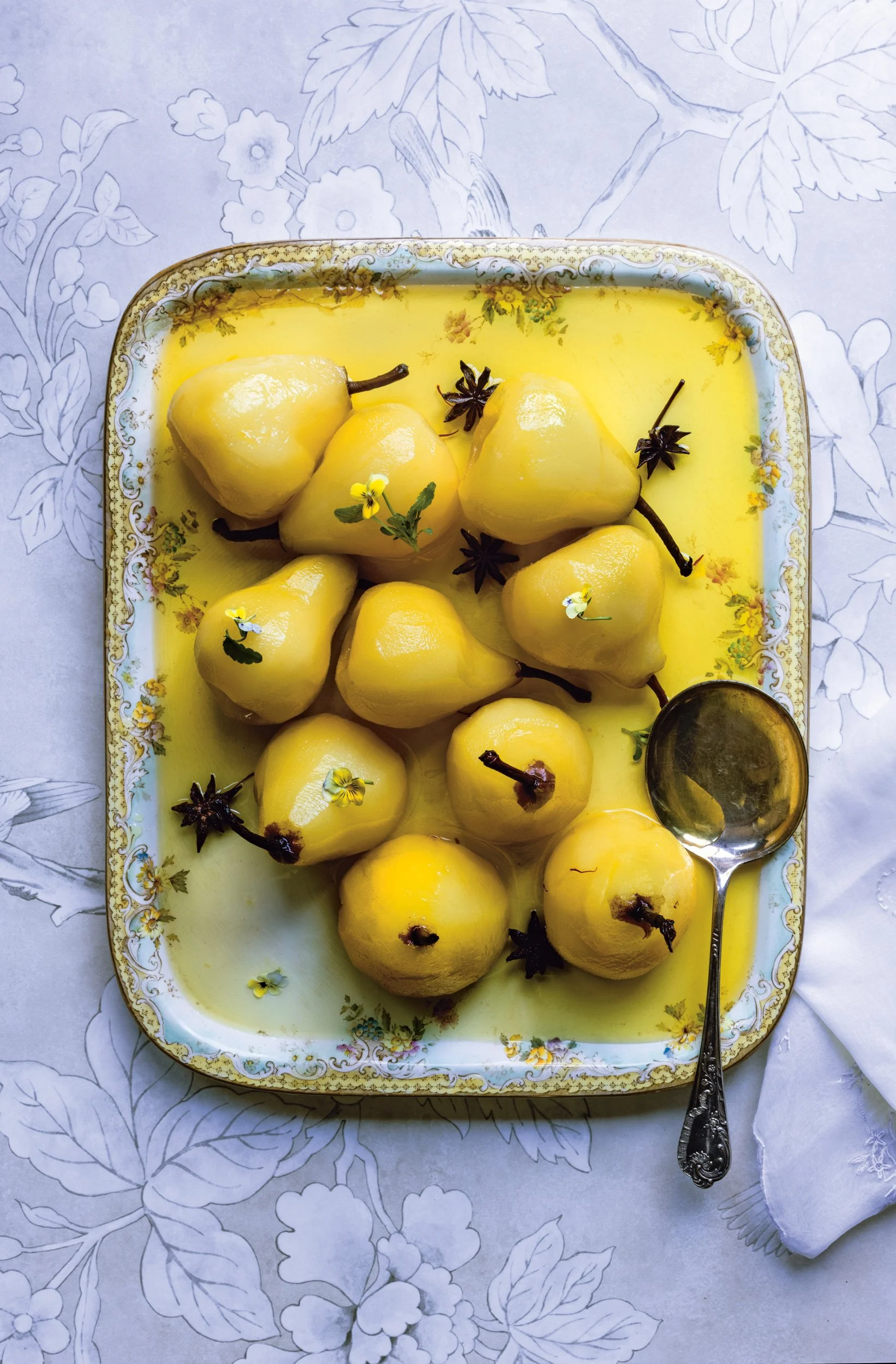
Heirloom pears poached in white wine saffron syrup.
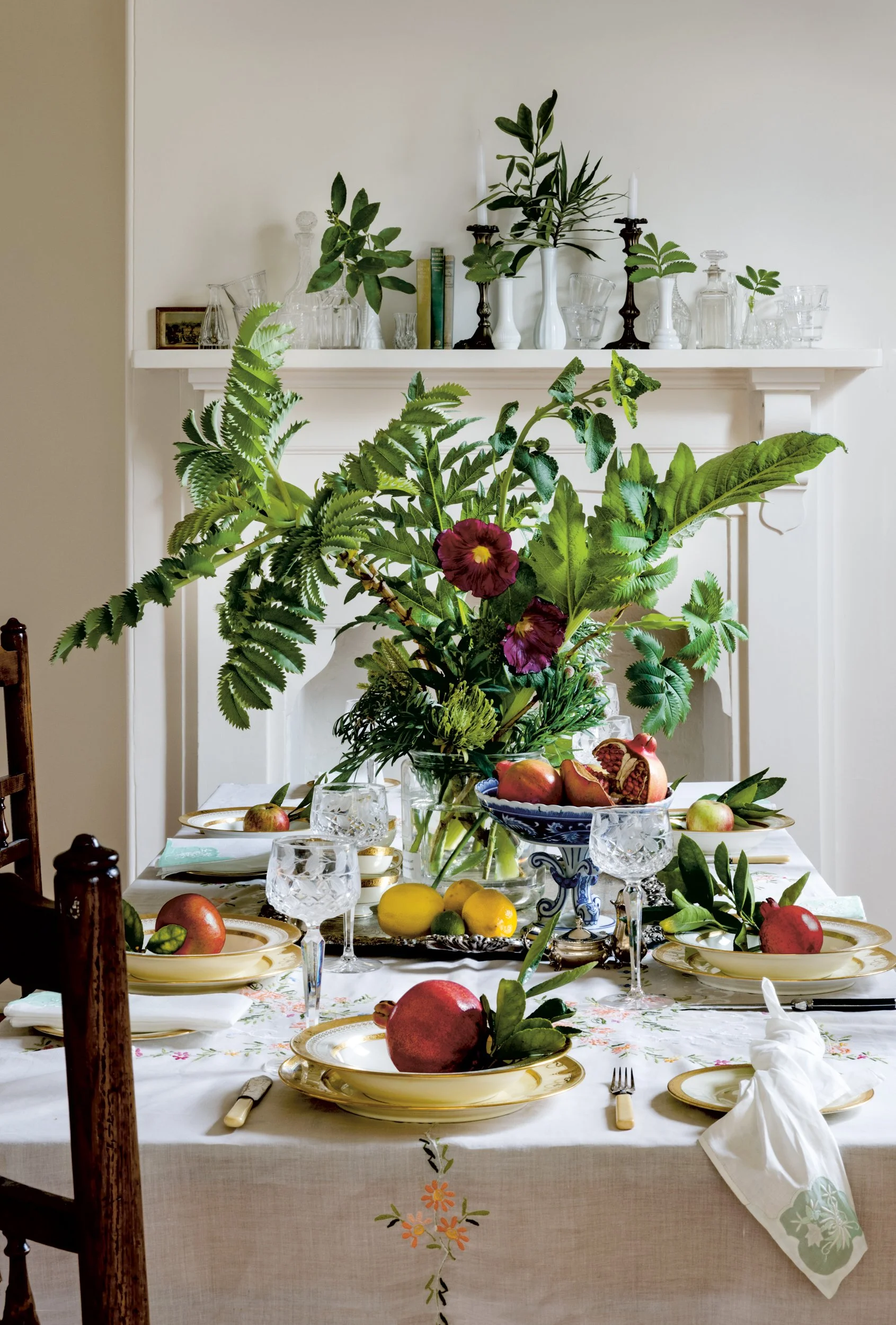
A Heide Harverst is a collection of menus, feasts and stories inspired by Sunday Reed’s kitchen gardens.
A Heide Harvest by Alice Crowe and Maximilian is more than a cookbook—it’s a sensory journey through one of Australia’s most storied kitchen gardens, where food, art, and community have long intertwined.
In 1934, John and Sunday Reed purchased an acreage in Heidelberg with the vision of creating a bohemian artistic community living in harmony with the earth. The Heide gardens quickly became a place where heritage roses grew alongside herbs and heirloom vegetables, where artists and thinkers gathered, and where nourishment was as much about connection as it was about sustenance. That legacy is still alive today at the Heide Museum of Modern Art, and it forms the beating heart of this seasonal cookbook.
With a foreword by Lesley Harding, A Heide Harvest invites readers to spend a day in the life of the Heide kitchen gardens, offering menus to inspire from breakfast to afternoon drinks and beyond. Across its pages, 90 original recipes from some of Australia’s leading chefs—including Annie Smithers, Brianna Smith and Oliver Edwards, Scott Eddington, and Dianne Kerry—capture the rhythm of the seasons and the spirit of Sunday Reed’s kitchen. Each dish is a personal interpretation of the garden’s bounty, woven with reflections on its history and enduring influence.
Former Heide kitchen gardener Alice Crowe brings her botanical expertise and deep connection to the land, while Maximilian’s background in design ensures the book is as visually engaging as it is rich in story. As Alice Crowe explains, ‘Although the recipes in this book have been created by experienced professionals, the home cook has always been kept in mind. The techniques you’ll discover herein are attainable at home.’
A Heide Harvest is an ode to Sunday’s kitchen and the values she championed—nourishment, communality, and beauty in everyday living. It’s a reminder that recipes are more than instructions; they are stories of soil and season, of hands at work and meals shared.
This is an edited extract from A Heide Harvest by Alice Crowe and Maximilian, published by Thames & Hudson Australia. Out now
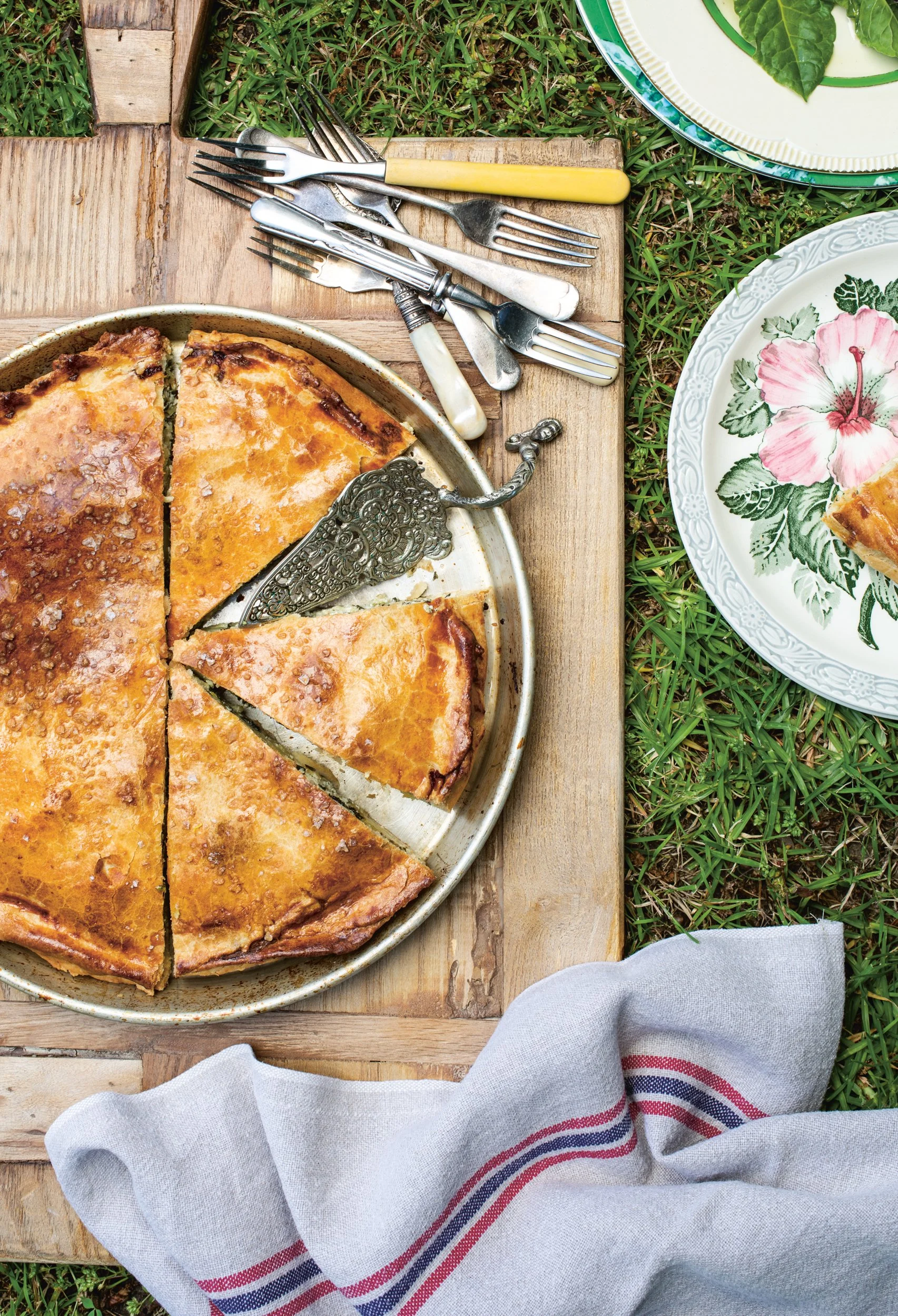
Picnic Pie from the pages of A Heide Harvest—recipe shared below!
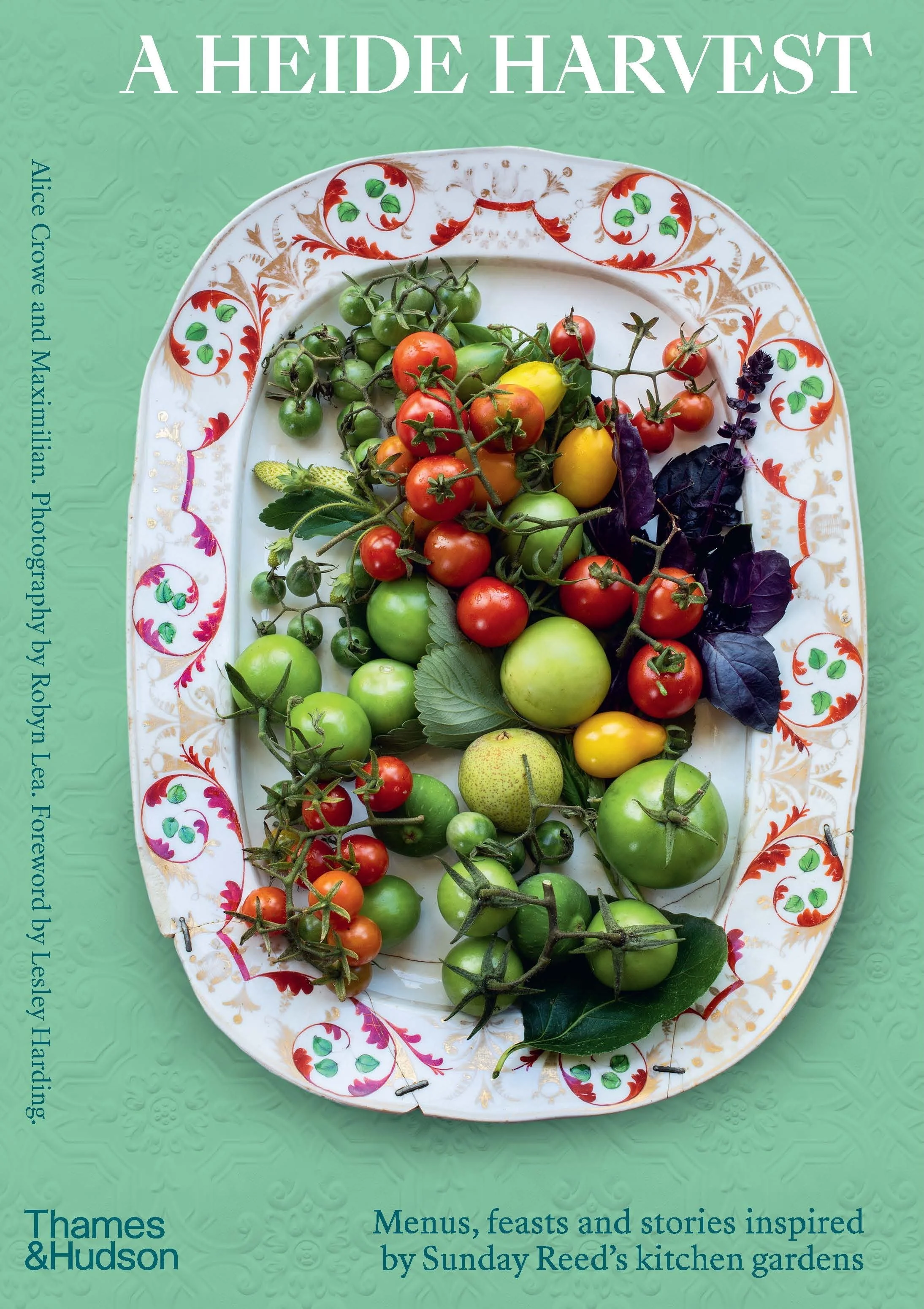
A Heide Harvest by Alice Crowe and Maximilian is out now.
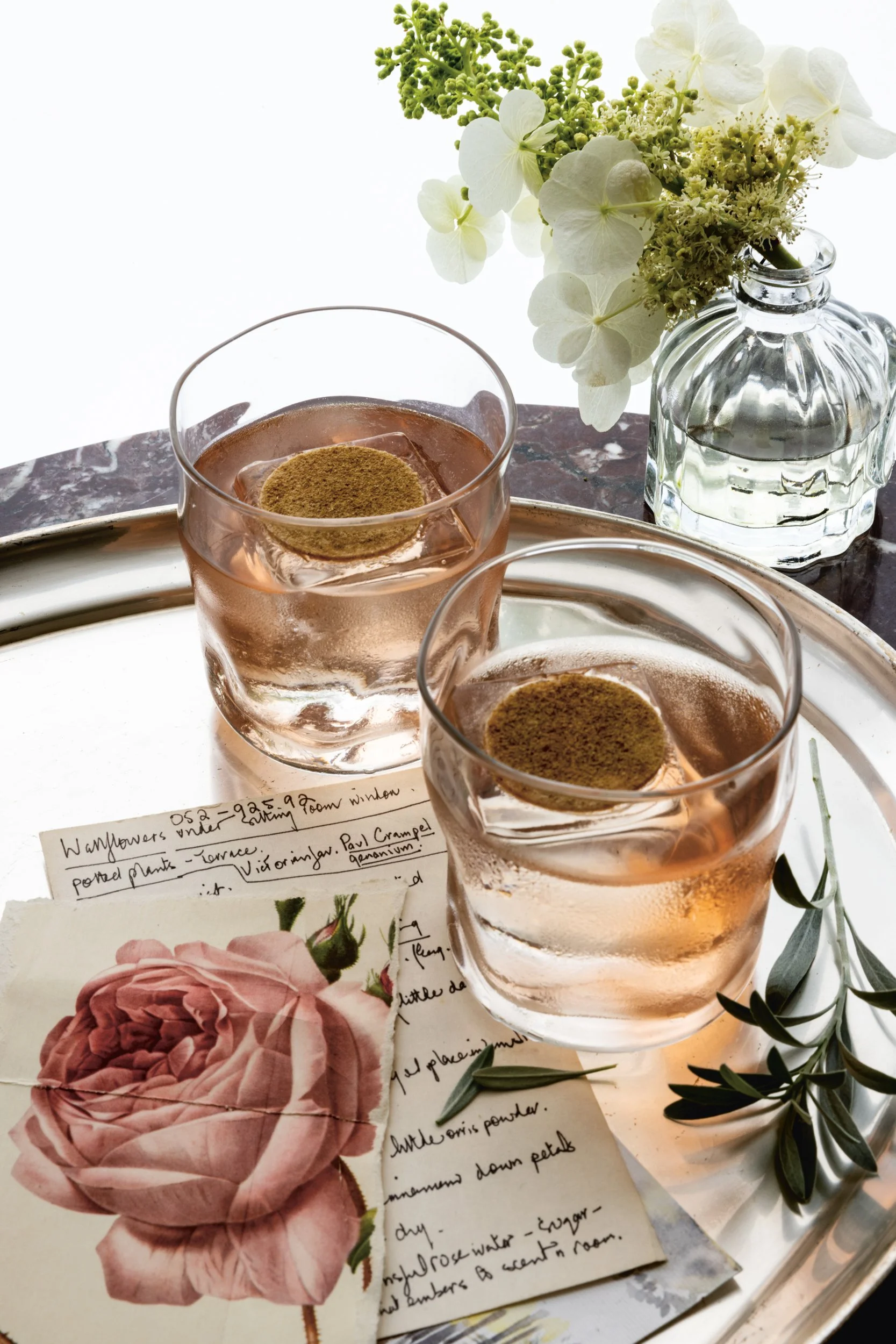
Autumn highball with peach vinegar and caramelised white chocolate whiskey.
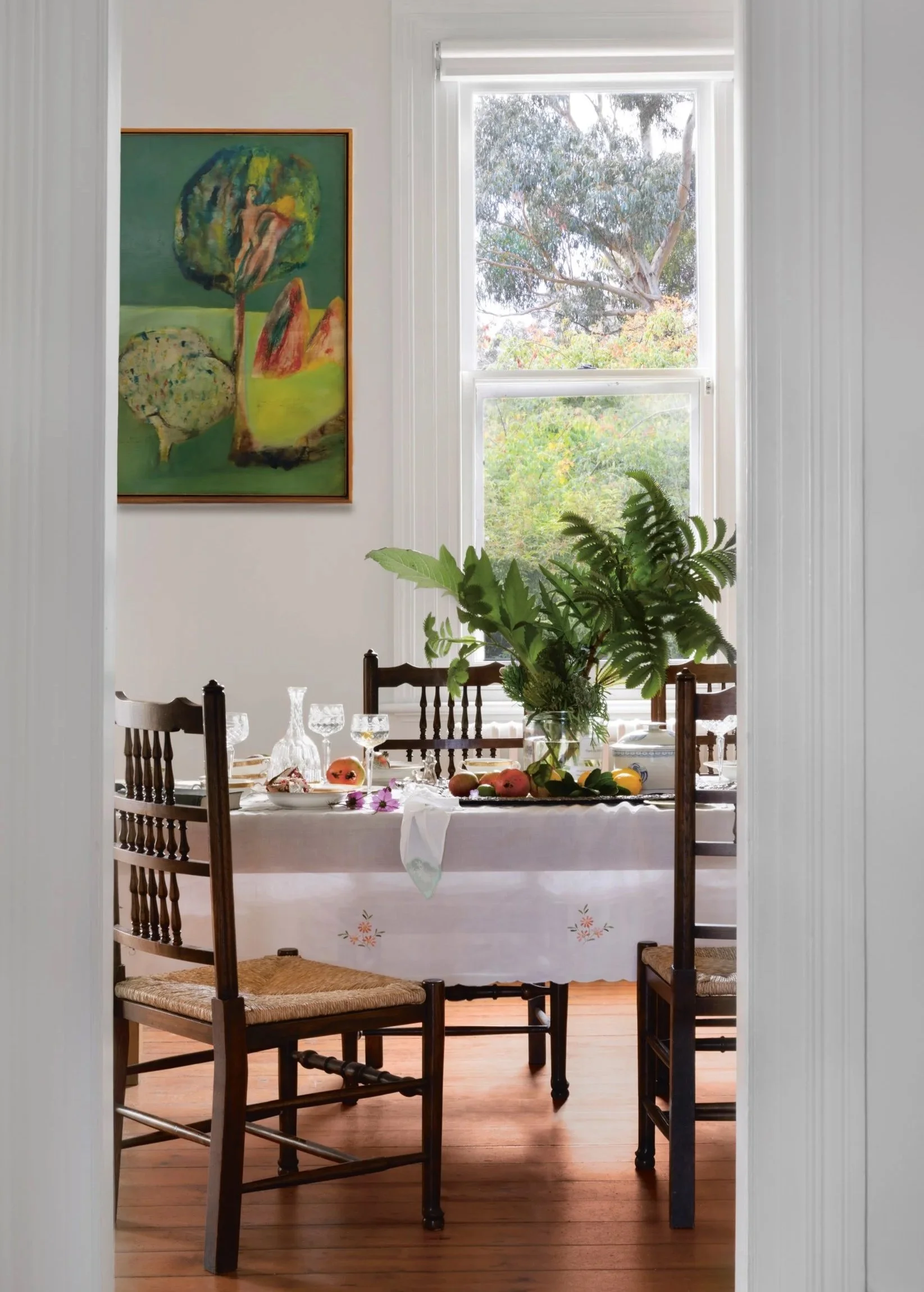
‘My time as kitchen gardener at Heide Museum of Modern Art has given me a unique perspective. From here, I clearly see that nature is abundant, and if we learn to slow down and understand her a little better, we can harvest a life rich in joyful connection to the earth and one another, along with a good dose of delicious home-grown produce along the way,’ says Alison Crowe.
PICNIC PIE
Nothing says picnic quite like a pie, and this one adds a healthy amount of vegetables to your spread. Plus, you can serve it warm, at room temperature or even chilled. The unusual pastry is not only vegan but is surprisingly sturdy, yet moist and clean to cut, making it ideal to transport in a picnic hamper. The wine adds a delicious richness and full-bodied flavour to the pastry that is surprising considering the lack of any butter or other animal fat. Serve with dressed leaves and a daub of green tomato chutney.
The filling uses cheddar, but parmesan, pecorino or any other hard cheese or vegan cheese will work (you can also leave it out completely, if you like). If using nettles, use gloves to handle them until cooked. Cooking the nettles will remove their sting.
— Rose and Dom
Serves 6
PASTRY
400 g plain flour
100 ml olive oil
100 ml white wine
pinch of table salt
1 egg
sea salt
PIE FILLLING
500 g kipfler potatoes, peeled
2 tablespoons vegetable oil
1 leek, roughly chopped
1 shallot, roughly chopped
1 bunch small spring onions,
roughly chopped
2 bunches greens (spinach, Warrigal greens, nettles), washed but not dried, chopped if necessary
150 g ricotta
2 eggs, beaten
200 g cheddar,
coarsely grated
1 tablespoon sea salt
½ teaspoon freshly ground
black or white pepper
1 bunch parsley, leaves picked and roughly chopped
METHOD
To make the pastry, combine the flour, olive oil, wine and salt in a large bowl and knead until the dough forms a smooth ball. Cover with plastic wrap and set aside to rest for 30 minutes.
While the dough is resting, make the pie filling. Add the potatoes to a large saucepan and cover with slightly salted water. Bring to the boil, then reduce to a simmer and cook for 10–15 minutes or until potatoes are soft. Strain, and let the potatoes cool slightly before cutting into small rounds.
Heat the vegetable oil in a frying pan over medium heat. Add the leek, shallot and spring onion and cook for a few minutes or until translucent. Add the greens and cook briefly. Depending on how sturdy the greens are, the cooking time will vary: for spinach, Warrigal greens or nettles this should only take 2 minutes. The residual water from the leaves should be enough to stop them drying out in the pan, but if not, just add a little more.
Preheat the oven to 190ºC.
In a large bowl, mix the ricotta, egg, cheese, salt and pepper. Squeeze any excess water from the greens and break apart before adding to the ricotta mix. Add the leek mixture, parsley and sliced potato and mix well, evenly dispersing all the vegetables.
You’ll need two-thirds of the dough to form the base of the pie, reserving the remaining one-third for the lid. Roll out the dough for the base to a 40–50 cm round, around 2–3 mm thick (the pastry is sturdy, so it can be rolled quite thinly). Line the base of a shallow 30 cm round baking tin or pie dish with pastry, leaving a little overhang. Spread the filling evenly over the base.
Roll the remaining pastry into a round shape for the lid. Place on top of the filling and pinch to seal the edges with the overhanging pastry from the base. Pierce the lid every few inches with a fork or the tip of a sharp knife. Beat the egg, then brush the lid and visible sides with egg wash. Sprinkle some sea salt on top and bake for 45 minutes or until the top is golden.
Remove from the oven and allow to cool.
