

Caitlin Parker-Brown From Parker Studio
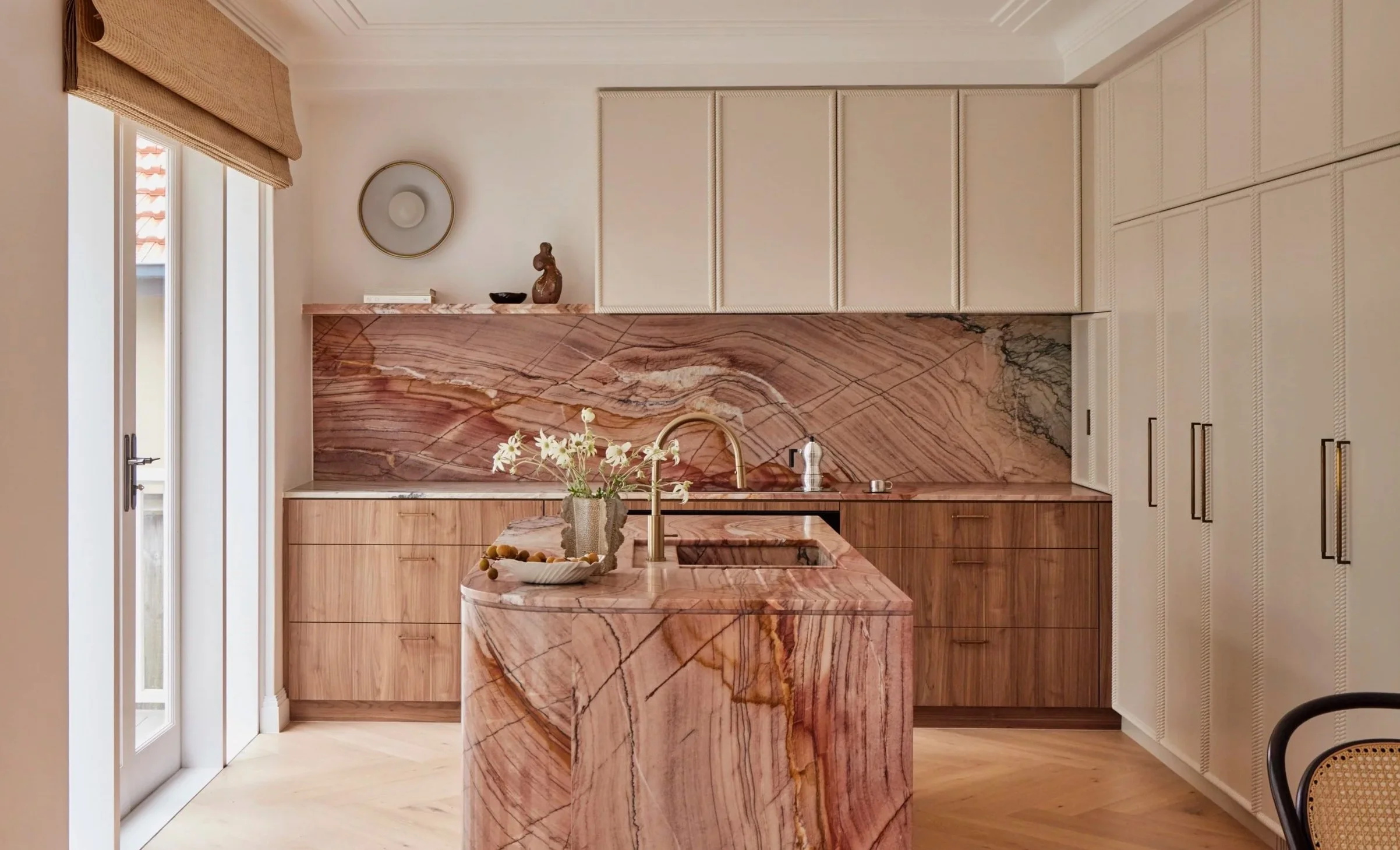
With a focus on emotion, flow, and colour, Caitlin Parker-Brown, interior design director of Parker Studio, crafts spaces grounded in intention—authentic, balanced, and beautifully resolved.
Photos JACQUI TURK & PABLO VIEGA

Monroe House by Parker Studio. Photo: Jacqui Turk. Styling: Kerrie-Ann Jones
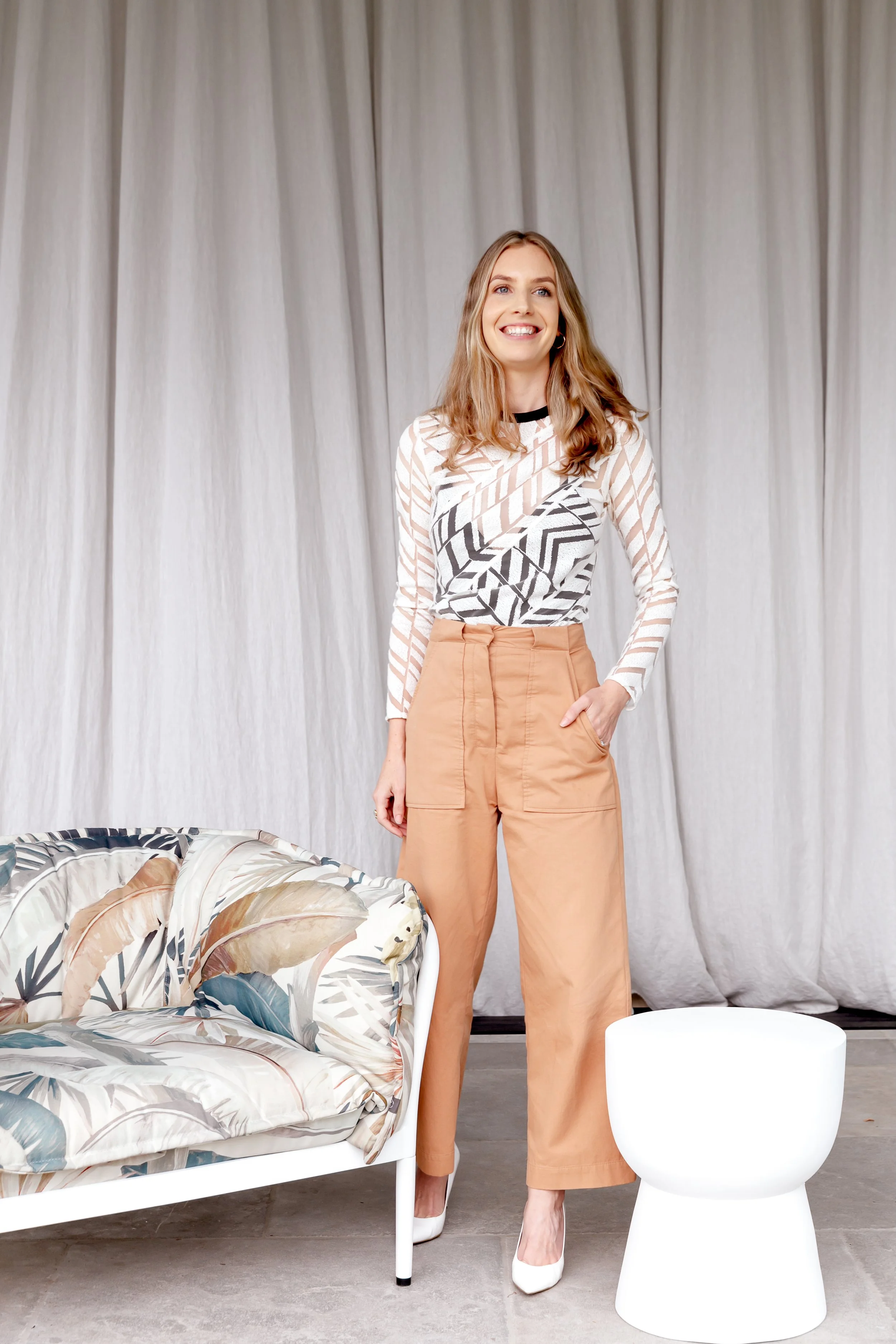
Parker Studio director and founder, Caitlin Parker-Brown. Photo: Jacqui Turk.
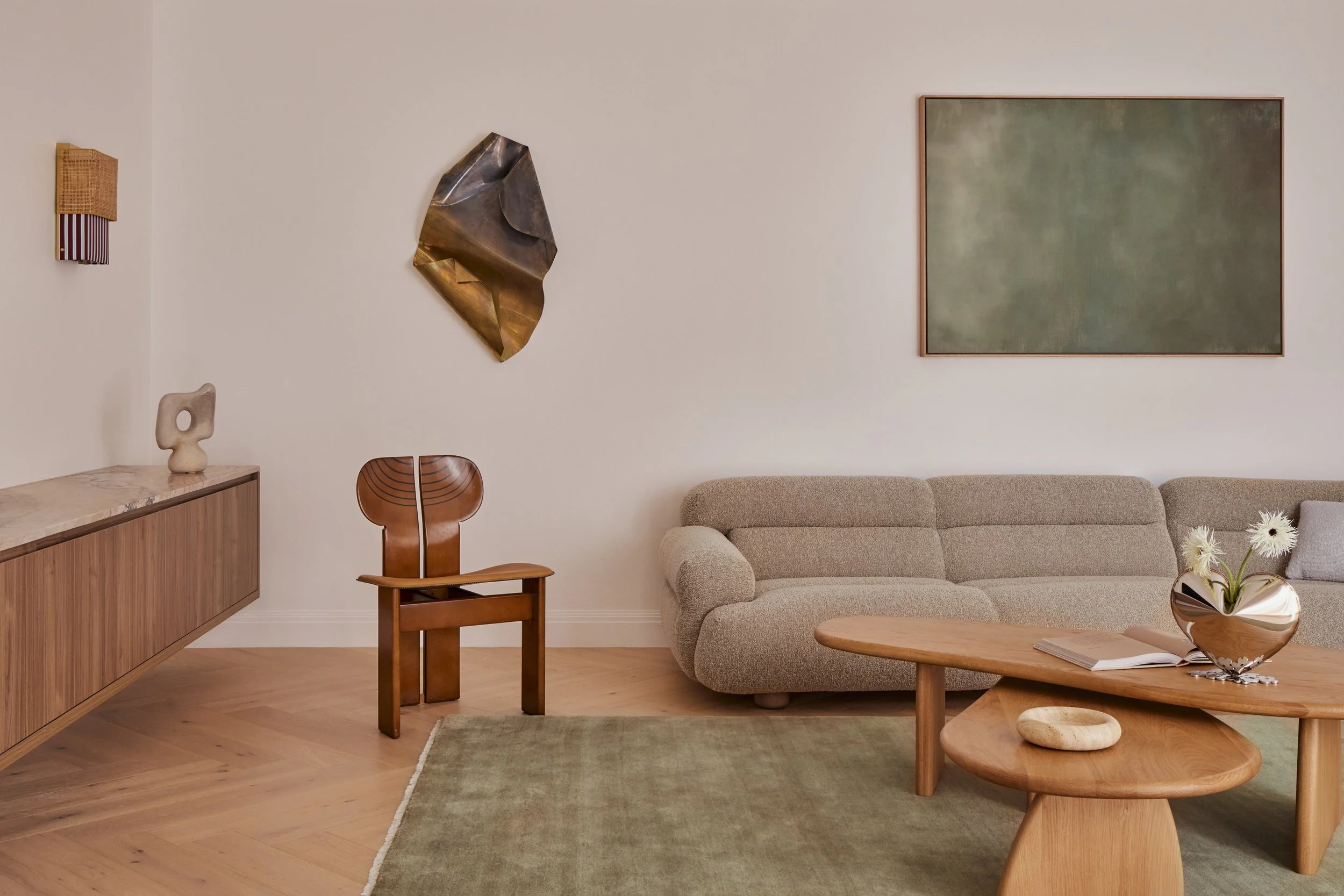

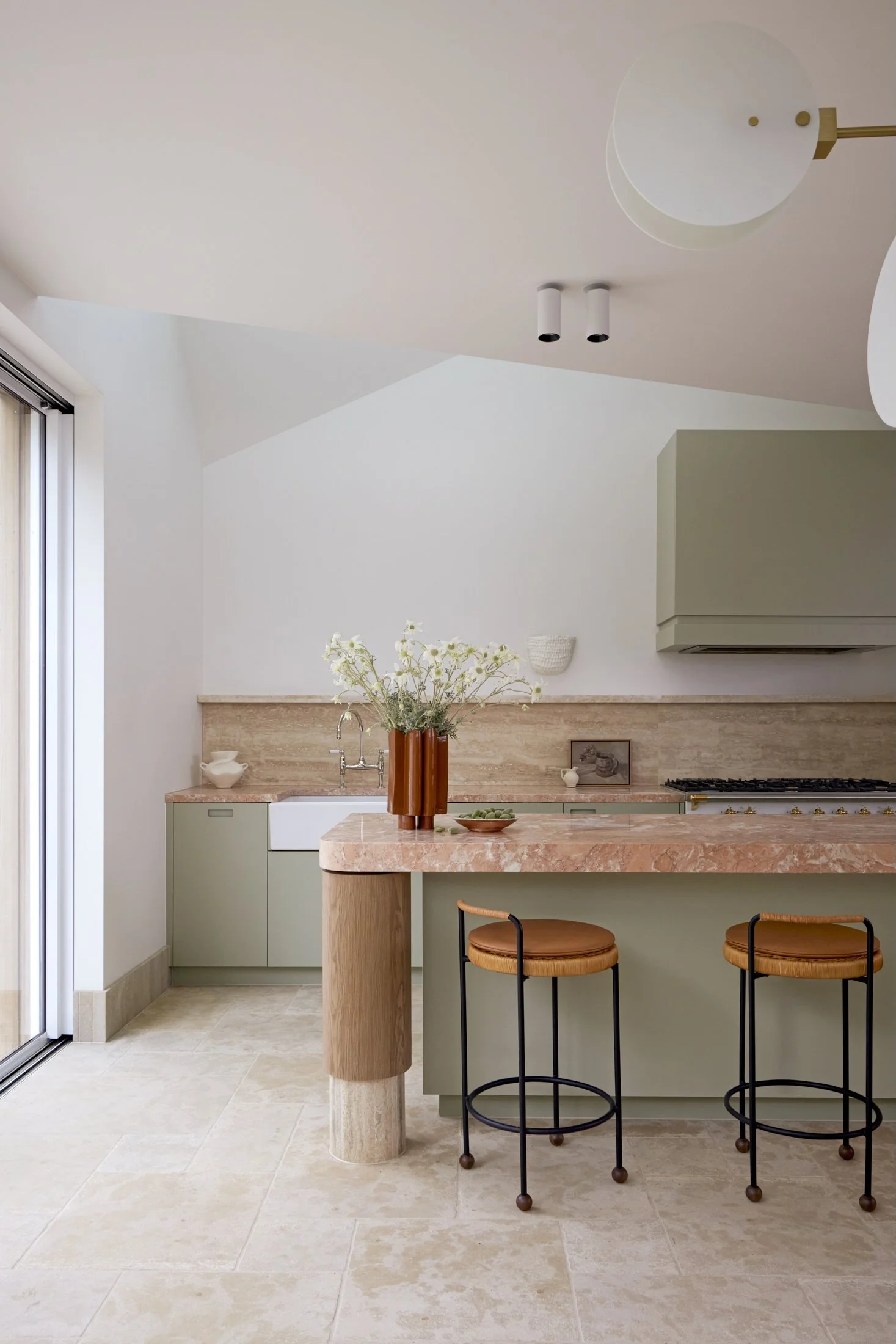
Balmain Residence by Parker Studio. Photo: Jacqui Turk.
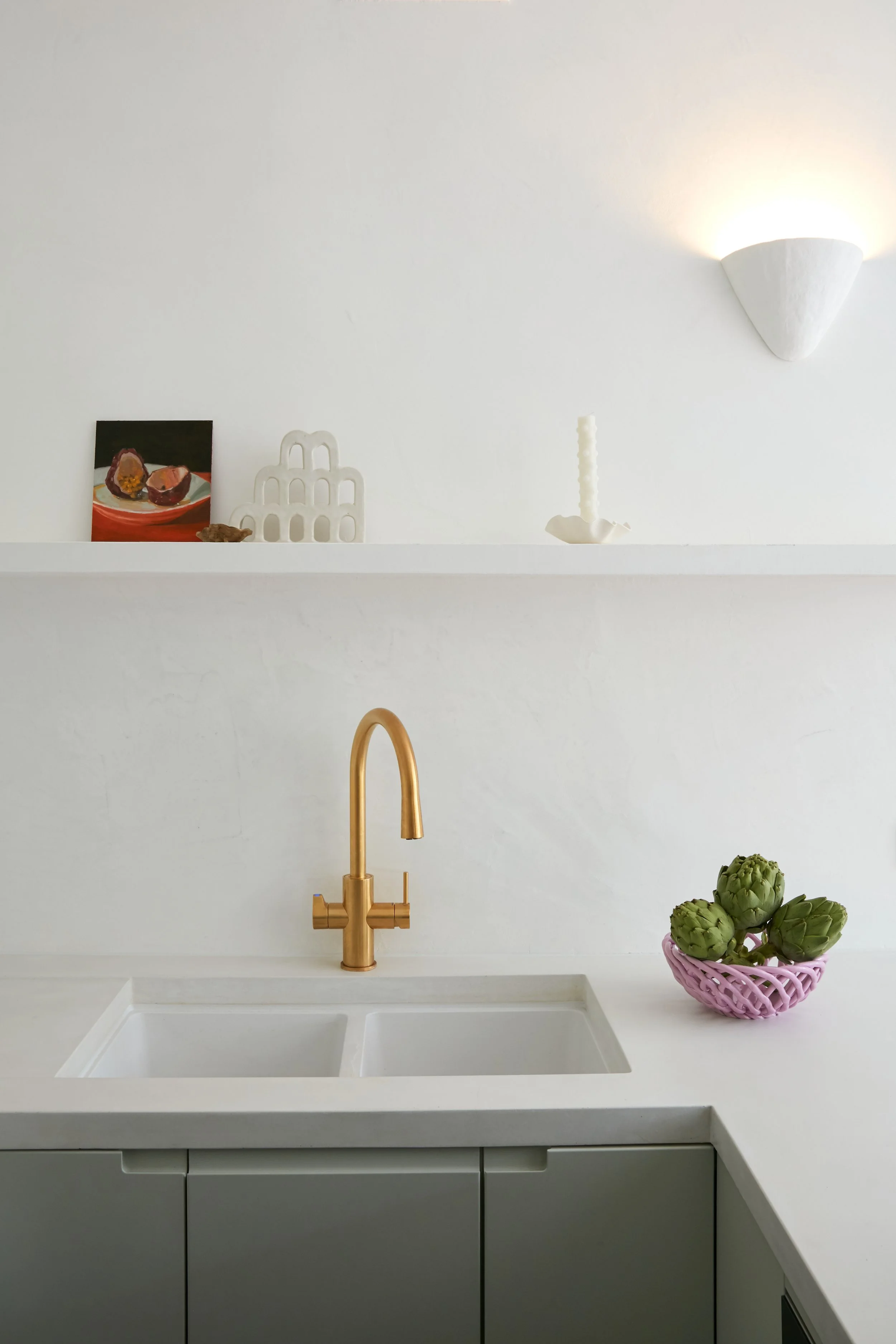
Bondi House by Parker Studio. Photo: Jacqui Turk.
“I’m always gently testing how far I can push them outside their comfort zone—because that’s where the real magic happens. More often than not, it’s these bold, thoughtful risks that become their favourite elements.”
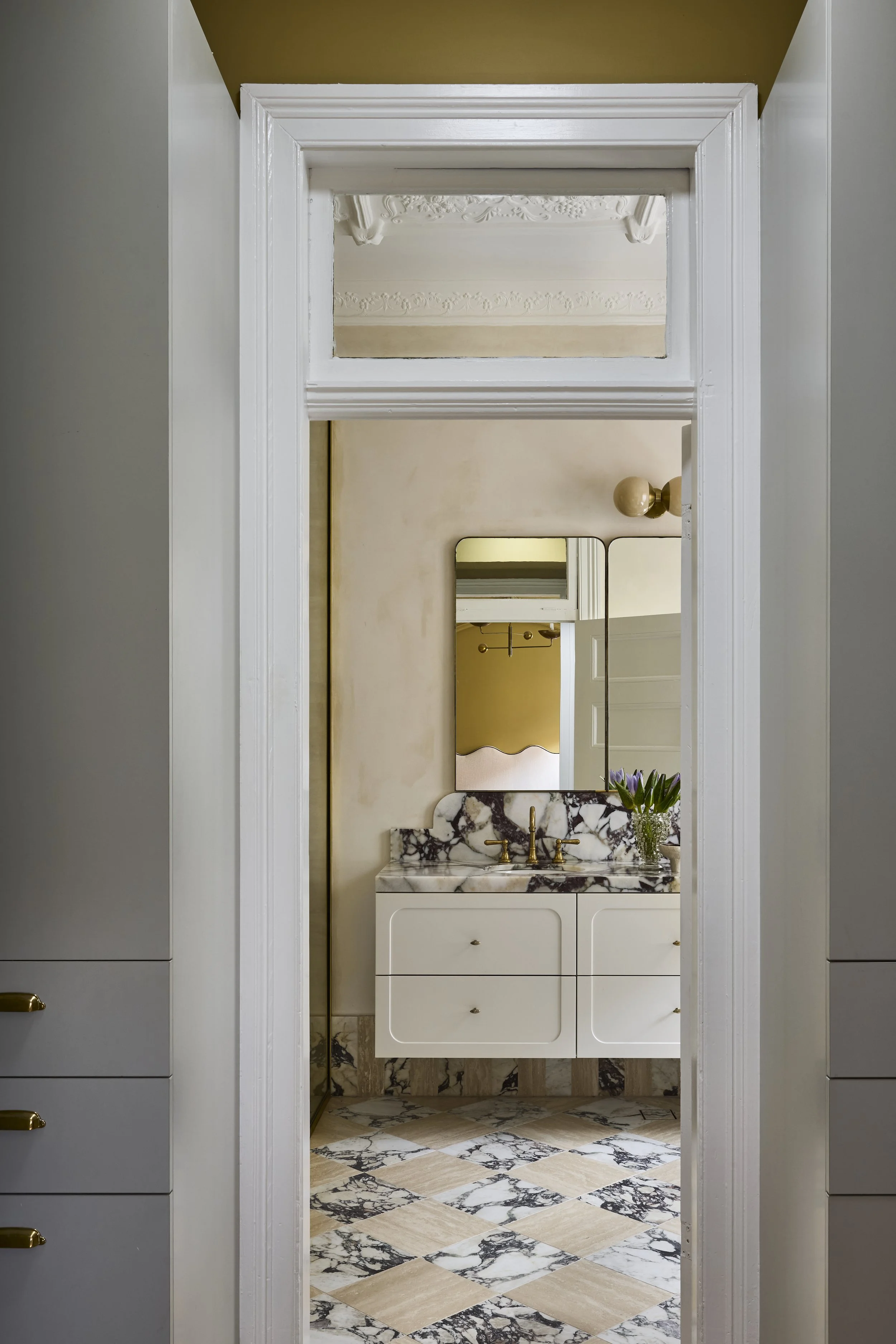
Malvern Hill House by Parker Studio. Photo: Pablo Viega. Styling: Corina Koch
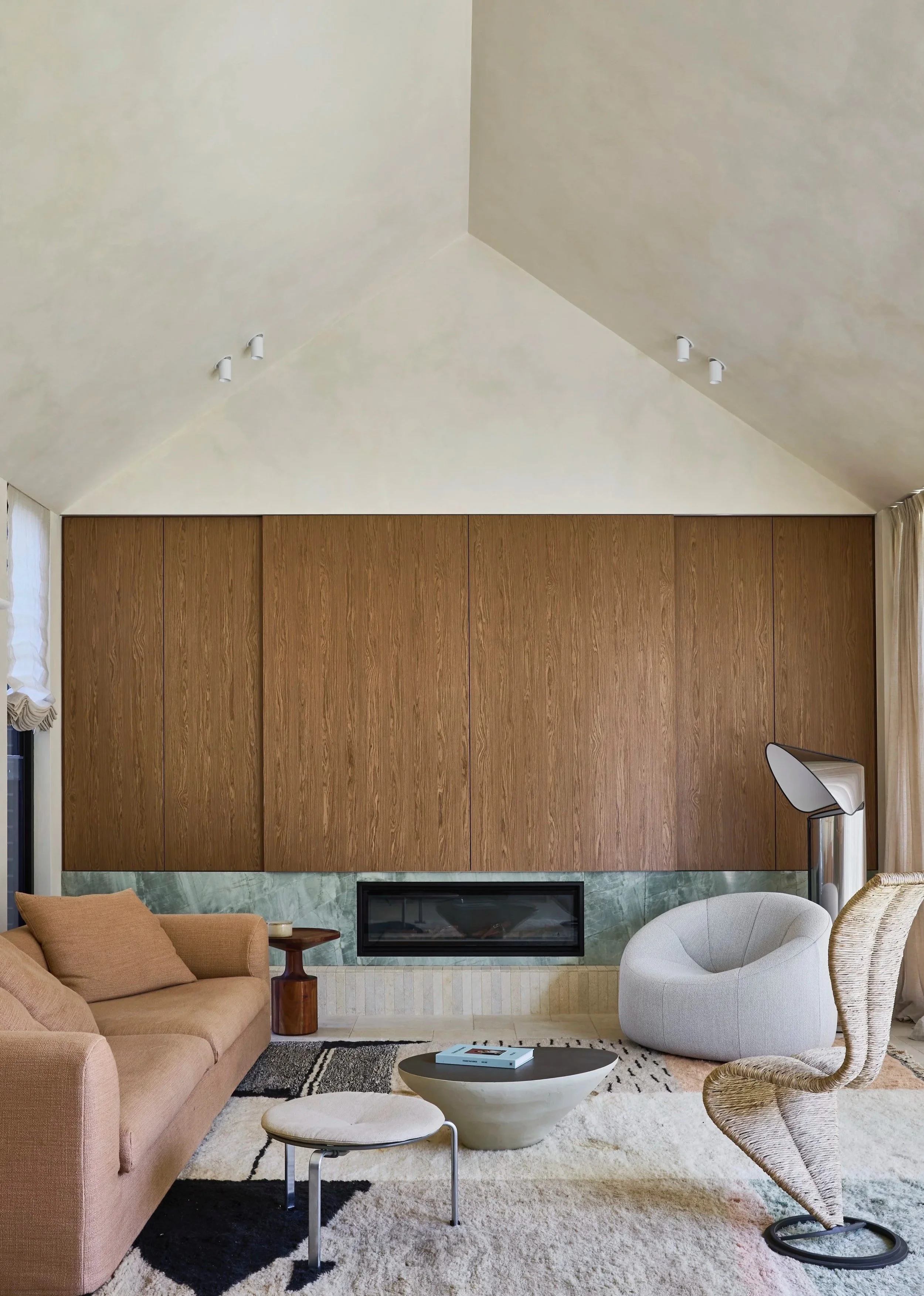
Malvern Hill House by Parker Studio. Photo: Pablo Viega. Styling: Corina Koch
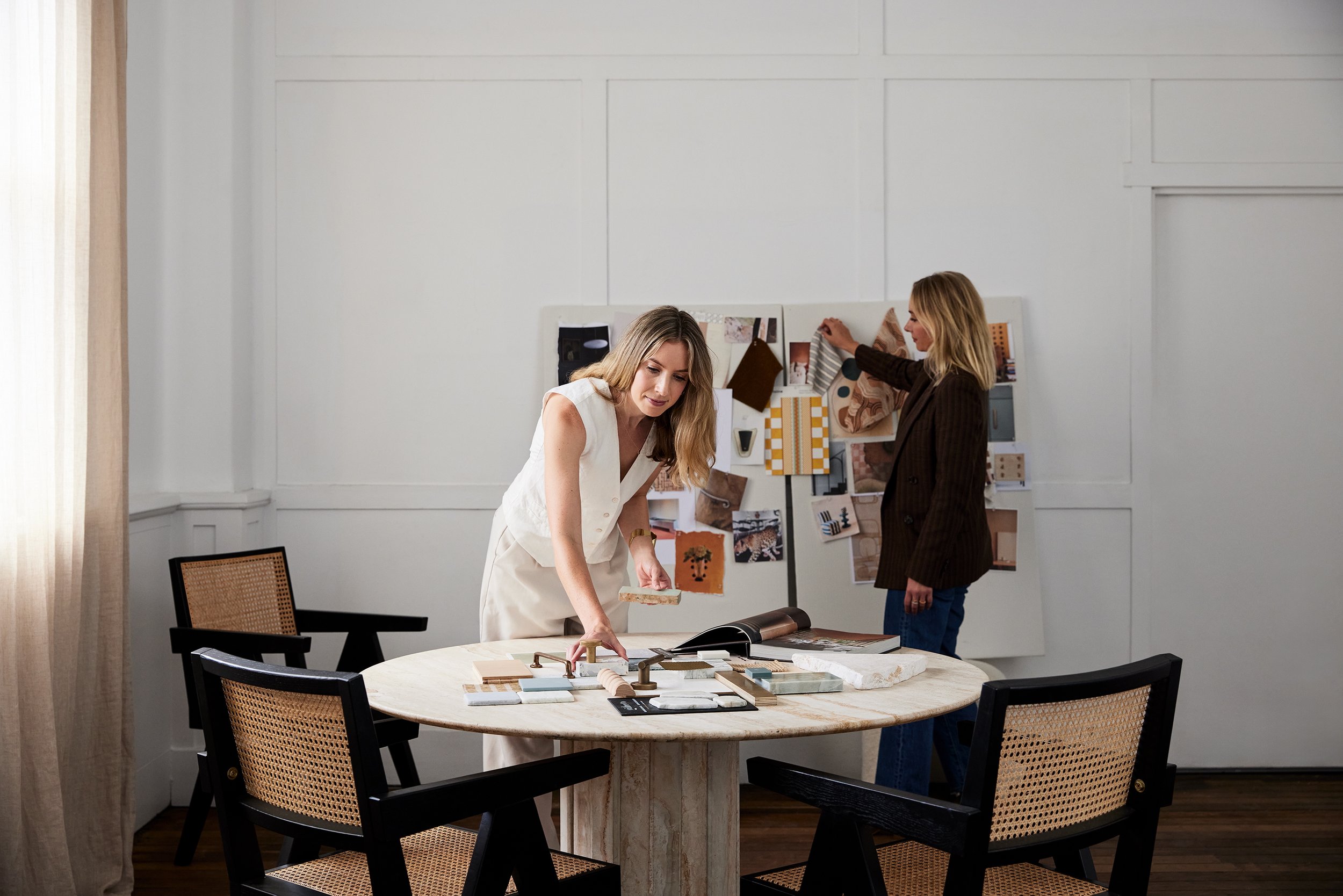
‘Every project begins with a thorough conversation around the brief—I focus on understanding how my client wants to use the space and, just as importantly, how they want to feel in their home.’ Photo: Jacqui Turk.
Hello Caitlin—can you introduce yourself?
Caitlin: I’m Caitlin, interior design director of Parker Studio. I started Parker Studio six years ago when I was on maternity leave with my first born. I live in the inner-west of Sydney, and have two young boys with my husband Tim—Archer, 6, and August, 4. I’ve grown the business organically since inception, and although I typically work independently, I also have design contractors assisting with my projects to keep up with work flow. I’m not afraid of using colour and contrast in my designs, and my aesthetic is always evolving.
What were your early influences, and the moment you knew you wanted to build your own practice?
I’ve known from a young age that I wanted to work in a creative field, and interior design always felt like the natural path. While still in school, I took short courses in colour, design, and drawing, which only deepened my passion. After graduating, I was accepted into the Whitehouse Institute of Design, where I completed a three-year degree in interior design.
My professional journey began with an internship, which led to a formative role at Briony Fitzgerald Design. Working there for several years, I gained invaluable insight into the inner workings of a boutique studio, and found a love of colour. It was during this time that I became determined to build something of my own—driven by a desire for creative freedom and the responsibility of shaping spaces that truly transform how people live and feel in their homes.
Where does a project begin for you and what are the first questions you always ask?
Every project begins with a thorough conversation around the brief. I focus on understanding how my client wants to use the space and, just as importantly, how they want to feel in their home. Designing with these emotional and functional needs in mind gives the project real purpose, and often sparks creative, tailored solutions.
In this early ‘getting to know you’ phase, I also explore their comfort level with colour and materiality. I’m always gently testing how far I can push them outside their comfort zone—because that’s where the real magic happens. More often than not, it’s these bold, thoughtful risks that become their favourite elements in the entire home.
How do you translate a client’s lifestyle into spatial planning?
Translating a client’s lifestyle into spatial planning starts with really listening, and also understanding how they live day-to-day—what their routines are, what brings them comfort, and how they want to feel in their home. It’s not just about placing furniture or allocating rooms; it’s about designing flow, function, and feeling into the space.
During the briefing and discovery phase, I dig into how each area needs to perform, whether that’s entertaining, retreating, working, or all of the above. From there, spatial planning becomes about supporting those needs in a seamless and beautiful way.
I also consider opportunities to enhance their lifestyle. Sometimes a client doesn’t know what’s possible until you show them. That’s where I might push the boundaries with layout, materials, or flow.
What guides your palettes, and how do you future-proof selections without losing character?
After an in-depth briefing session, I begin by developing 'look and feel' boards that establish the overall design direction. When it comes to colour and finishes, I’m guided by a preference for natural, organic materials, elements that have stood the test of time both aesthetically and functionally. Materials like raw brass and natural stone have been used for centuries, not just for their beauty but for their durability. I believe that when these finishes are selected thoughtfully, in harmony with the surrounding environment and architectural context, they not only bring character but also ensure a timeless quality that future-proofs the design without compromising its soul.
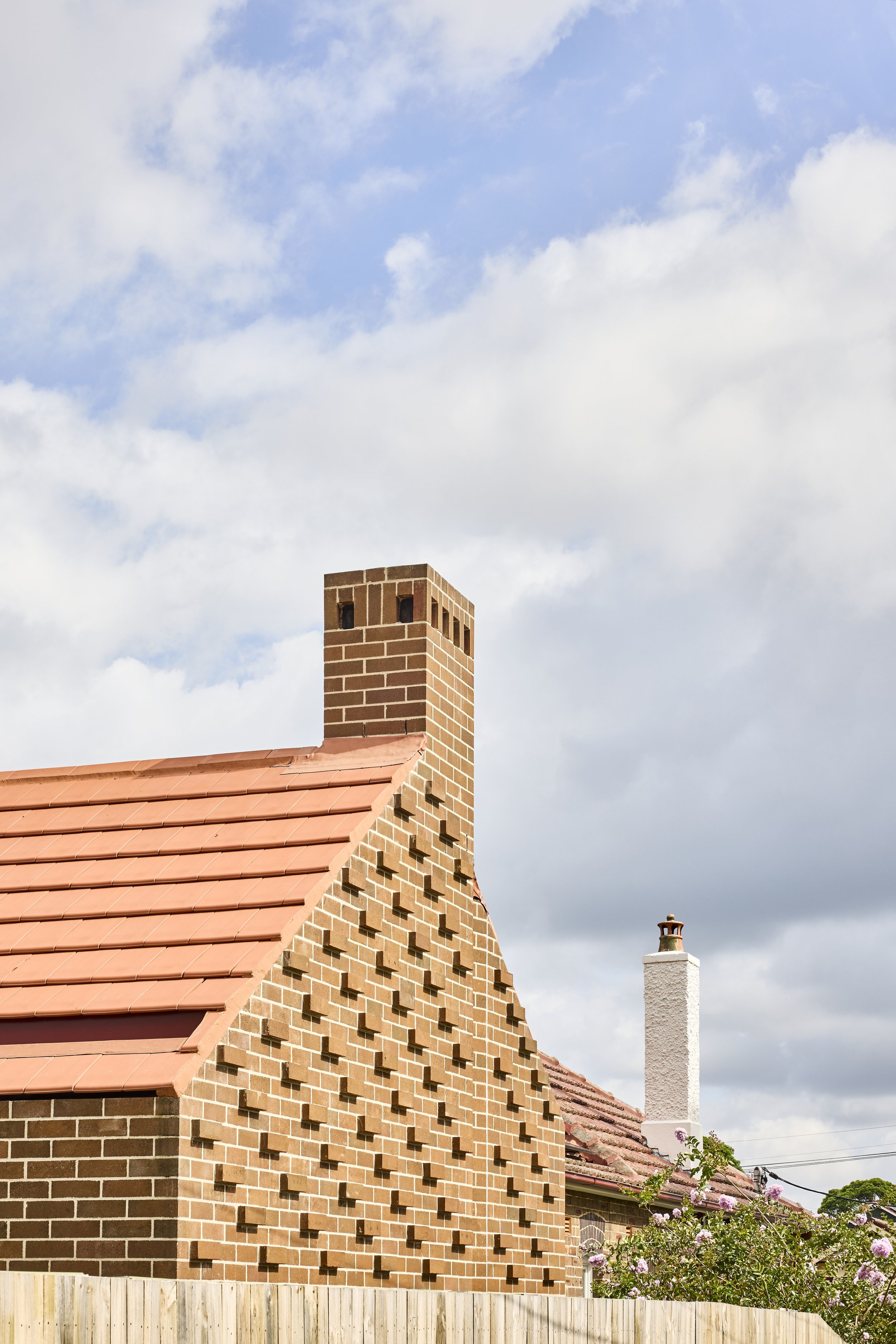
Malvern Hill House by Parker Studio. Photo: Pablo Viega
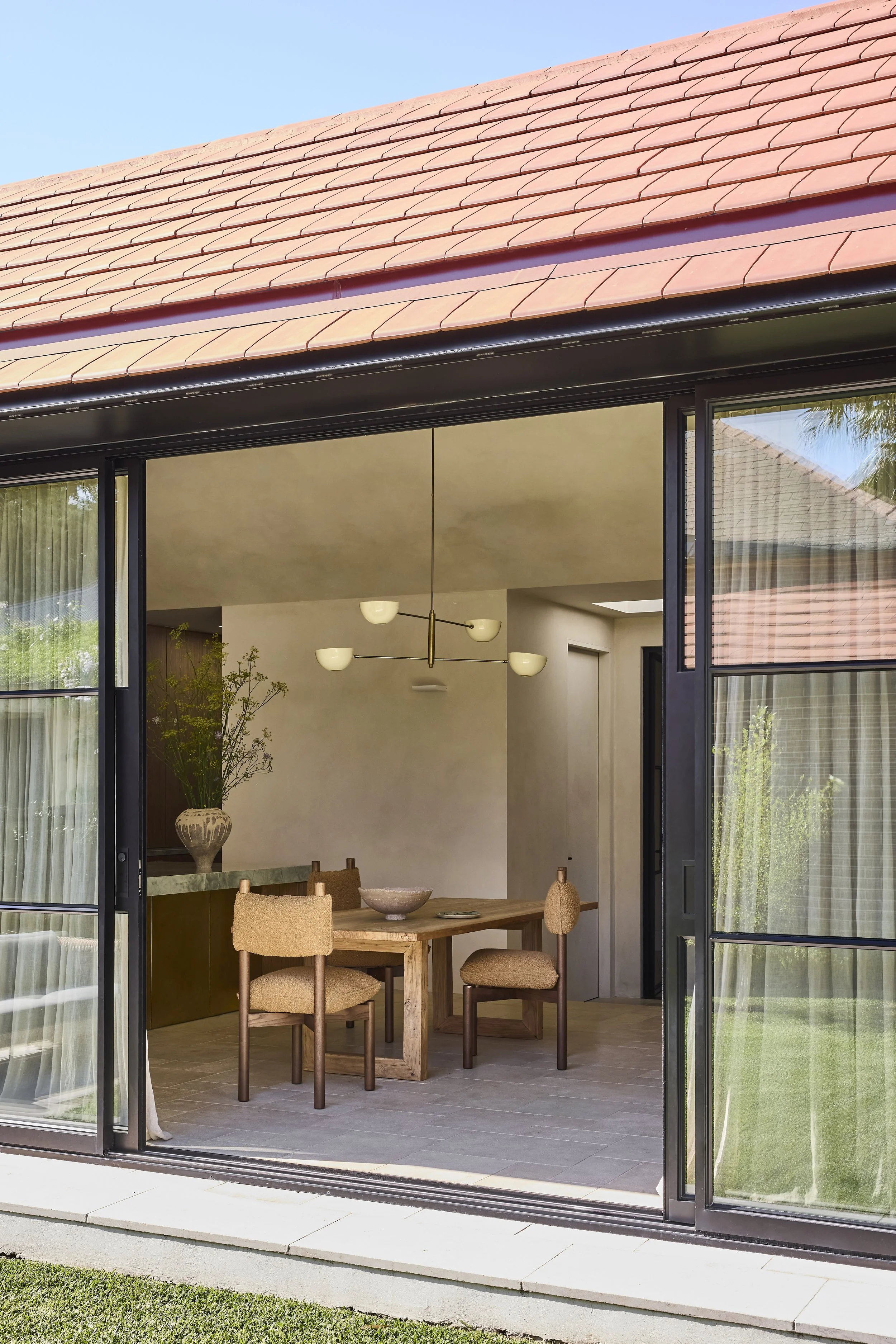
Malvern Hill House by Parker Studio. Photo: Pablo Viega. Styling: Corina Koch
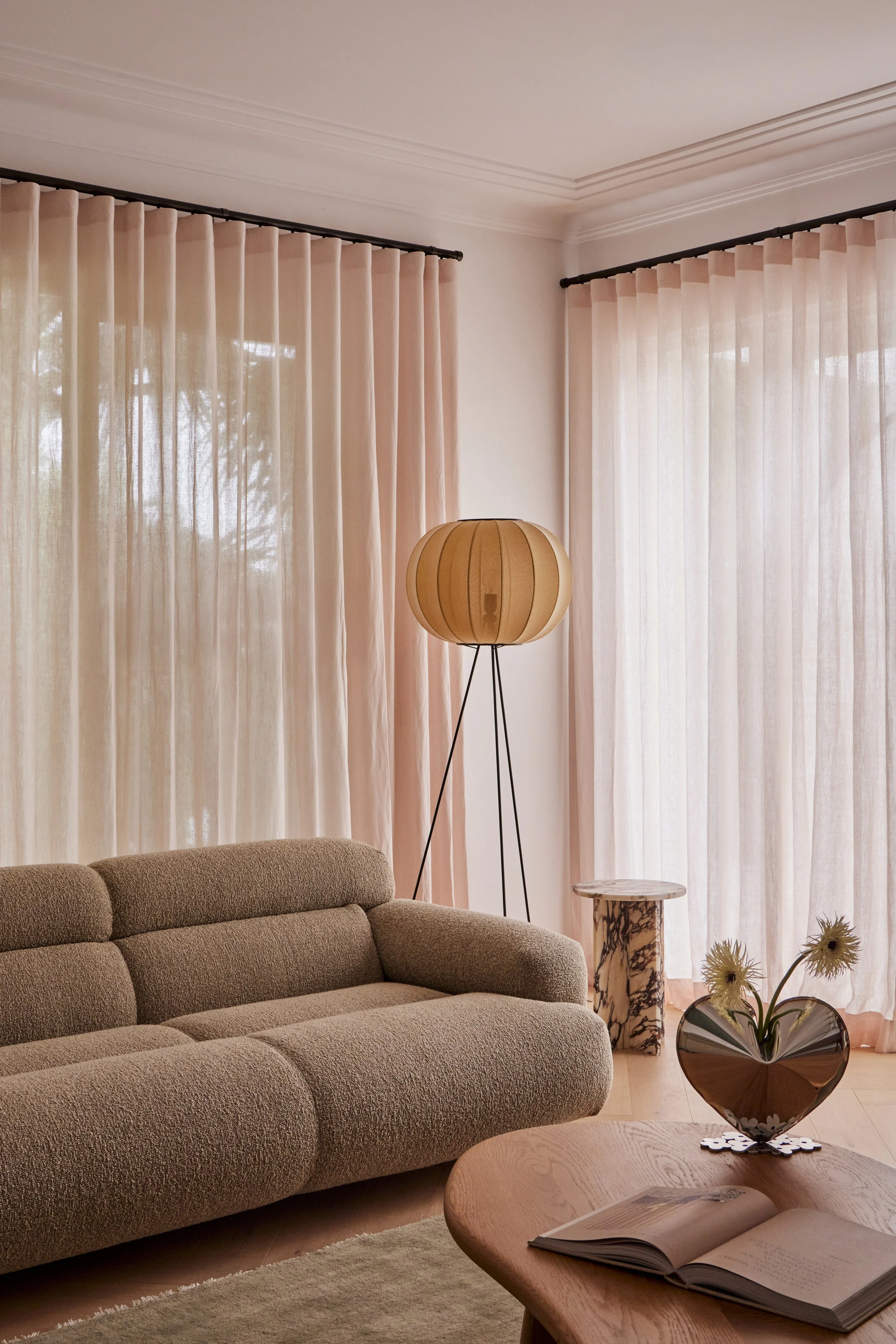
Monroe House by Parker Studio. Photo: Jacqui Turk. Styling: Kerrie-Ann Jones
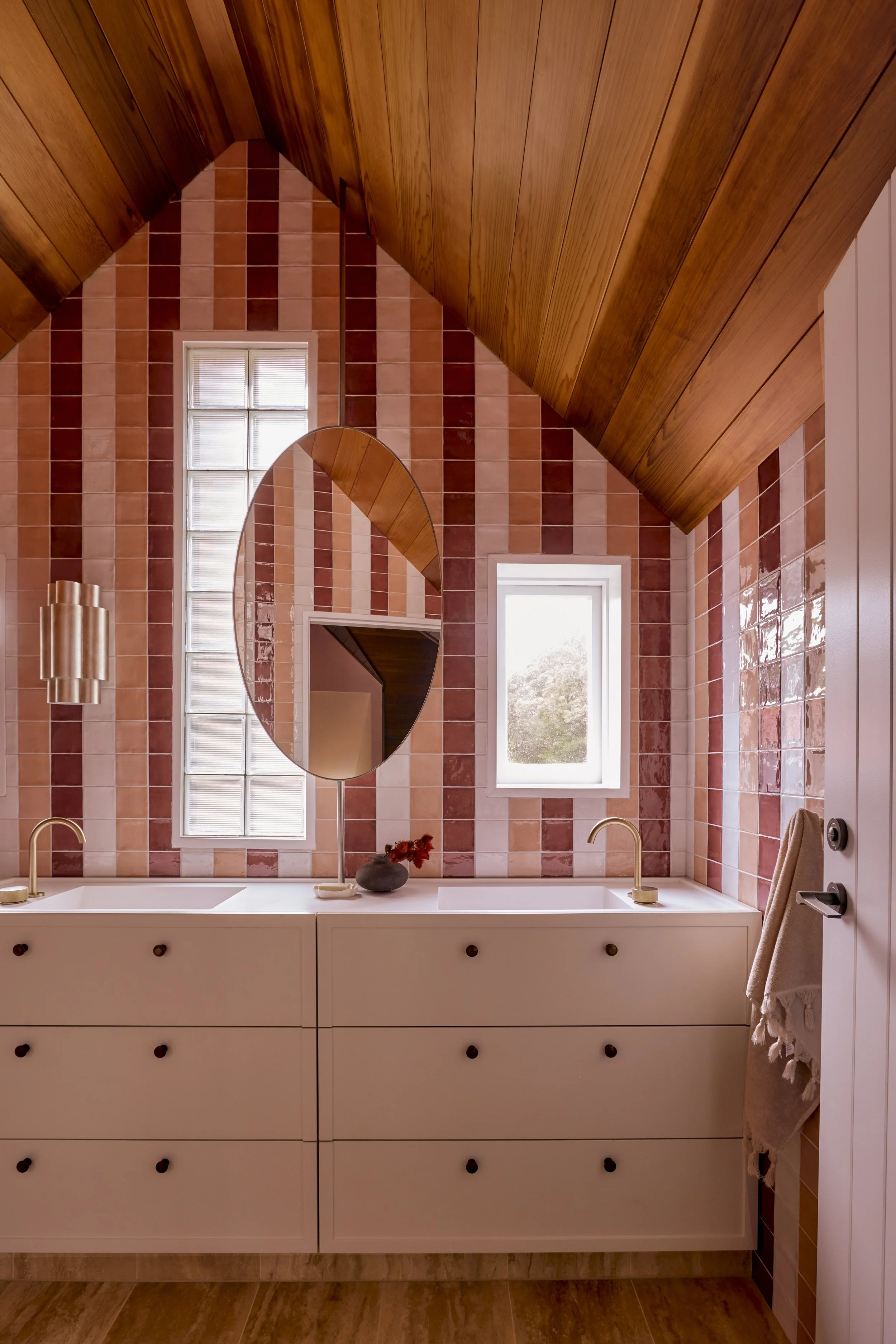
Monroe House by Parker Studio. Photo: Jacqui Turk. Styling: Kerrie-Ann Jones
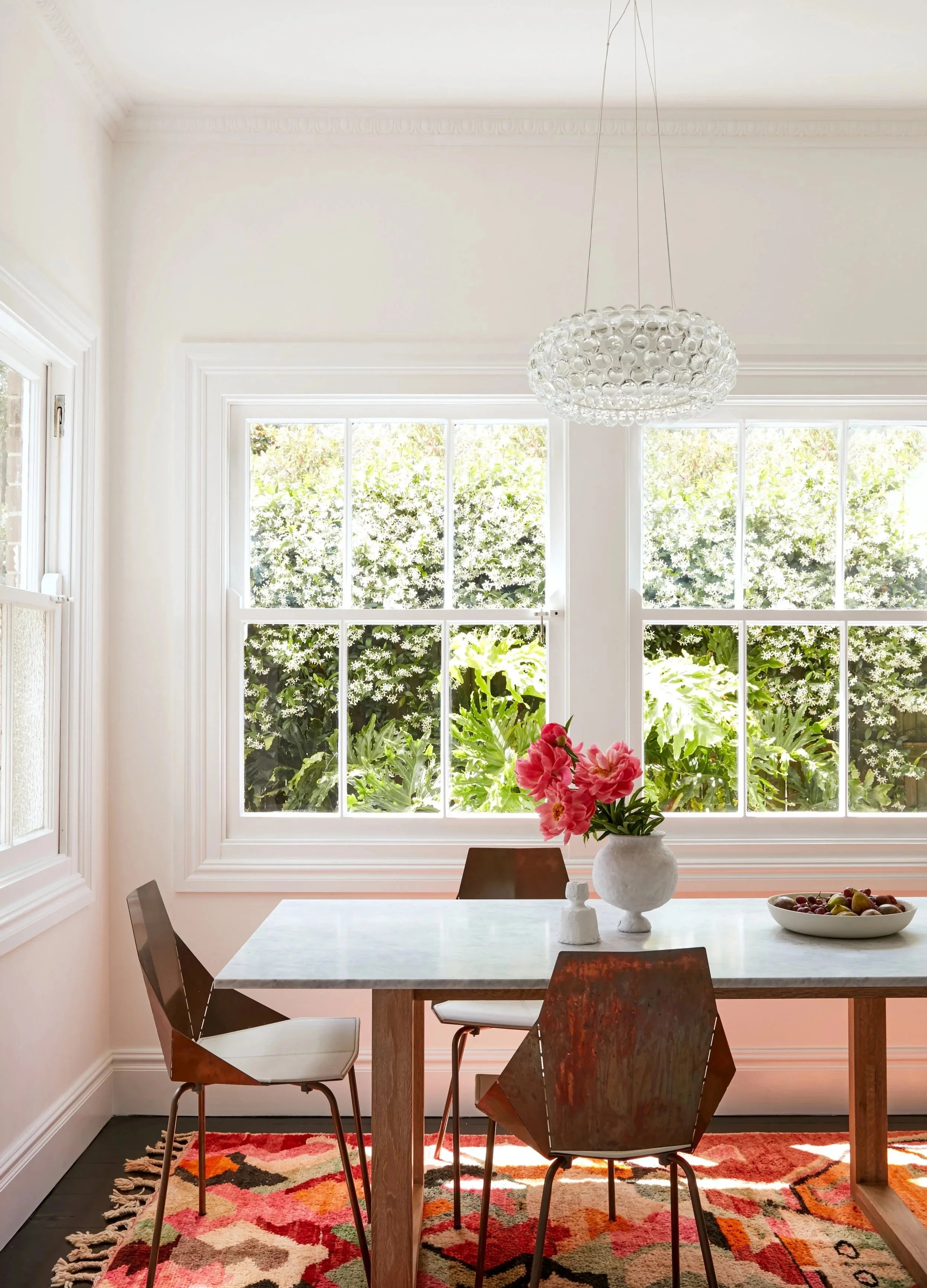
Bondi House by Parker Studio. Photo: Jacqui Turk.
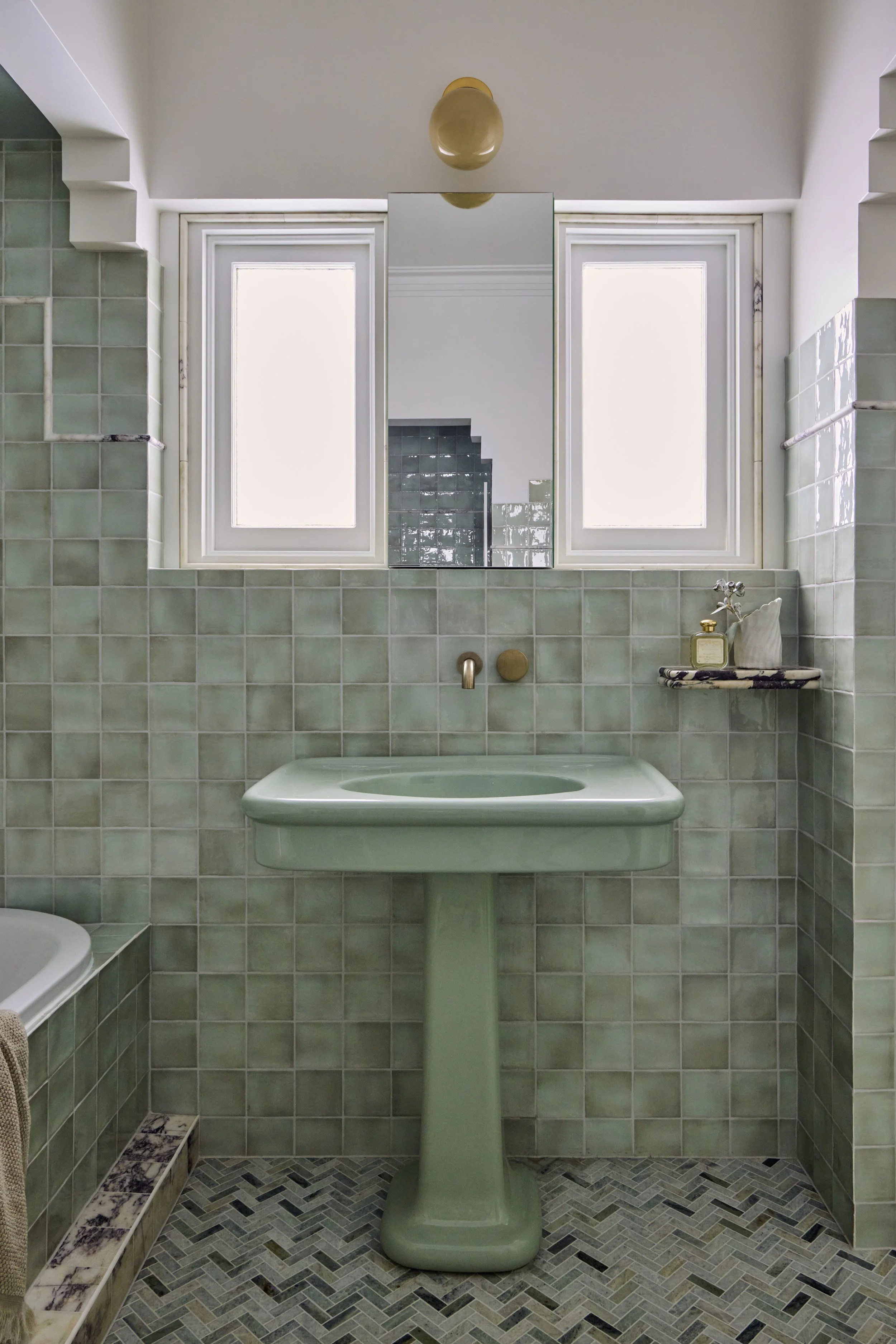
Monroe House by Parker Studio. Photo: Jacqui Turk. Styling: Kerrie-Ann Jones
What does a ‘typical’ studio day look like, and what tools keep you most organised?
I start with replying to client and supplier emails. On presentation or site meeting days, I’ll meet with clients or trades on site. In the afternoon I block out 2-3 hour periods at my desk where I can focus on design or documentation that needs my attention. I usually end the day with emails to wrap up.
For product, finishes and furniture scheduling I use Programa, it’s a cloud based software, which is very useful for designers. For time and project management I use Trello, which I add tasks and project notes on. And saving the best for last.. is my apple calendar. I schedule my days and weeks ahead of time by blocking out my calendar and dedicating time on specific projects. I find this helps to keep me on track, as it’s very easy to over schedule your calendar with meetings if you don’t block out time to be creative and designing in the studio.
When you hit a design block, what’s your best way to reset?
When this happens I have to stop and take a brain break, I’ll work on another aspects of running the business (usually the never ending admin side!) so I am still being productive, while giving myself some space to breathe creatively.
What do you look for in builders, craftspeople and suppliers?
Open communication, detail orientated and a can-do attitude are important factors for me—when collaborating I look for these qualities and build relationships with likeminded trades. So much of my work is custom designed, which means it’s not always simple, there can be trial and error, and you want to have a trustworthy team in place to navigate through this process with the client.
Your work balances warmth and restraint. What are your go-to moves for achieving your signature elevated but liveable equilibrium?
I like to imagine how I would feel living in each of the houses I design, so I definitely take a very personal approach to each project and I think that shows in the outcome. Having a young and active family of my own, as well as loving beautiful interiors, I’m constantly balancing form and function. I like to push myself creatively so I’m happy when I can experiment with material and colour pairings.
When you’re not working, where do you go to ground yourself?
I start most mornings at the gym, it energises me for the day ahead and helps clear my mind. On the weekends I’m usually eating out with family and friends, or running around after my boys at a local park.
One piece of advice you would give to someone starting their interior design work journey?
Know your worth. Your knowledge, creativity, and perspective are valuable—even early in your career. It’s easy to underestimate yourself when you're just starting out, but it's important to recognise that your time and skills have real value. In this industry, it's not uncommon to be taken advantage of, especially in the beginning, so set boundaries early, back yourself, and don’t be afraid to advocate for what you bring to the table.
Finally, what’s coming up next for Parker Studio that you’re most excited about?
I’m looking forward to travelling overseas next year to seek out new design inspiration. Travel always re-energises me creatively, and helps me bring fresh perspective to my work at Parker Studio.
To stay up to date with Parker Studio, visit the website or follow @studio.parker on Instagram.
