

Lisa Breeze
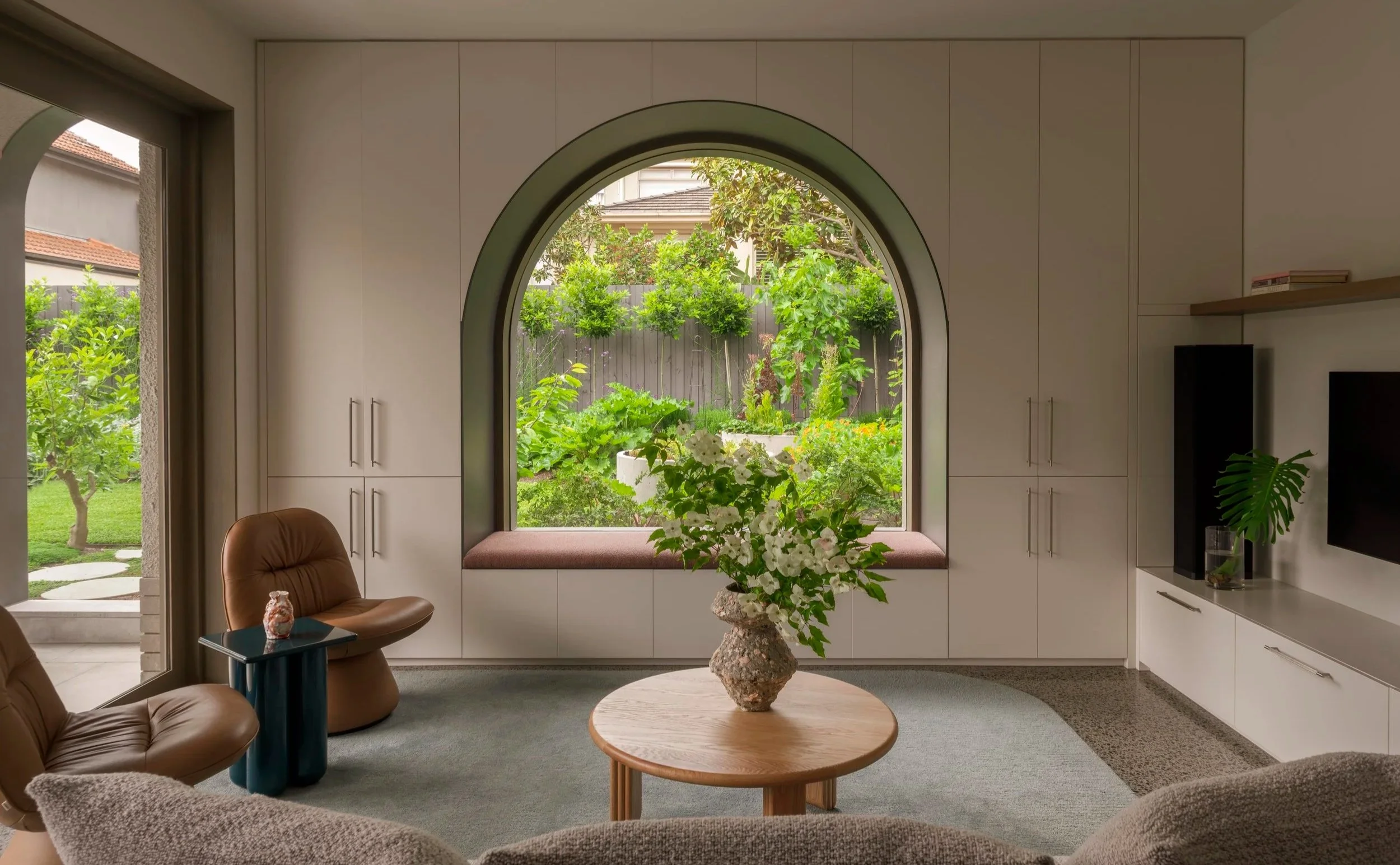
Melbourne-based architect Lisa Breeze runs a considered practice focused on residential design. We speak to Lisa about her journey, daily studio rhythm, design process and much more...
Photos BREEANA DUNBAR, CATHERINE SCHUSLER & CAITLIN MILLS
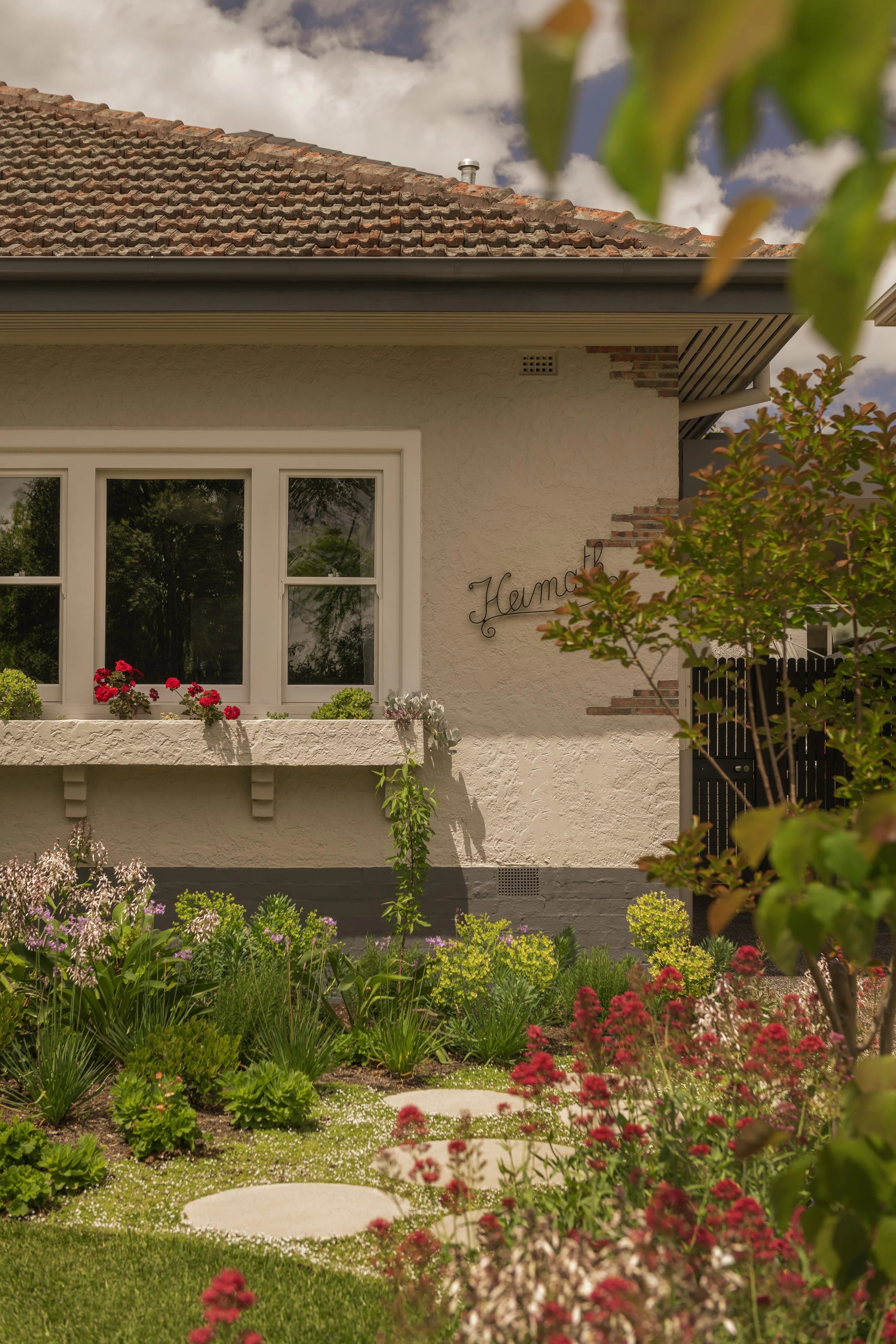
Camberwell House by Lisa Breeze. Photo: Catherine Schusler
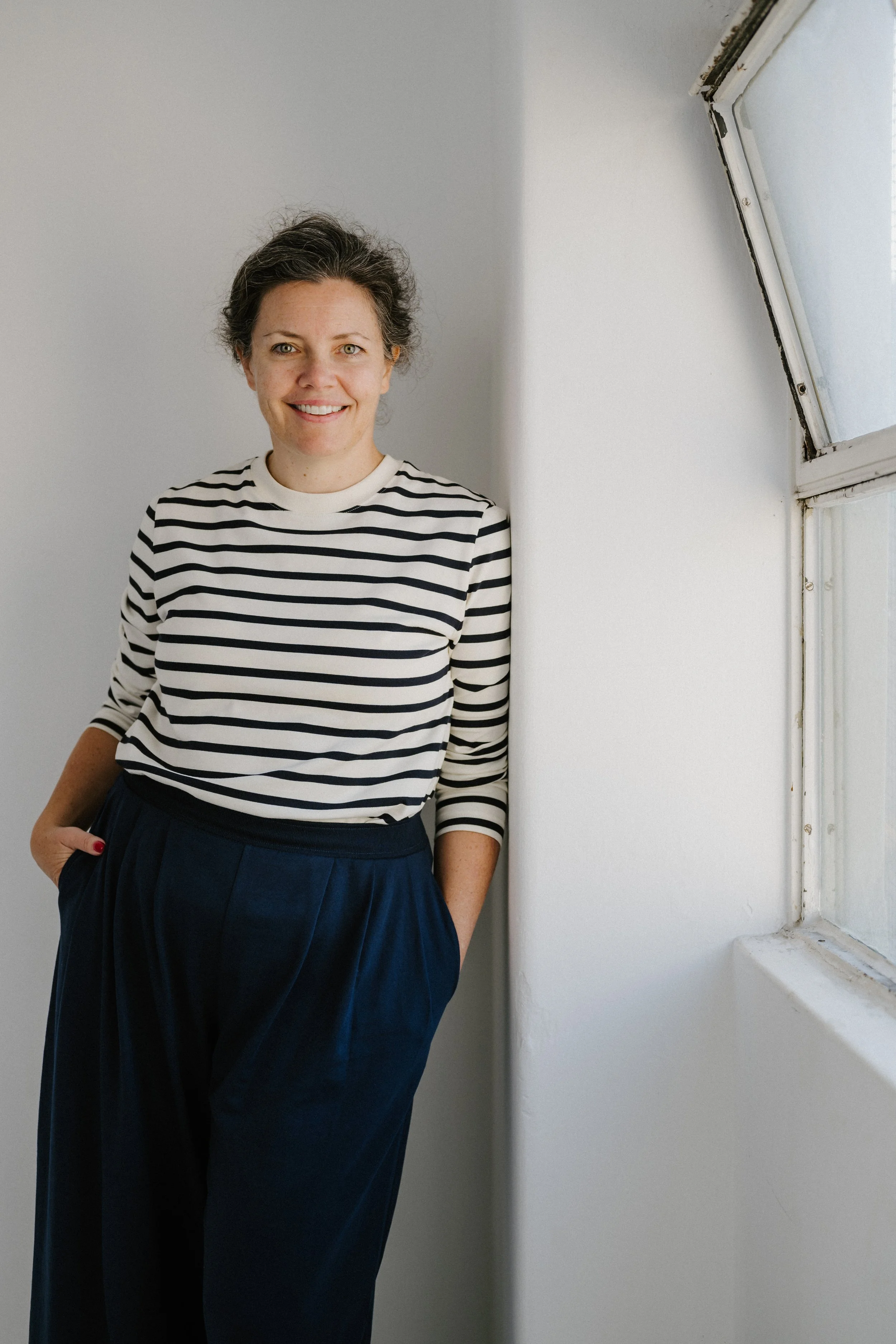
Melbourne-based architect, Lisa Breeze. Photo: Breeana Dunbar
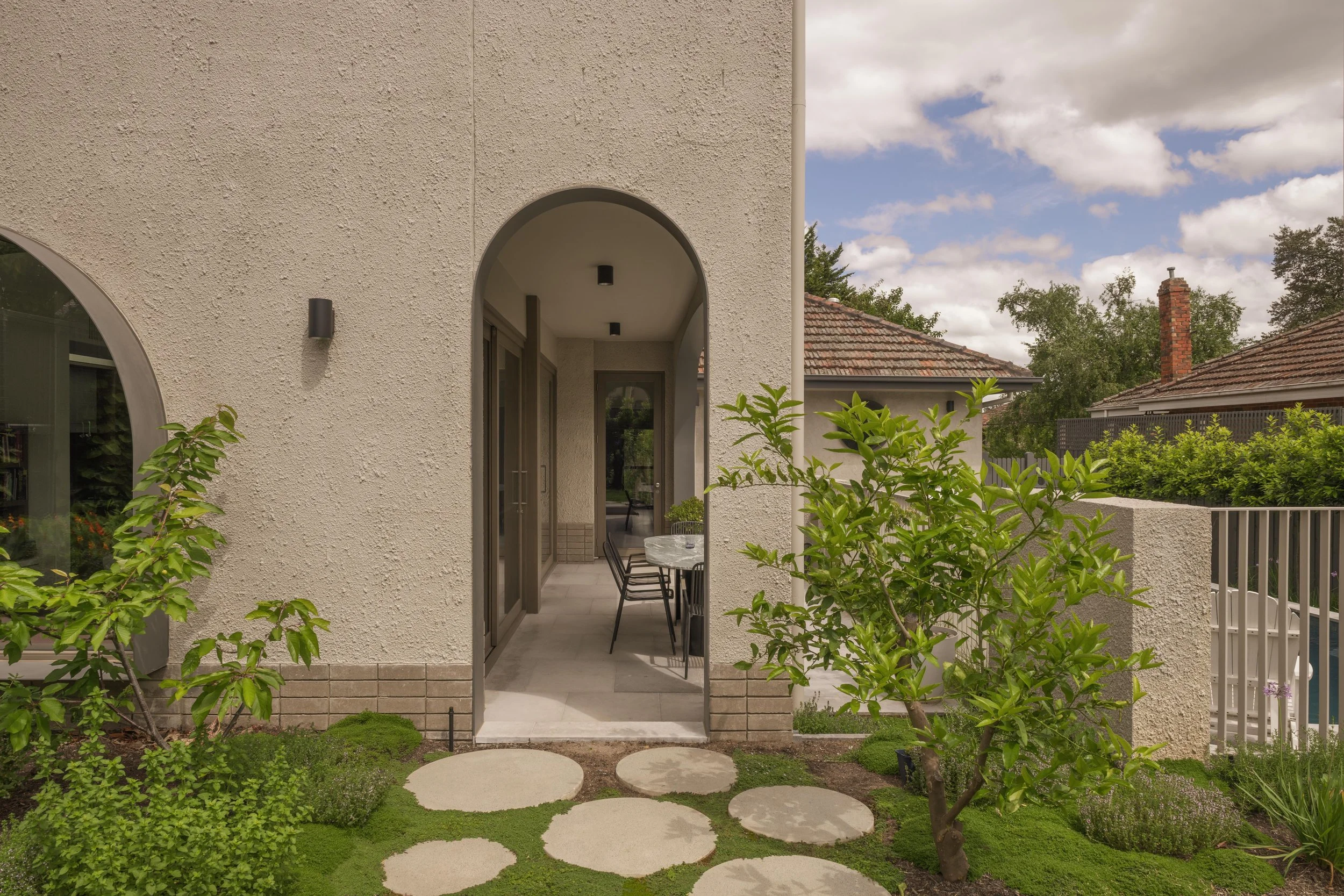

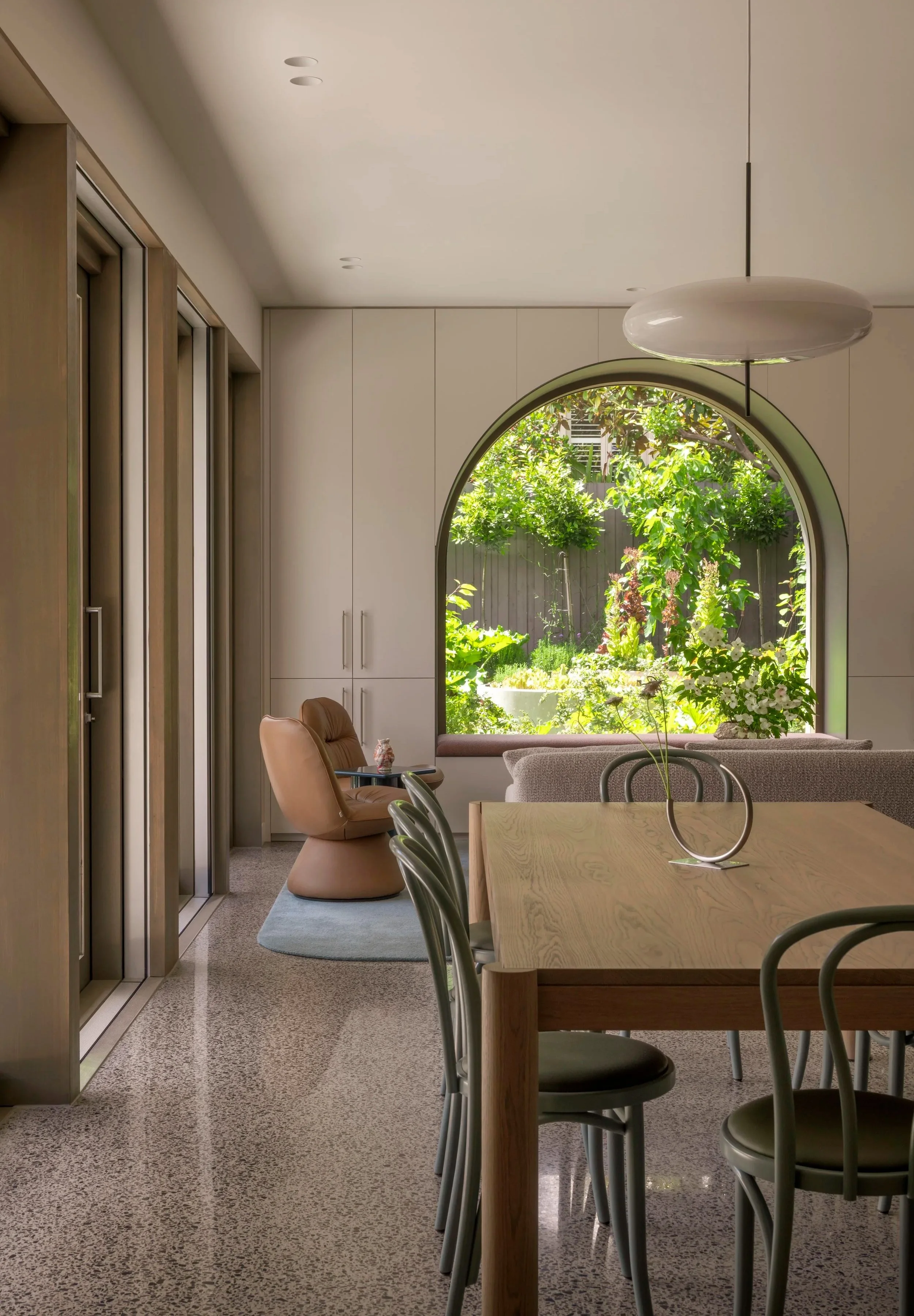
Camberwell House by Lisa Breeze. Photo: Catherine Schusler
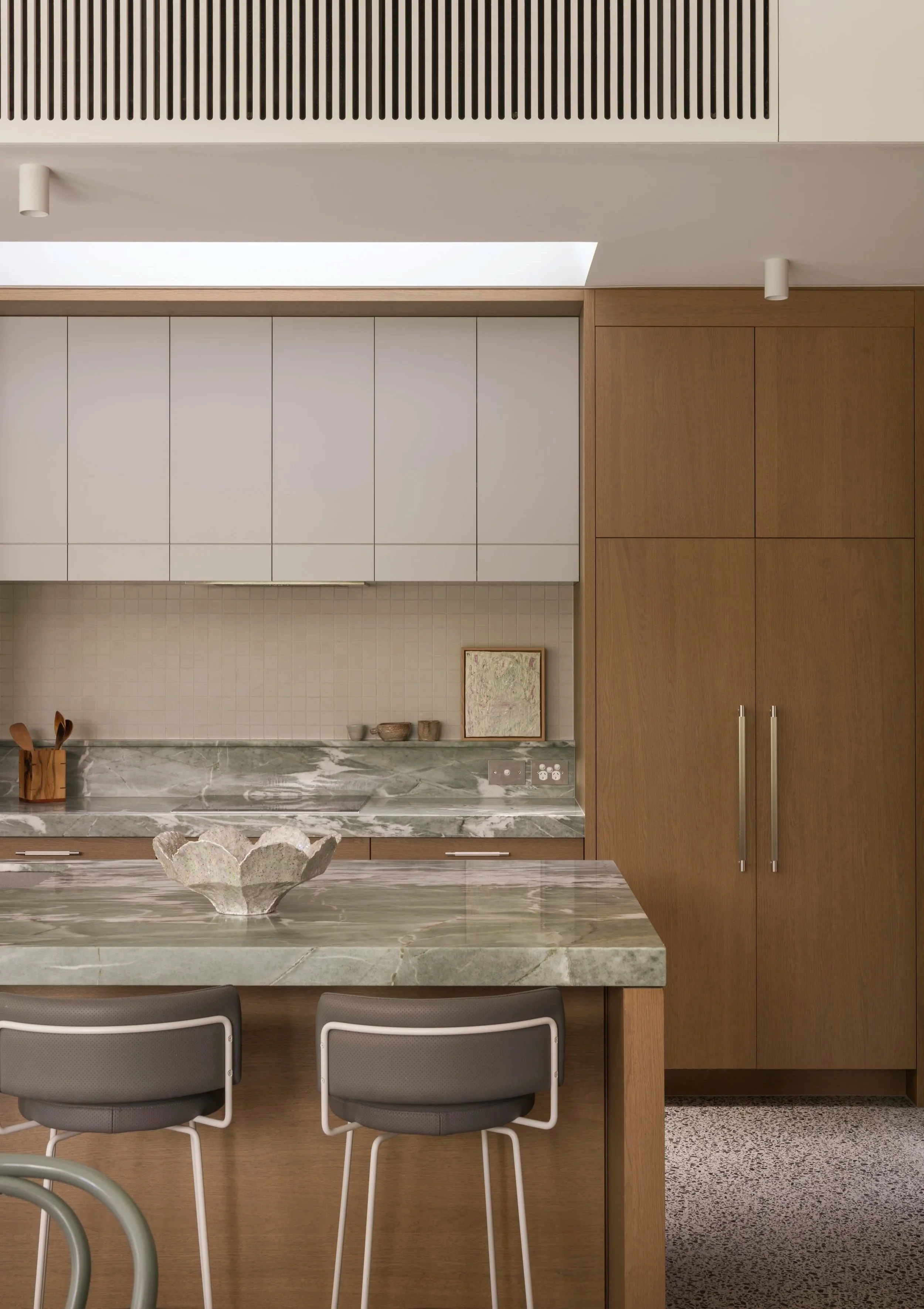
Camberwell House by Lisa Breeze. Photo: Catherine Schusler
“To design a building there are often many things to solve at once, both creatively and technically. I learnt early in my career not to expect all the answers to come at once.”
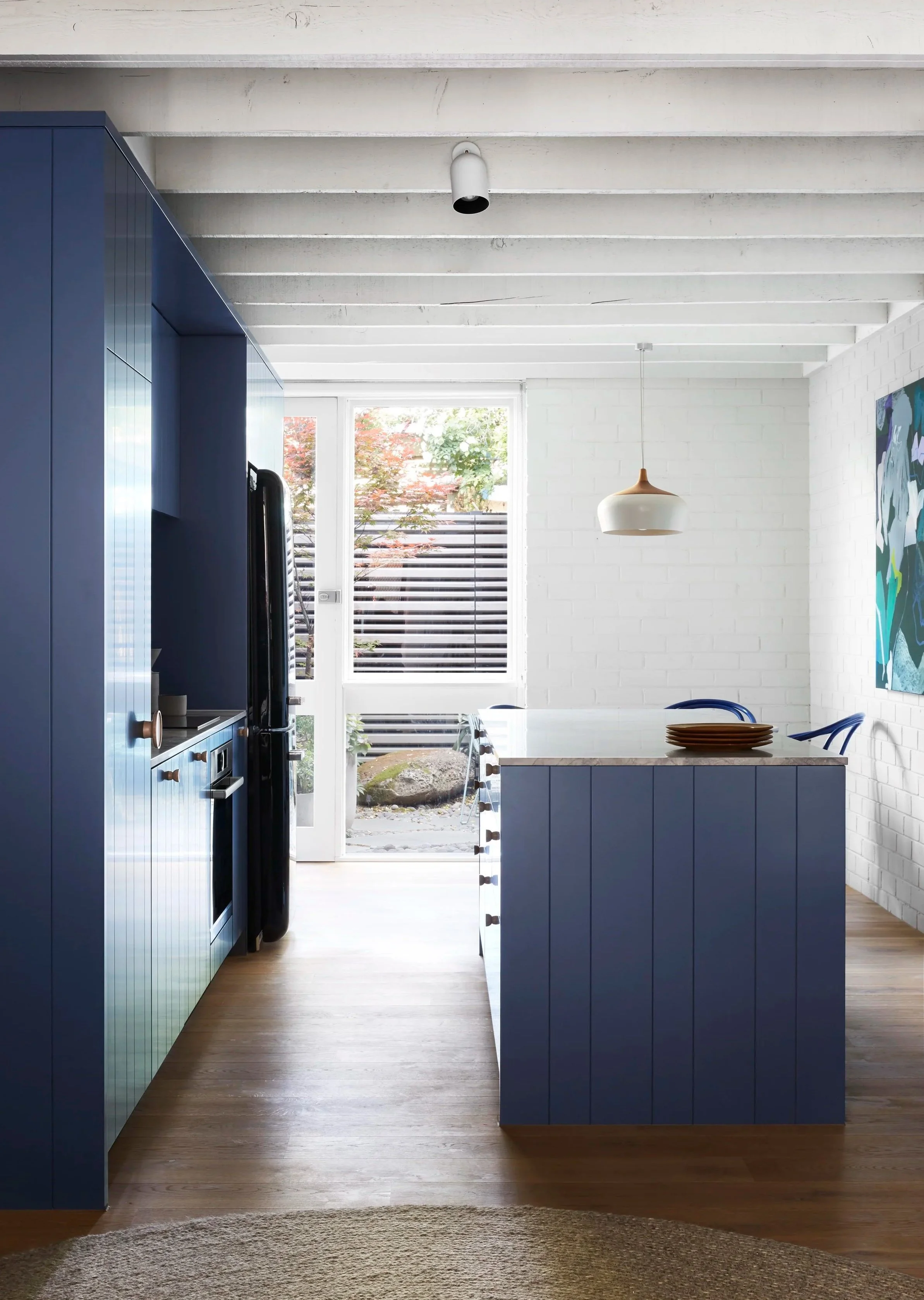
Fitzroy North House by Lisa Breeze. Photo: Caitlin Mills
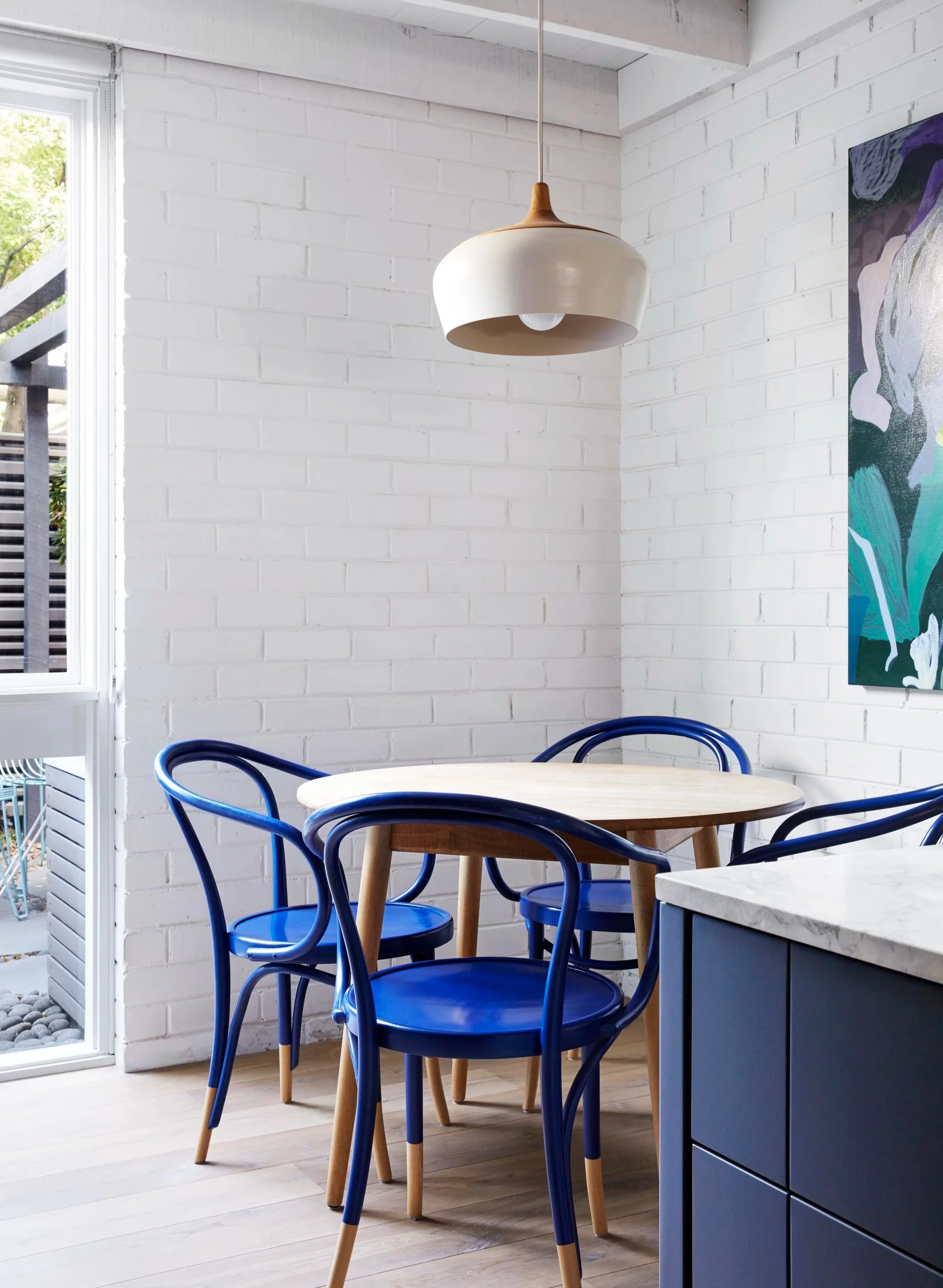
Fitzroy North House by Lisa Breeze. Photo: Caitlin Mills
Hello Lisa—can you introduce yourself?
Hello! I’m Lisa. I am an architect, a sole practitioner and with a focus on residential architecture. My projects are mostly renovations in Melbourne. I’ve also enjoyed working on new build projects, and homes out of the city and interstate. I live and work in Melbourne with my small family and pets.
What first drew you to architecture, do you remember a specific moment?
Lego! I loved creating little worlds with Lego as a child. At school I developed an interest in design and technical drawing. After school I took a few years off to travel and work abroad and returned to Australia to study the first architecture degree in Sydney and the second Architecture degree in Melbourne. I’m very fortunate to have known what I’d like to do and then have the opportunity be able to pursue it.
Can you tell us a little about your practice and how it began?
Sure. I started it in 2013. I had worked in a couple of practices as a student and graduate by that point in time. They predominantly focused on residential design. At the time I was looking for a change, and was seeking more independence both creatively, professionally and in life in general. I also conveniently had friends who were looking for an architect for their new home. At the time, it seemed like a huge leap and a big change, but I haven’t looked back.
I have intentionally kept the practice very small, just me, taking on a limited number of projects at once. This means I have the highest level of care and attention for each project and client. They, in addition to my broader team of consultants and contractors, all appreciate this approach.
What materials do you return to again and again in your work?
I love working with a variety of standard construction materials: brick, timber, concrete, stone, metals, laminates and different painted surfaces. Beauty, practicality and durability are the most important factors and these all naturally equate to sustainability. I like to experiment with pattern and texture, whether it’s playing with brick patterns or alternating timber set out directions. I also love colour.
What does your creative process look like?
Regardless of whether the project is a new build or reno (most of them are renos) I keep things very simple and start with the floor plan. The options can seem endless during the early stage of the design process, and limiting the task to organising spaces, in a practical and meaningful way, responding to the site and establishing the design with a sustainable approach, helps to simplify and clarify things, both for myself and my clients.
I then move on to the form of the home, considering shape and texture, light and composition, in a more detailed way. If we need a town planning permit that happens next. No creativity there, or maybe sometimes if a creative response to a siting regulation is needed! When we get to the construction documentation and interior design stage, I’ll plan out a loose order of the spaces and building elements that will be designed. This helps manage decision making and keeps us on a timeline. I also resolve the drawing set to a very high level of detail. This reduces the guesswork and decisions to be made on site during the build, and also the likelihood of cost variations and overload at that time. The construction process itself often requires quick and creative solutions. I have a great relationship with my builders and trades to work through these situations together.
Throughout the process I tend to switch between 2D drawings and 3D model to resolve both exterior and interior spaces. Nearly always using a computer these days, but sometimes a hand sketch is useful for working things out. The process I have developed intentionally tapers from big picture thinking and to the very detailed. This helps keep everyone involved from overwhelm.
What does a ‘typical’ day in the studio look like for you, and what keeps you organised?
I start the day very early. I find this helps in juggling my practice, workload, family and home and to also look after myself. The mornings are calm and quiet. I tend to clear emails first thing and address business admin tasks. After breakfast and helping my daughter get ready for the day, I take our dog for a quick walk and then get stuck back into work. I work best in the mornings so I do more thought intensive work then. No day is the same, but might include design, coordinating consultants, responding to town planning queries and working out site details. I also like to get some exercise in before lunch. In the afternoons I’ll reserve more laid-back tasks, like repetitive drawing work for instance. Client meetings or site visits also happen a couple of times a week, these are usually scheduled to fit in with my clients and builders’ day.
I’m a naturally organised person (which I’m sure annoys some people!). To stay organised I limit the number or projects I have at once. I schedule everything in a calendar – like everything! - and have a yearly planner to track overall project timelines, design stages and milestones, and when people I work with are away. I also keep a ‘to do’ list categorised into business admin, marketing and projects tasks. You better believe all these organisational tools are colour coded as well. Being organised keeps me calm, so I embrace it.
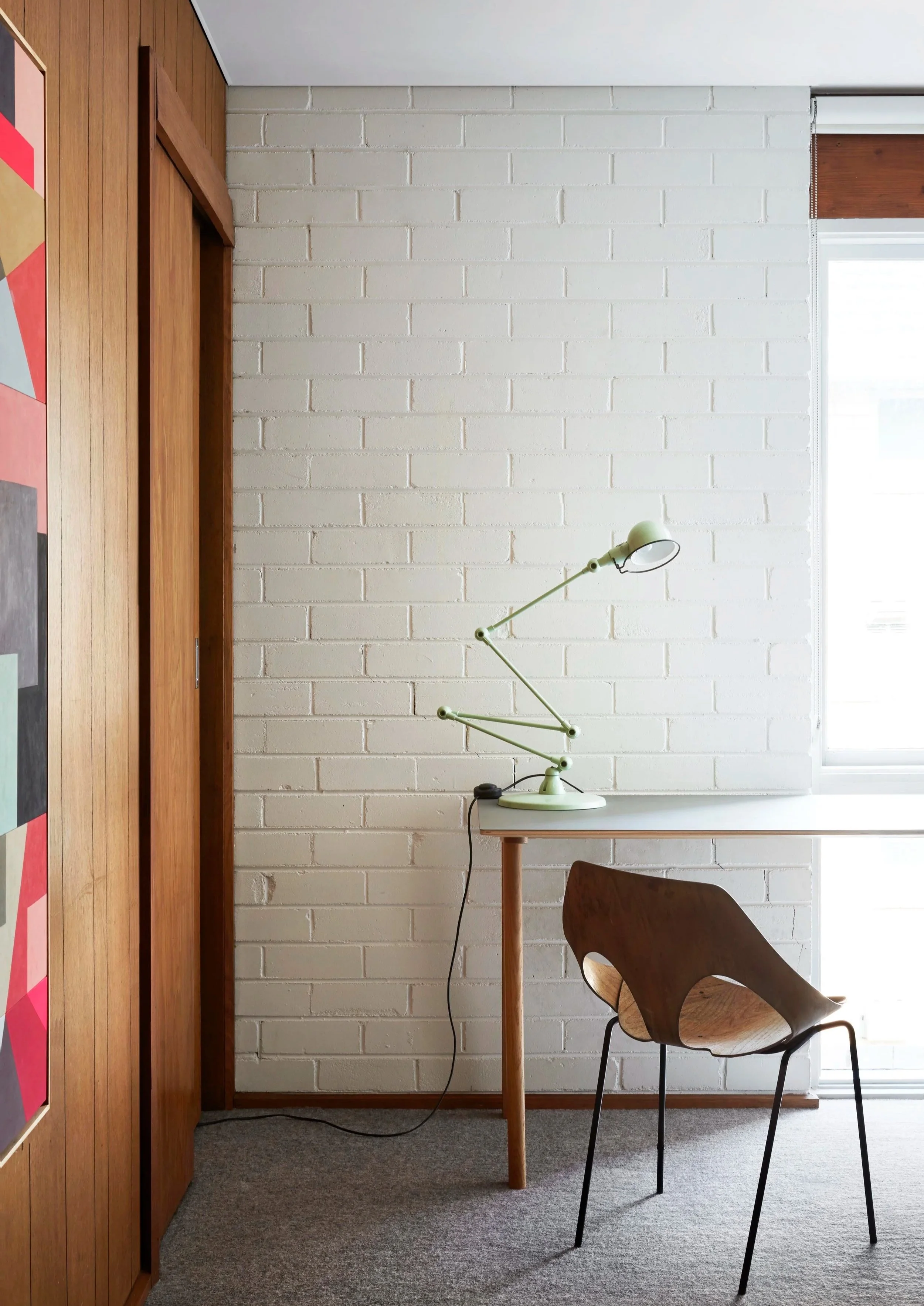
Fitzroy North House by Lisa Breeze. Photo: Caitlin Mills
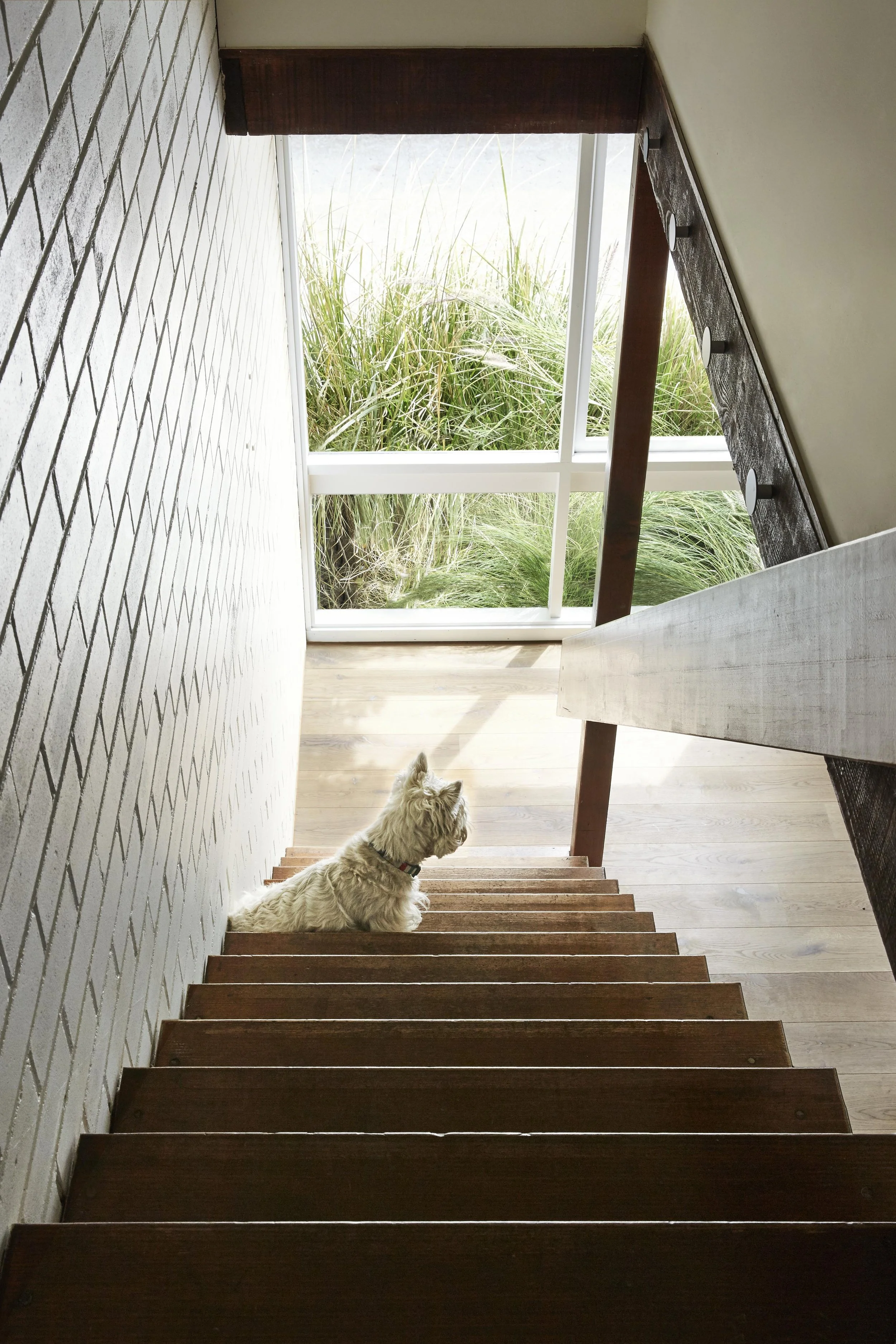
Fitzroy North House by Lisa Breeze. Photo: Caitlin Mills
“I have intentionally kept the practice very small, just me, taking on a limited number of projects at once. This means I have the highest level of care and attention for each project and client.”
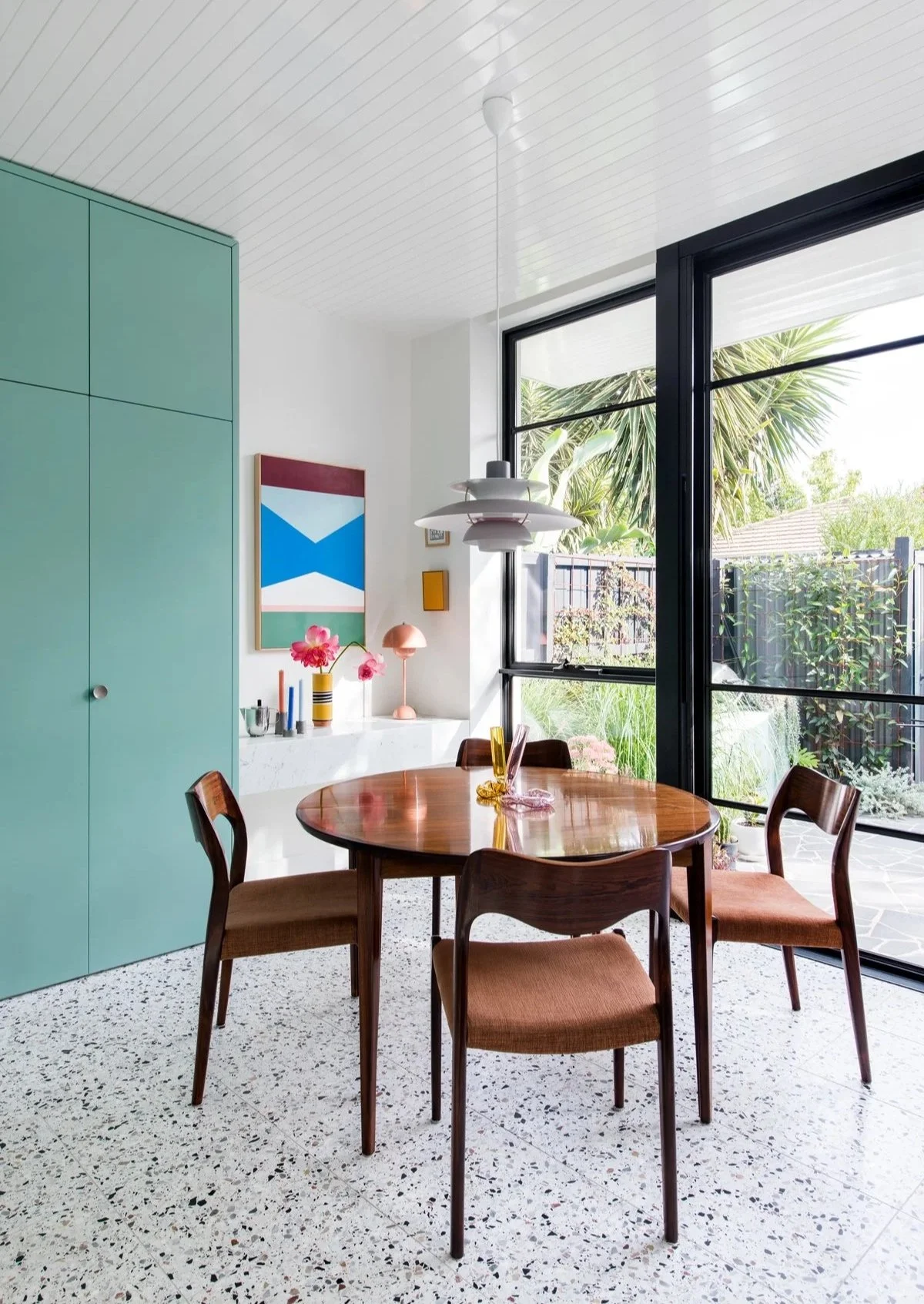
Flemington House by Lisa Breeze. Photo: Catherine Schusler
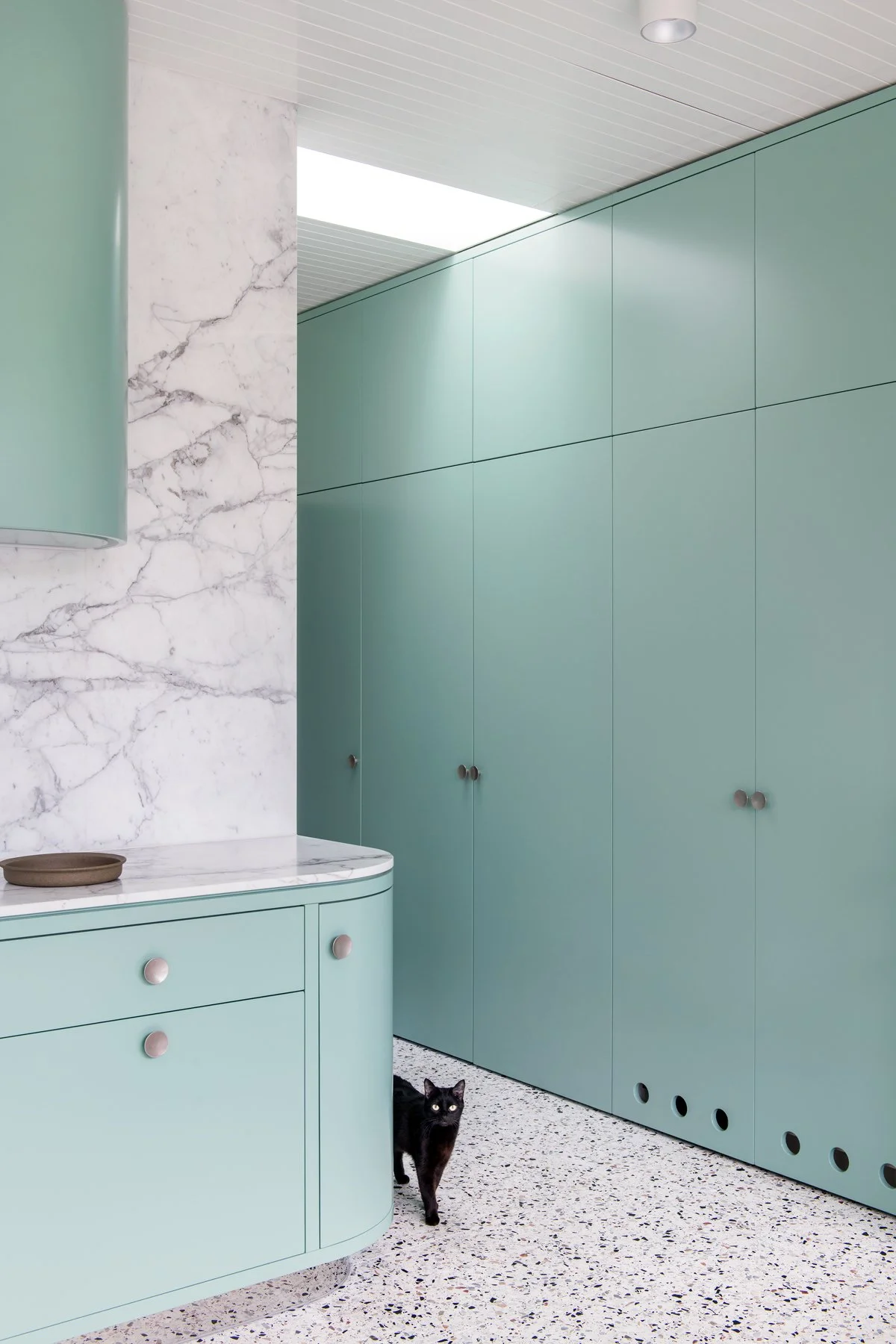
Flemington House by Lisa Breeze. Photo: Catherine Schusler
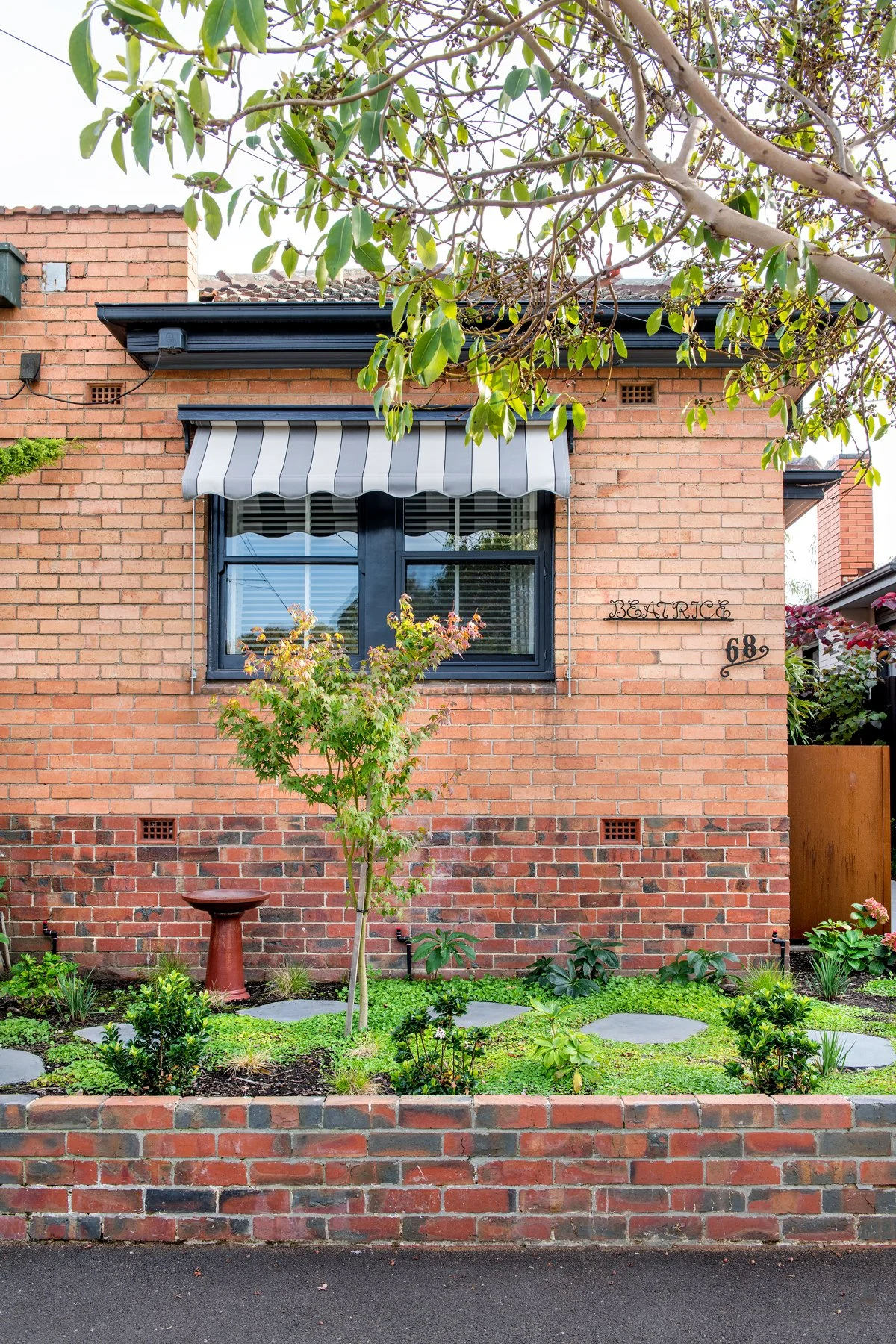
Flemington House by Lisa Breeze. Photo: Catherine Schusler
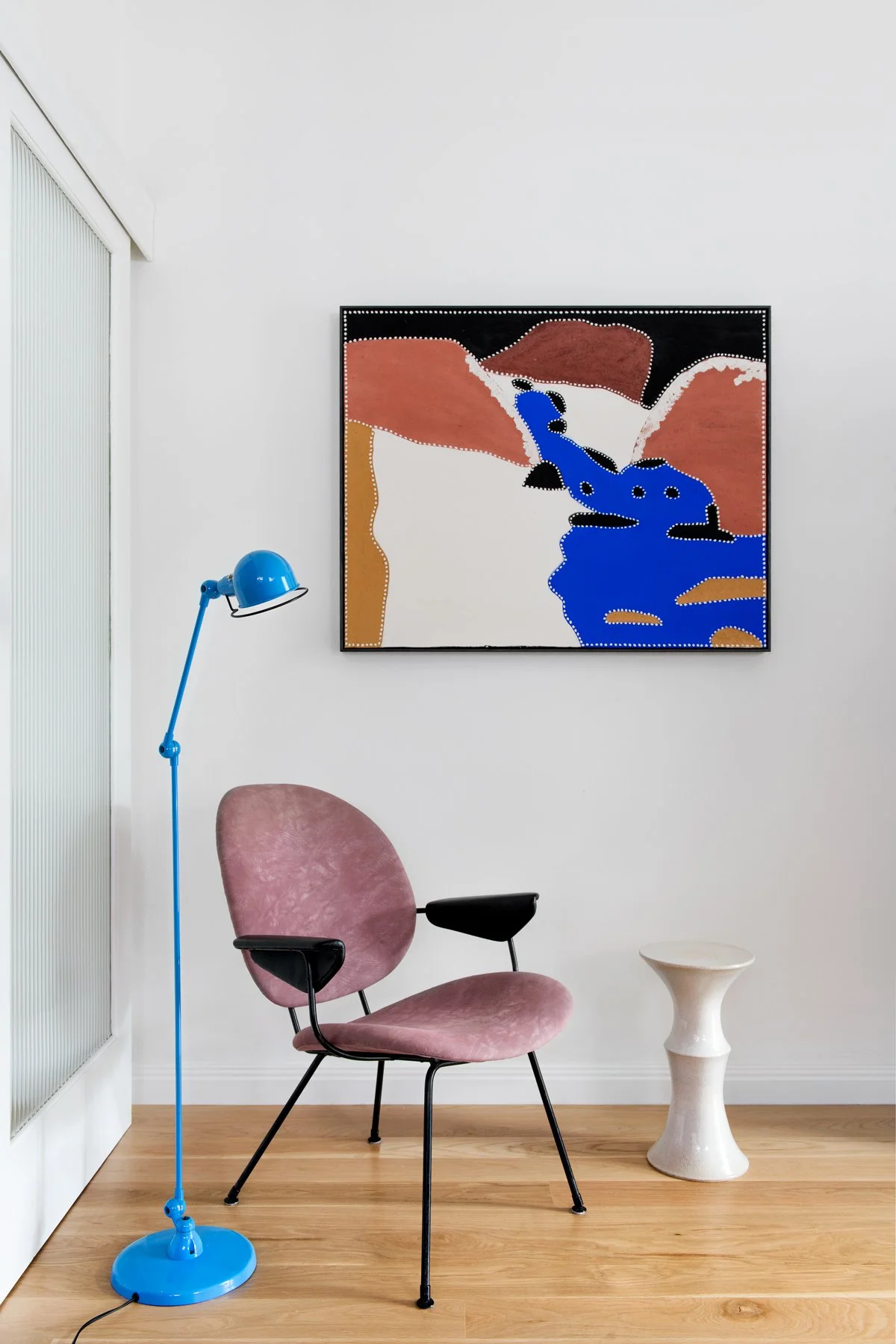
Flemington House by Lisa Breeze. Photo: Catherine Schusler
When you hit a design block, what’s your best way to reset?
Inhale, and take a break from it.
To design a building there are often many things to solve at once. Both creatively and technically. I learnt early in my career not to expect all the answers to come at once. It’s an iterative and evolving process and sometimes stepping back from a design element or issue. For an hour, an evening, or a week if time allows, helps to bring clarity. The answer can come during non-work hours so I’m often emailing myself an idea that comes during a walk or while cooking dinner!
A dream project for you?
Ooo. You know what? I’d love to do a project in my hometown Canberra. It’s a beautiful and spacious and the mid-century housing stock is also very interesting. Though I’ll never be tired of renovating old homes, wherever they are.
A piece of advice you would give someone starting their journey in architecture?
For university: be prepared for the long hours. It’s a tough course, but very rewarding. It’s a solid introduction to problem solving in all aspects. It provides insight into understanding the complexity of design and construction and the breadth of experience, which is possible for a career in architecture.
For early career: be proactive in seeking experience at different practices or with different building typologies and at different stages of the design process. Seek a mentor that can support your goals and is open to teaching and letting you have different exposure and experiences.
For business: when setting up, apart from all the regulatory and practical tasks of establishing a business, be really focused on what type of practice you want, who you want to work for and how you want to work and build from there. In reality this might take a while to achieve but it will help in day-to-day decision making and building the architecture practice.
Where would we find you on a typical Saturday, and what do you love to do to wind down from work?
If only. Full time work in a small business with a young child does not lend itself to a lot of wind-down time. I miss those days! I do think it’s important to take time off each week though. I switch off, log off, disengage from work for a proper weekend each week. I love baking, gardening and in recent years have become a reformer pilates obsessive. Oh, and watching a bit of reality TV… the ultimate way to switch off!
What’s coming up for you this year that you’re most excited about?
I have a newly photographed project ready to publish shortly. Another two are in construction and I’m currently designing a home renovation in the country for a lovely return client.
We try to travel overseas to visit my husband’s family and friends in Italy once a year, so we have that scheduled in too. I can turn a trip into an Architour any day. It’s shaping up to be a busy and exciting year!
Stay up to date with Lisa Breeze here or follow @lisabreeze_archtiect Instagram.
