

Alishia Misevski From Redrose Designs
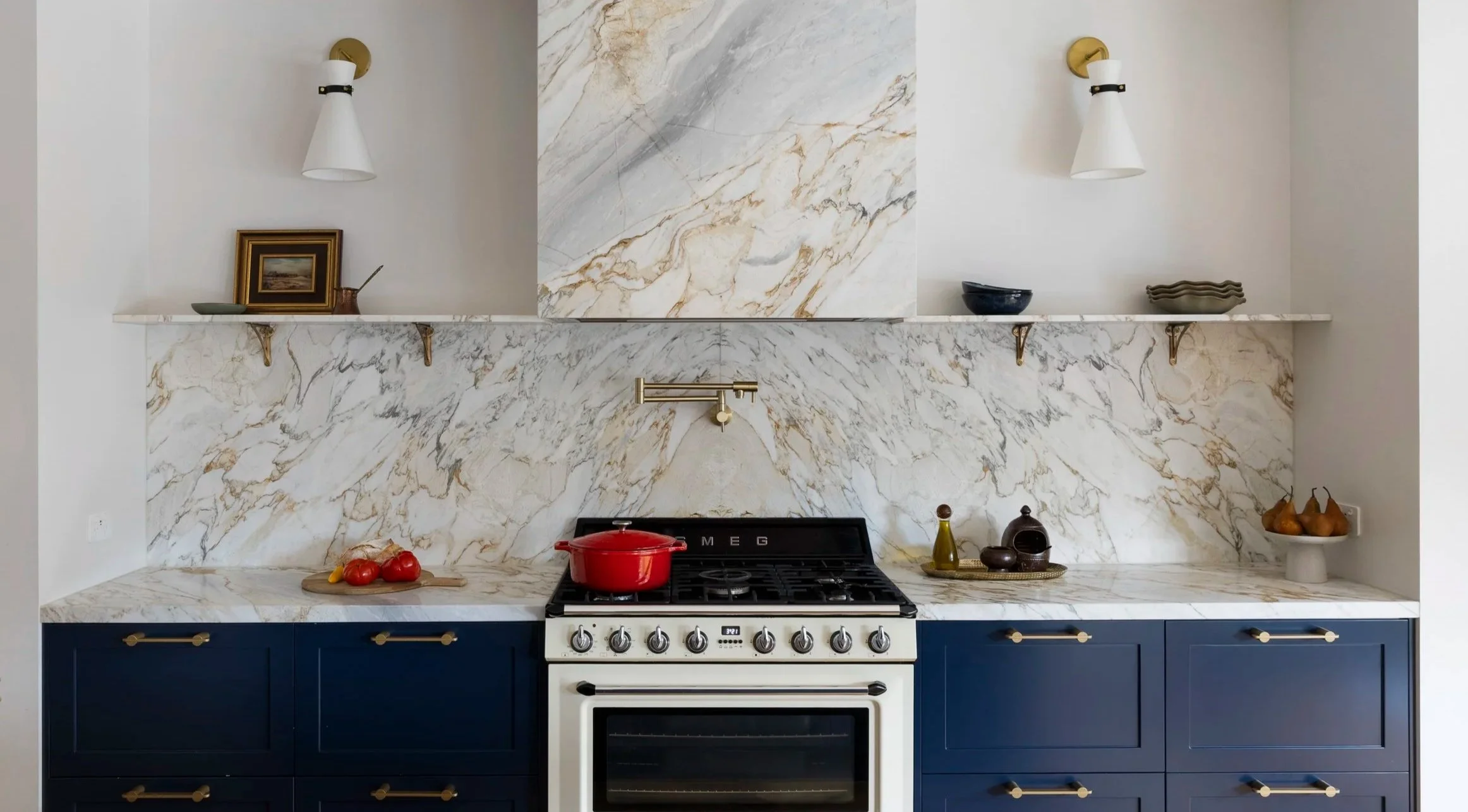
Creative director and founder of Redrose Designs, Alishia Misevski creates accessible interiors designed to be felt, placing emotion at the heart of every space.
Photos THOMAS SALOMAN & KRYSSIA AGIUS
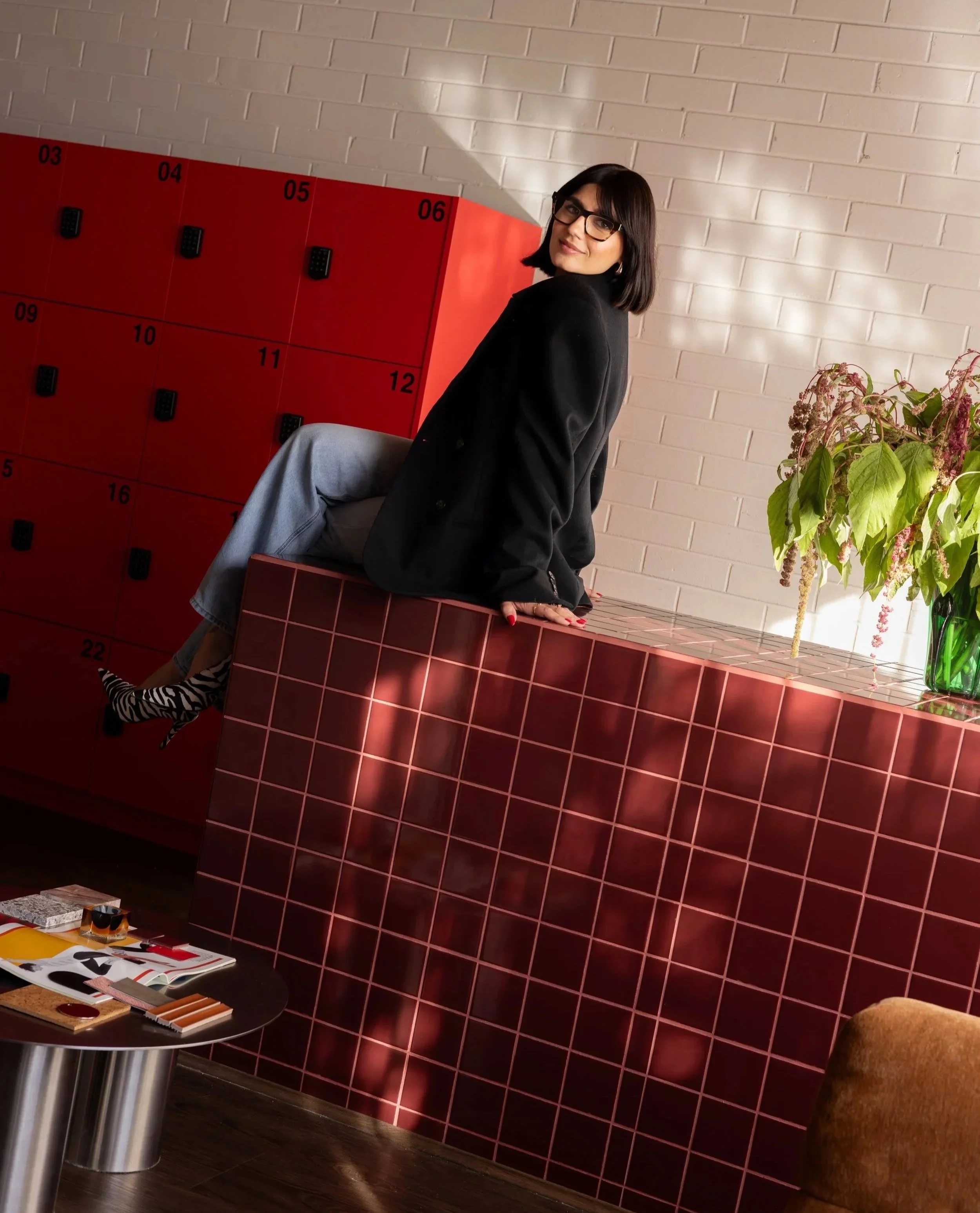
Alishia Misevski is the founder and creative director of Redrose Designs. Photo: Kryssia Agius
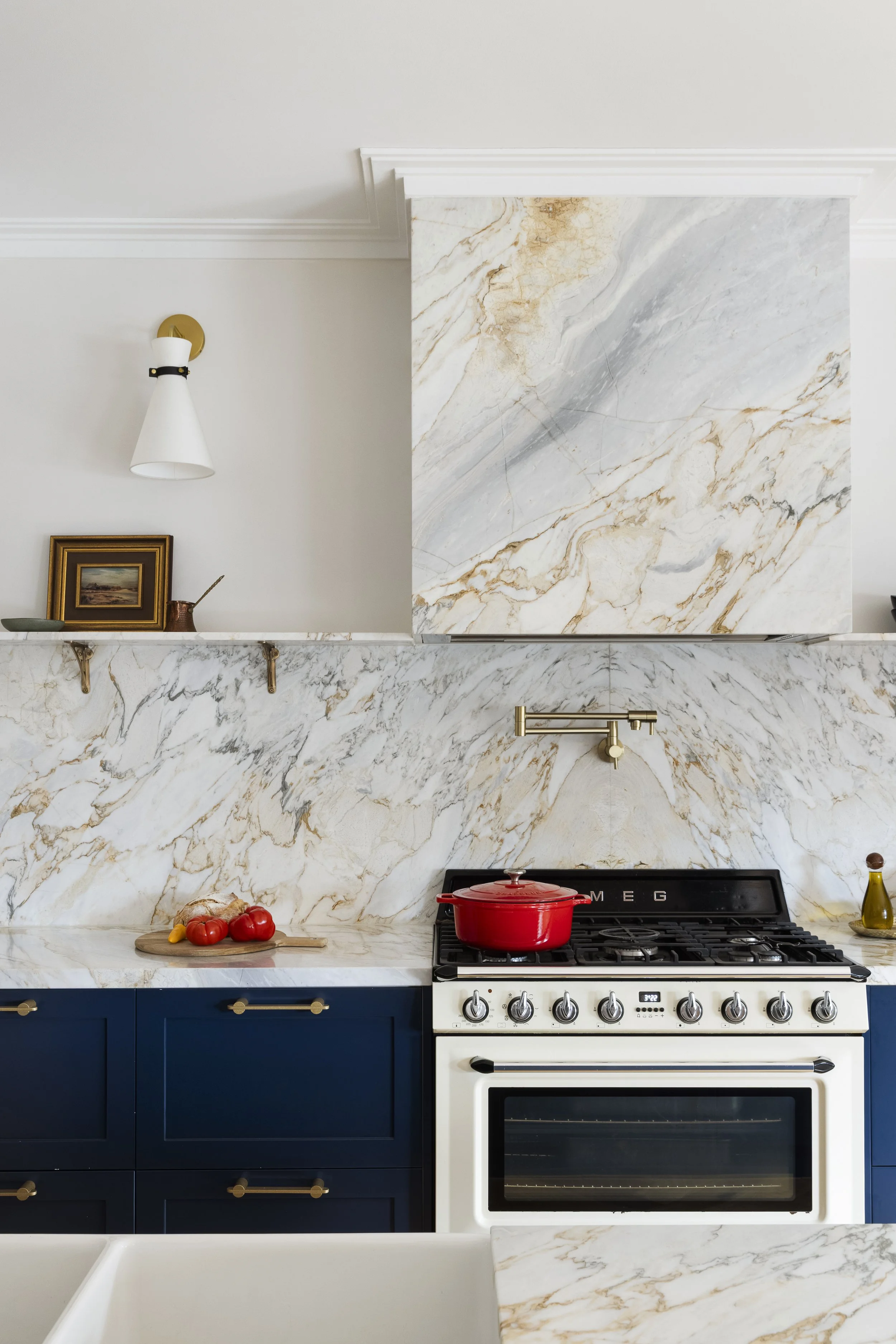
‘Good design isn't a luxury for people with the ‘right’ budget or the ‘right’ body entering the space. It's for every body. So my process is less about styling a room and more about translating a person.’ Photo: Thomas Saloman
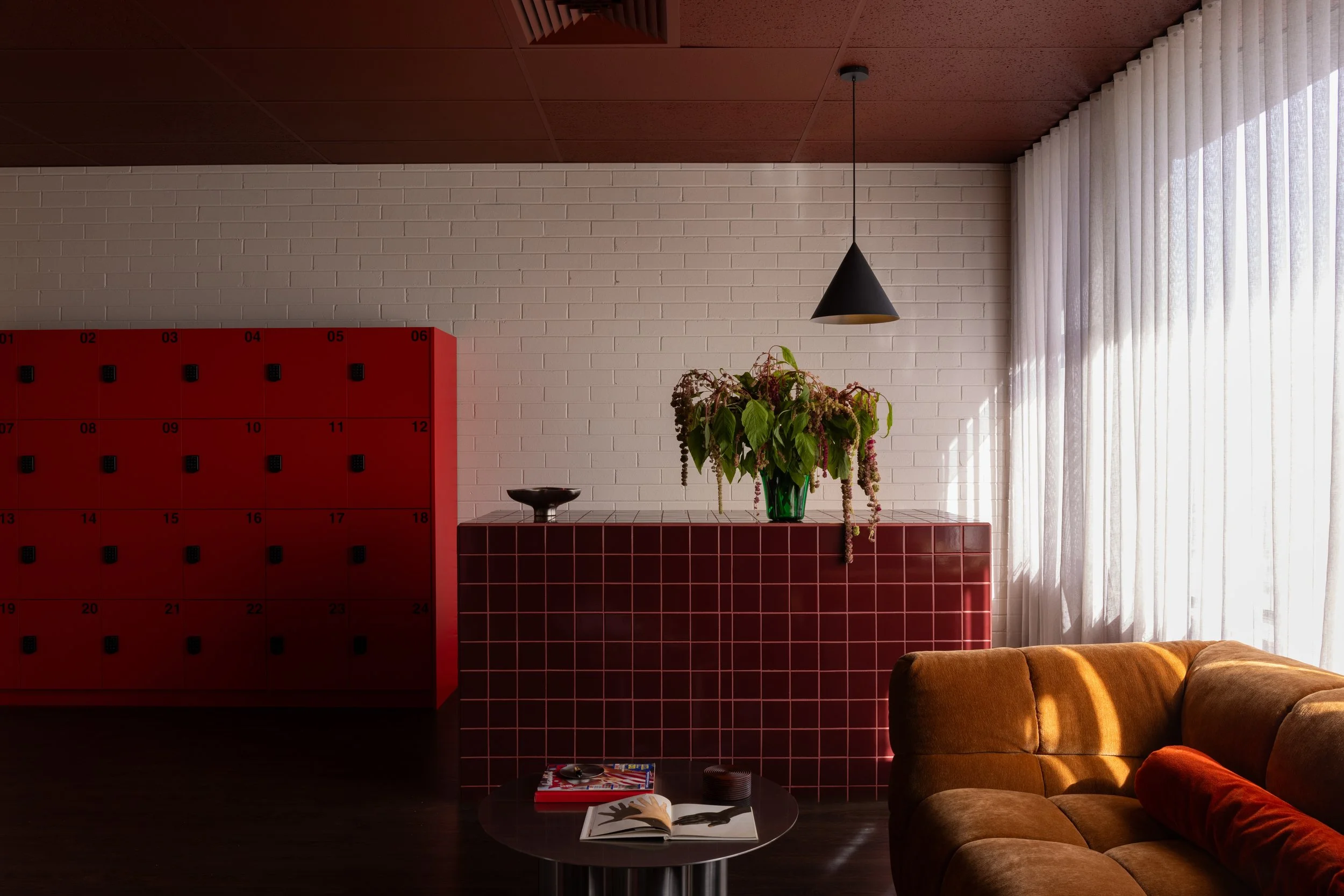
‘Every design choice had to be backed by the customer experience: would this space make me want to get out of bed at 6am? Hell yes! That’s what drove my design.’ Photo: Kryssia Agius
“I want to create rooms that are warm and a little imperfect, lived in rather than performed for a photo – I’m not interested in what’s trending. Trends expire.”
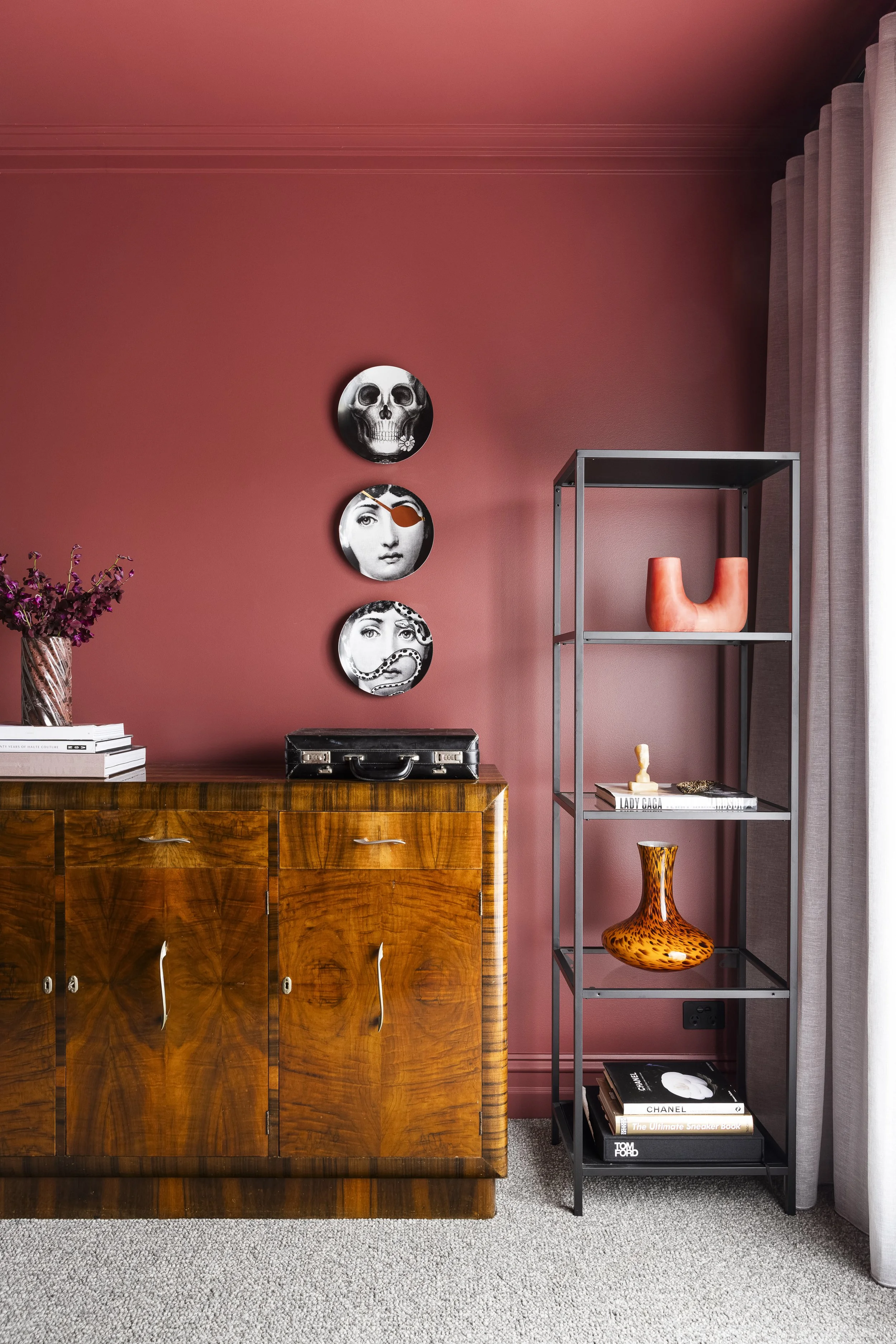
‘I also love watching period films and series—the set design and locations give me so much inspiration. I tend to ‘live’ in that era and begin developing colour palettes and concepts in my mind.’ Photo: Thomas Saloman
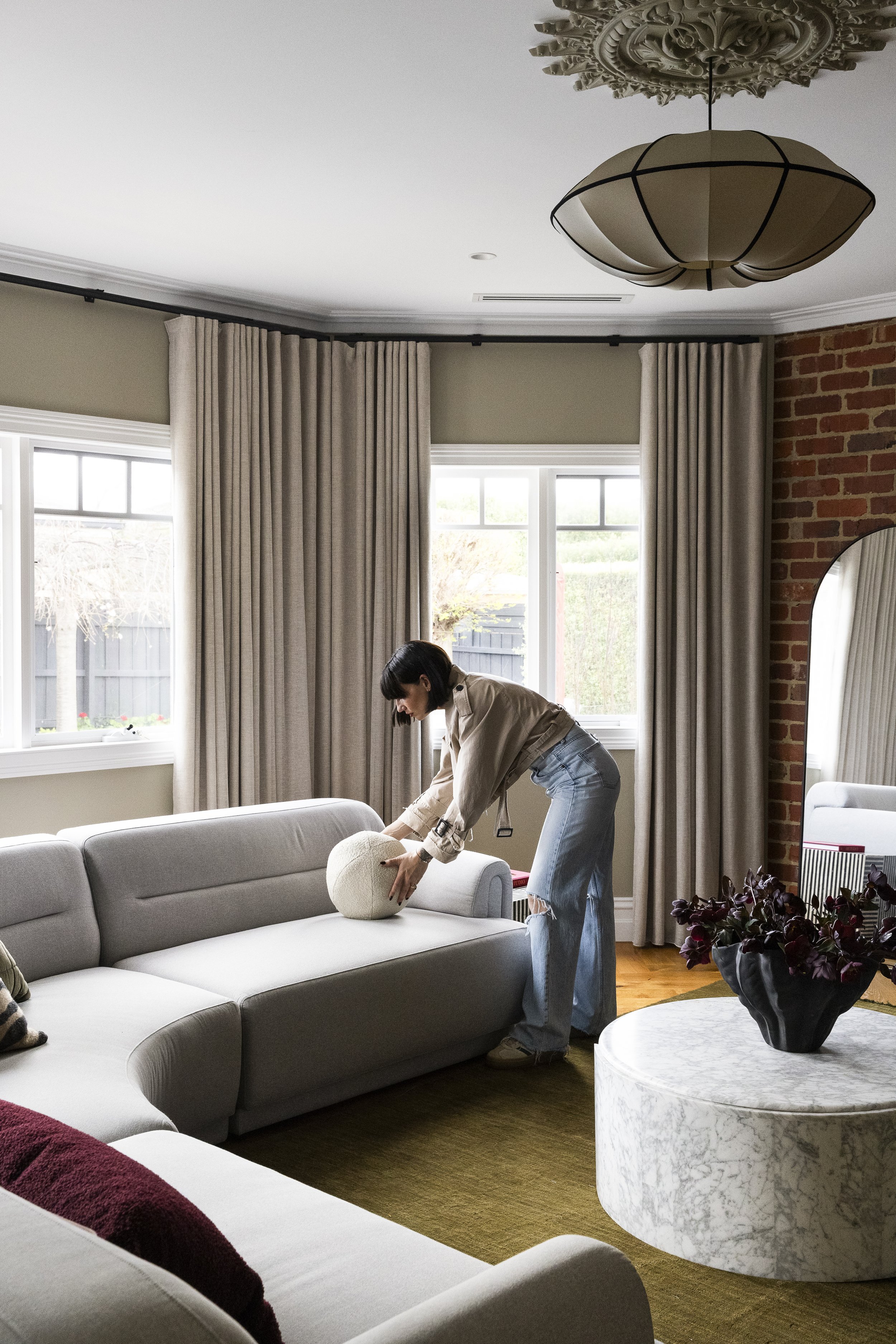
‘All my projects begin with a feeling – how does my client want to feel in the space, from there I’ll usually do a mind map and come up with words associated with that feeling.’ Photo: Thomas Saloman
Hello Alishia—can you introduce yourself?
I qualified from Design School in 2025 and launched my business, Redrose Designs the same year. My passion is to create spaces that set people’s souls on fire. I’m drawn to bold, considered decoration that’s personal and accessible to every body.
Off the clock, I'm mama to my son Attilio, and partner in crime to Lenny, together we make up team Redrose, plus our doggo Fredderick, a mini schnauzer with main-character energy!
What first drew you to interior design?
During my own home renovation, I fell in love with the whole process of designing and creating a space from scratch. Choosing the materials and colours and knowing every single decision made is a true reflection of my taste and how I wanted the space to feel. I really wanted to help give that feeling to others, especially knowing how hard it can be to get there.
Your home, Redrose Residence, was designed as an accessible, step-free space. How did accessibility shape the design of the home?
Basically it meant my fiancé was able to enter the home and also future proofing it for his mobility needs. We prioritised a ramp out the front to connect seamlessly from the driveway and a lift in the backyard to connect to the entertainment area.
Inside the home, designing accessible ‘moments’ meant he was able to finally complete life’s everyday tasks with ease such as make a coffee or wash the dishes. Having these spaces designed to his injury level completely changed the way he was able to live. For the first time since becoming paraplegic, he had a home designed for him.
Were there any accessibility solutions you found particularly rewarding to design, or that surprised you along the way?
I was surprised how easily you could make a space accessible, for example, having a ‘roll in’ shower where there is no door frame. Just a glass screen with wide opening. A simple yet very effective way to be inclusive, create a contemporary design that can be incorporated into any design style and future proof for generational living.
What materials, colours or details do you return to most often in your designs?
Tiles, tiles, tiles! My obsession with tiles began during our renovation, I don’t think I could possibly design a concept without them! From their colour to the way they can be laid to the way they can add such texture continues to fascinate me. I tend to look at tiles like a piece of jewellery. Although they may not be necessarily ‘needed’ they can truly take a space to the next level, the same way a killer statement piece of jewellery can.
Where do you go to for inspiration when starting a new project?
All my projects begin with a feeling. How does my client want to feel in the space, from there I’ll usually do a mind map and come up with words associated with that feeling. I’m a very visual person so once I start developing imagery to go along with those words I can start to build a concept out. I also love watching period films and series—the set design and locations give me so much inspiration. I tend to ‘live’ in that era and begin developing colour palettes and concepts in my mind.
My current obsession (yes, I’m late to the party!) is Outlander. I’m obsessed with Scottish history and the kilts and fabrics, colours, nature, architecture and fashion set in the 18th Century. Like many, Instagram and Pinterest are also great sources, but I’m trying to steer away and turn to books instead. It can really cloud your own style when you’re constantly fed perfectly shot spaces or designers you admire. Whilst I have such admiration for many designers, I don’t want to mimic their style.
You've recently completed designing a pilates studio, how did that differ from designing for a residential space?
Honestly, I found it easier! In the beginning, when I was at the concept stage, I knew what I needed to come up with and realised this was a much easier project than designing an entire home. The main difference for me was knowing that not only did the space have to look beautiful, but it also had to be functional and feel really good to be in. There are so many Pilates studios, so how could I make this space feel different while ensuring the client experience remained at the forefront of my design?
Having a background in hairdressing, I brought my lived experience of working in the service industry and designed through the lens of the customer. Every design choice had to be supported by the customer experience: would this space make me want to get out of bed at 6 am? Hell yes! That’s what drove my design.
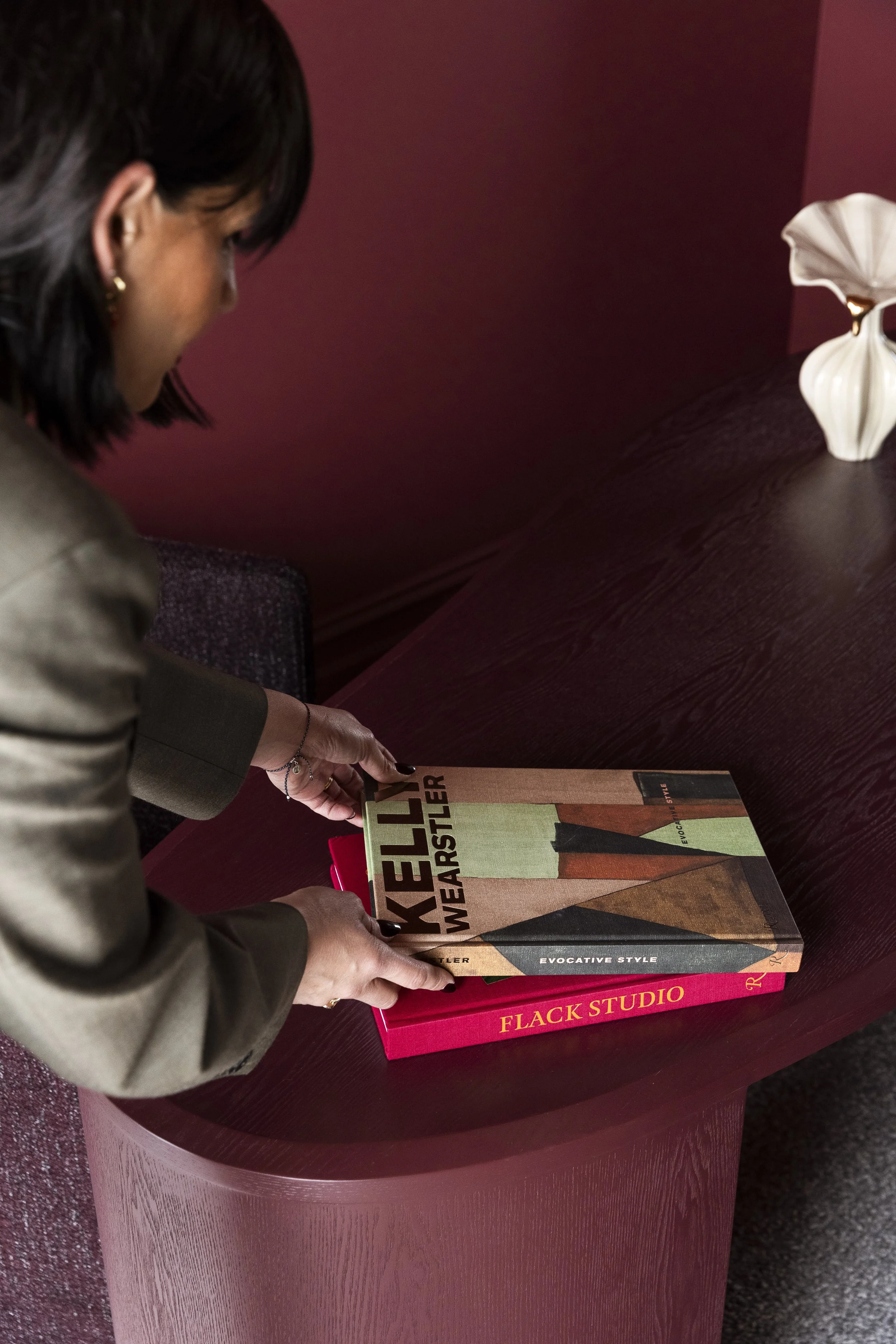
‘My process doesn't start with a mood board. It starts with a feeling, what someone wants to feel when they walk through their own front door after a long day.’ Photo: Thomas Saloman
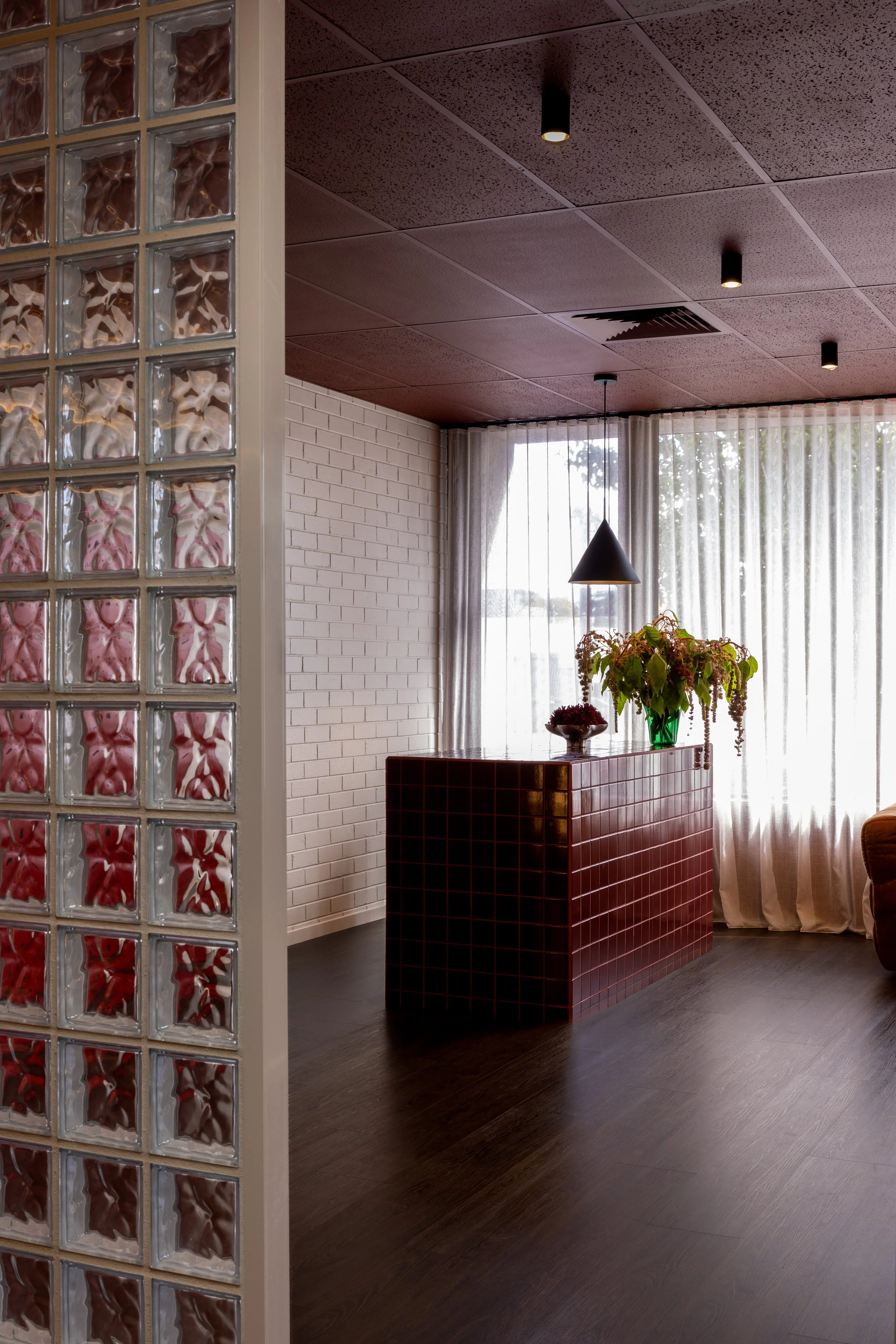
For Alishia Misevski, Rituel Project was driven by one design brief: to create no ordinary pilates studio. Photo: Kryssia Agius
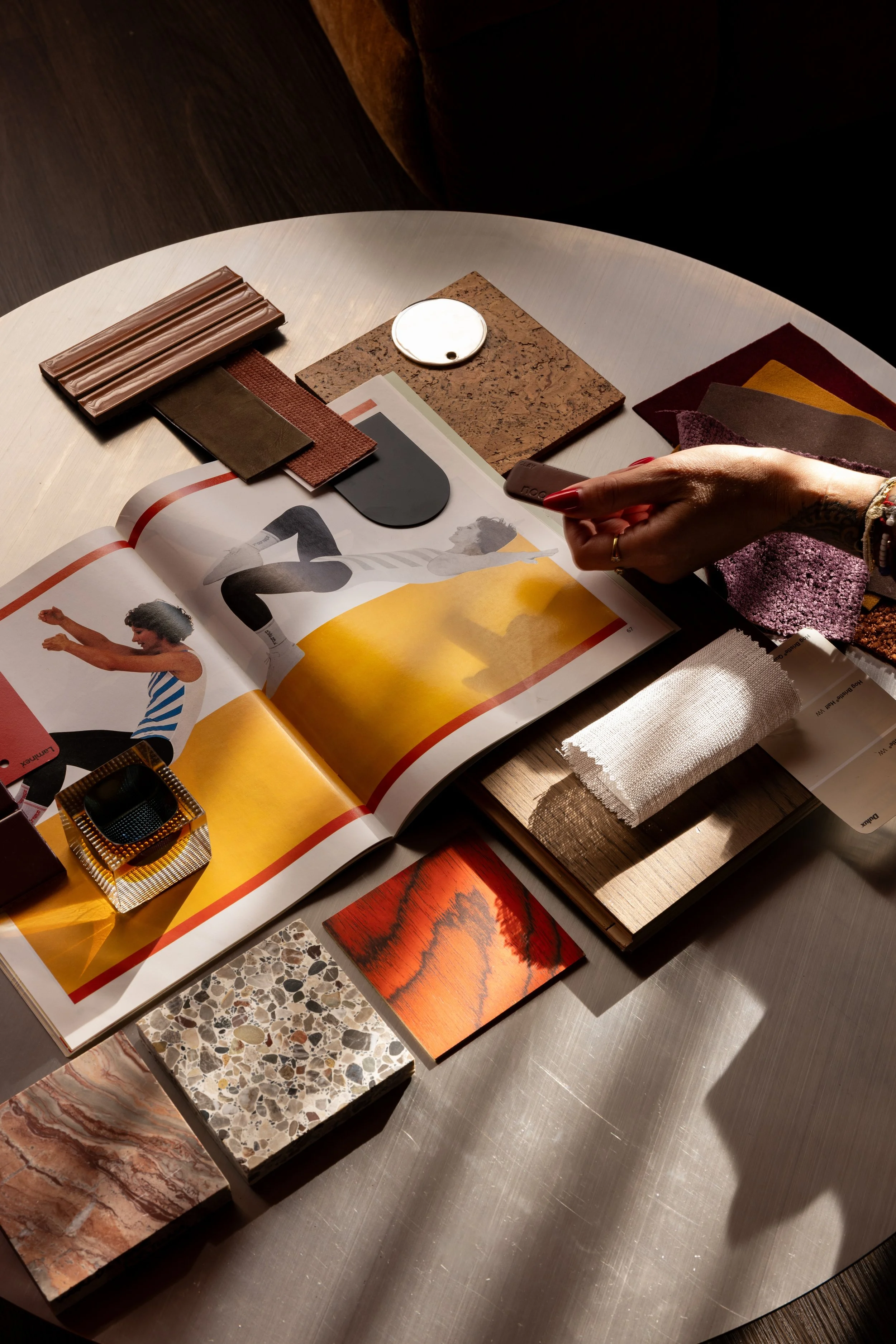
‘My obsession with tiles began during our renovation, I don’t think I could possibly design a concept without them!’ Photo: Thomas Saloman
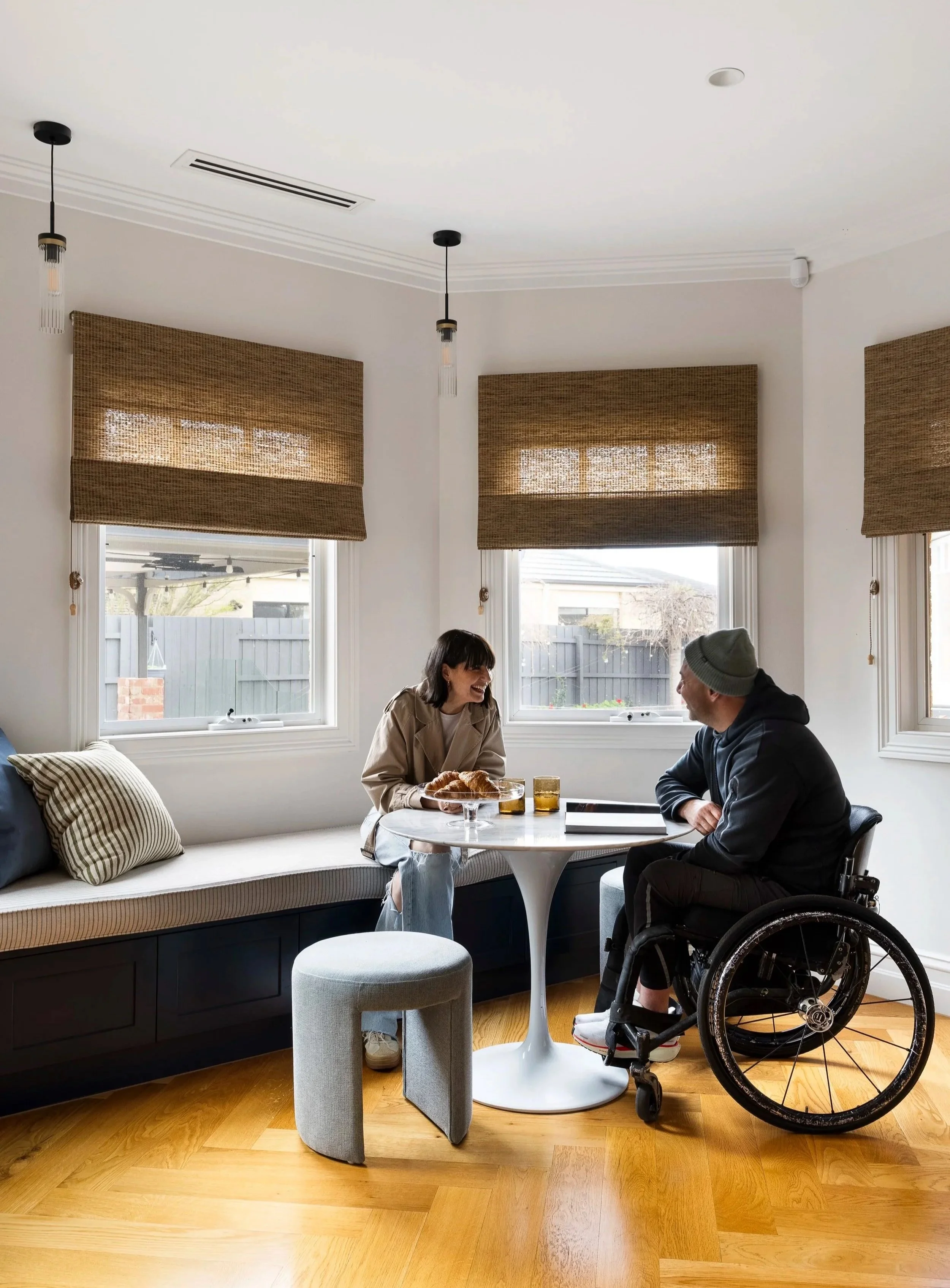
Alishia Misevski at home with her fiancé, Lenny Redrose. Photo: Thomas Saloman
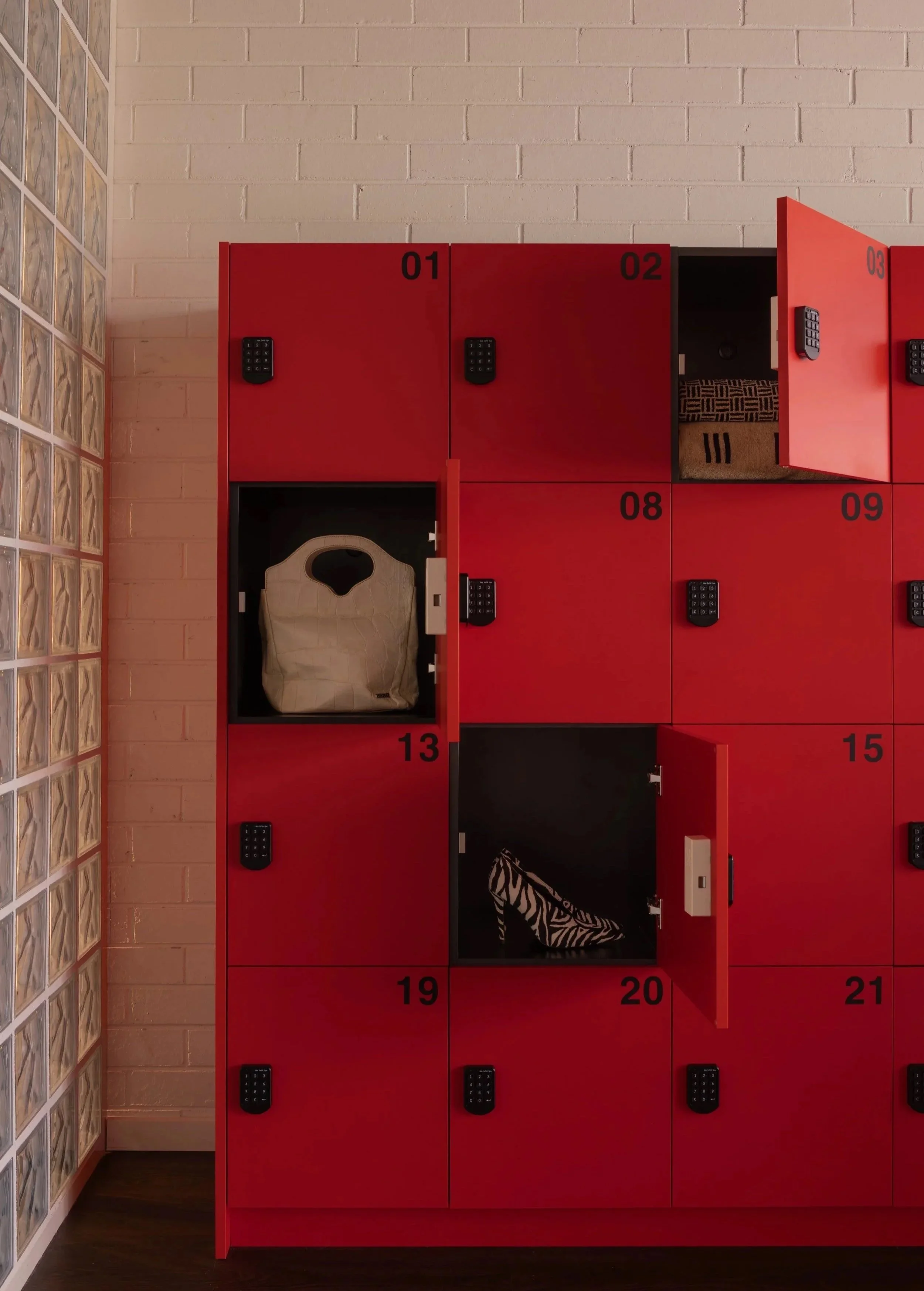
Photo: Kryssia Agius
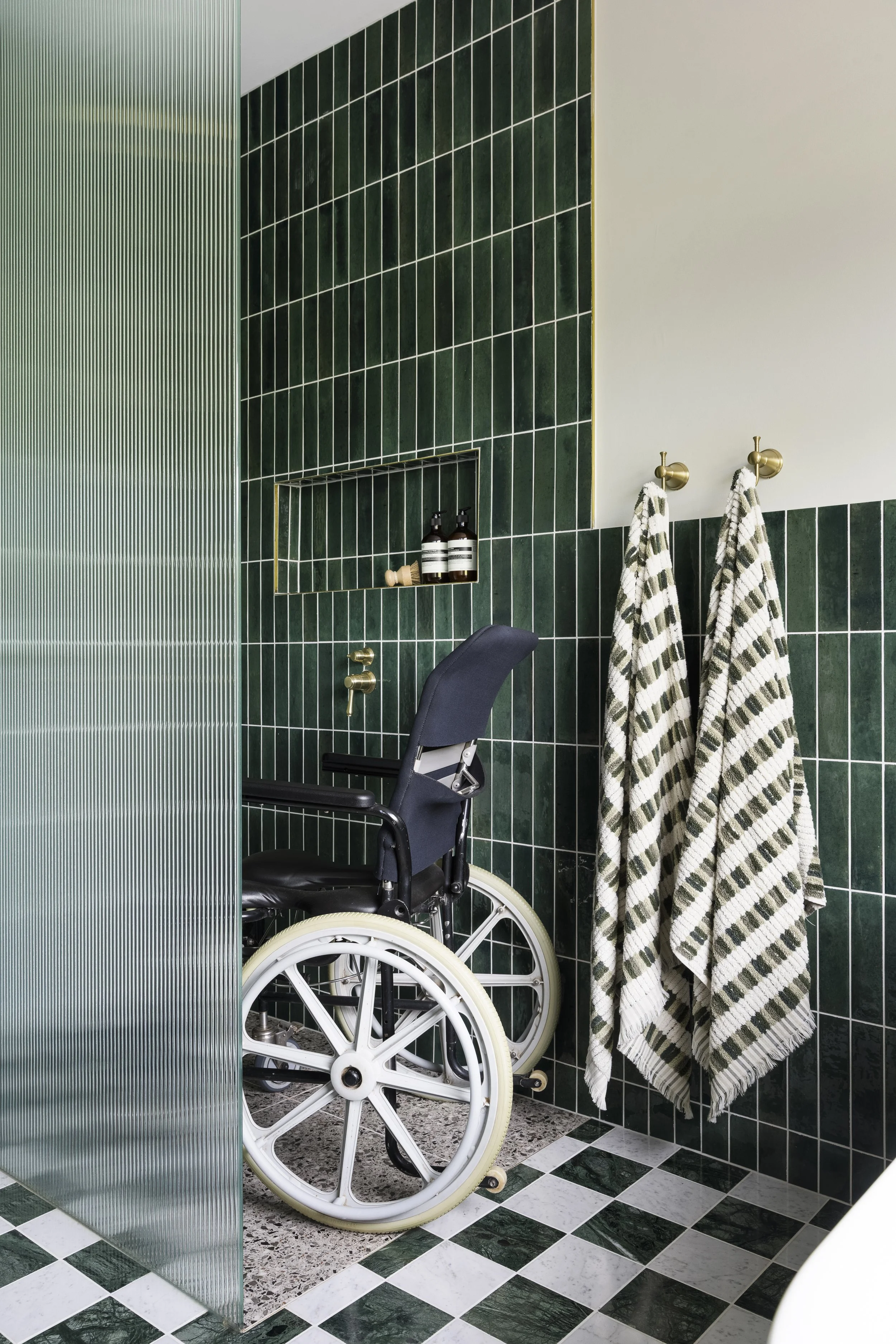
The shower is designed as a ‘roll in’ zone, so that it’s easily accessible and future proofed for generational living, without forsaking the design. Photo: Thomas Saloman
What does your creative process look like?
My process doesn't start with a mood board. It starts with a feeling, what someone wants to feel when they walk through their own front door after a long day. Before I ever designed a room I spent fifteen years behind a chair, listening to people while my hands worked. Hairdressing taught me to hear what someone isn't saying out loud, what they're drawn to, what ‘home’ actually means to them underneath the Pinterest boards. I bring that exact instinct into every project now.
There's an Italian stubbornness in me too, a refusal to make a space feel sterile or staged. I want to create rooms that are warm and a little imperfect, lived in rather than performed for a photo – I'm not interested in what's trending. Trends expire. I'm interested in what’s true to the person, true to how they actually live (or work) because that's the only thing that still feels right in years to come. Good design isn't a luxury for people with the ‘right’ budget or the ‘right’ body entering the space. It's for every body. So my process is less about styling a room and more about translating a person.
What does a ‘typical day’ in the studio involve, and how do you stay organised?
I'll admit it, I’m a perfectionist through and through. Call it my Libra nature but if my workspace isn't in order I feel it internally. Chaos outside becomes chaos inside so organisation isn't optional for me, it’s how I create the headspace to actually be creative. My mornings start the same way everyday: coffee in hand, natural light on my face before I even touch my phone. That five minutes sets the tone for everything after it. After checking emails, I then get into the real work: concept design, research, sourcing or checking in with clients on where their project's at.
Becoming a mother two years ago changed how I work more than anything else. When someone that small relies on you, you simply cannot afford to waste time. Every hour I spend working is an hour away from my son, so I've built processes, both creative and administrative that keep every project moving with intention.
When you hit a design block, what's your best way to reset?
Get up and move. So simple, and I wish I had adopted this more during my studies. My toxic trait is hyper focusing on something. Recently I’ve started to physically leave my office and go for a walk or have a chat with my fiancé or my sister (my go-to people to reset) about something completely non-design related and given my mind a break. Generally whatever I was stuck on will reveal itself the moment I stop thinking about it!
A piece of valuable advice you'd give someone starting out as an interior designer?
Never short sell yourself, even when you're just starting out. Especially when you're just starting out. Know your worth, know the value of what you bring to the table and don't be afraid to charge for your time and your expertise. You worked hard to get here. Don’t apologise for it.
Who or what are you looking to right now for inspiration, inside or outside design?
Looking to exploring more books and get out to vintage stores. Living on the Peninsula we have so many vintage sheds and antique shops bursting with incredible goods. I love to go and just walk around aimlessly to get lost in these old world treasures. Seeing random objects or items from my childhood tends to spark joy which then leads to inspiration. Making more of an effort to venture outside and let nature inspire me. I’ll never tire of watching the sunset over our beautiful beaches.
A dream project for you?
An Art Deco heritage home. Hands down my favourite design era. There's something about the detailing of that period, the geometry, the craftsmanship, the sheer confidence of it, that’s what I'm endlessly drawn to. Getting the chance to work on a project with that much inherent character to honour its origins, while bringing it back to life for the way we live now would be an absolute dream.
Where would we find you on a typical Saturday?
A typical Saturday morning you'll find me blasting my favourite R&B while smashing through housework while my son's off at soccer – riveting, I know! From there it's a family day, a scenic drive in my fiancé's 1962 ragtop Impala before we round it all off at the pub for a parma!
What's coming up for you that you're most excited about?
Right now I've got two commercial projects on the go, both nearing completion which means the fun part is next, planning the photoshoots and launch party! I'm loving the slow, organic growth of my business. I'm in this for the long haul so I don't feel the pressure to rush or take on more than I can.
We’re also heading to Spain in September for our first overseas holiday as a family, where we’ll watch Lenny compete in the IHF Wheelchair Handball World Championship, and I can’t wait! There’s nothing like being in Europe to fill the creative well. I’m so ready to embrace the warmth, enjoy a much-needed break and soak up a little dose of la dolce vita before we return and get back into it!
Stay up to date with Red Rose Designs here or follow @redrose_designs
