

Brahman Perera

Melbourne-based interior designer Brahman Perera draws on his architecture and fashion design background, lovingly designing opulent, layered and utterly magical spaces.
Photography: Lillie Thompson & Nikki To

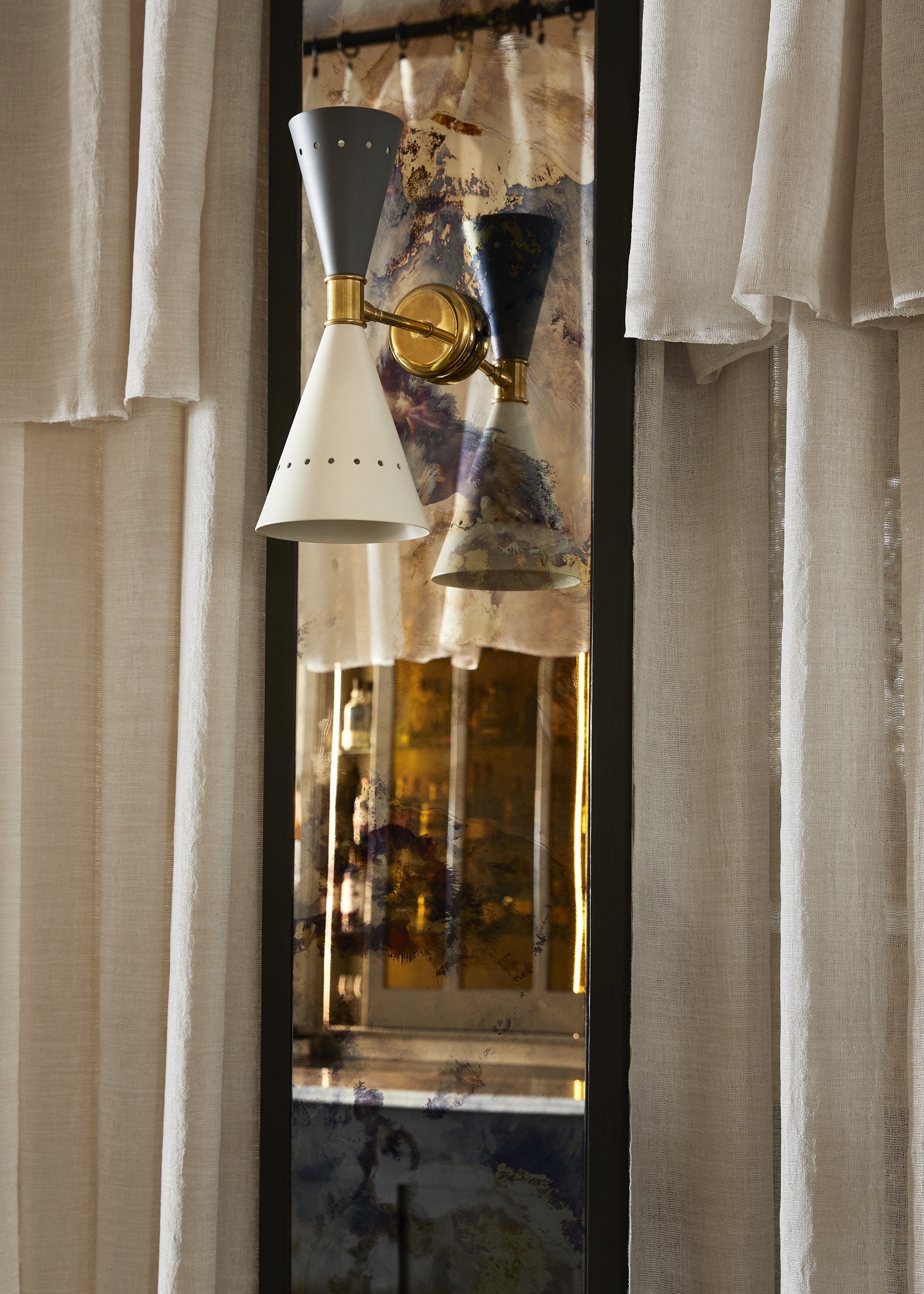
Entrecôte Prahan designed by Brahman Perera. Photo: Lillie Thompson


H&F: Hi Brahman, tell me about your journey to where you are today…
Brahman: After studying a Bachelor’s in architectural design and a Master’s in architecture, I actually spent a few years working in fashion design and curation before working for some renowned Melbourne-based interior design studios.
I went out on my own and launched my own practice in early 2020, which stemmed from my steadfast belief in personal philosophies as a designers and also excitement to collaborate closely with clients.
Your background extends from fashion and bespoke lighting to interior design and architecture – how does all your experience come together in your work?
I believe that all types of creative disciplines can inform each other in different ways, the more the merrier. Fashion and textiles play a very important role in interior design and the interior space for its tactility, movement, feel and warmth.
Experimentation has also always been critical to my process and I love taking an active role in various practices: painting, sewing, sculpting, etc. It may not always yield the right results but it enhances my appreciation of the collaborators I work with and allows me to understand the limitations and capabilities of different disciplines.
Has creativity and design always played a big part in your life?
My creative understandings are about feeling – they’re personalised, layered, tactile and romantic. My Sri Lankan heritage and upbringing undoubtedly influences the way I see the world, which is likely to come through in my work, but it’s a rich and evolving world view, not a cultural trope. I think the inclusion of diverse voices is integral in strengthening Australia’s design identity and promoting a culture of inclusivity in the industry.
Is there a common misconception people have about your job?
I don’t know if there are precise misconceptions about design, but I do think it can get forgotten just how important client relationships are. Some projects can last years, so it’s important to have the right communication and understanding with yourself and your client.
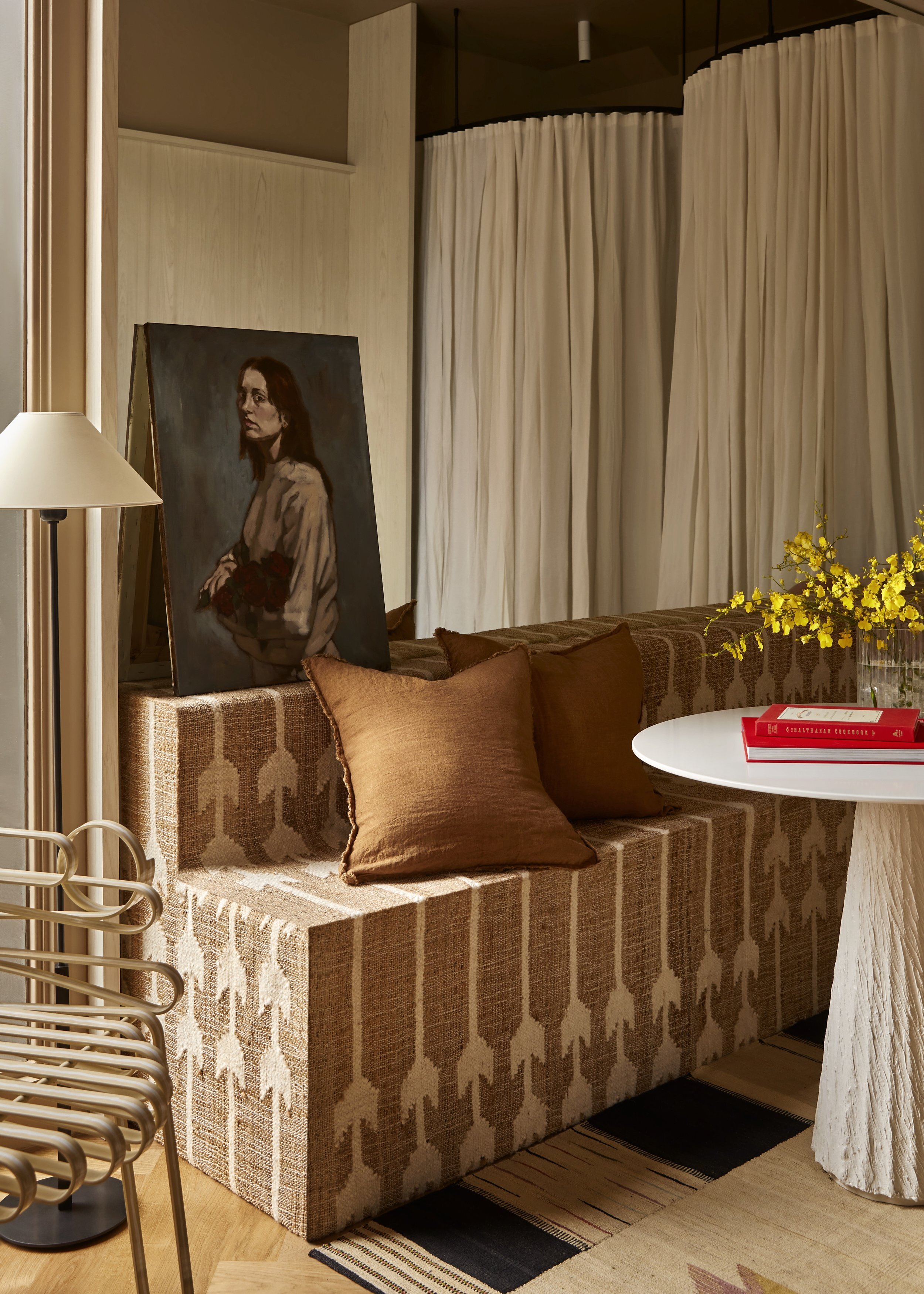
Henne designed by Brahman Perera. Photo: Lillie Thompson
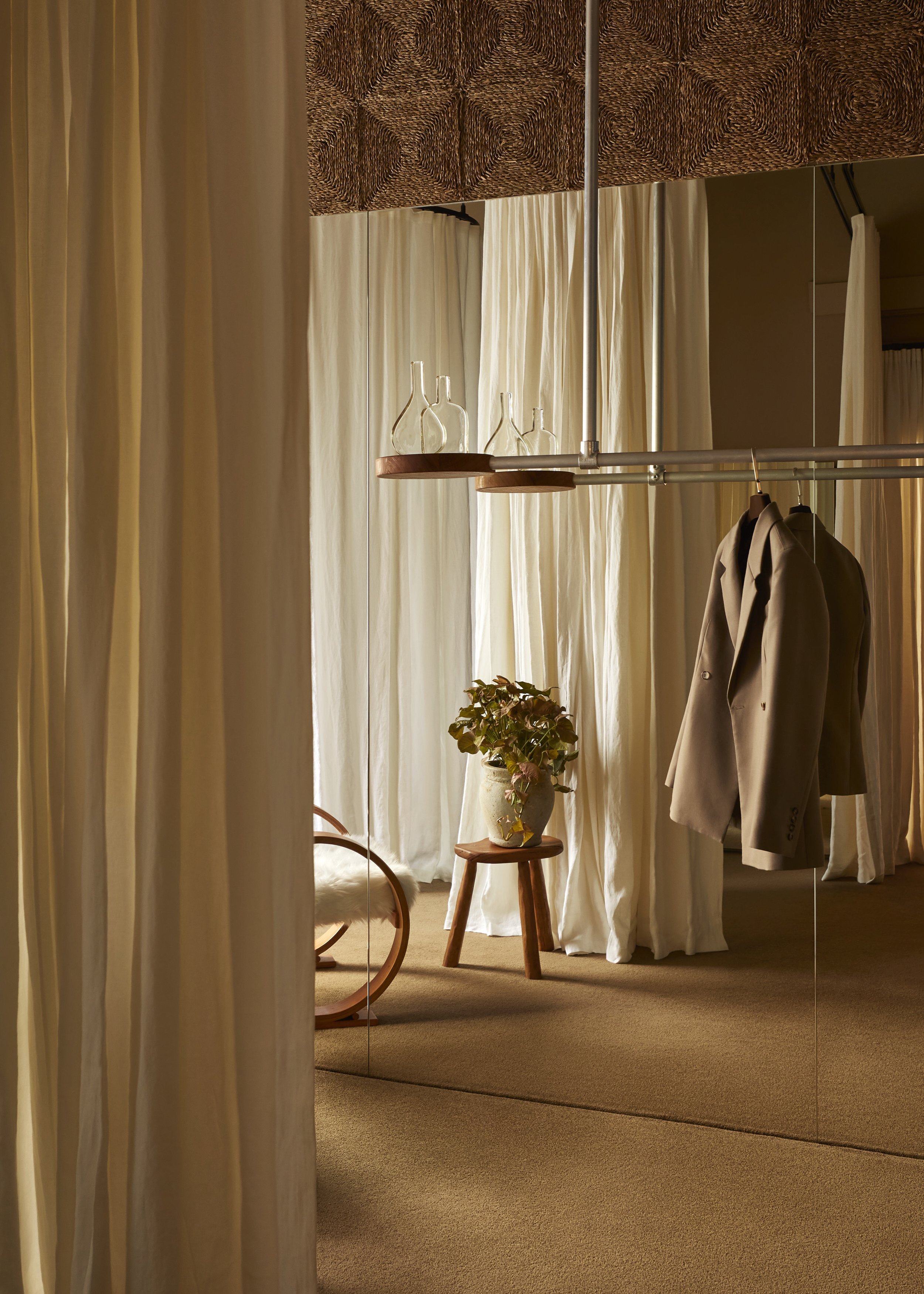
Henne designed by Brahman Perera. Photo: Lillie Thompson

Henne designed by Brahman Perera. Photo: Lillie Thompson

Henne designed by Brahman Perera. Photo: Lillie Thompson
“I think the inclusion of diverse voices is integral in strengthening Australia’s design identity and promoting a culture of inclusivity in the industry.”

Ursula’s Paddington designed by Brahman Perera. Photo: Nikki To

Entrecôte Prahan designed by Brahman Perera. Photo: Lillie Thompson
“Designing for hospitality forges a whole other set of challenges and requirements, but emotional and experiential qualities are at the core of every project I do.”

West Block designed by Brahman Perera. Photo: Lillie Thompson

West Block designed by Brahman Perera. Photo: Lillie Thompson
What did you study at school – do you think it’s influenced how you work today?
Well, university was all about architecture for me, but before that, in high school, I was very drawn to english and literature subjects. In my practice as an interior designer, I definitely see a through line between the written story and the way a designer has to visualise a space to a client that does not yet exist.
What keeps you interested and inspired?
Inspiration yields itself from all over the place for me. It can sometimes be hard to keep up but I try and stay engaged in the Australian arts landscape: from small local galleries to the theatre. Food and dining culture is also very important to me, the philosopher Epicurus wrote, ‘Not what we have, but what we enjoy is what constitutes our abundance,’ and I like to think I try and practice that… with some moderation.
How do you balance the work/life juggle?
Le Corbusier once said that a house is a machine for living in, and for me that sentiment has never been truer since the start of the pandemic and our working-from-home culture. Our homes are now our workspace, our place of rest and nourishment and even our theatre stage. Honestly I’m not sure if I do balance what is work and what is life, they can feel so entwined.
You have designed many dining locations – what do you love most about designing these spaces?
Designing for hospitality forges a whole other set of challenges and requirements, but emotional and experiential qualities are at the core of every project I do. Restaurants and dining spaces really are an asset to a community, they are spaces for celebration, connection and conviviality, so you really have to see the space as an organic entity, constantly in a state of flux. Intuitively though, I try and consider all interiors with a hospitable lens, ensuring protects are approachable, tactile and memorable.
For you, what’s the main difference in designing a residential space as opposed to a restaurant?
A residential project will usually have a much more layered complexity to it with the inherent homeowners sentiment, and they’re never a blank canvas. Memories, lifelong possessions all have to considered and honoured in a Proustian way. Restaurants don’t serve that same delicate sensitivity of someone’s private space, but I do believe they should envelop its occupant in a similar warmth and kindness.
What’s the most important piece of advice you would give a designer starting out?
I think that like in most creative industries, the path is not straightforward and simple. It may sound trite, but there is no doubt in my mind that the relationships you can build in the industry will form the foundations of what you can create for yourself and your practice.
What’s coming up for you this year?
I’m continuing to develop a collection of custom furniture and lighting pieces reflecting my interest in materiality and making – it’s intuitive, experimental and visceral.

