

Kristin Burgham
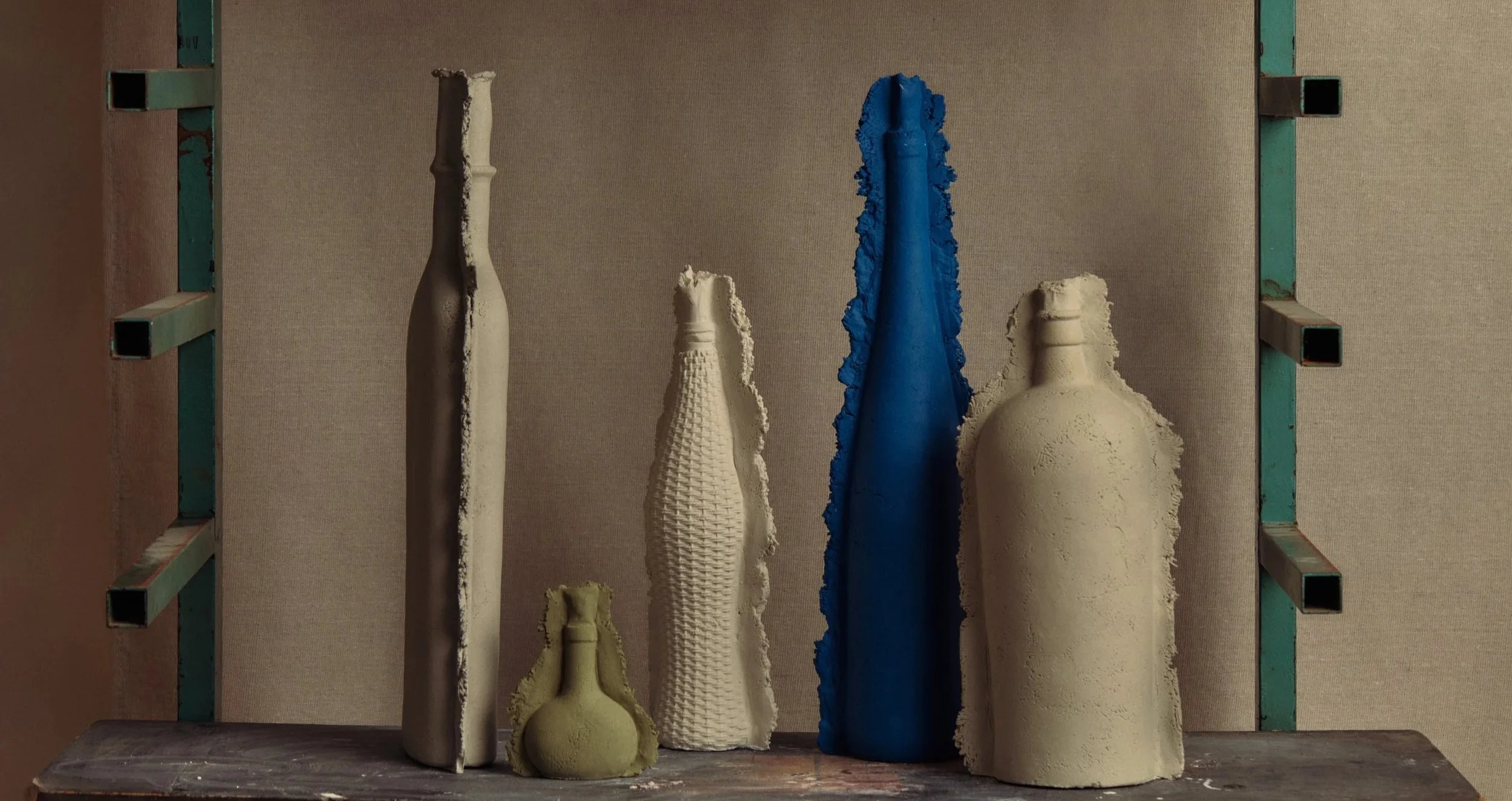
Working from her South Melbourne studio, ceramicist Kristin Burgham uncovers the stories of unknown makers – finding them in the seams, lines and traces of the objects we leave behind.
Words HANDE RENSHAW Photos SARAH FORGIE
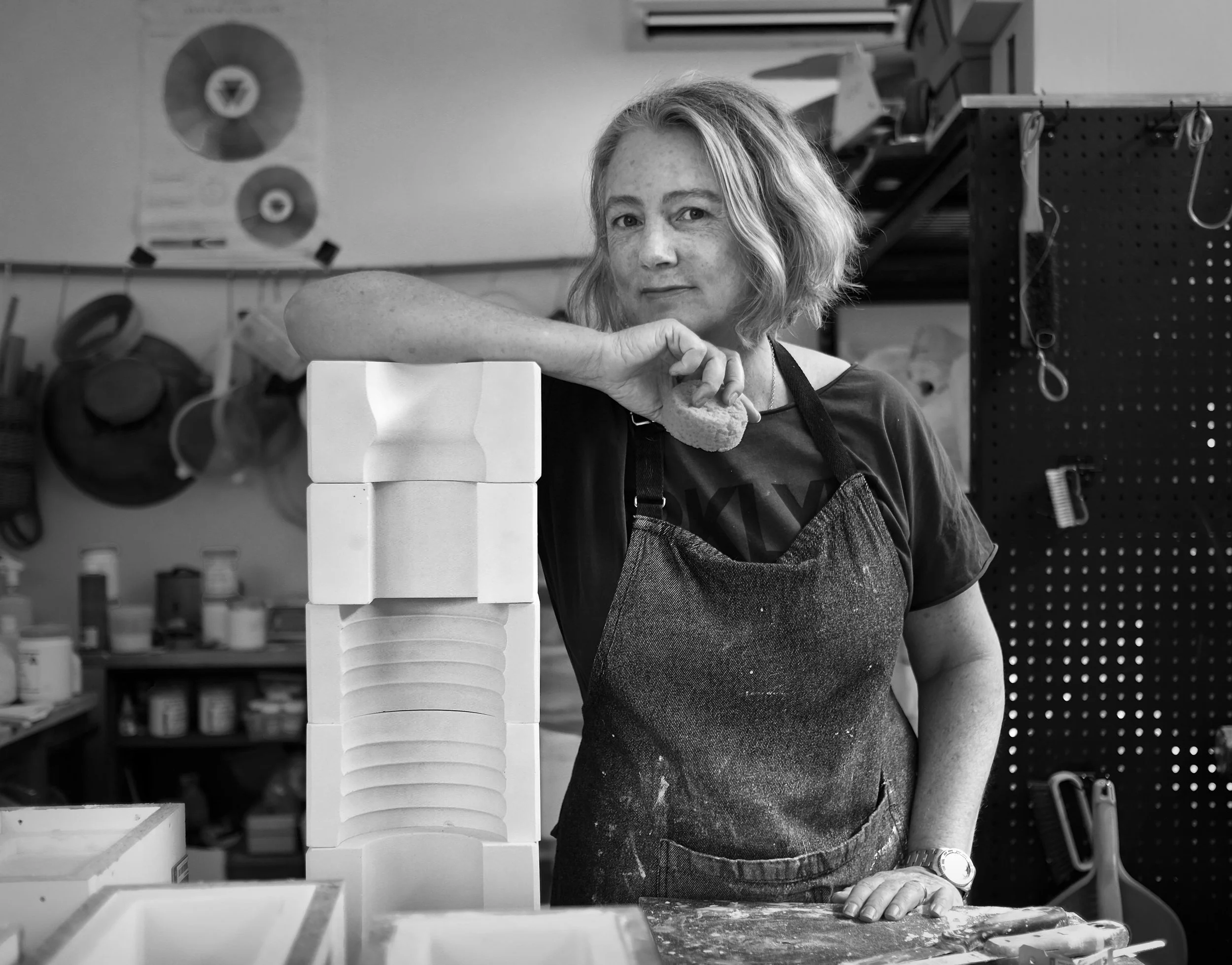
South Melbourne-based ceramicist, Kristin Burgham in her studio.
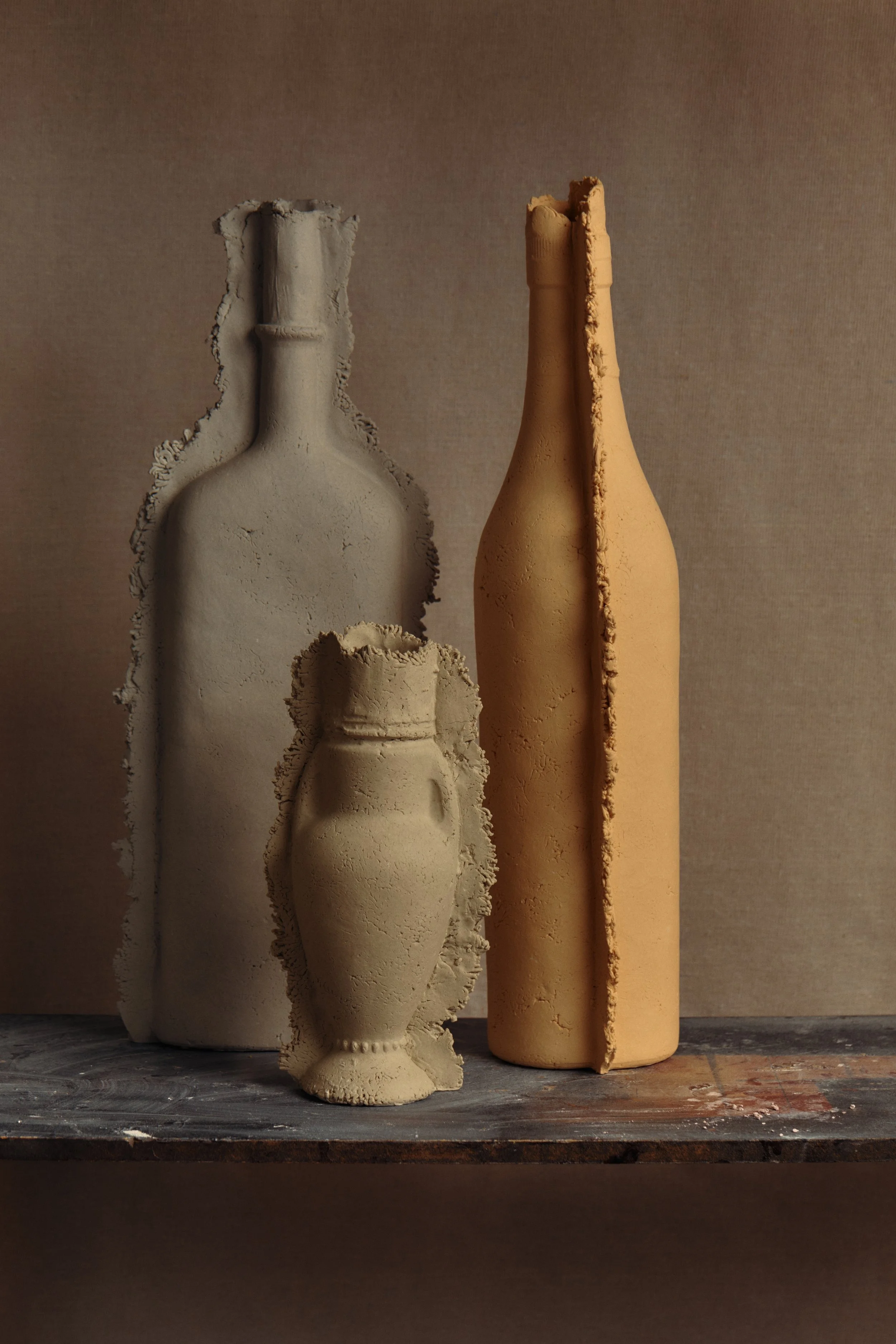
Kristin Burgham works with plaster, preserving each object as it was found — every scar, imperfection and mark of its making held exactly in place.
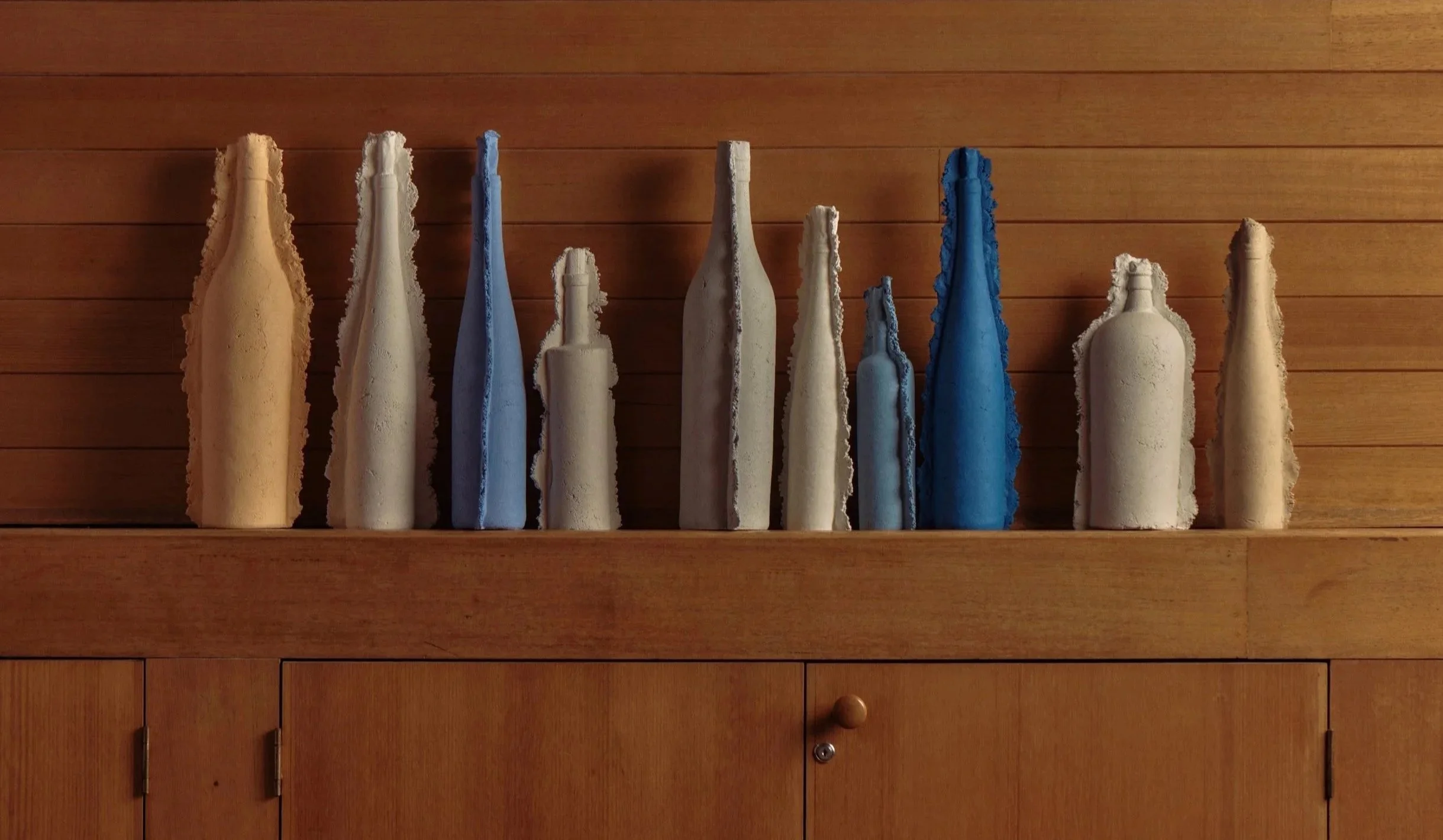
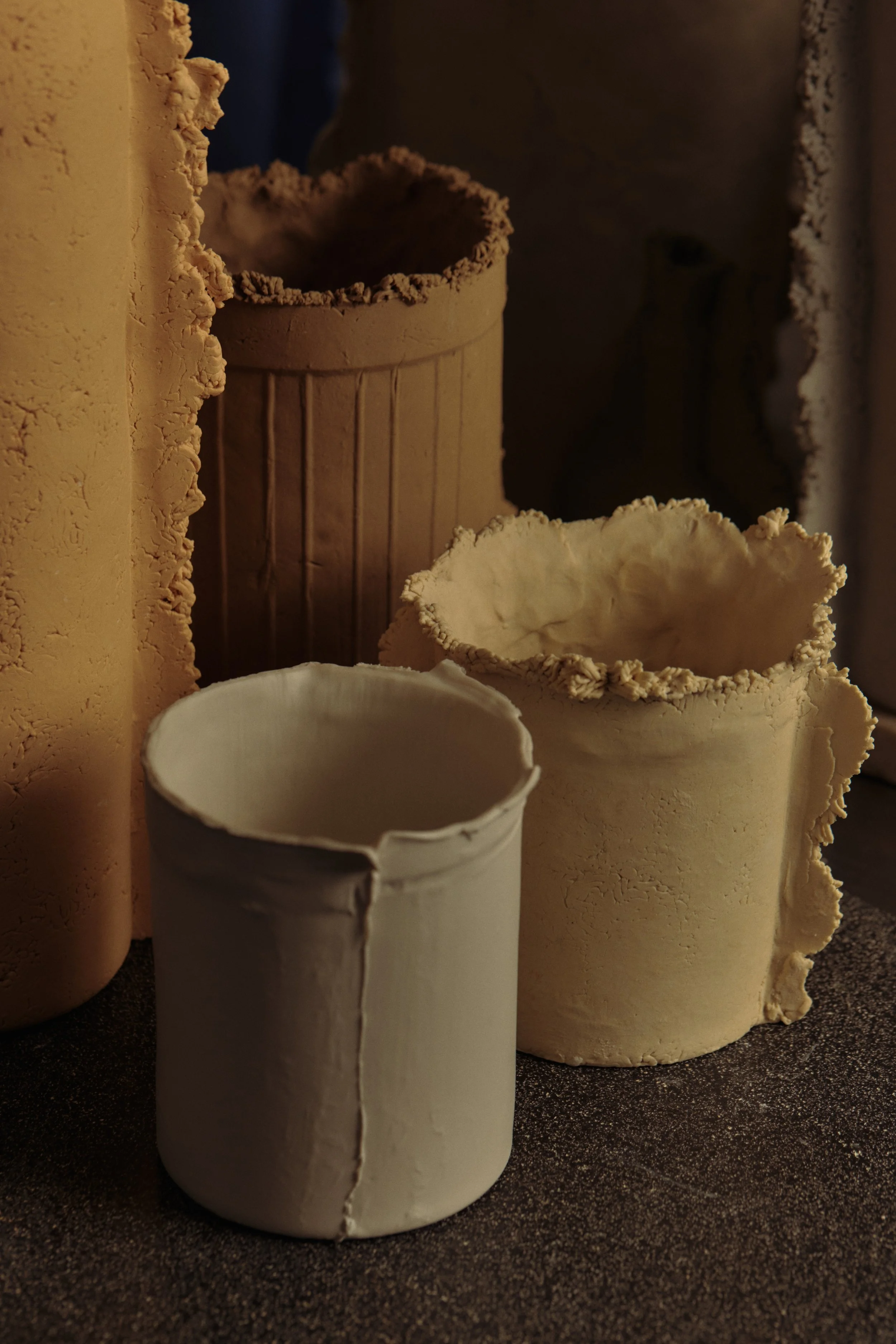
‘The light in my studio has a big impact on my work – it is especially important when working with colour.’
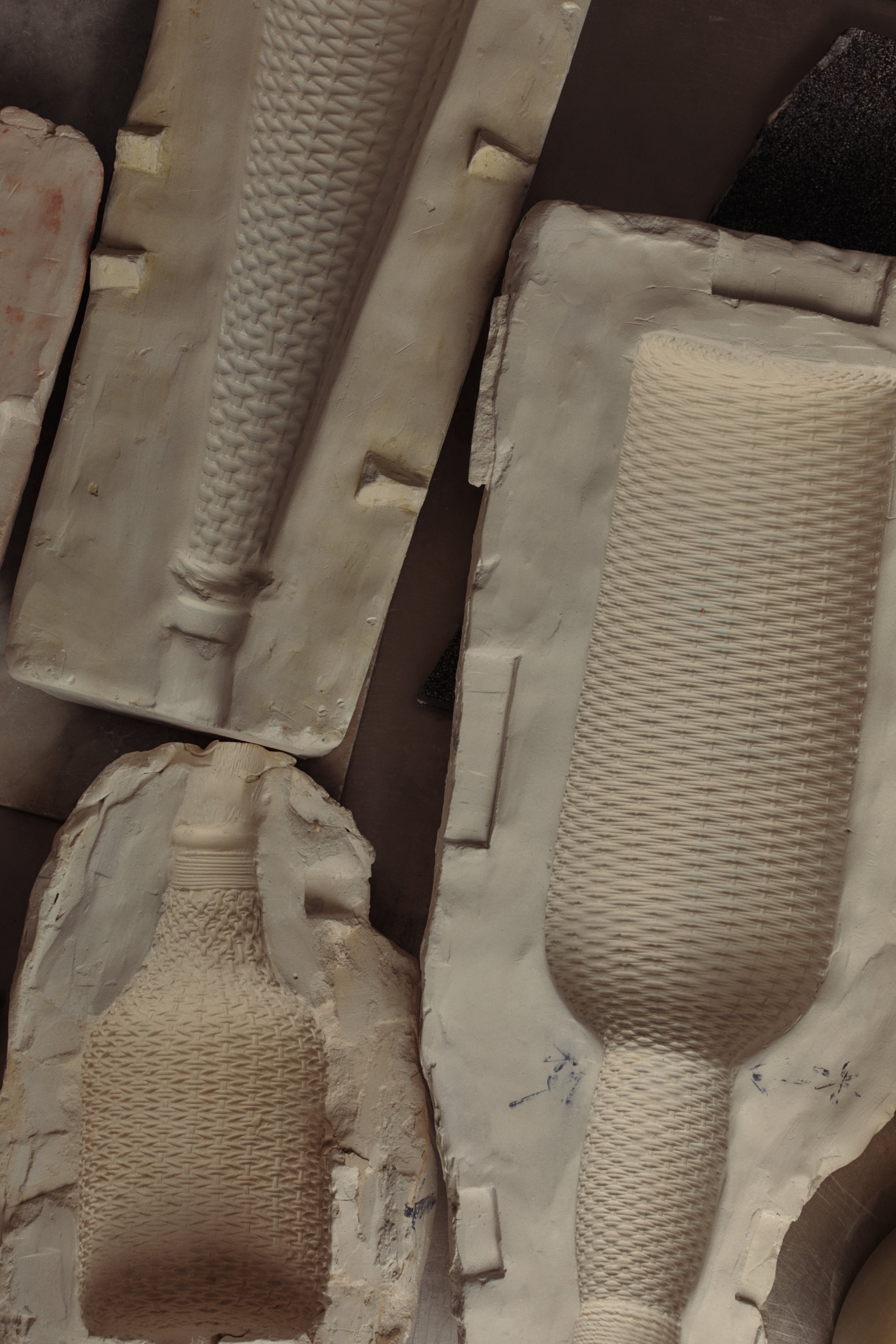
‘I love the moulds of objects. It is a remarkable way to look at things. Seeing the negative space of a mould is so beautiful.’
“I don’t seek out a specific type of object, instead I’m interested in pieces that reveal the makers lines no matter what size or material – observing a maker’s lines is a way to gain an understanding of a thought process.”
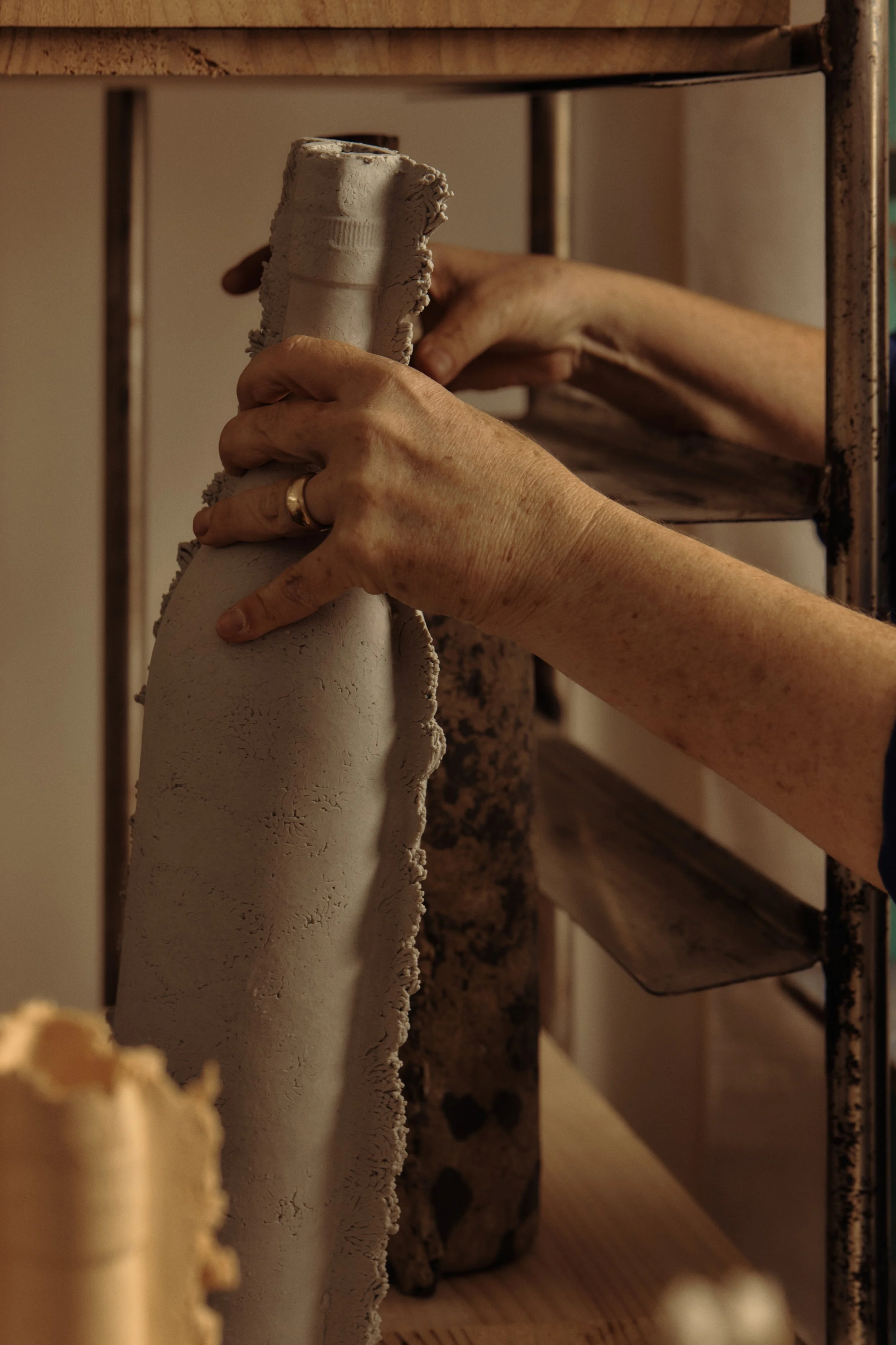
‘My practice involves numerous steps that include, finding a discarded object, making a plaster mould by tracing the makers seams and finally working with coloured porcelain clay to create a finished object.’
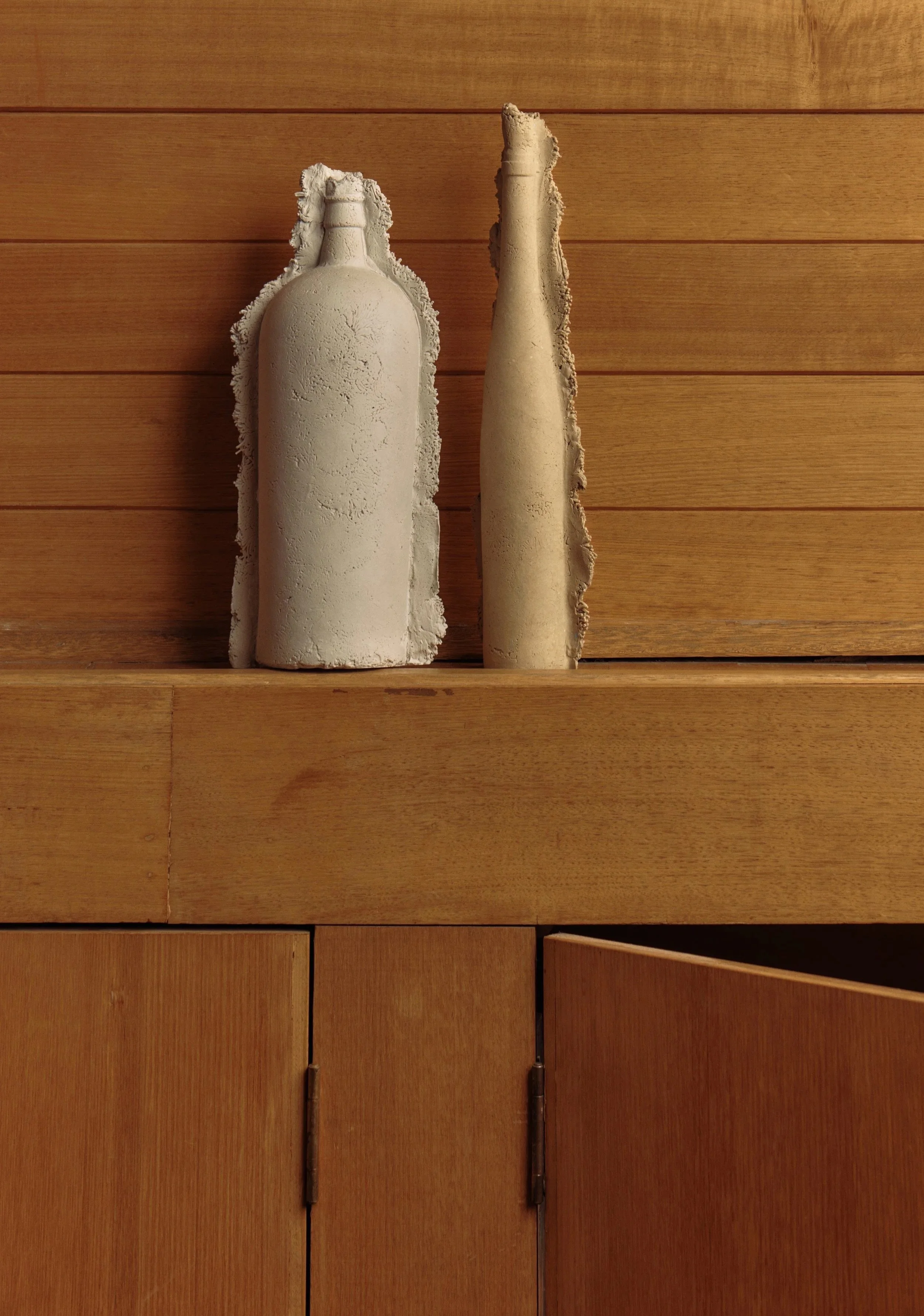
Kristin Burgham’s sculptural pieces are playful in nature and imbued with memory.
For South Melbourne-based artist Kristin Burgham, the path to clay started somewhere unexpected, a tourist shop in New Zealand, where a potter shaped porcelain sheep by hand.
‘I loved the tools and the way they were used to manipulate raw clay. It was fascinating and stimulating for a curious mind,’ says Kristin. That moment planted something in her, though it would take years, and a move across the world, before she found her way back to the medium.
While living and working in Hong Kong, something shifted. The pull of clay became impossible to ignore. ‘I quit my job and moved to Melbourne to study ceramics at RMIT.’
Today, Kristin's practice is built around discarded objects and the unknown makers behind them. She finds an object, makes a plaster mould by tracing the maker's seams, then works with coloured porcelain clay to bring it to life — a process that is slow, unpredictable, and can take weeks. Not everything makes it. ‘I make moulds from about 10% of the discarded objects I bring into my studio. Sometimes it takes hours of looking at an object to know it is not right.’
What she is searching for, always, is the trace of a human hand. ‘Observing a makers lines is a way to gain an understanding of a thought process. A process of production and making. We’re surrounded by everyday objects made by anonymous makers.’ Her ceramic pieces ask us to consider the people behind the things that fill our lives.
Colour is given the same careful attention. Working from a library of porcelain test tiles built over years, Kristin studies the tiles across different daylight before committing to a palette. ‘I think in colours and tones from the time I see the empty void of a plaster mould, I have colour recipes from years ago and I often go back to favourites.’
The light in Kristin's studio shapes everything, including the work itself. ‘I have a small studio that I am outgrowing but the light is so beautiful that I cannot bear to change it,’ she shares.
When a creative block hits, Kristin doesn't push through, instead she walks the market near her studio, tends her community garden plot, or spends an afternoon in a gallery. ‘Sometimes watching people is all I need to do to reset.’
With a practice based on found objects, Kristin is currently sorting all her found treasure into groups of glass, metal, rubber, wood, helping decide if they will stay in the studio and be used for a mould. ‘I’m trying to regularly go through my found treasures because once I have made a mould of it I release it back to where I found it for someone else to discover – my plaster moulds are a snapshot or a memory of an object.’
Later this year, Kristin is set to bring her work to Sydney for an exhibition in August with details to be finalised soon.
To stay up to date with Kristin Burgham's work, visit her website or follow @kristinburgham on Instagram.
