

Spring Beach House By Scale Architecture
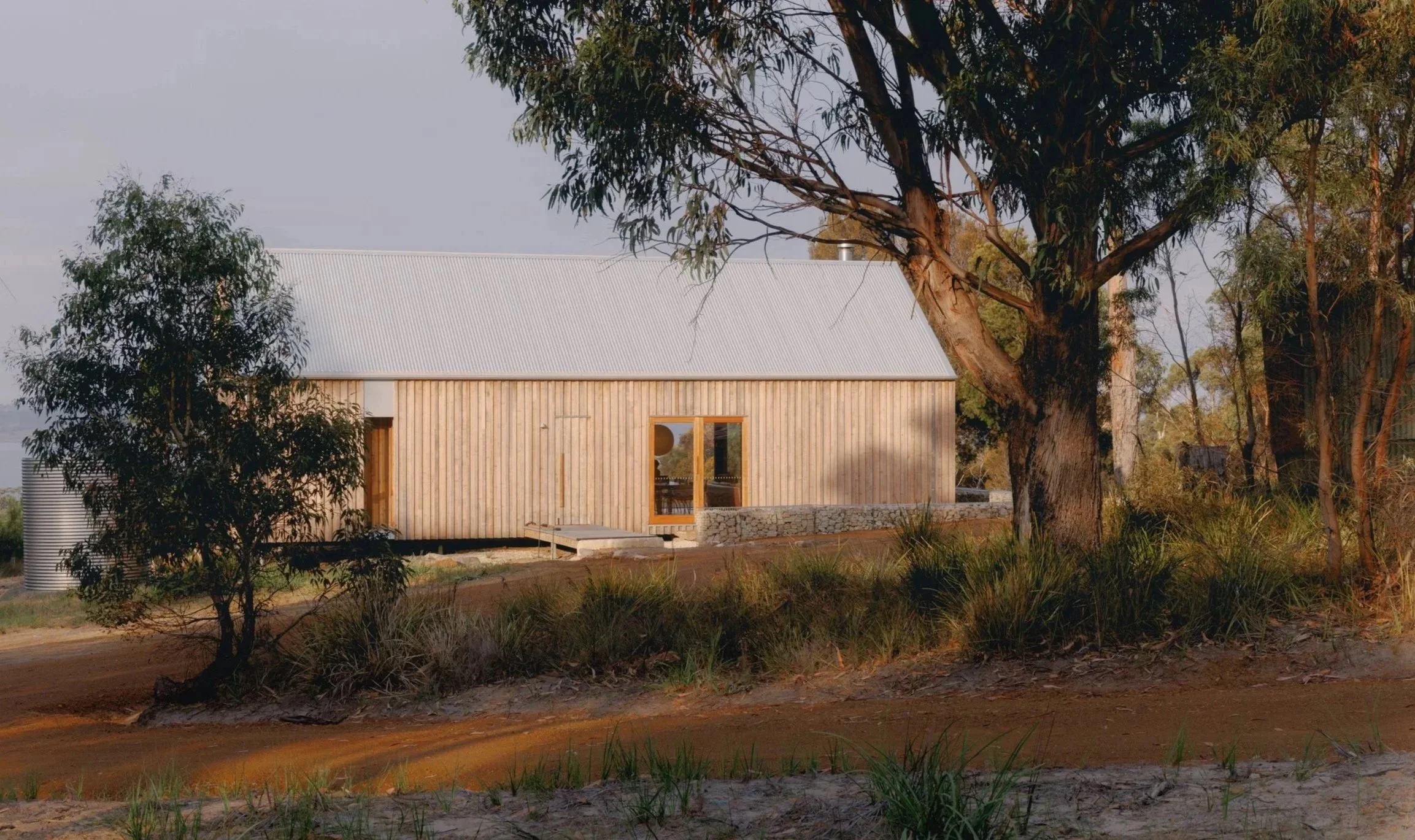
Set on the East Coast of Tasmania, Spring Beach House by Scale Architecture reflects grounded simplicity and design restraint, sitting at one with its natural bush setting.
Words HANDE RENSHAW Photos TIM CLARK Architecture SCALE ARCHITECTURE Build AXIS HOMES
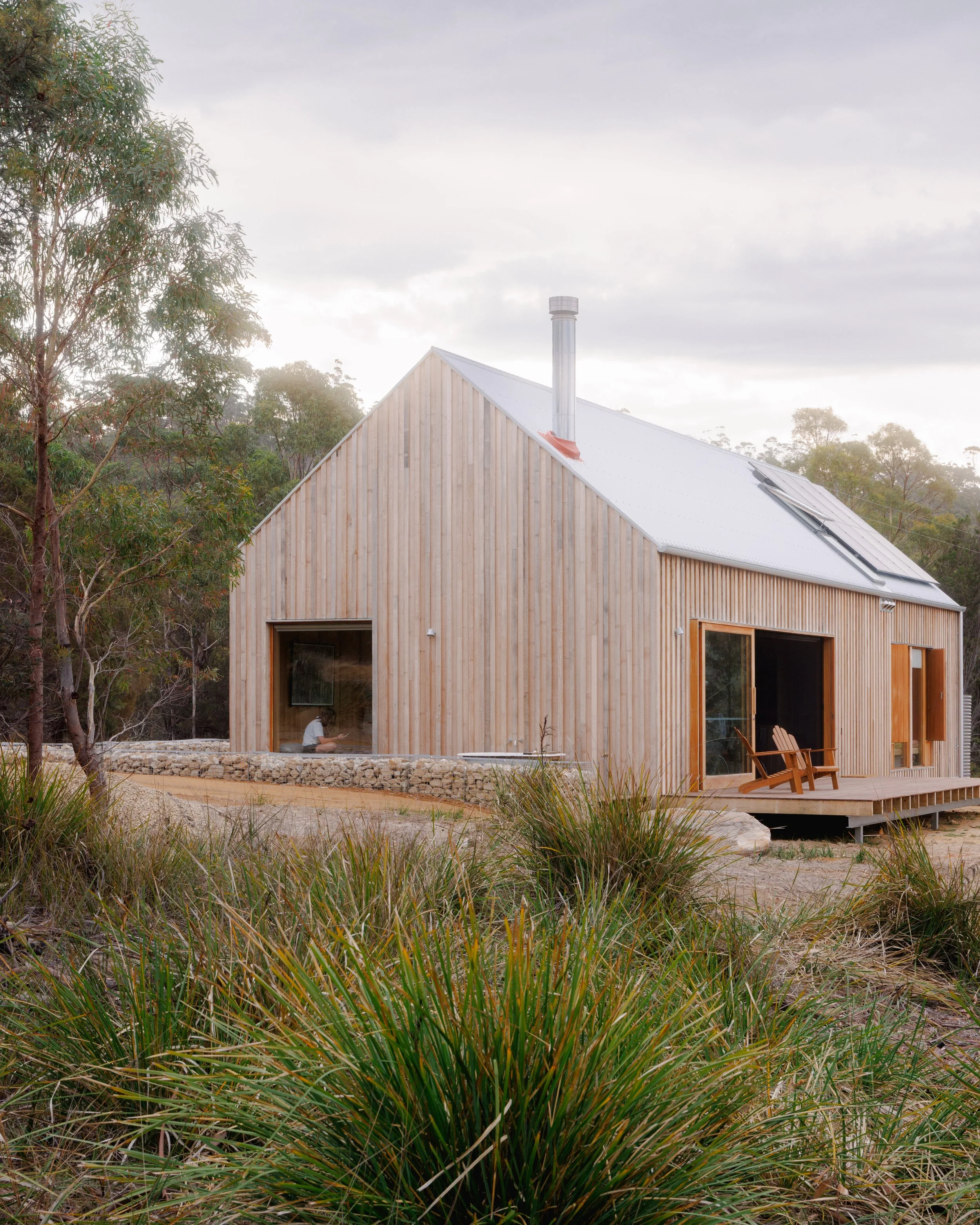
Designed for Tasmania’s environment, Spring Beach House requires minimal heating and cooling, achieving a 7.5 NatHERS rating.
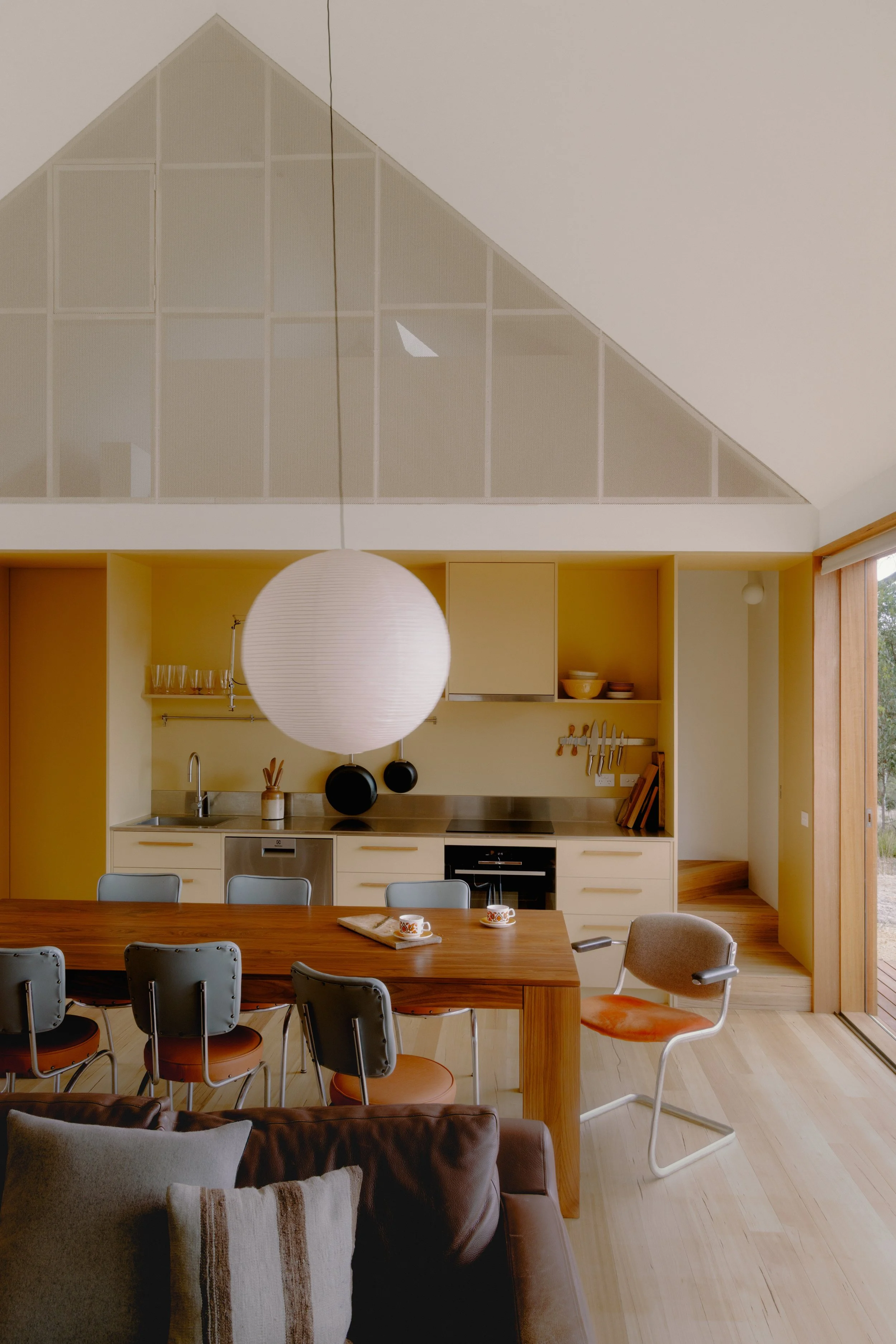
Materials and colour respond to the surrounding landscape, with a pale honey kitchen forming a solid block of colour which separates areas of home.
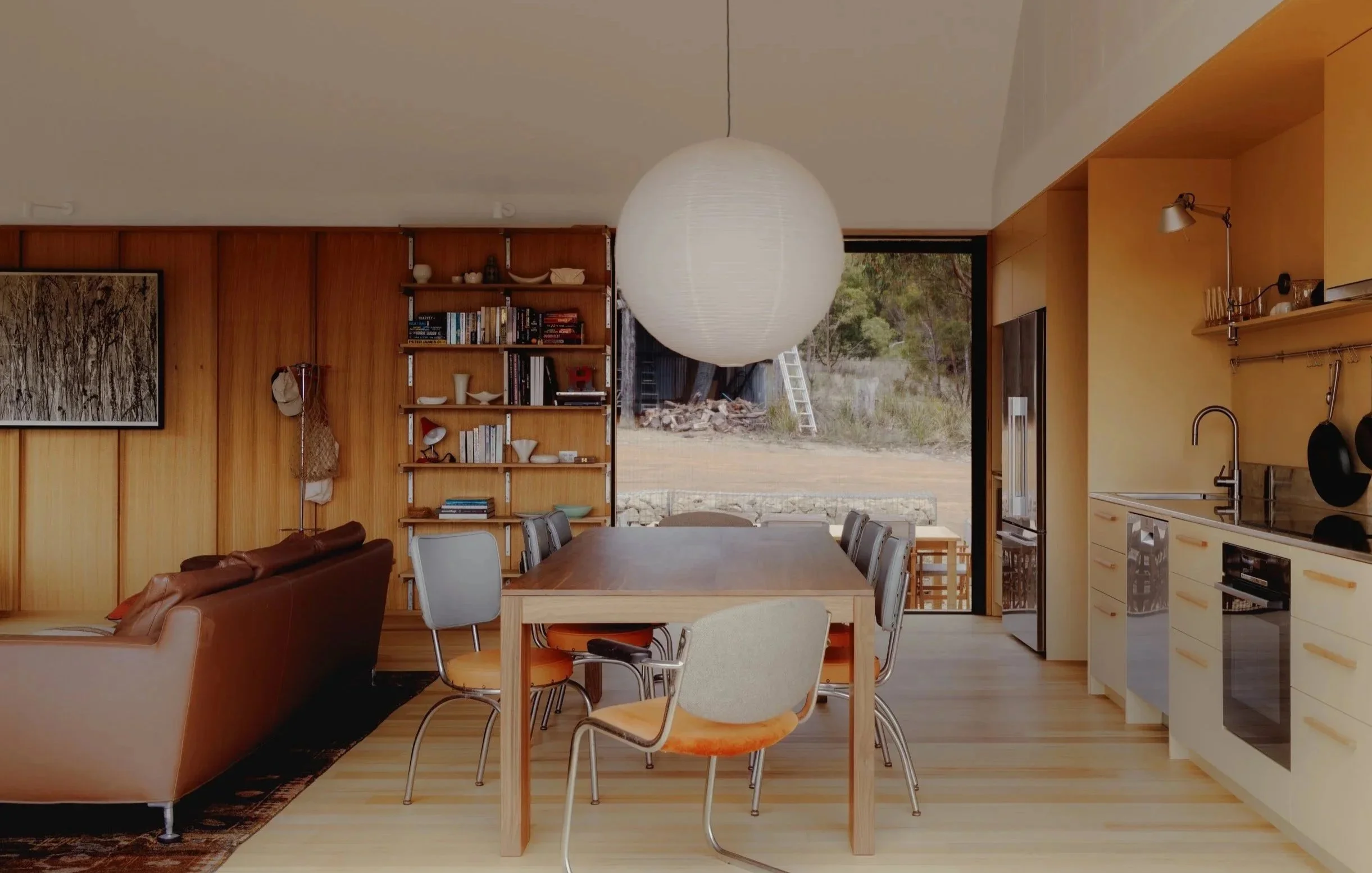
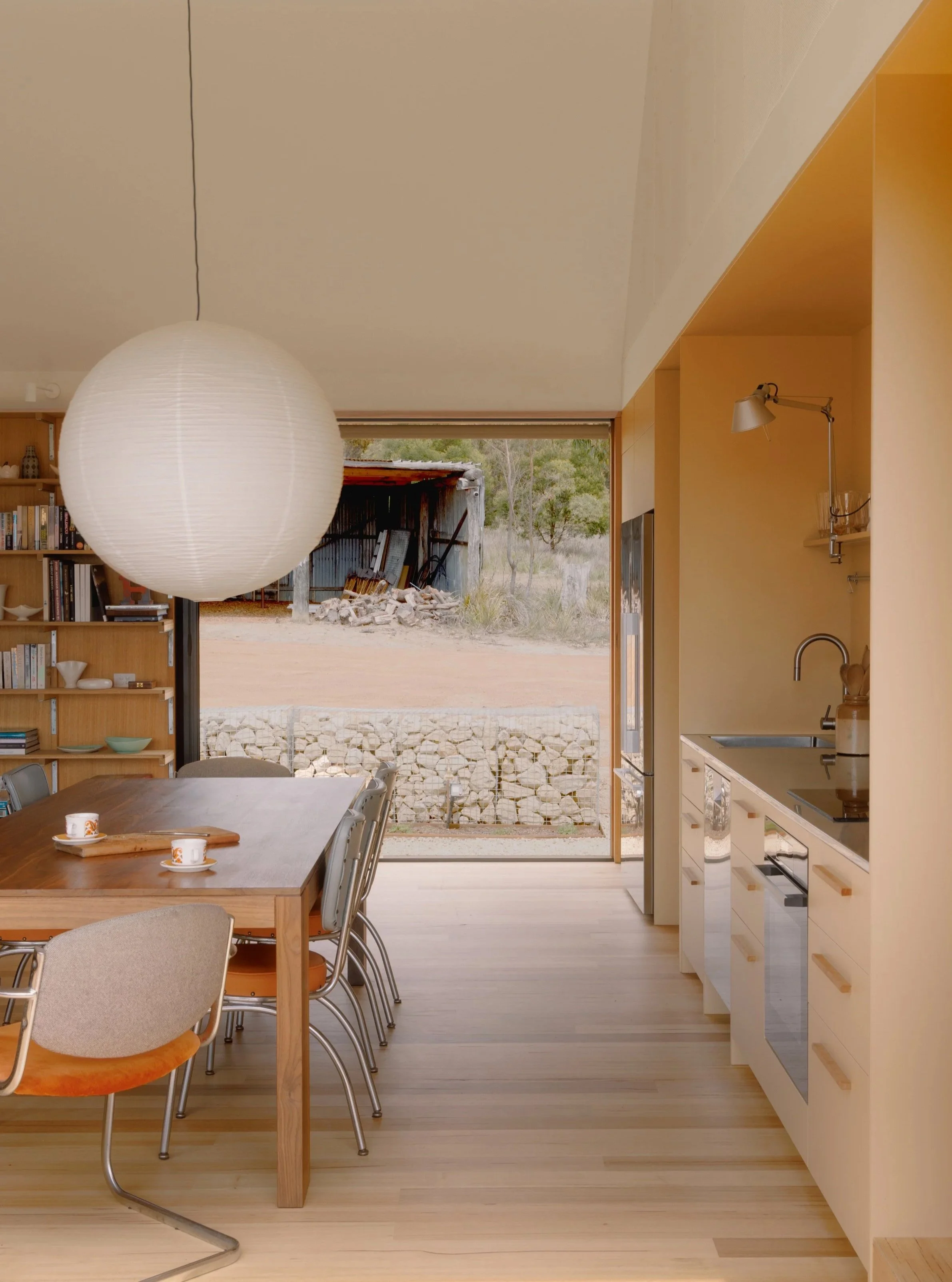
Each element within was carefully crafted by Axis Homes, with smaller elements made by different makers across Tasmania.
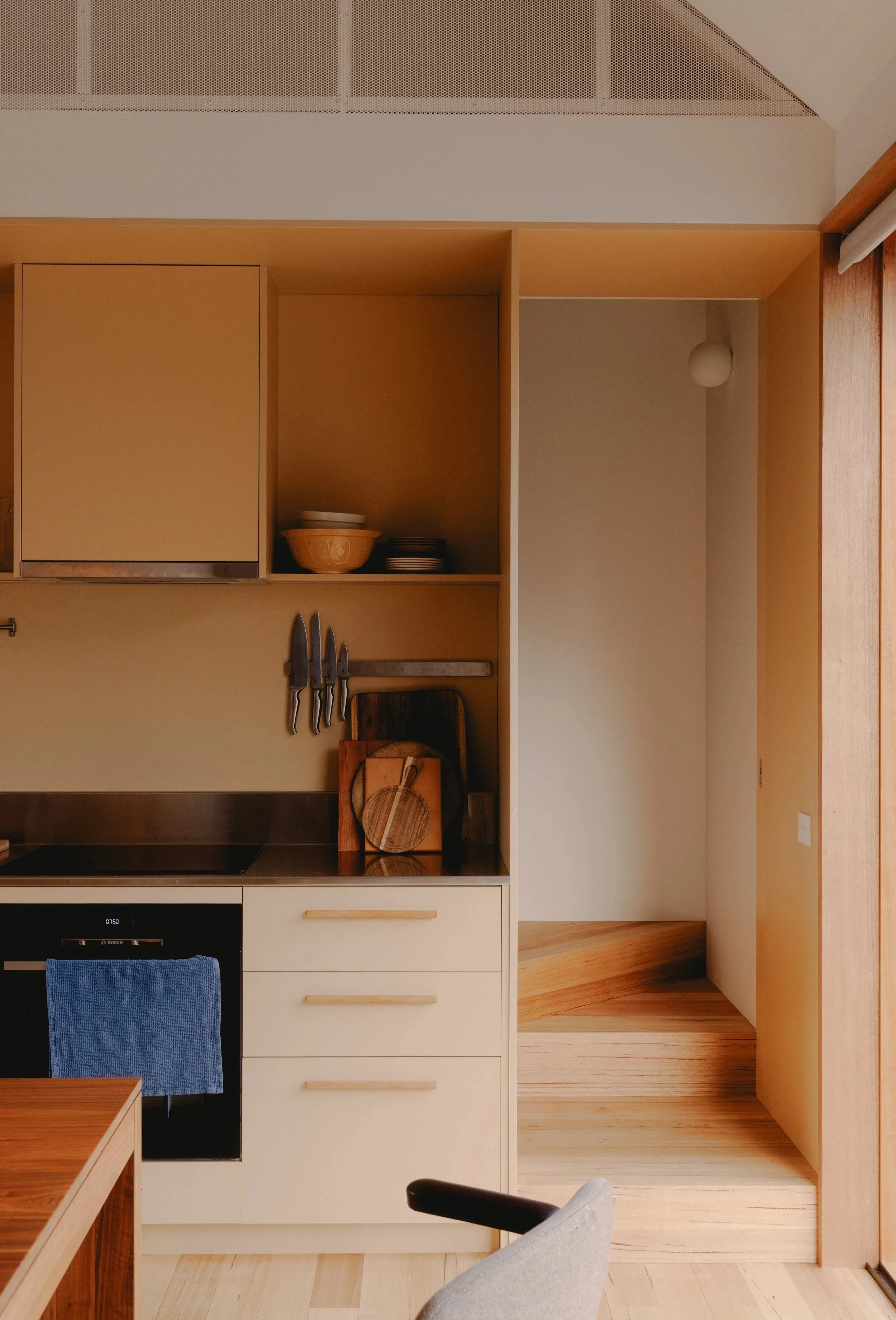
Pale honey joinery defines the kitchen, with built-in shelving and minimal detailing reinforcing the home’s material clarity.
“Environmental performance is embedded into the design - orientation, insulation and passive airflow reduce reliance on mechanical heating and cooling, supported by solar panels integrated into the building.”
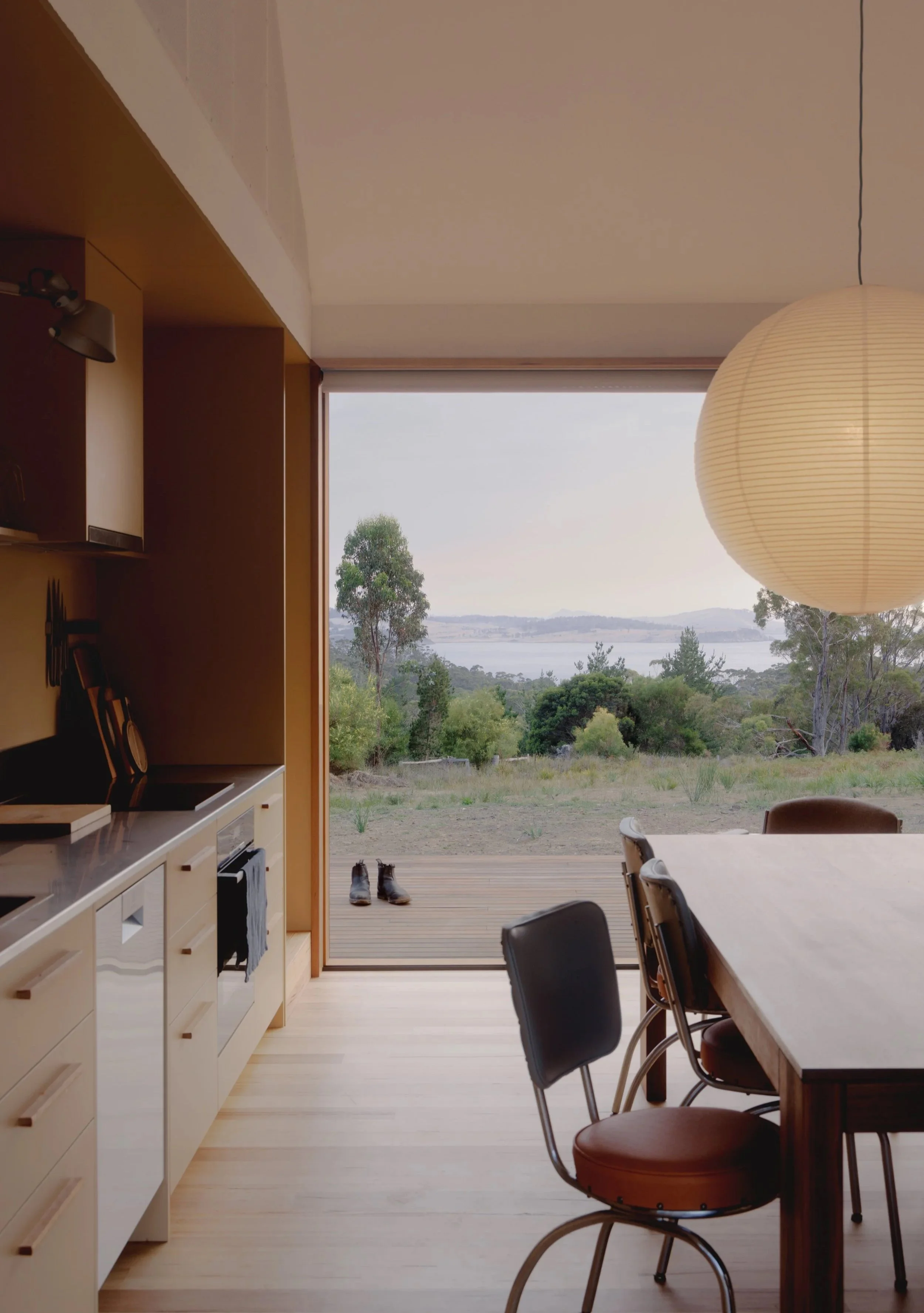
The pale honey kitchen anchors the plan, opening directly to the deck and framing views across the bush and to the water beyond.

Blue gum board-and-batten cladding frames the facade.
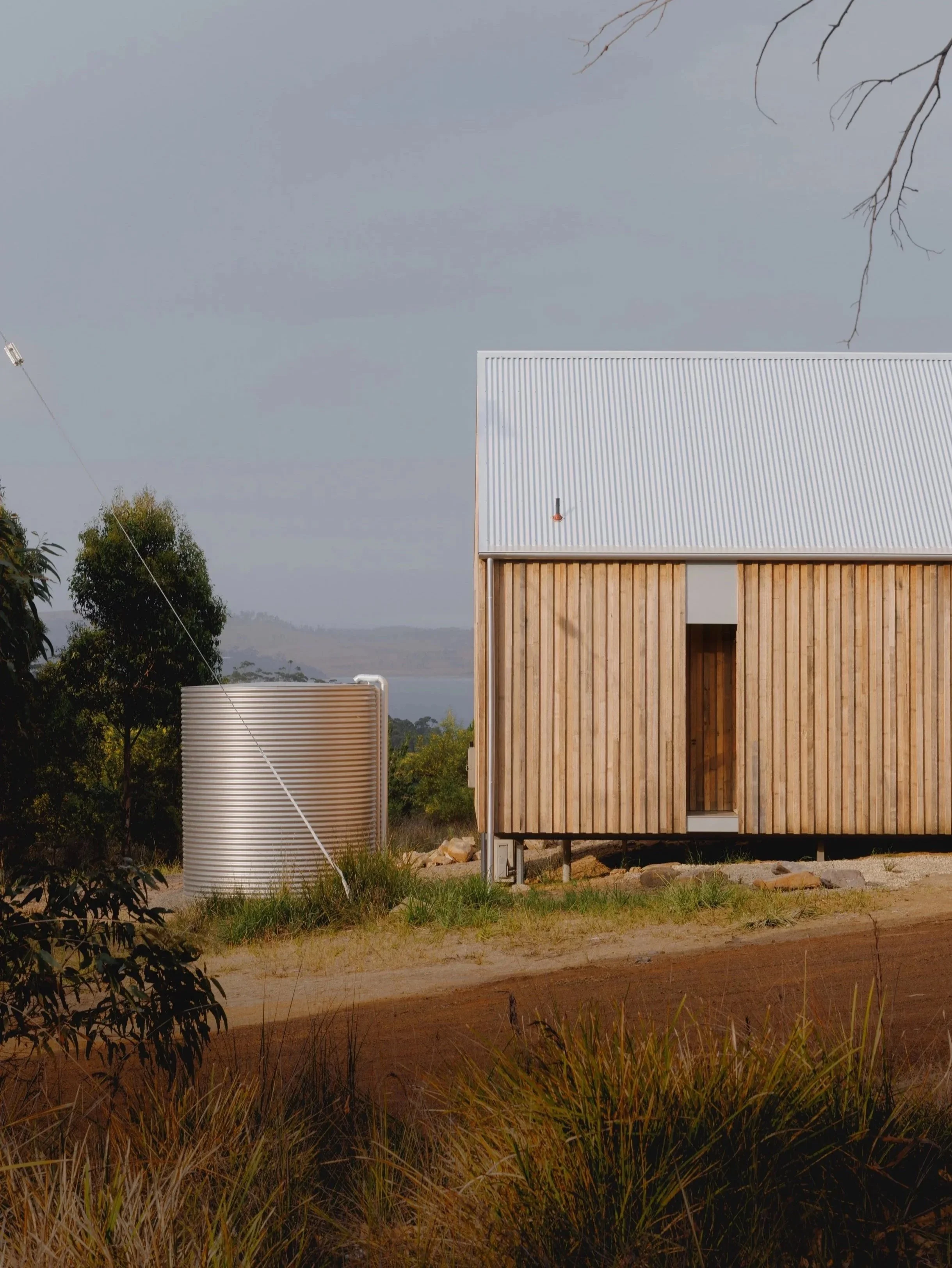
A 3.2kW solar system supports the home, with all roof water collected and reused on site.
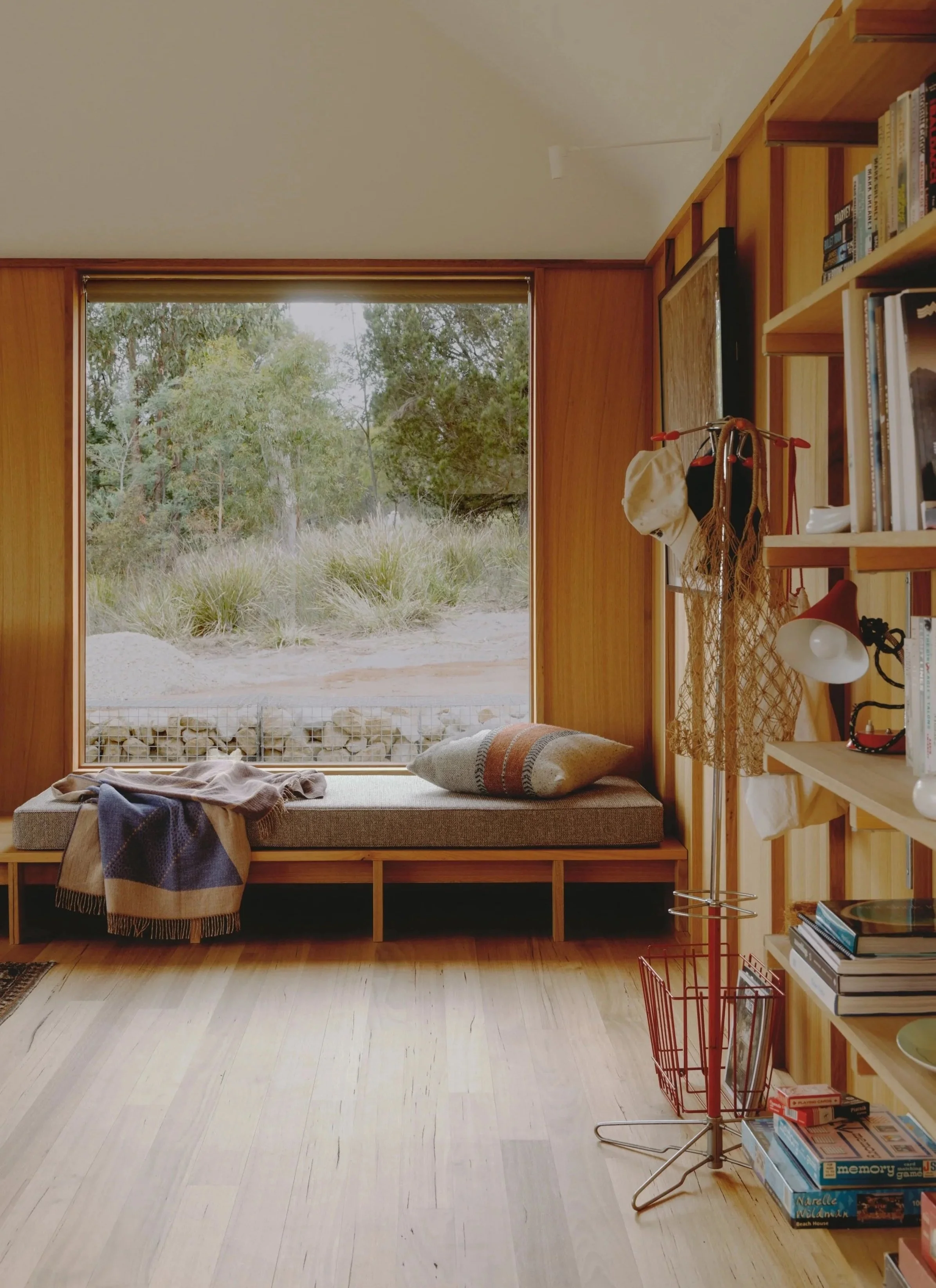
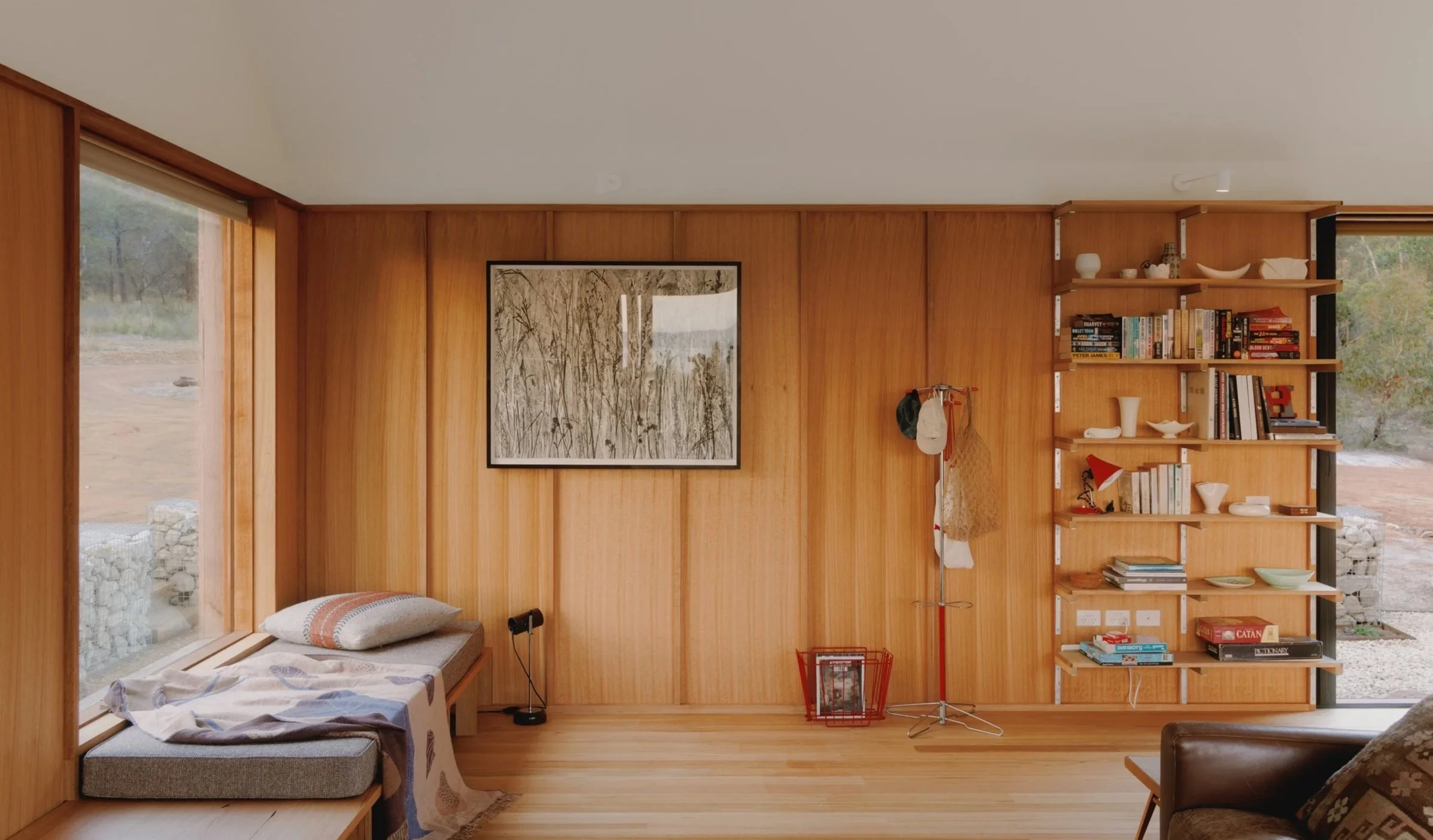
A built-in window seat frames the bush beyond, creating a place to pause.
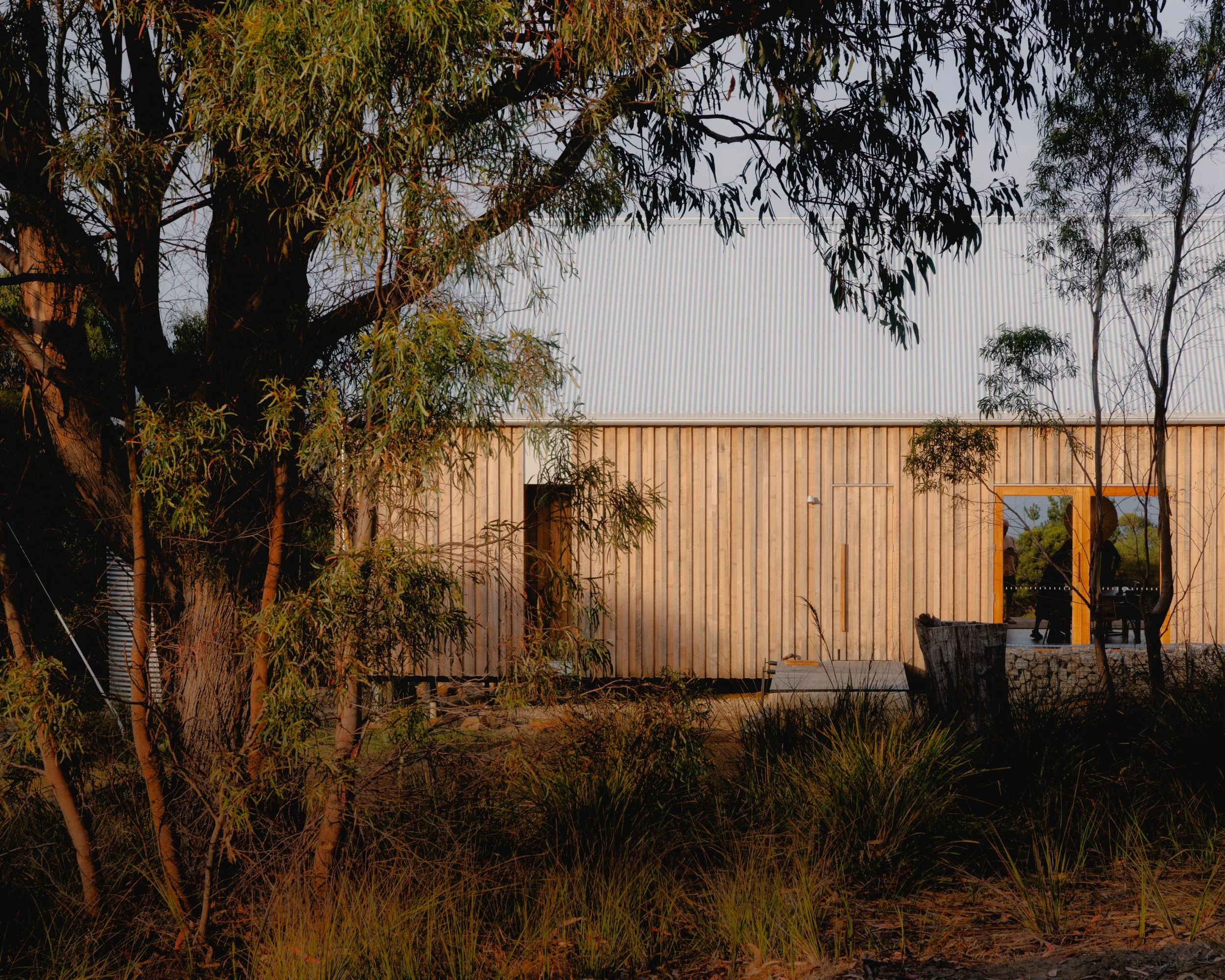
Spring Beach House is clad in locally sourced blue gum board-and-batten timber.
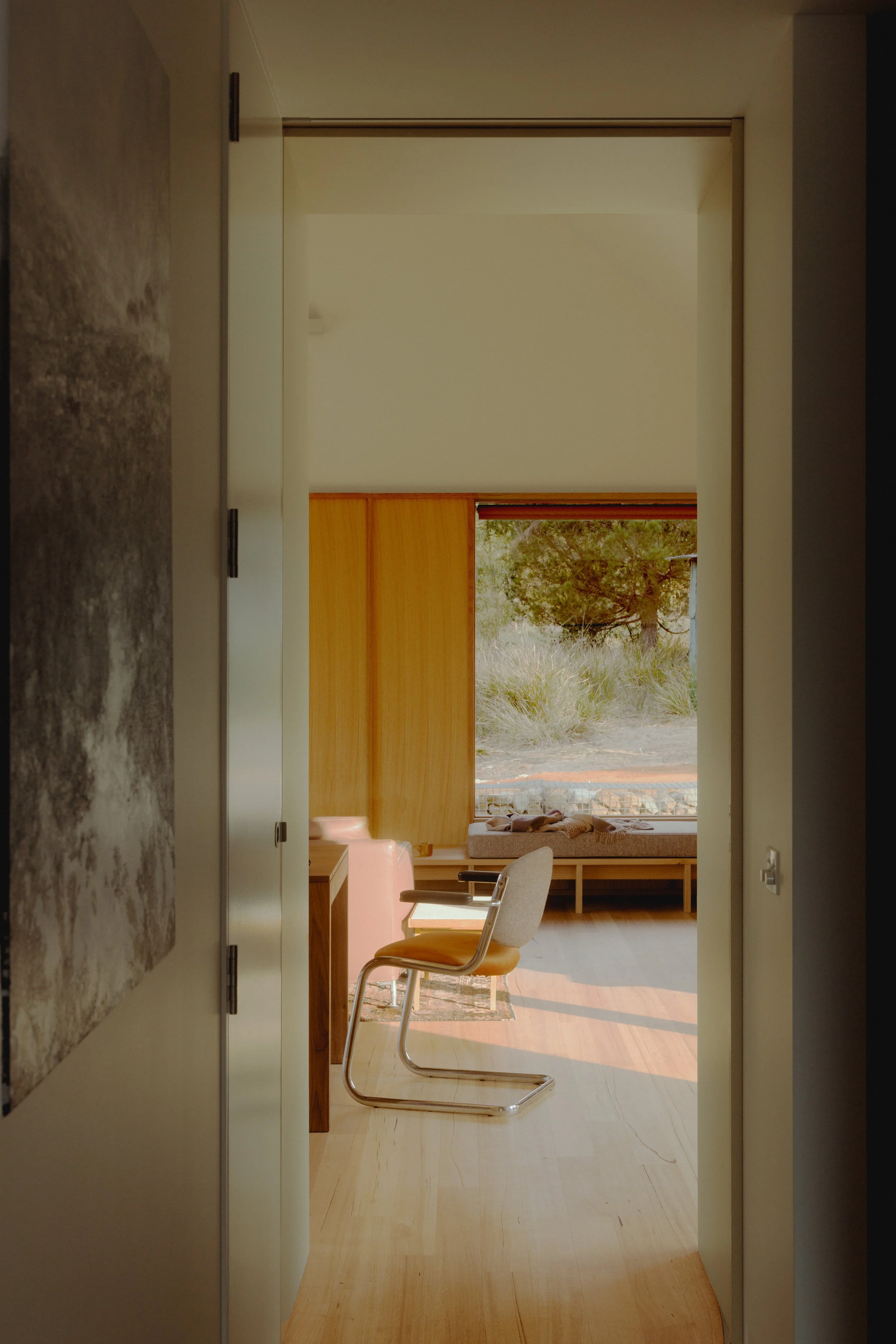
A view through the interior reveals the home’s layering, with built-in seating and openings drawing light and landscape inside.
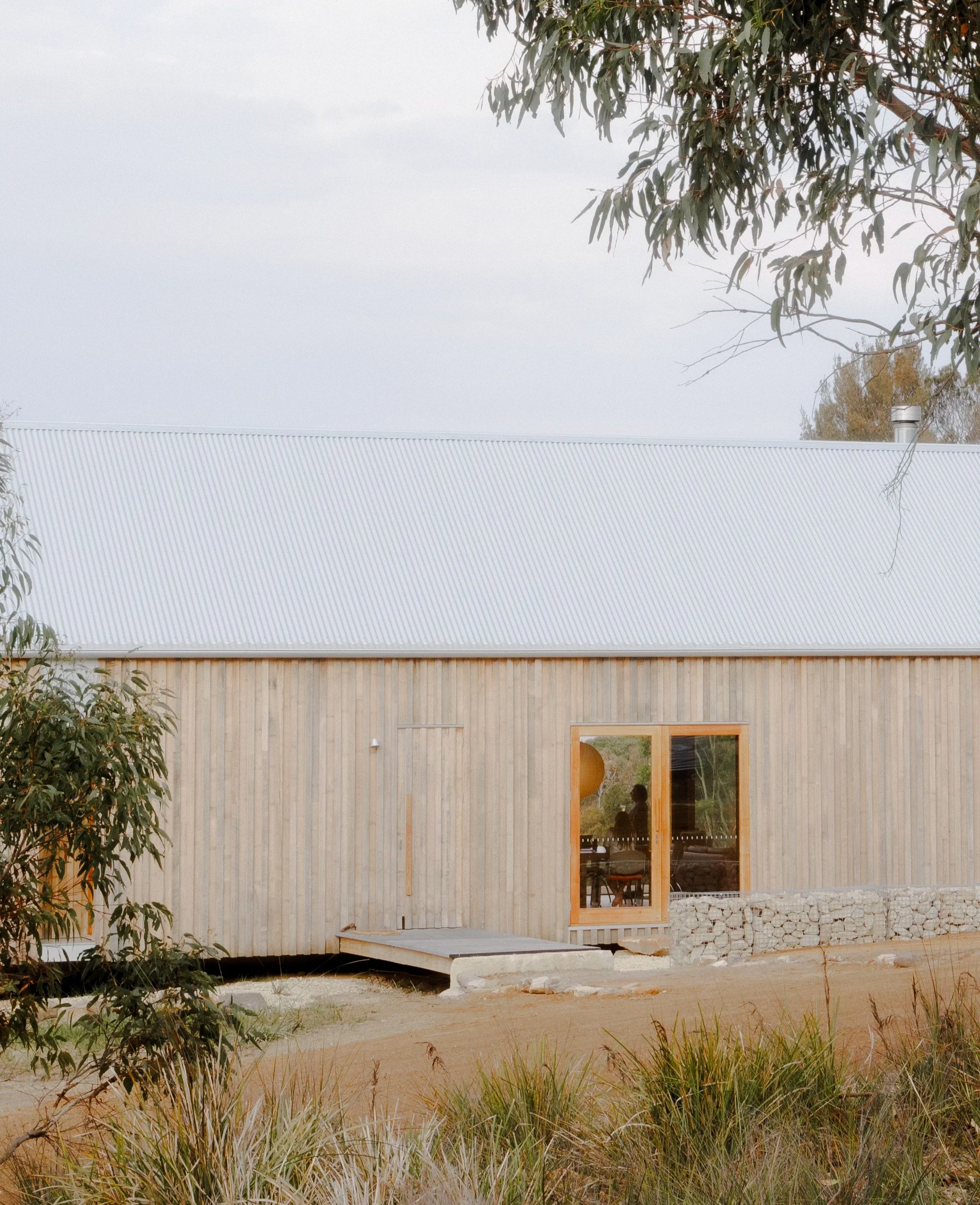
The compact form sits low within the bush, with blue gum cladding and a simple roofline allowing the house to settle into its coastal setting.
Set on the East Coast of Tasmania, Spring Beach is defined by coastal scrub, salt air and views across the water. Spring Beach House by Scale Architecture meets this setting with restraint – a compact form that sits low within the bush.
Replacing a former cabin, the house reworks the site into a 100-square-metre retreat designed for shared use. The footprint is compact, with a plan that’s mindfully resolved. Bedrooms are positioned along one edge to capture distant views, while the main living spaces open outward, oriented to follow the movement of light and weather. The shift between the two is handled through scale rather than walls, moving from more contained sleeping areas into a larger, open volume for gathering.
The house is clad in locally sourced blue gum board-and-batten timber, designed to deepen and soften with exposure so the building settles further into its surroundings over time. It’s a considered approach that places longevity and change at the centre of the design.
Inside, the palette draws directly from the landscape. A pale honey-toned kitchen sits at the centre of the plan, acting as both a functional core and a visual anchor between private and shared zones. Its warmth is offset by more muted finishes, including timber linings and earthy tones that reference the bush beyond. Tasmanian oak is used throughout for windows and doors, framing views while maintaining continuity across the interior.
The main living space expands vertically to follow the roofline, increasing the sense of volume without increasing the overall scale of the building. Openings on multiple sides allow for cross ventilation, while also directing attention outward; east toward dense vegetation, north to the coastline, and back to a more sheltered courtyard at the entry. Large doors extend the living areas onto an elevated deck, creating a direct connection to the landscape.
Environmental performance is embedded into the design. Orientation, insulation and passive airflow reduce reliance on mechanical heating and cooling, supported by solar panels integrated into the building. Despite Tasmania’s cool climate, the house operates with minimal intervention, achieving a 7.5 NatHERS rating. As the building continues to age, its materials will shift alongside the site, reinforcing the intention for the architecture to become part of the landscape rather than sit apart from it.
Location: Spring Beach, Tasmania/Palawa Country
Architecture: Scale Architecture
Photography: Tim Clark
