

Material Wonder: The Interiors Of Fiona Lynch

The new book Material Wonder: The Interiors Of Fiona Lynch captures interiors alive with touch and transformation—where stone, metal, wood and textiles shape the rhythm of a space.
Photos PABLO VIEGA
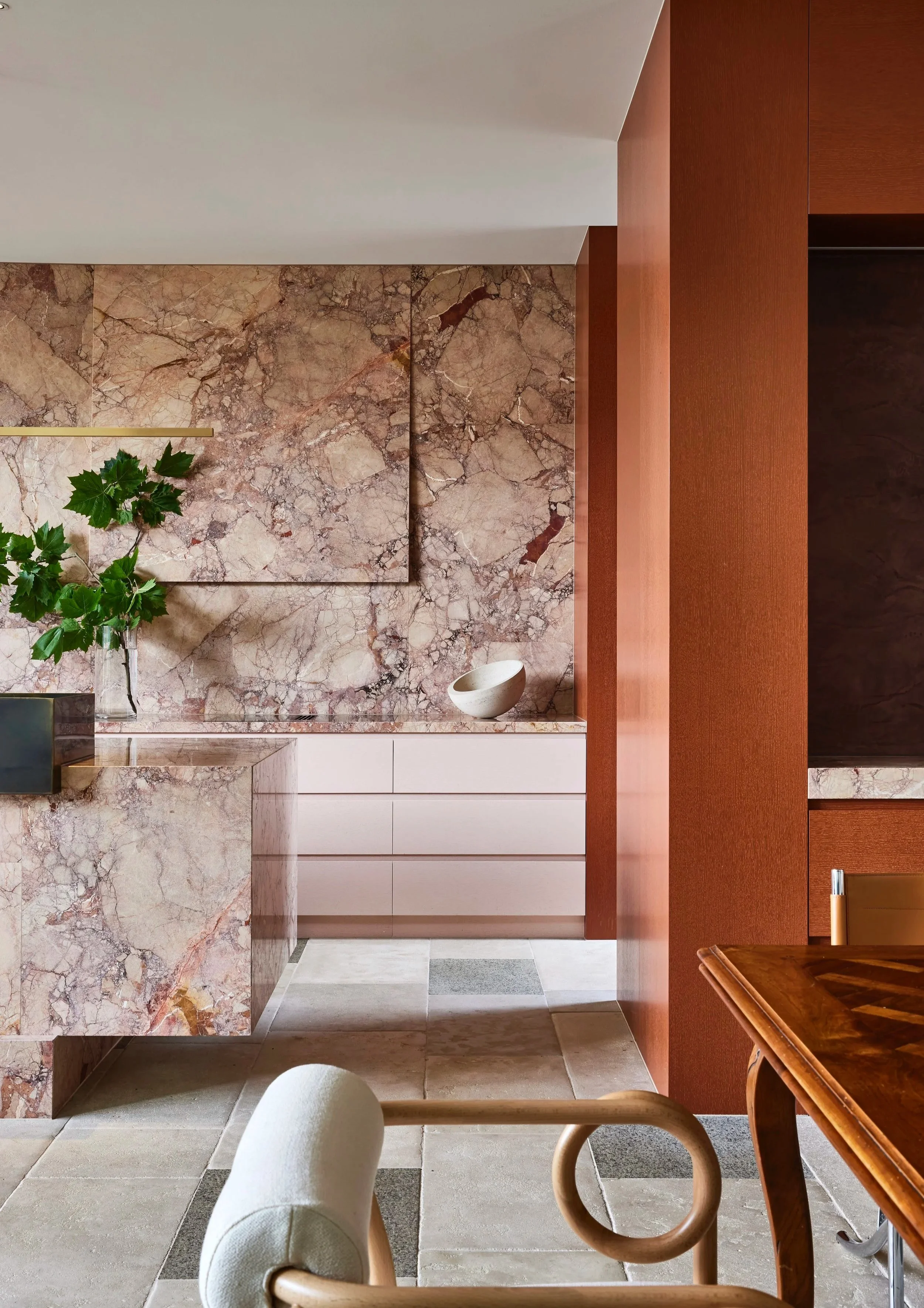
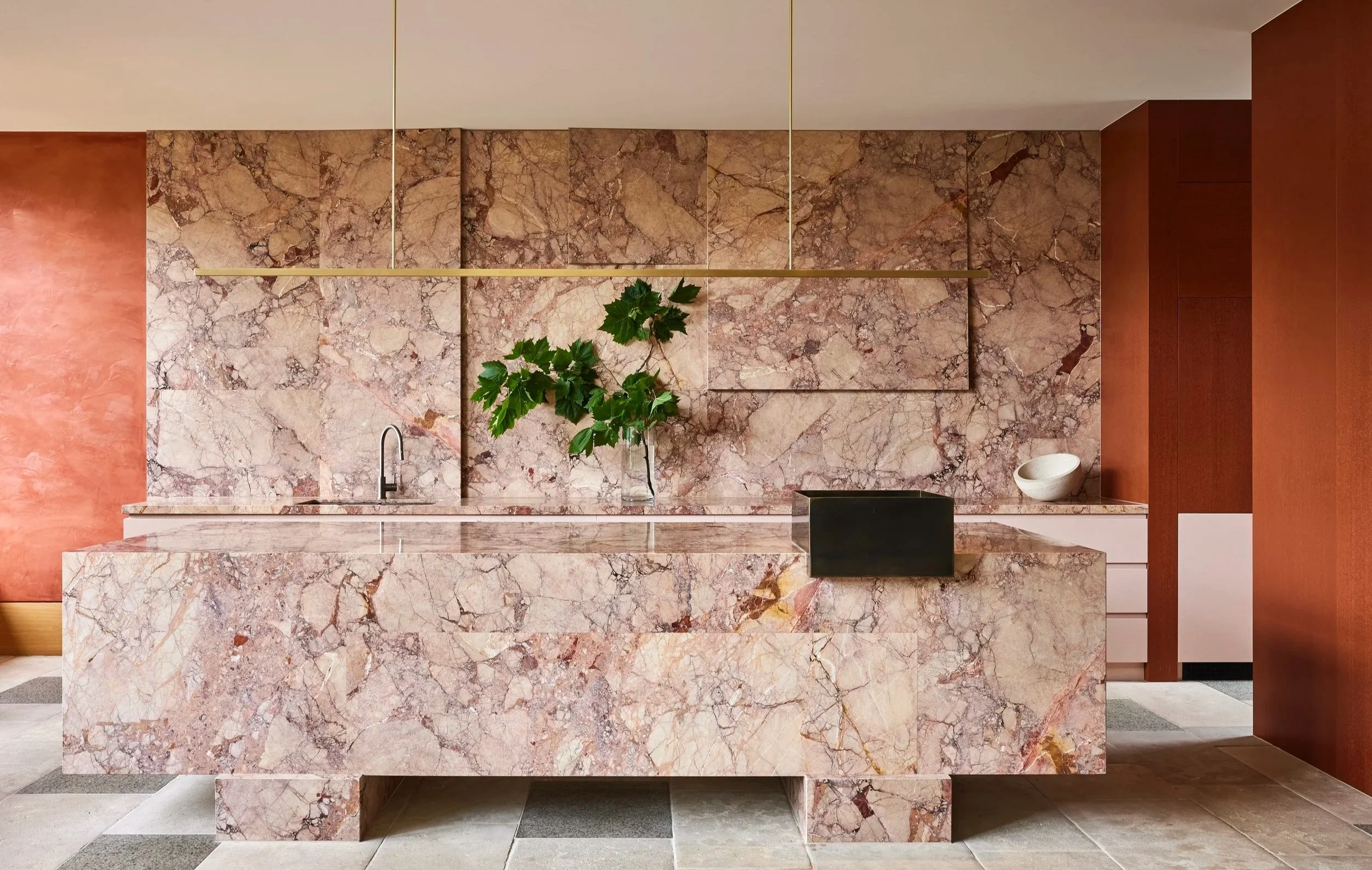
‘The kitchen showcases the expressive beauty of the marble. It is sculptural and monumental,’ says Fiona Lynch of Somerville House.
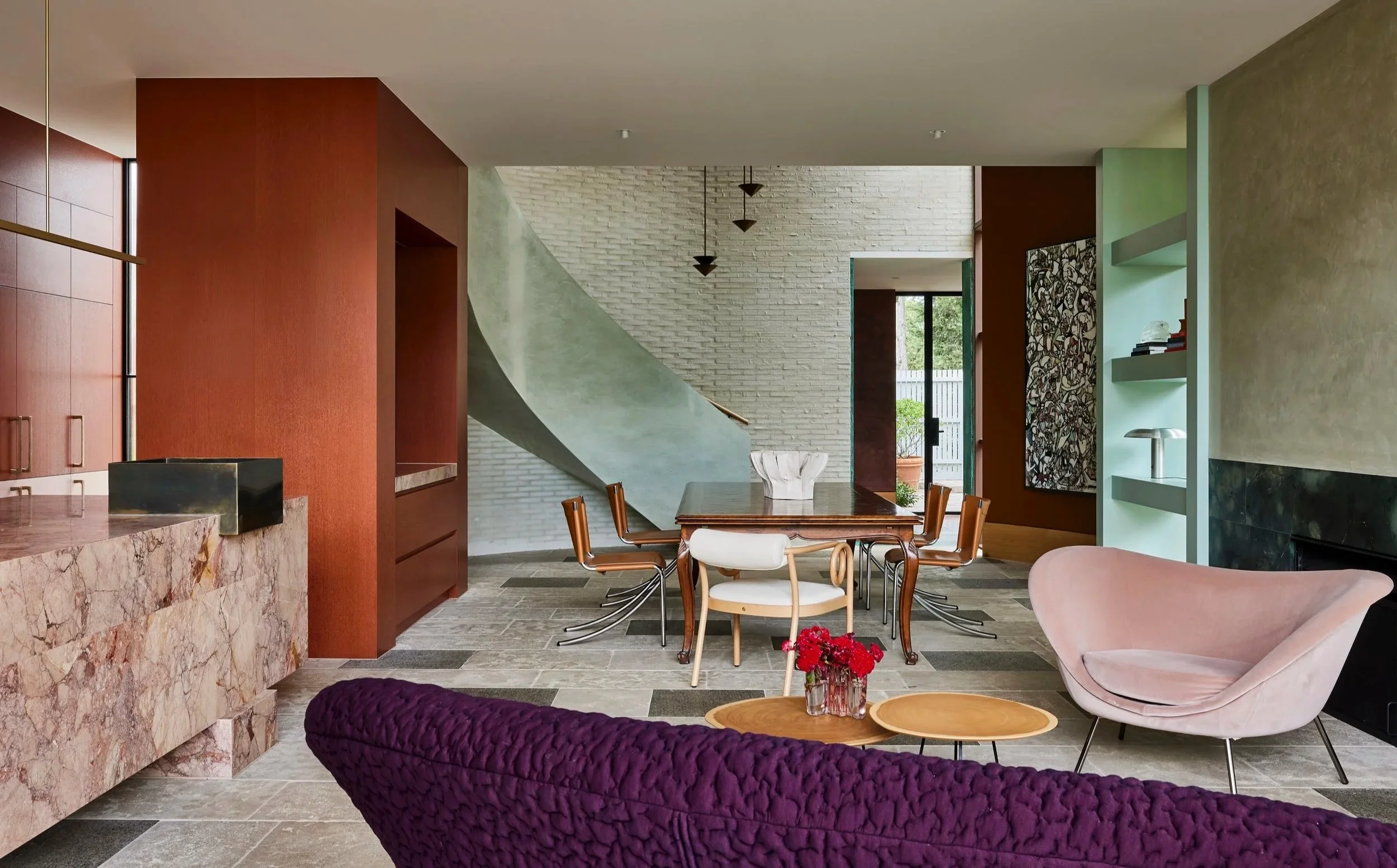
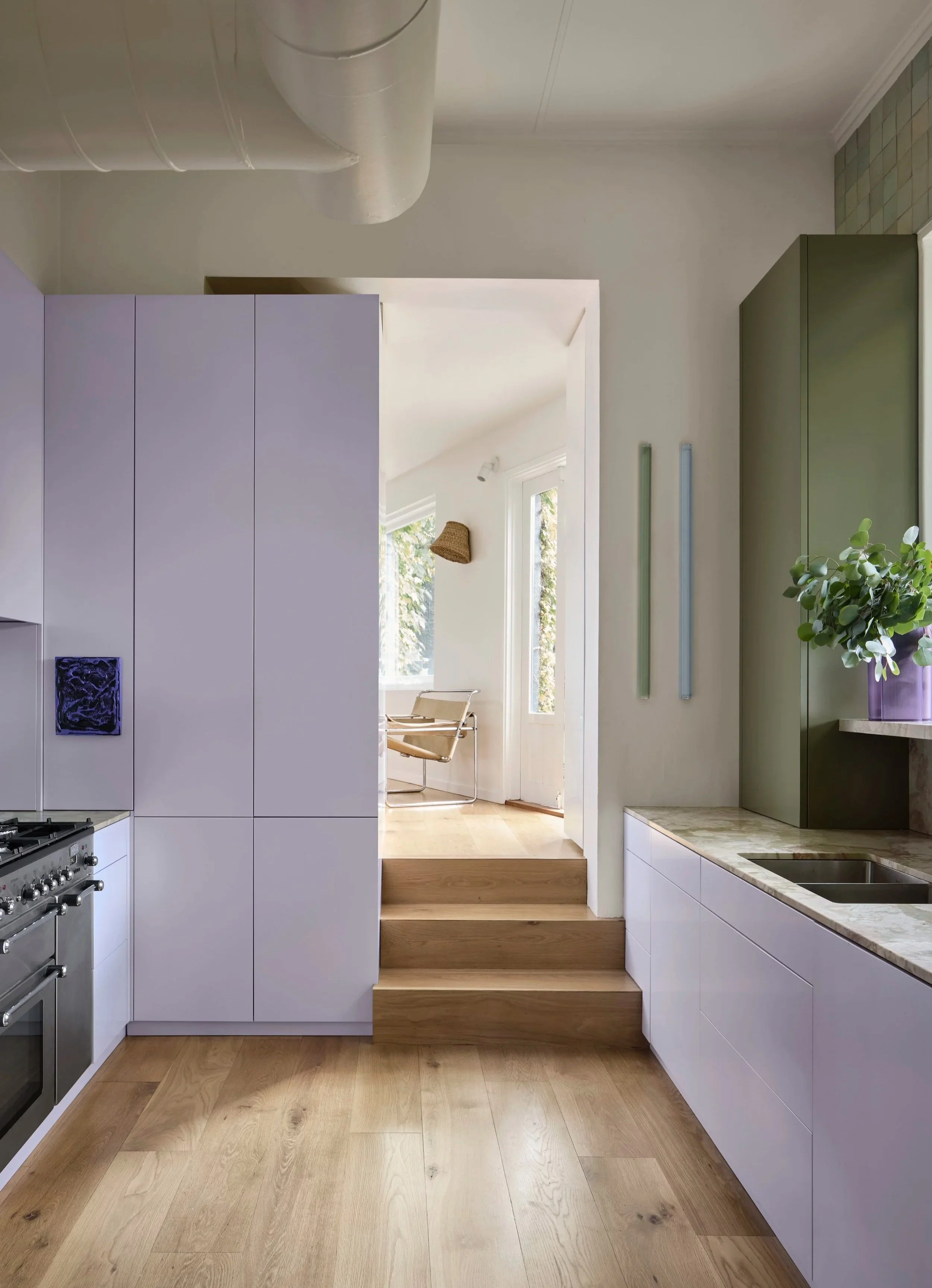
The pinks and greens in Somerville House remind me of the captivating marble foyer in Canberra’s Parliament House,’ says Fiona Lynch.
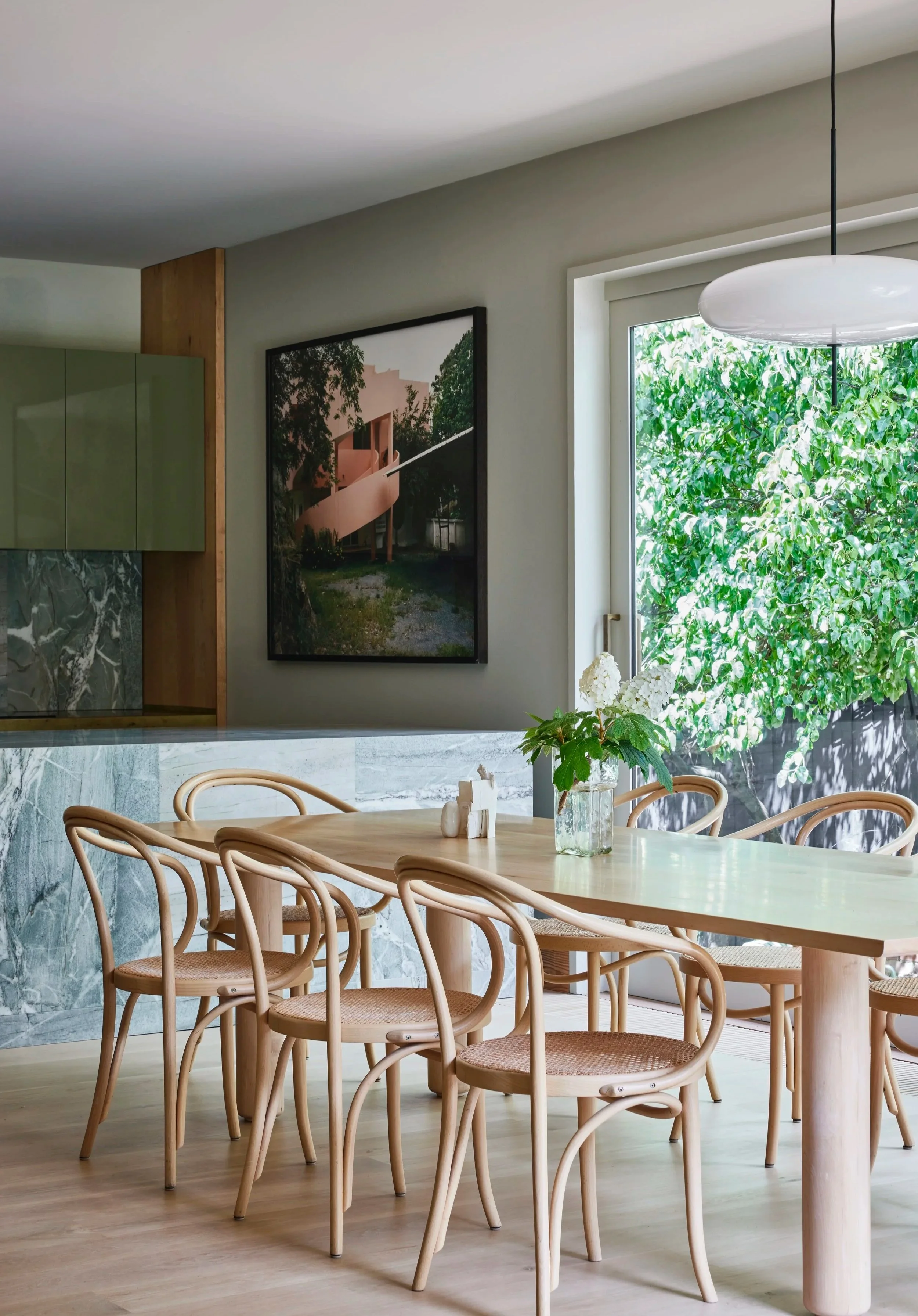
Hill House—Fiona Lynch’s own home. Architectural photograph by Chris Pennings from Fini Frames.
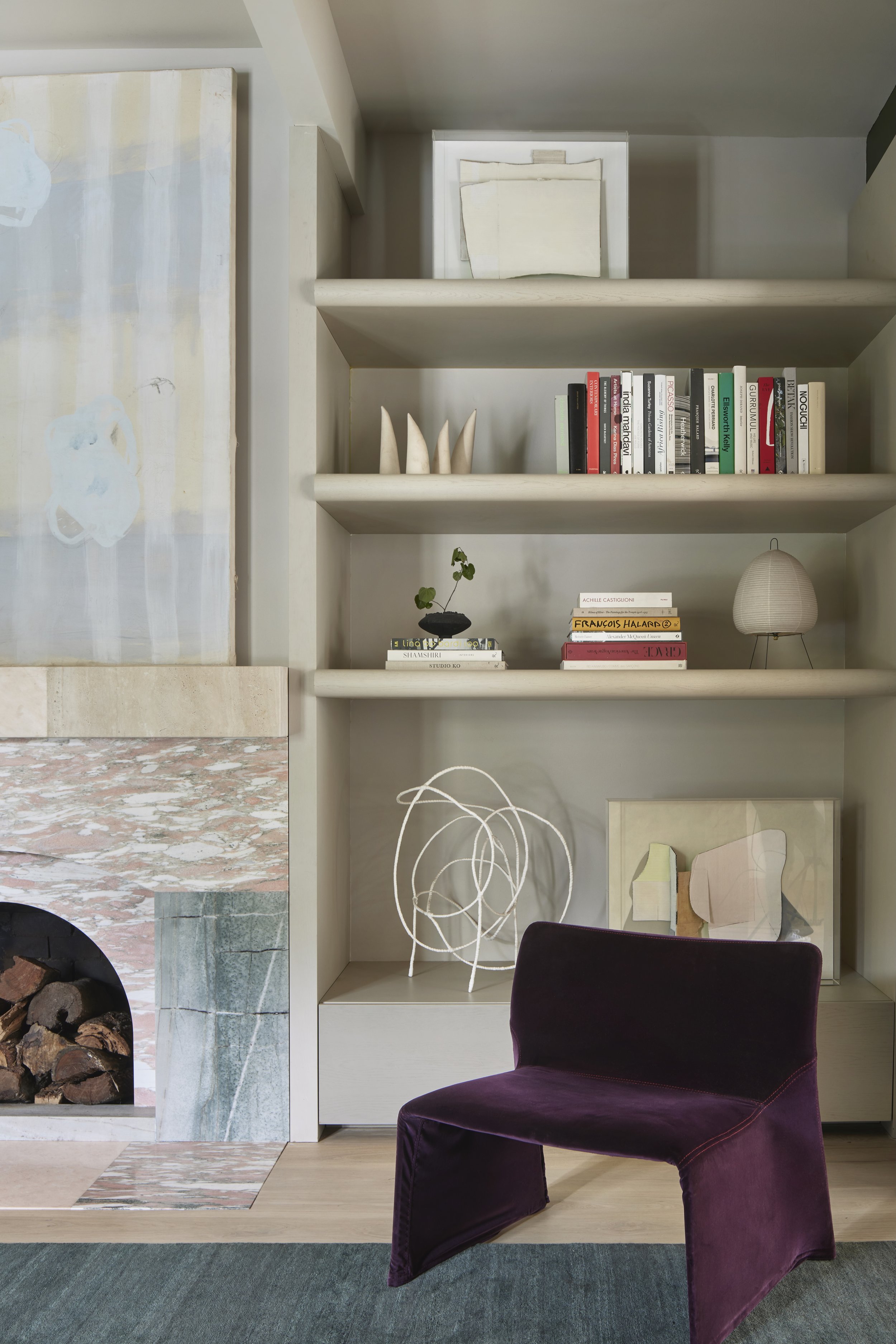
‘After living in the home for thirteen years, we decided it was time to renovate and make it our own,’ shares Fiona Lynch about Hill House.
“One of my earliest memories is sitting in the car as a kid looking out at the Australian landscape and being blown away be the changing terrain and kaleidoscope of colours. The characteristic hues and distinctive light have been etched into my memory, influencing the way I marry colours and textures.”
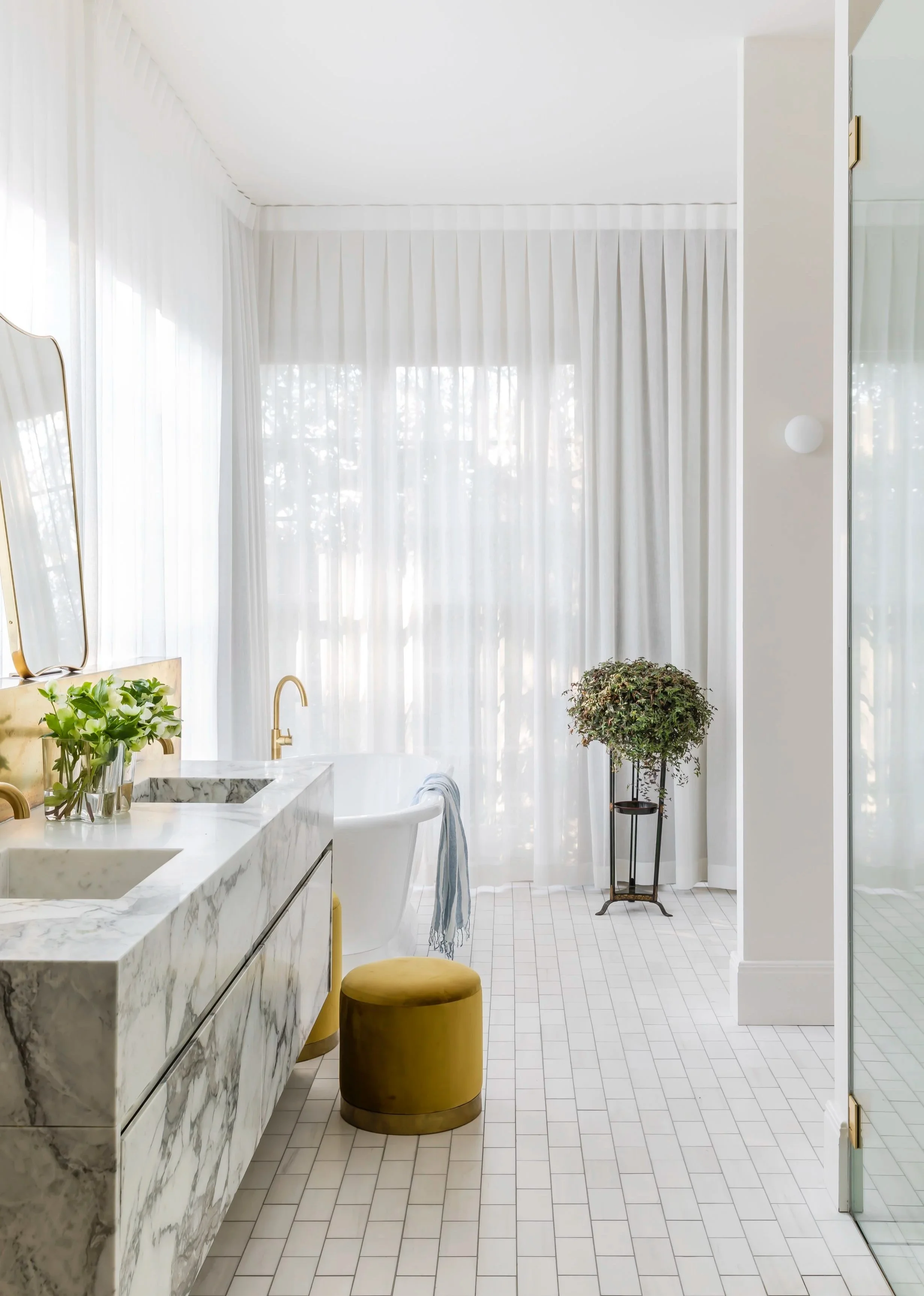
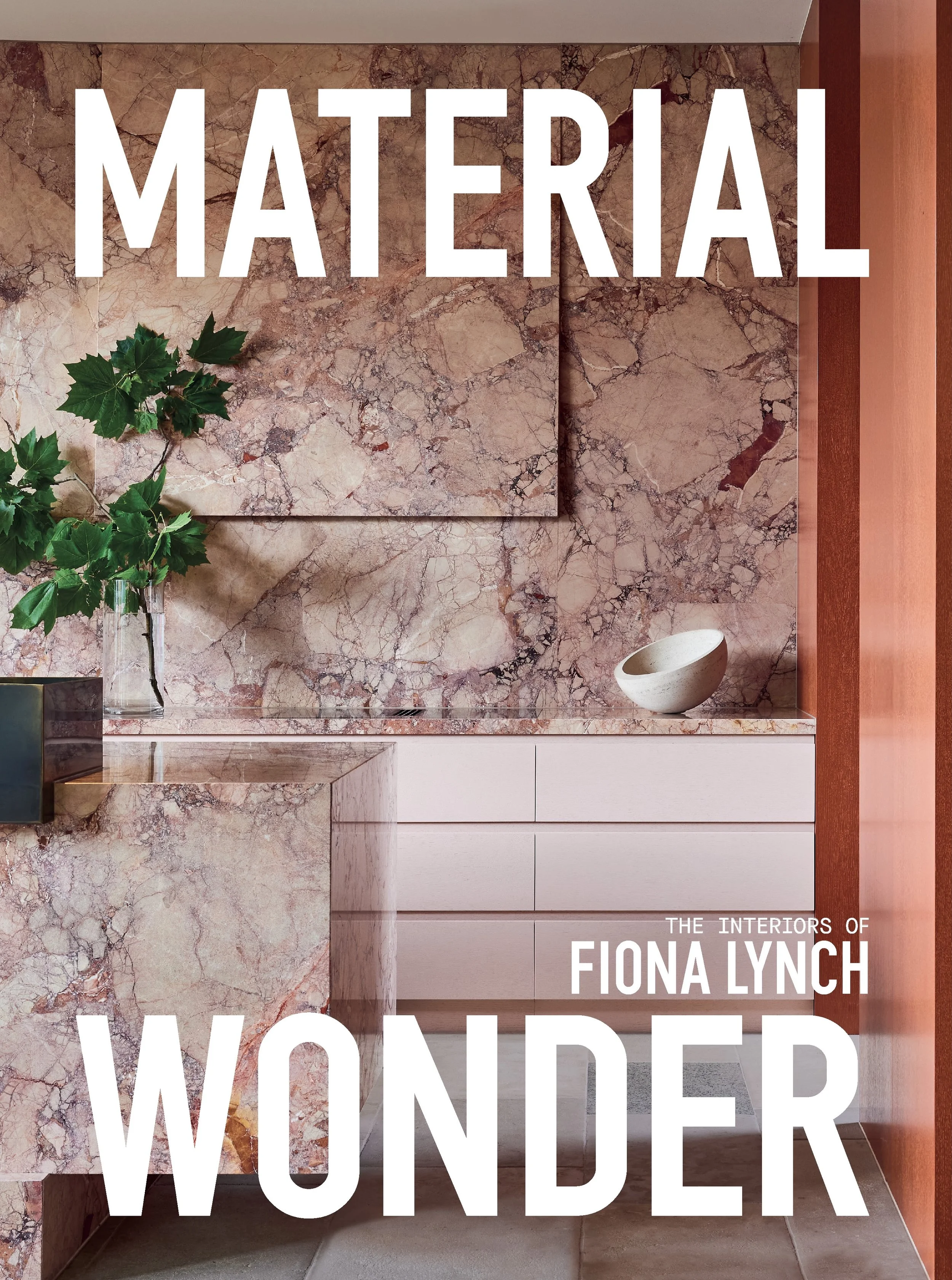
In Material Wonder, Fiona Lynch opens the studio door on a longstanding preoccupation: how materials carry mood.
Trained first as a painter, Fiona approaches interiors with an artist’s eye for composition and an editor’s instinct for restraint. Stone, metal, timber and textile are cast as protagonists rather than props—setting the tone, pace and character of a room.
At first glance, the work reads as restrained. Surfaces are tuned, finishes layered, each move doing a clear job. Fiona’s idea of ‘spirited minimalism’ comes through in use: a purple lacquer desk that anchors a home office, pink marble that centres a kitchen, an island wrapped in ruched, pumice-coloured leather that softens the joinery. The spaces remain quiet, but every decision lands.
The book traces Fiona’s way of seeing; the deep greens and ocean blues found within granite; the sense of movement honed into creamy marble; the quiet drama of burnished metal against open grain. Materials are tested and re-tested with fabricators and makers until they begin to speak back. That conversation is where the work lives: in joins and edges, in the weight of a handle, the turn of a corner, the fall of light across a matte wall.
Fiona’s path from fine art to interiors is clearest in her handling of proportion and negative space. Rooms are composed like paintings: colour as a structural element, texture doing the narrative work. There is confidence in what’s left unsaid — the restraint to hold a palette, the discipline to let a single material take the lead. The effect is slow-burn: spaces that deepen with time, gaining complexity as you live with them.
Material Wonder steps inside the work itself: process shown alongside outcome, experiments beside resolution. Each project shows how Fiona Lynch Office builds atmosphere from the ground up: how a single hue can set a tone, or how one slab of stone sets rhythm and proportion. Sustainability is treated as part of the brief, resolved through material choices and long-lived design rather than called out on the page.
Fiona’s interiors invite touch as much as they invite observation. By letting materials lead: their texture, memory and temperament—she builds spaces that feel both grounded and alive. Material Wonder traces that approach with calm precision: rooms composed not through excess or ornament, but through materials, craft and care.
This is an edited extract from Material Wonder :The Interiors Of Fiona Lynch, published by Thames & Hudson Australia. Out now
