

Broken Head Settlers Cottage By Studio Isaza
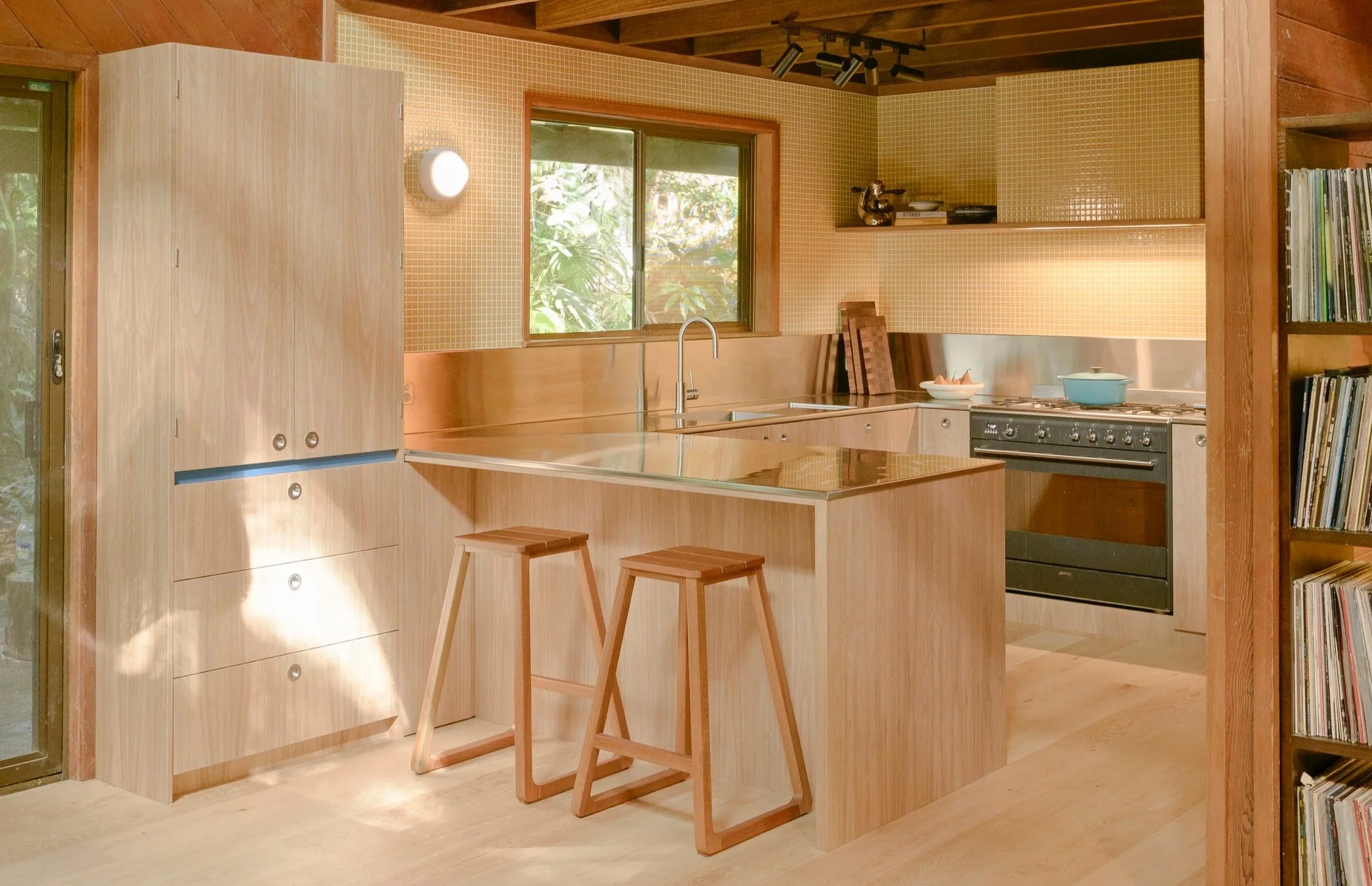
Studio Isaza reimagines a timber settler’s cottage in Broken Head, bringing its character forward with mid-century cues, natural materials and a mindful response to place.
Words HANDE RENSHAW Photos NATALIE MCCOMAS Interiors STUDIO ISAZA Build SAM ANTHONYSZ Joinery 500 WORKSHOP
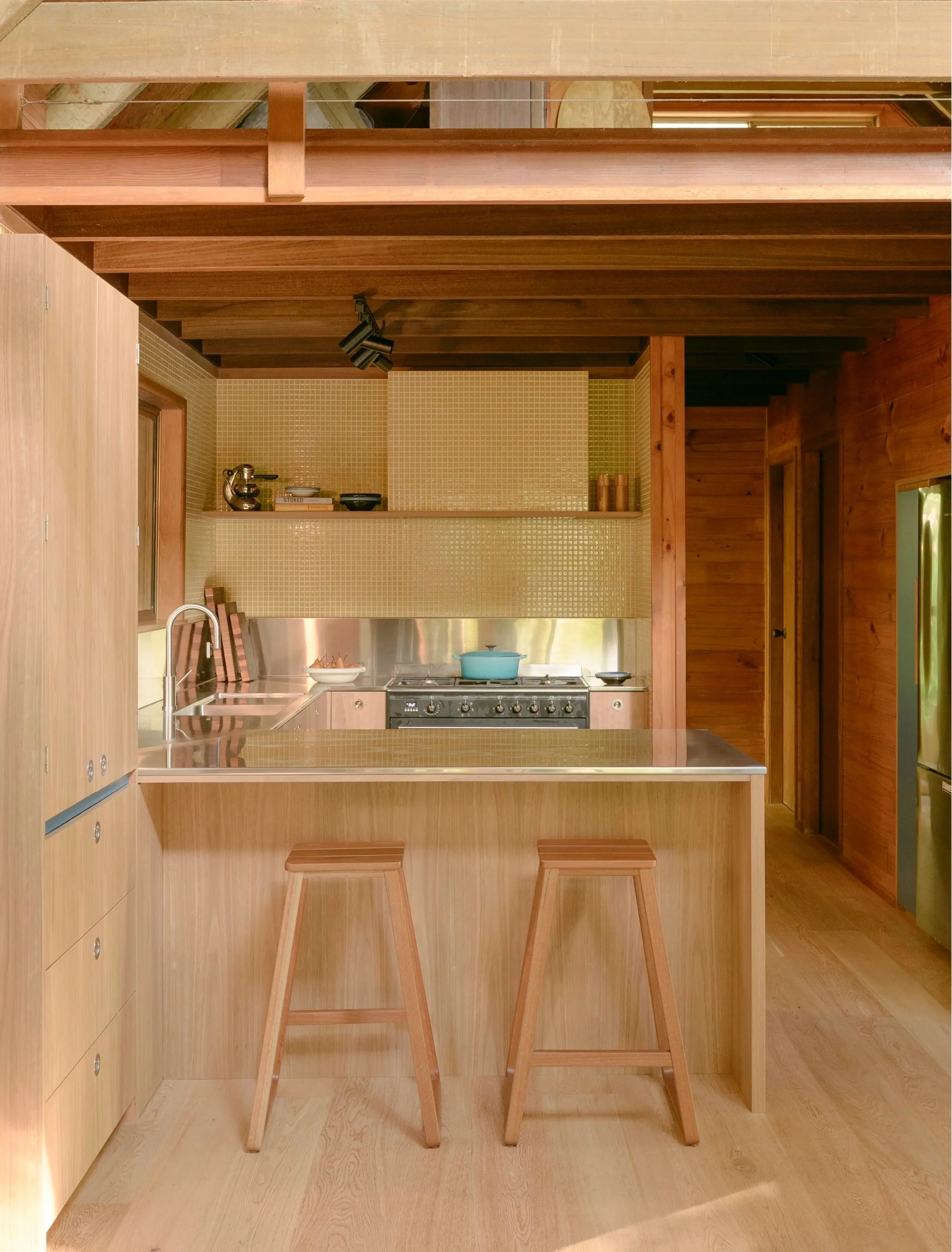
Studio Isaza treated the cottage with a light hand, layering in natural materials, soft colour and considered gestures that sit as if they were always part of the house.

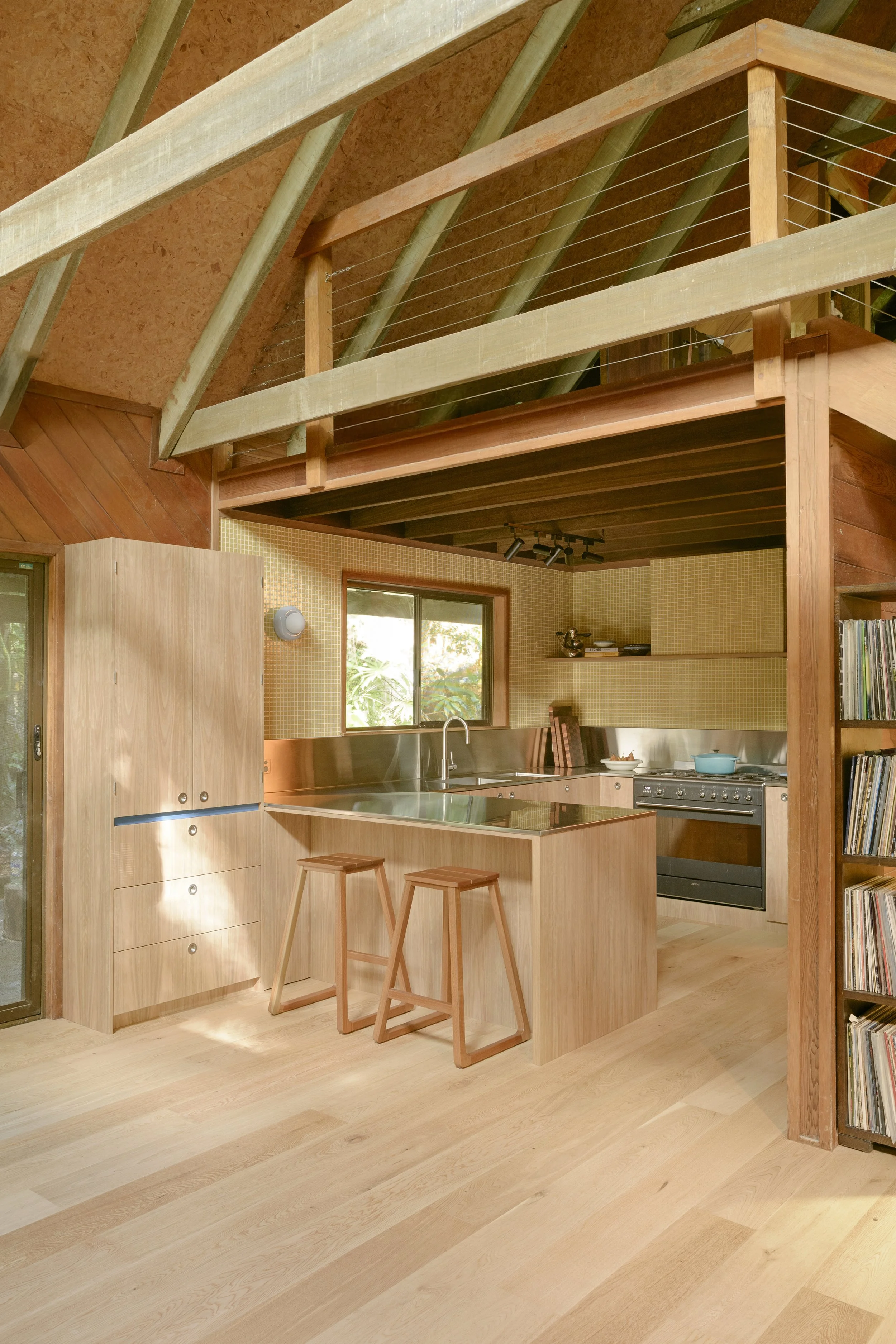
Introducing blonde timber flooring and joinery on the lower level brings in more light and connects the interiors to the surrounding bush.

‘Colour played a joyful role throughout, most notably with butter yellow tiles, complemented by stainless steel benchtops, minimalist hardware, and subtle nods to mid-century design,’ says Jana Isaza-Smith.

Butter-yellow tiles, stainless steel benchtops and detailed blonde timber joinery come together in the kitchen.
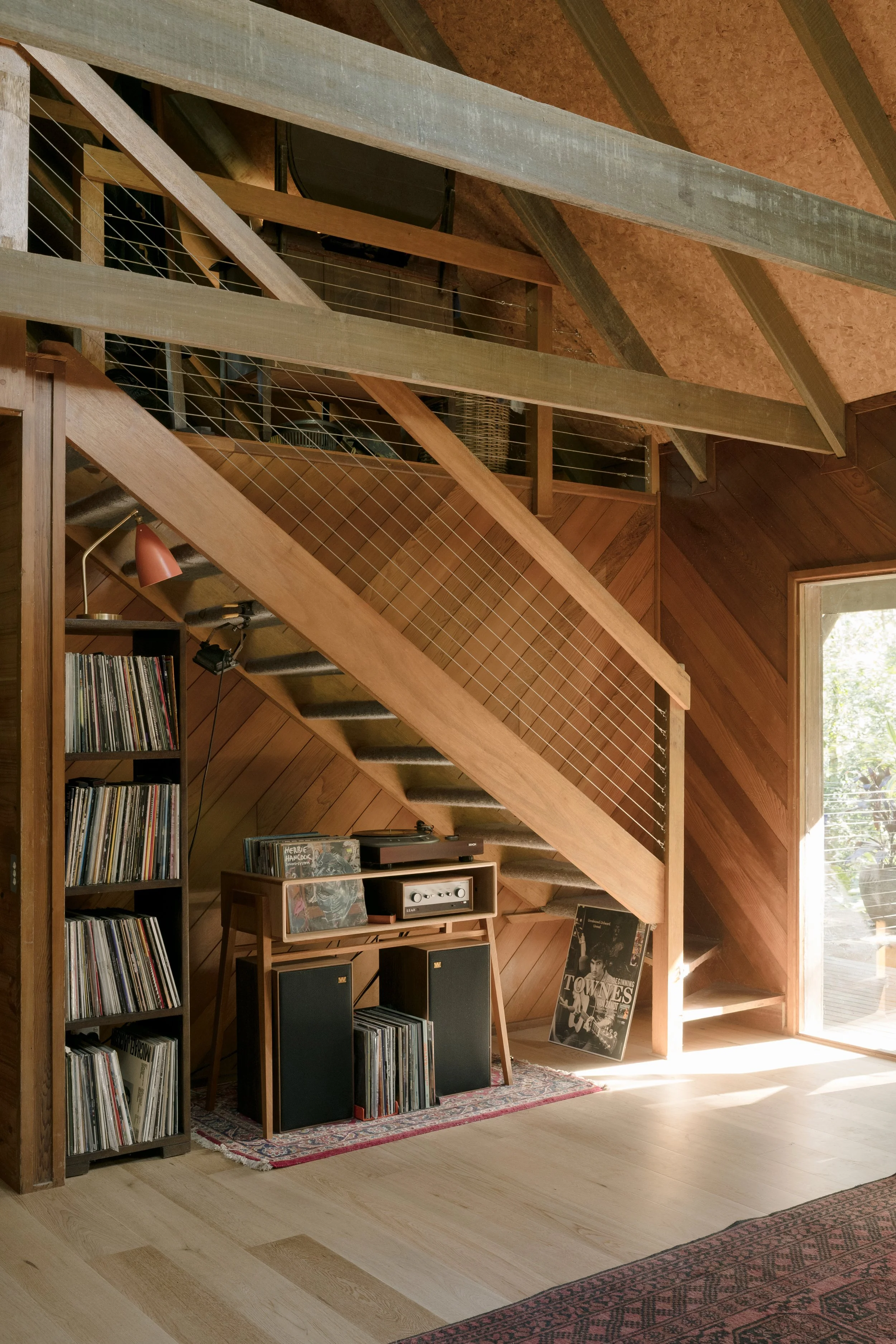
Mid-century cues and lived-in texture shape the heart of the home, grounded by timber and a well-loved record collection.

Blonde timber joinery opens to a curated bar.
“The transformation leans into the signature Studio Isaza design language—nostalgic, textural, and quietly expressive.”
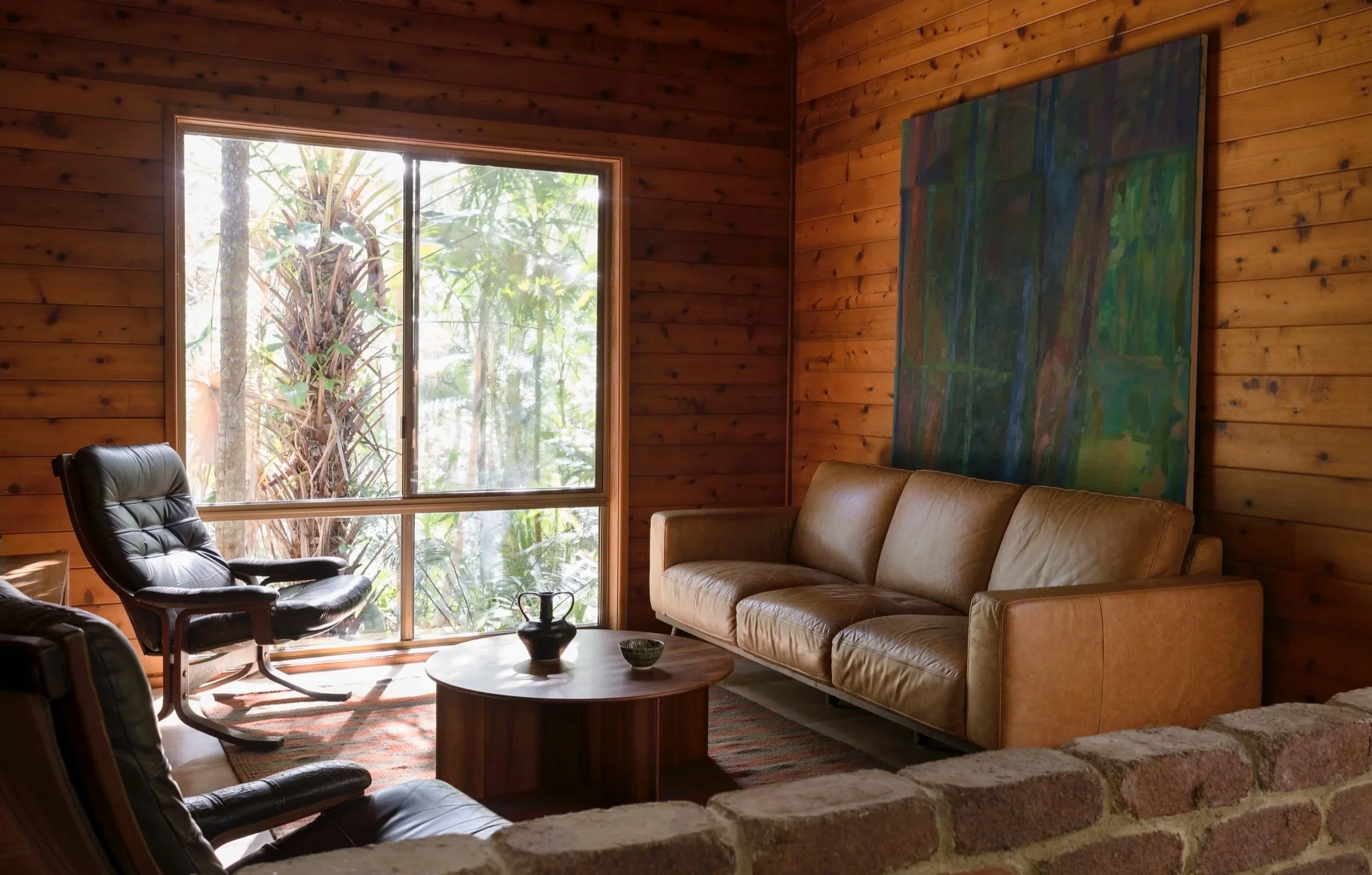
Nestled among the trees, the living space balances mid-century character with the cottage’s natural warmth.

Studio Isaza’s approach for this project embraced the essence of the cottage—its timber bones, bush outlook and informal charm.
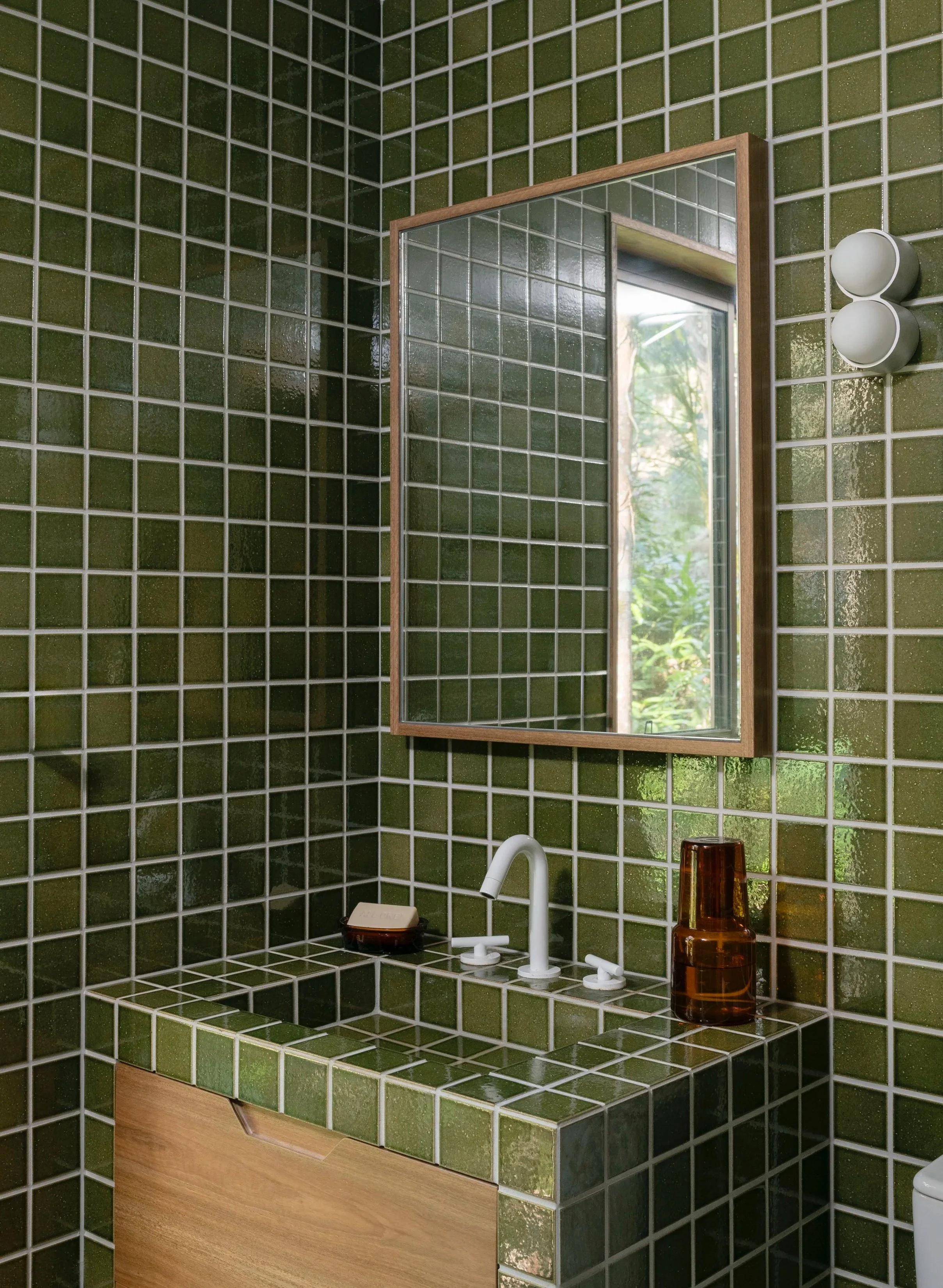
By expanding the bathroom and refining its lines, then layering in olive tiles and practical detailing, the space now carries a calm, spa-like atmosphere.
Set on a slope in the subtropical bush of Northern NSW, a charming 1920s timber settler’s cottage has been thoughtfully reimagined by Studio Isaza.
The brief called for a light-handed refresh that honoured the cottage’s original bones while drawing out the homeowner’s personality, an affinity for mid-century design, photography, music and lived-in ease.
The house already had appeal, but it felt visually heavy: dark flooring, dated finishes and a layout that no longer supported contemporary life. Those personal references to mid-century pieces, colour and culture set the tone for the update, a palette of warmth, nostalgia and subtle play layered into a calm, contemporary framework.
Studio founder Jana Isaza-Smith approached the project with her familiar balance of generosity and restraint. The first step was to replace the worn flooring with blonde timber boards on the lower level. Immediately, the rooms brighten, as the timber reflects light and connects the interior more closely to the surrounding bush.
In the kitchen, a complete rethink introduced more storage and easier flow. Stainless steel benchtops, butter-yellow tiles and finely detailed timber joinery form a nostalgic yet refreshed heart of the home—a space that feels familiar, welcoming and quietly expressive. The bathroom follows the same ethos, with olive tiles, simplified lines and a reconfigured layout that allows for a generous shower and a softly immersive, spa-like feel.
Furniture and objects from local makers anchor the cottage in place and community: joinery by 500 Workshop, bar stools and a coffee table by Martin Johnston Furniture, a Pampa rug underfoot and artwork by Amber Wallis.
Throughout, the palette moves between warm timber, soft colour and functional metals, a material language that speaks to Studio Isaza’s commitment to natural finishes, tactile surfaces and soulful storytelling. ‘The new alterations sit comfortably within the original timber cottage, embracing the home’s nature rather than resisting it,’ Jana explains. It’s a philosophy that shows up in each design choice; the mid-century lines, the natural materials, and subtle details that lighten the cottage’s timber form.
The cottage remains recognisably itself, with its timber structure and bush outlook intact, but the spaces now function more smoothly and feel more considered. Studio Isaza’s work sharpens how the home is used and experienced, while keeping its relaxed, lived-in character.
