

Oikos Estudio By Pascale Zintzen
Multidisciplinary artist Pascale Zintzen of Oikos Estudio works between Barcelona and the Baix Ebre countryside, drawing on her archaeology background and the memories, rituals and identities held within objects.
Words HANDE RENSHAW Photos MIEREIA FARRAN & CARISSA DÍAZ ALEMÁN
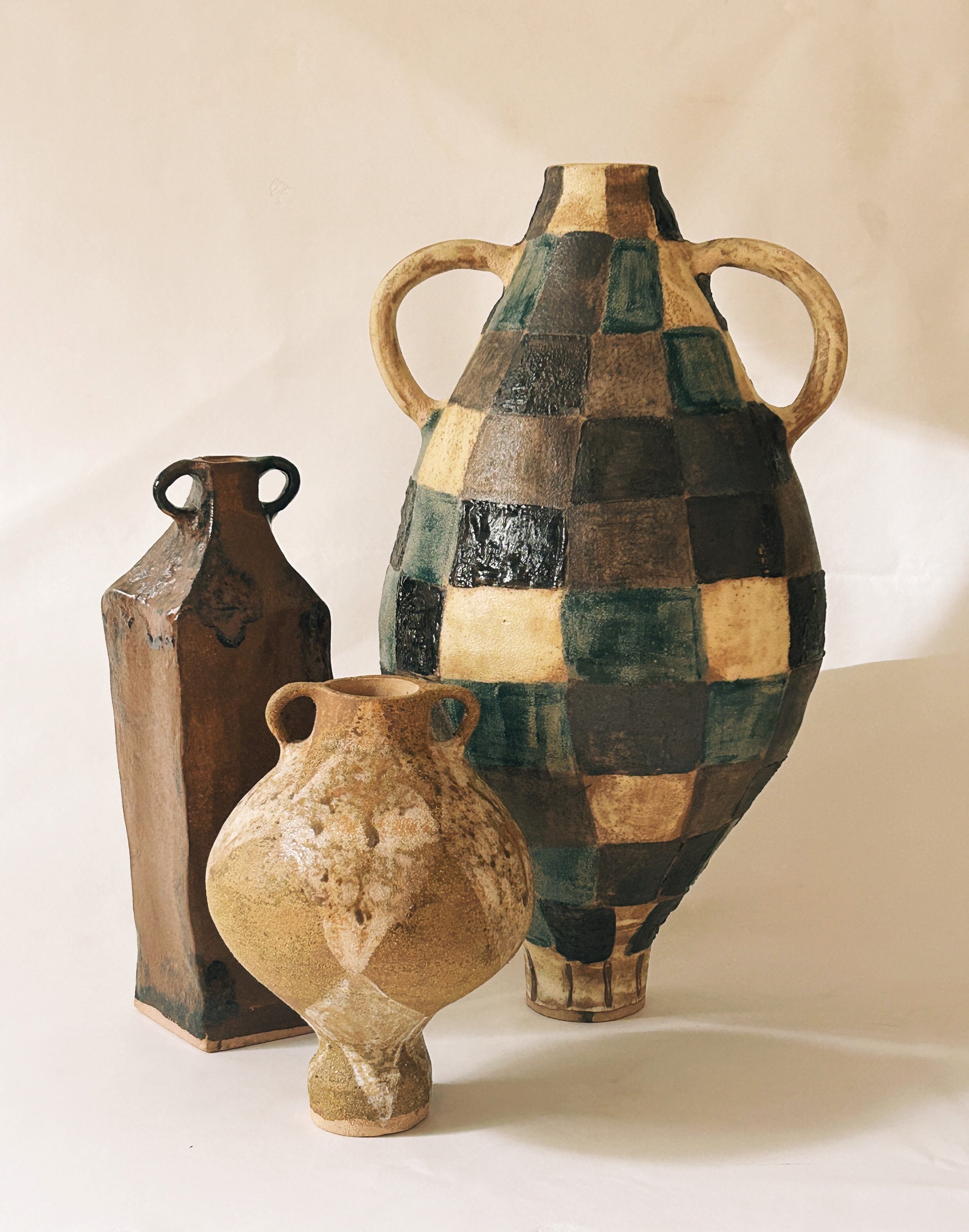
Clay sits at the centre of Pascale Zintzen’s practice, where she creates pieces that sit between functional art and sculpture. Photo: Courtesy Oikos Estudio
During our family walks in the countryside, I started to see there was plenty of natural pigments to collect… I spend time using them as a way of bringing landscape directly into the studio,’ shares Pascale Zintzen. Photo: Mireia Farran
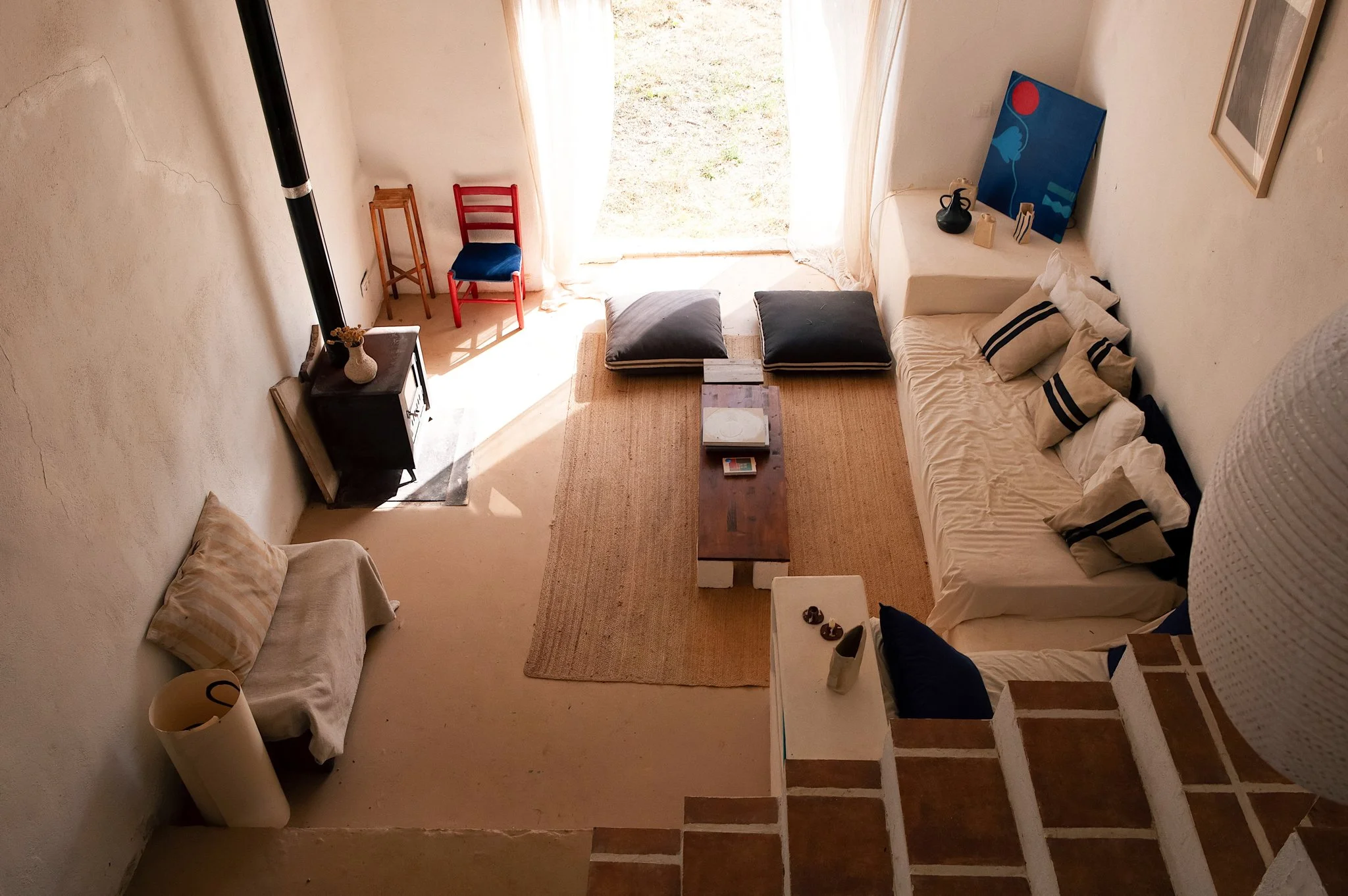
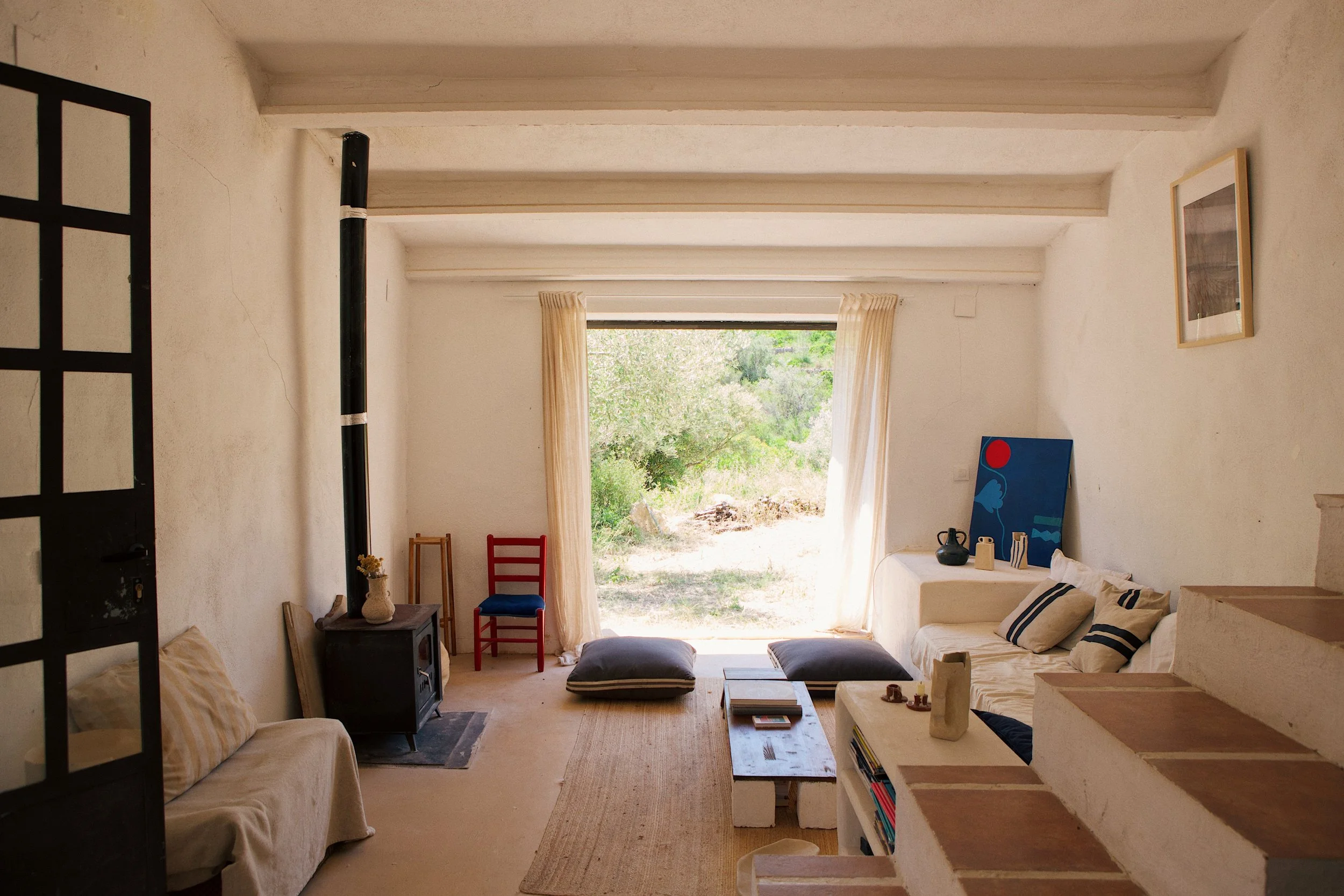
Pascale Zintzen’s home in the countryside in magical Baix Ebre is a never-ending source of inspiration.
“Archaeology taught me to read objects as carriers of memory, ritual and identity.”
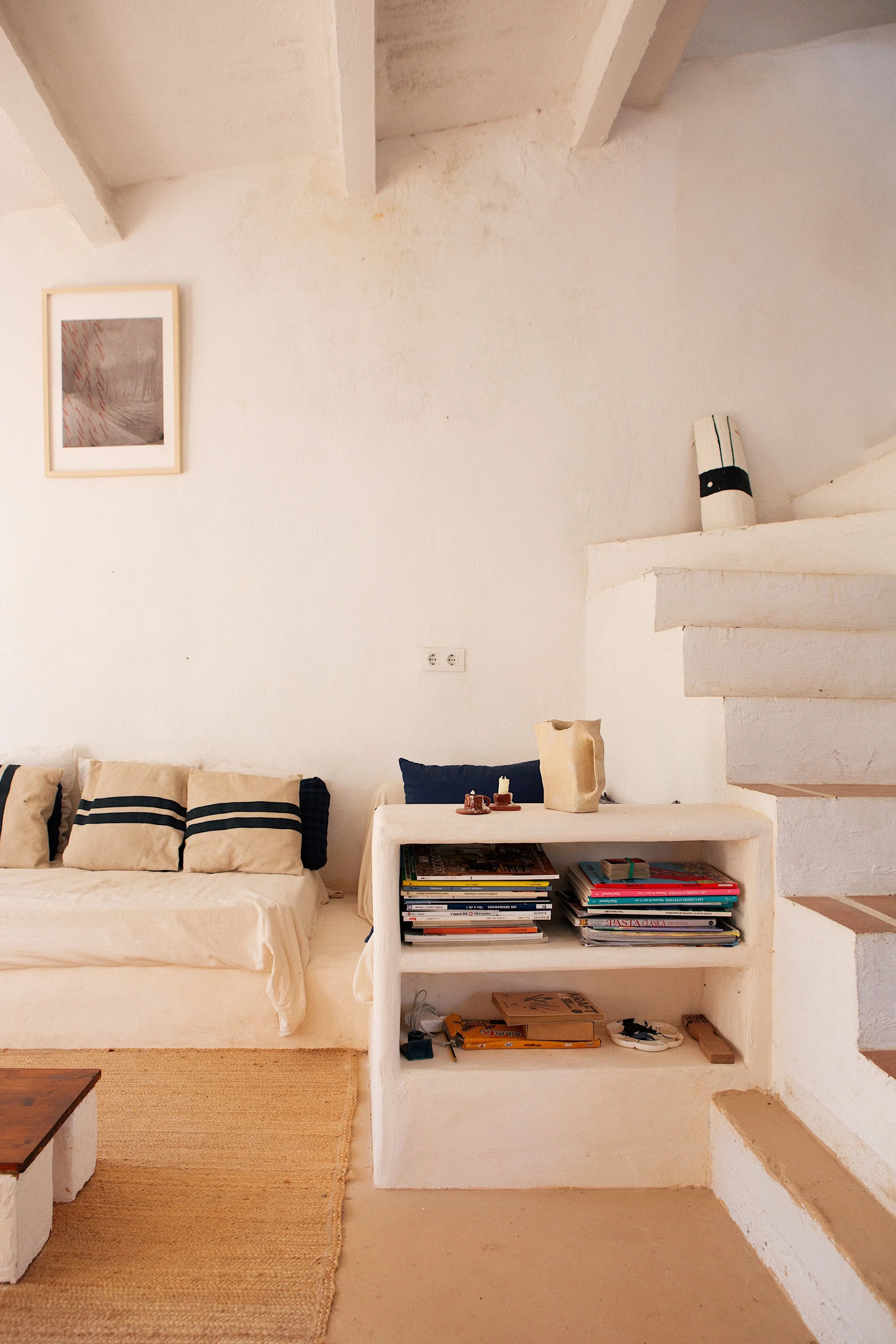
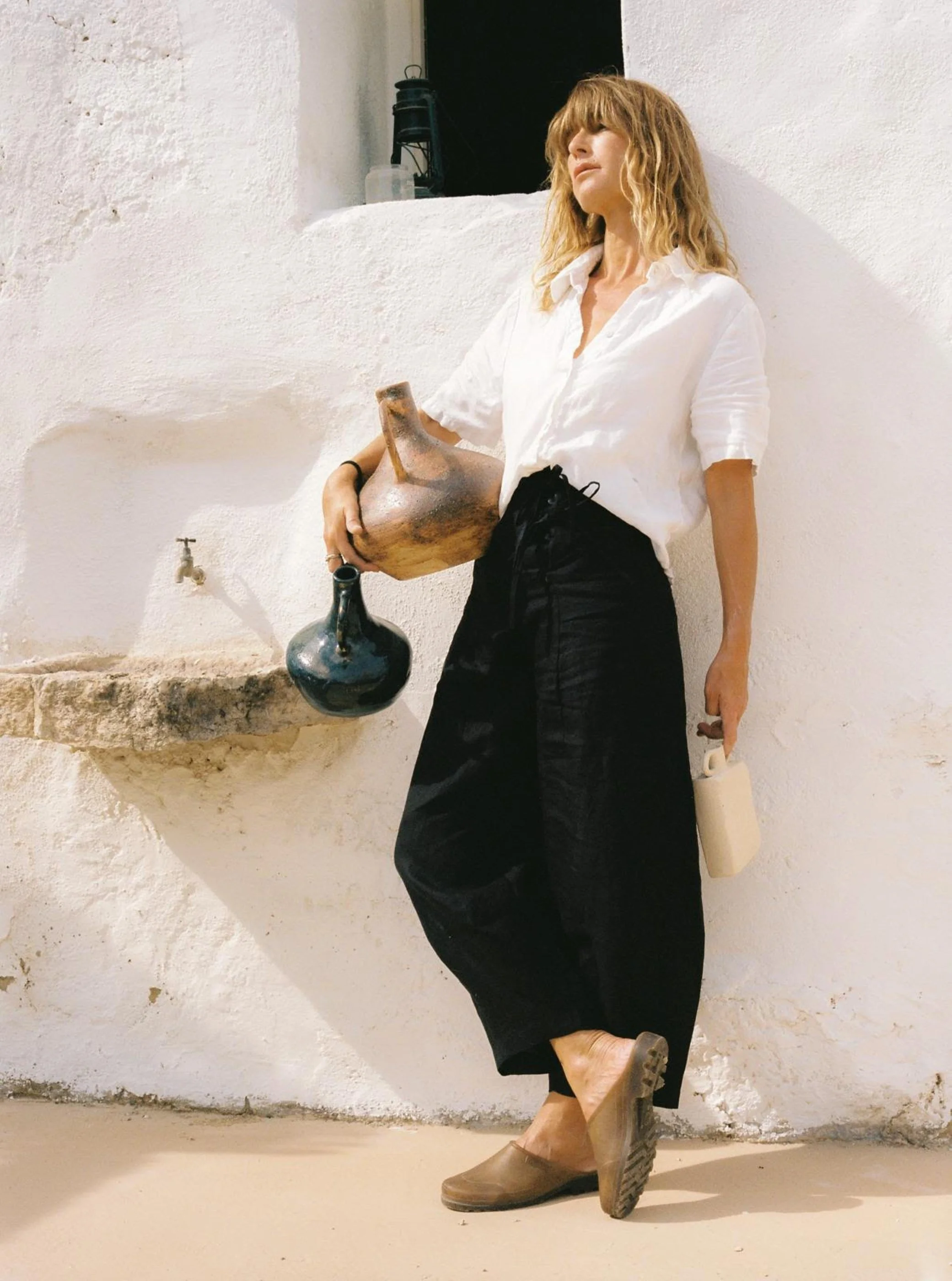
Pascale Zintzen is based in Spain, and splits her time between Barcelona and the region of Baix Ebre, in the countryside. Photo: Carissa Díaz Alemán

‘I am still completely fascinated by this material [clay]. I love and need to be in contact with it every day. It's like drinking and eating each day, really.’ Photo: Courtesy Oikos Estudio
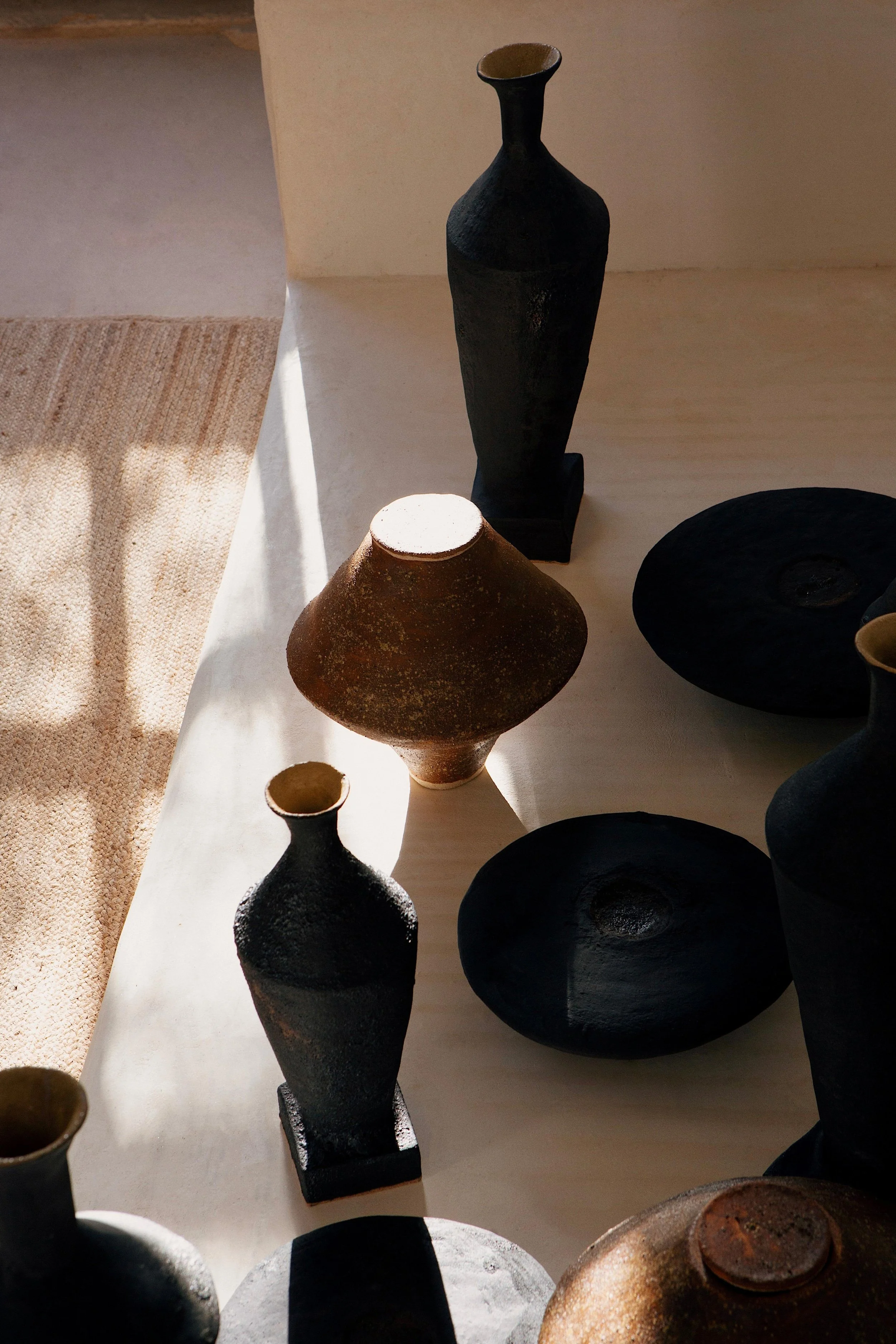
‘I am a real obsessive maker, so I do work, wherever I am, and with whatever I have to work with.’ Photo: Carissa Díaz Alemán
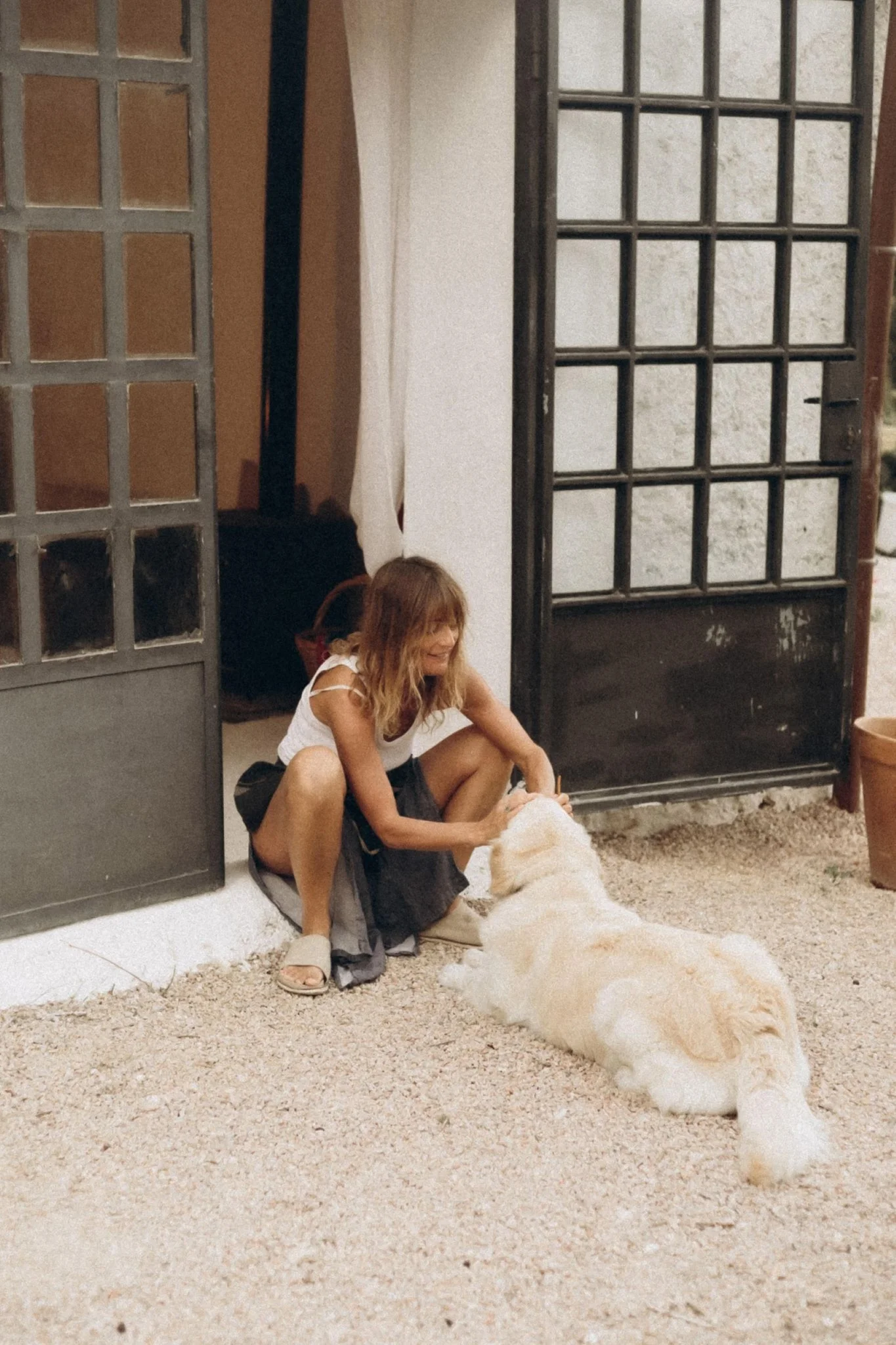
‘Barcelona brings energy, culture and more social life, while Baix Ebre provides space, slowness, silence and a close relationship with the landscape.’ Photo: Radchenko Phototogtaphy
Splitting her time between Barcelona and the Baix Ebre countryside, multidisciplinary artist and Oikos Estudio founder Pascale Zintzen creates hand-built vessels and sculptures shaped by clay, memory and the enduring language of objects.
For Pascale, making begins with the act of noticing. Working primarily with clay, alongside bronze and ink on Japanese paper, she explores materiality, memory and the stories carried through her work.
Before ceramics became central to her practice, Pascale studied archaeology and art history, developing an enduring fascination with vessels and the cultures that created them.
‘I loved my studies because I got bombarded with thousands and thousands of images of all types of objects, aesthetics, symbols, use, interpretations. That influence is still very present. It's like the alphabet of my language, my practice,’ she shares.
Ceramics followed naturally. After years spent studying archaeological objects, Pascale found herself wanting to move from observing and analysing them to making her own. The vessel remains a recurring form, connected to what she describes as a collective human memory.
Her daily rhythm is about making by touching, testing, failing, and repeating. Each piece is made entirely by hand, without moulds or a wheel, and rarely begins with a fixed form. ‘Ideas do not arrive fully formed; they emerge through the process of making,’ she says.
The direct relationship with material continues across her practice. While drawing and bronze have become important extensions of her work, clay remains its centre. ‘I’m still completely fascinated by this material. I love and need to be in contact with it every day. It's like drinking and eating each day, really.’
The energy of Barcelona sits in contrast to the slower rhythm of Baix Ebre and its surrounding countryside. Her use of natural pigments began after a conversation with her best friend, an archaeologist, and developed through family walks in the area. ‘I started to see there was plenty of natural pigments to collect,’ she says. She gathers materials around Baix Ebre and other places she spends time, bringing a sense of place directly into her studio.
Motherhood has reshaped her practice over the years. Becoming a full-time single mother when her sons were young changed her relationship with time and, in turn, creativity. ‘It taught me to work within impossible constraints… to value repetition and to trust that meaningful work can grow from small, consistent gestures,’ she shares.
Pascale is currently developing larger bodies of work with greater freedom in colour, glazing and scale. Looking forward, she has a September installation with Sessùn during Paris Design Week, a group exhibition at Etesian Gallery in Menorca, and the beginning of a collaboration with London’s 8 Holland Street gallery later this year.
To stay up to date with Pascale Zintzen’s work, visit her website or follow @oikos_estudio.
