

Textiles x Art By Ramona Barry & Beck Jobson
Textiles x Art: How Textiles Are Shaping Modern Art, a new book by Ramona Barry and Beck Jobson, maps forty-four textile practices that show how textiles have become central to contemporary art.
Words HANDE RENSHAW
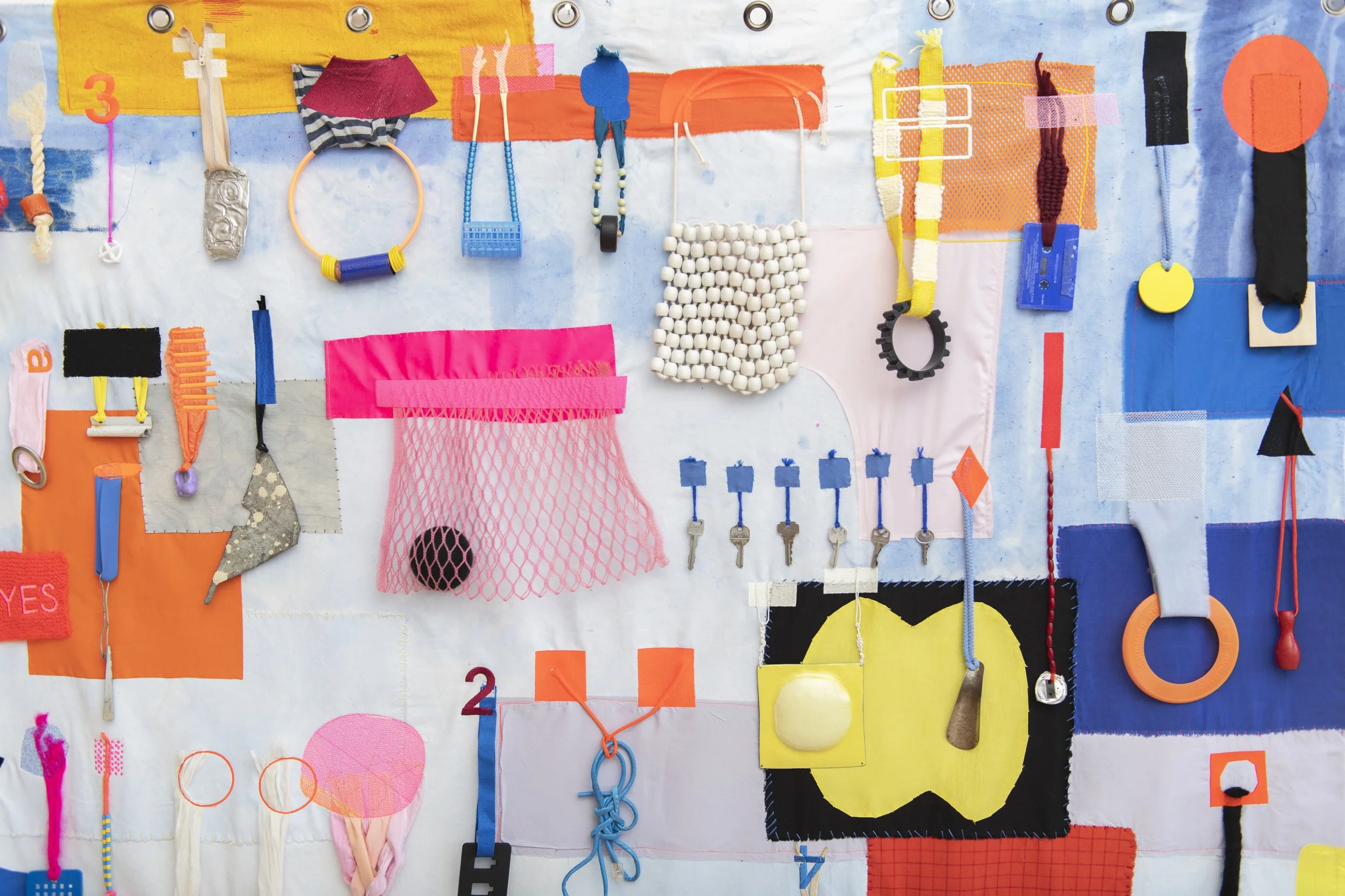
Made by Hand, 2019, handmade crotchet, cotton, thread, acrylic by Tina Fox. Photo: Ainslie Murray. Main hero image: Alley Walks 3 (For Robin) by Eleanor Anderson. Photo: George Perez
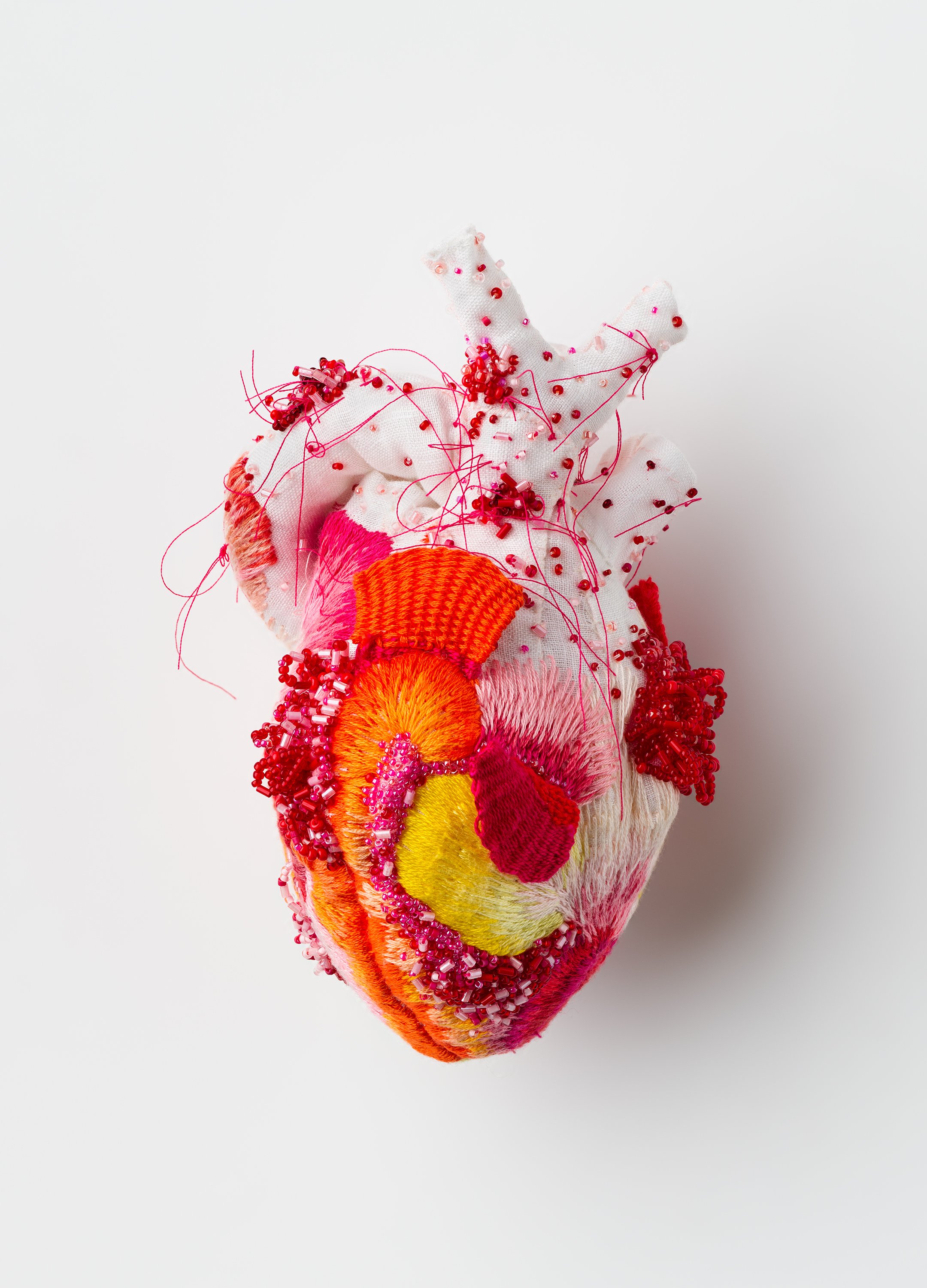
Hearts of Absent Woman #8, 2022, cotton, linen, glass beads, polyester, wire by Ema Shin. Photo: Narelle Wilson
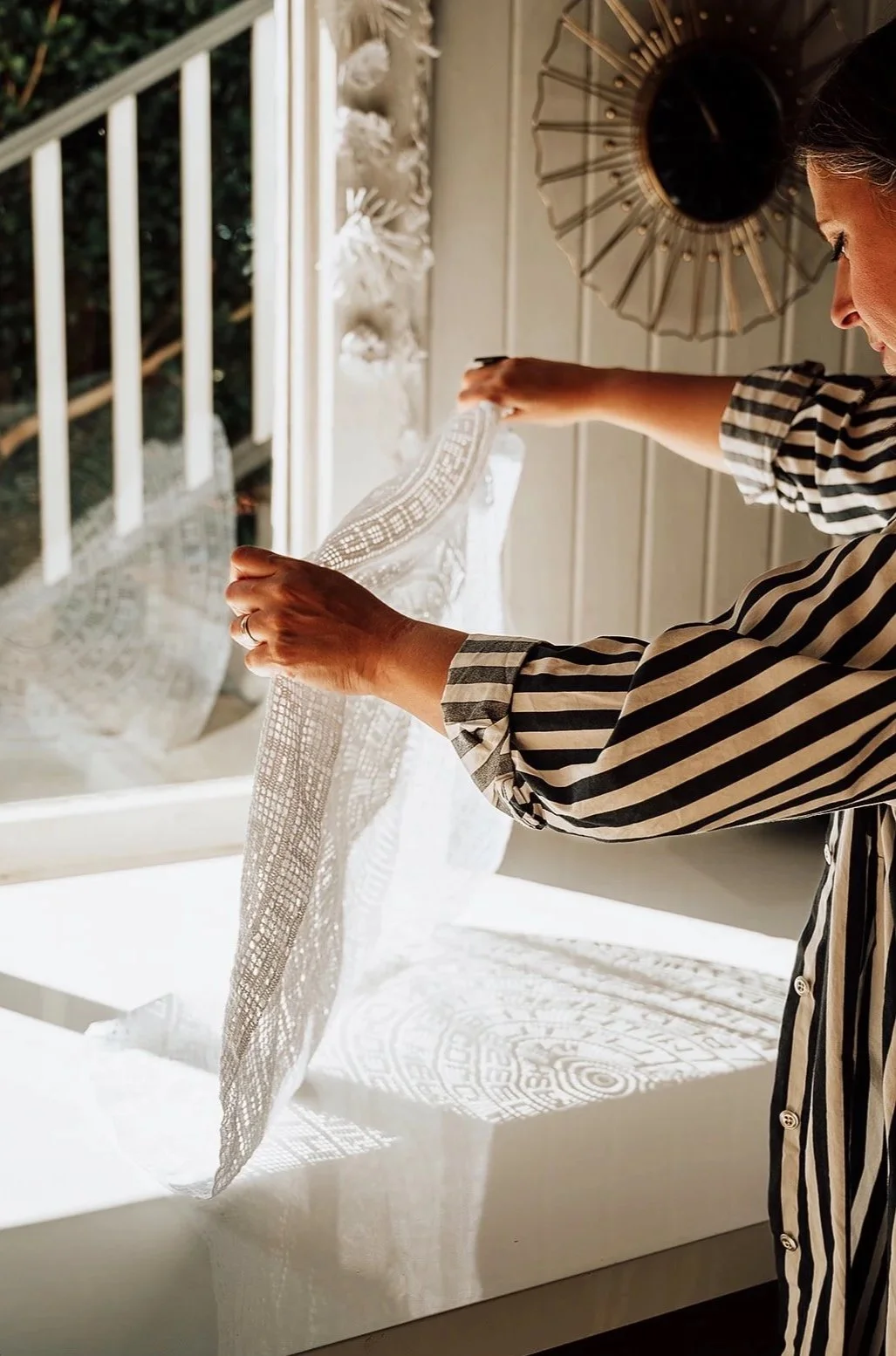
“Our lifelong relationship with textiles extends far beyond what we wear. Within domestic spaces, we express ourselves through pattern, colour and thread count.”
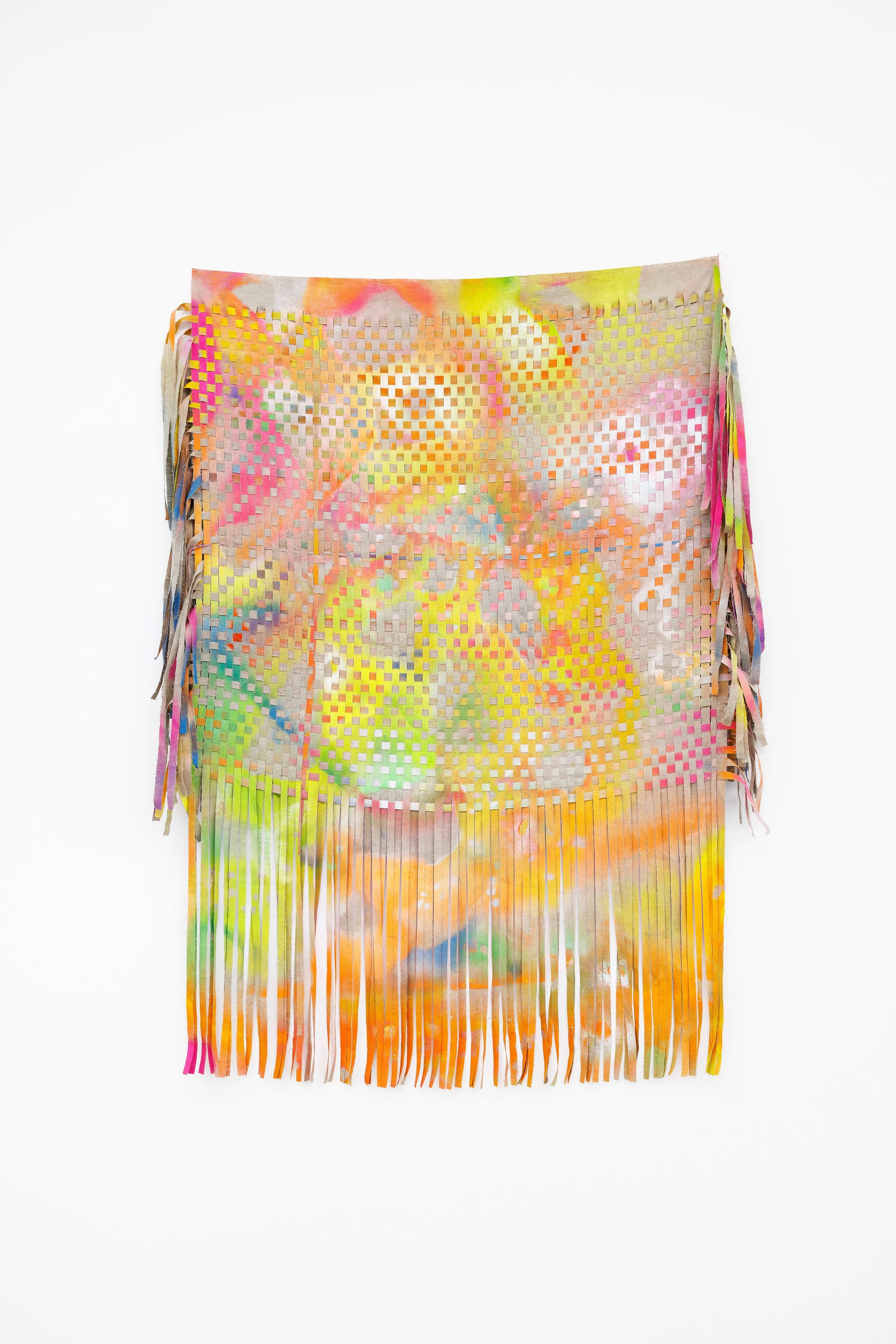
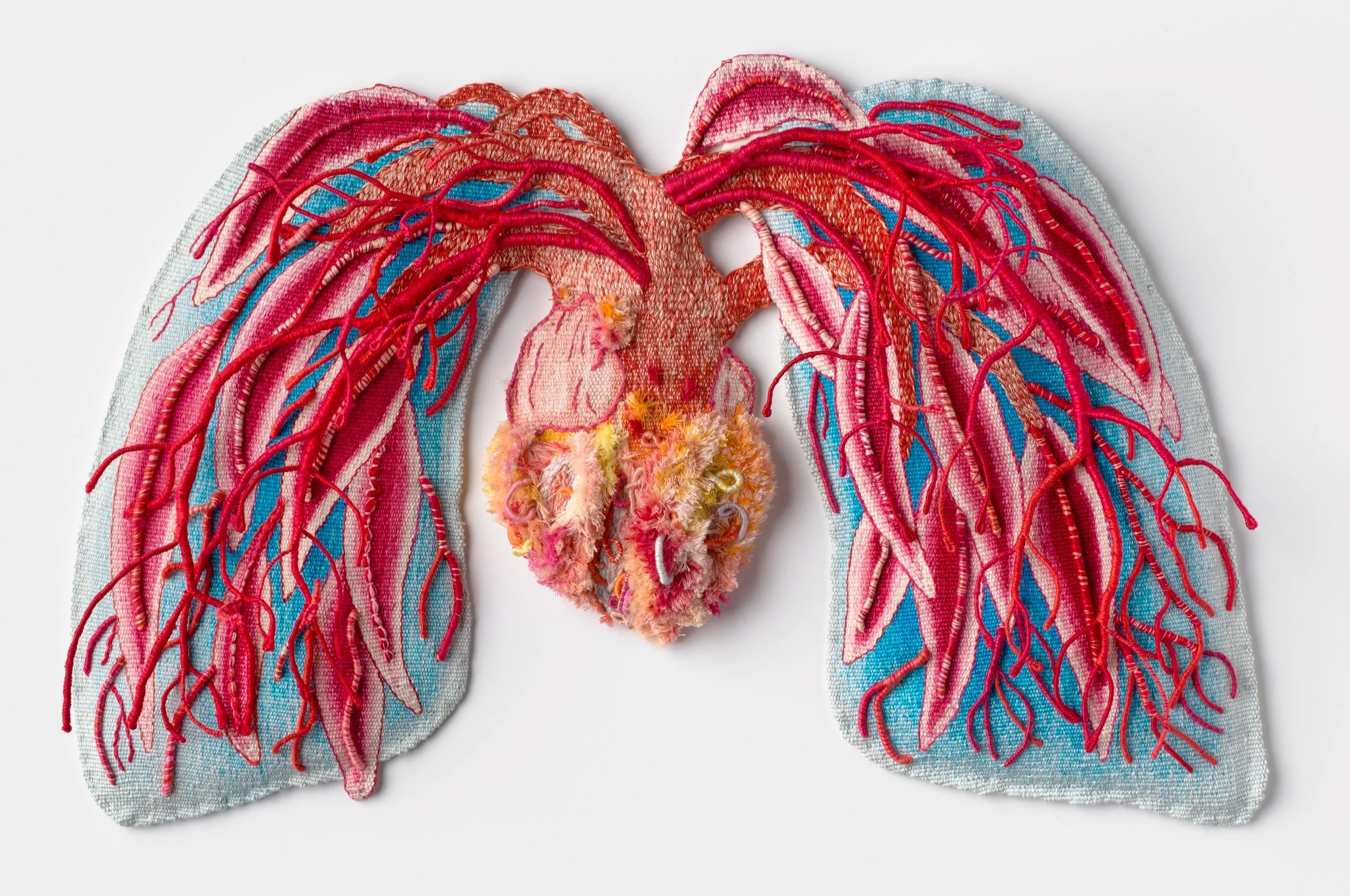
Quake, 2024, woven linen with spray paint by Kim Beck. Photo: Francesco Casale
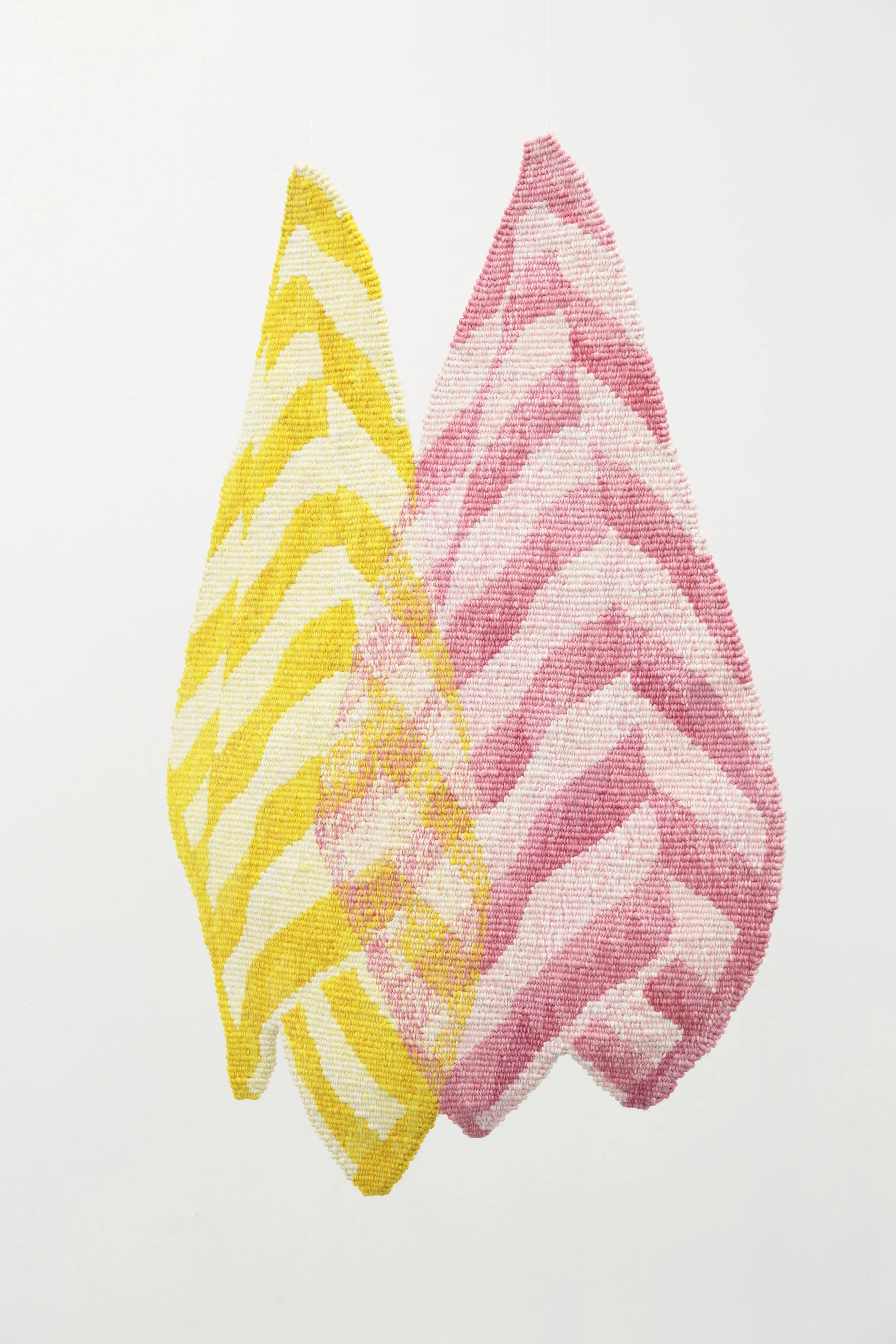
Interaction#YP, 2024, wool and cotton by Misako Nakahira. Photo: Tim Gresham
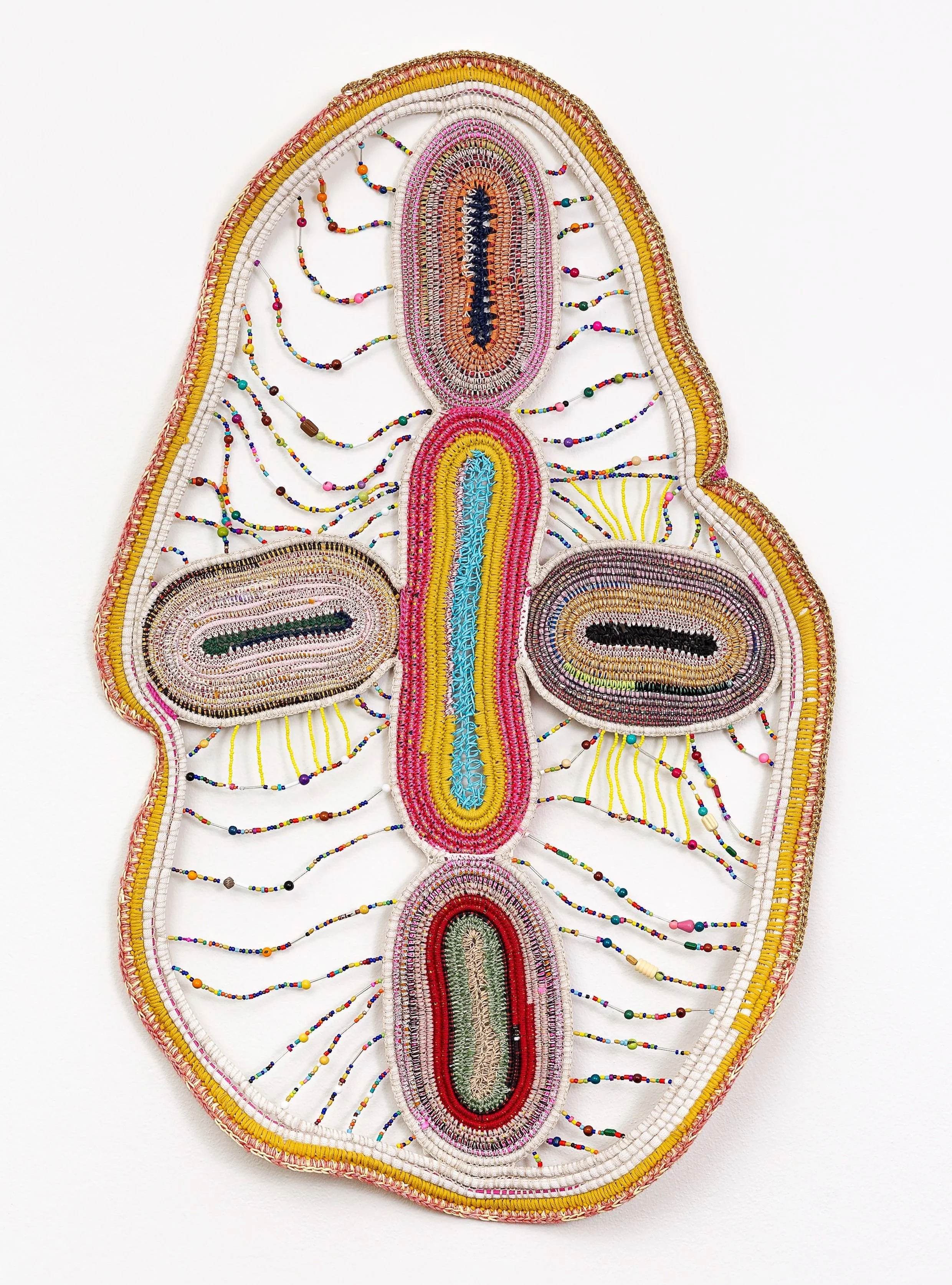
El Grito/The Scream, 2018, mixed media fibre by Paula do Prado. Photo: Document photography
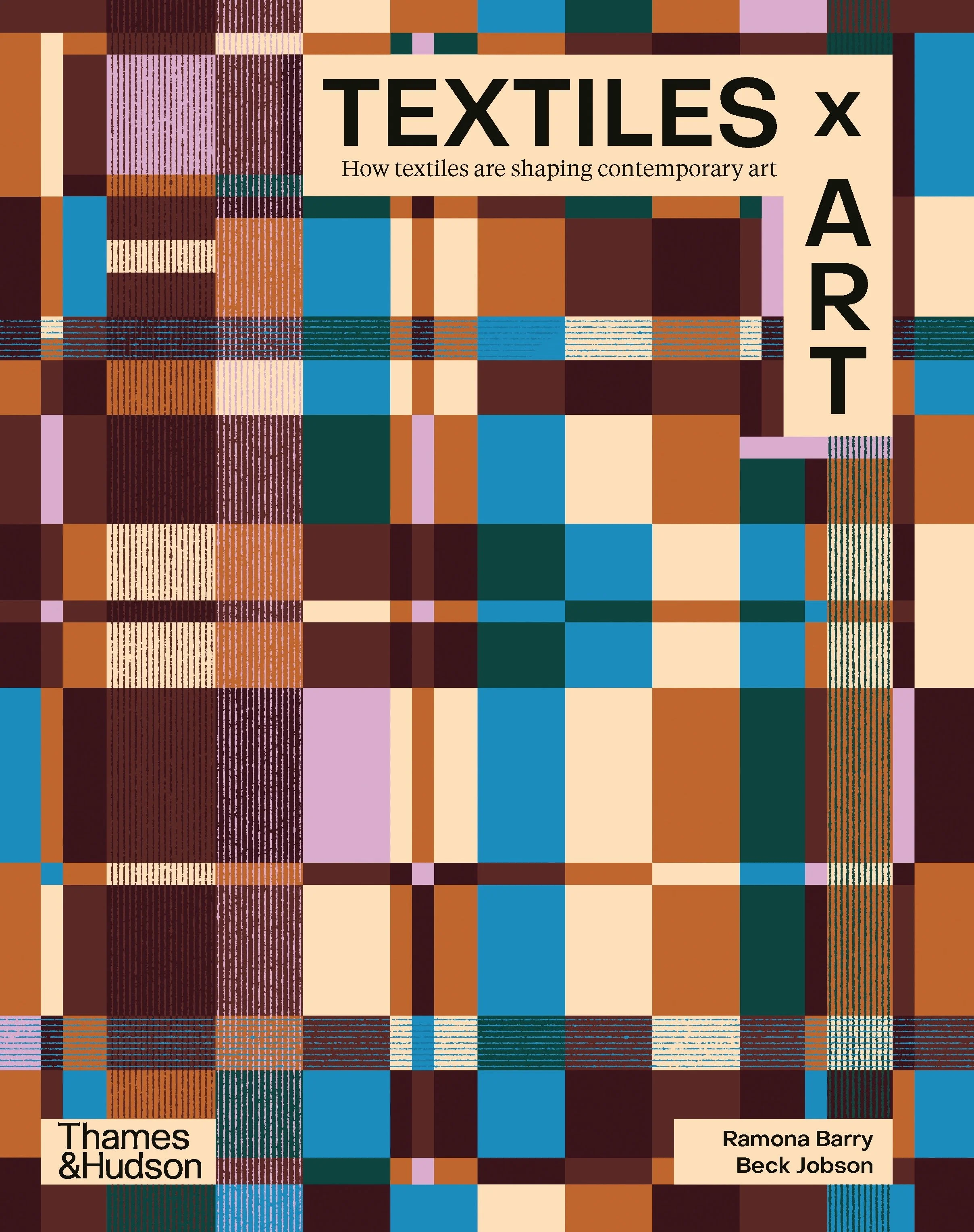
Textiles x Art By Ramona Barry & Beck Jobson is out now.
Textiles x Art: How Textiles Are Shaping Modern Art traces why thread, fabric and fibre have become so present in contemporary practice. In the new book, writer–curator Ramona Barry and textile artist–curator Beck Jobson follow forty-four artists who use cloth not as decoration, but as the core of their work.
Across Textiles x Art, Ramona and Beck trace how weaving, embroidery, quilting and dyeing have stepped out of their domestic framing and into galleries, museums and biennales. These techniques now hold stories of identity, labour, migration and landscape—subjects often explored in other mediums, but here shaped through slow, repetitive work that keeps the maker’s hand in clear view.
Textiles in the book appear as both evidence and response. Quilts chart place and kinship, mending reads as care, and woven gradients track shifts in the environment. Traditional skills stay at the core, but their use changes: industrial processes sit beside handwork, salvaged materials are brought forward, and familiar forms are pared back or reworked. Built stitch by stitch, each piece carries its making on the surface.
Ramona and Beck write from inside the discipline, which gives the book its clarity, paying attention to the decisions that shape textile practice: how a fibre is sourced, what a dye bath reveals about land and water, where a seam becomes a line of meaning. The book moves between studios and contexts to show how the same technique can shift in intention—quilting as protest, quilting as archive, quilting as design; indigo as chemistry, as ritual, as narrative. Rather than rehearsing the debate between ‘craft’ and ‘art,’ they show how that boundary has loosened, and how institutions have followed the makers who pushed it.
Textiles x Art shows where textile practice stands today: who is making, why these materials matter, and what their choices reveal. Its message is simple, textile art isn’t a passing trend, but a steady, influential force shaping the future of contemporary art.
This is an edited extract from Textiles x Art By Ramona Barry & Beck Jobson, published by Thames & Hudson Australia. Out now
