

Emiliano Miranda from Lintel Studio For Architecture
Informed by his Mexico City upbringing, Lintel Studio for Architecture director Emiliano Miranda shares how his past and present come together to create meaningful design.
Photos LUC RÉMOND & SASKIA WILSON
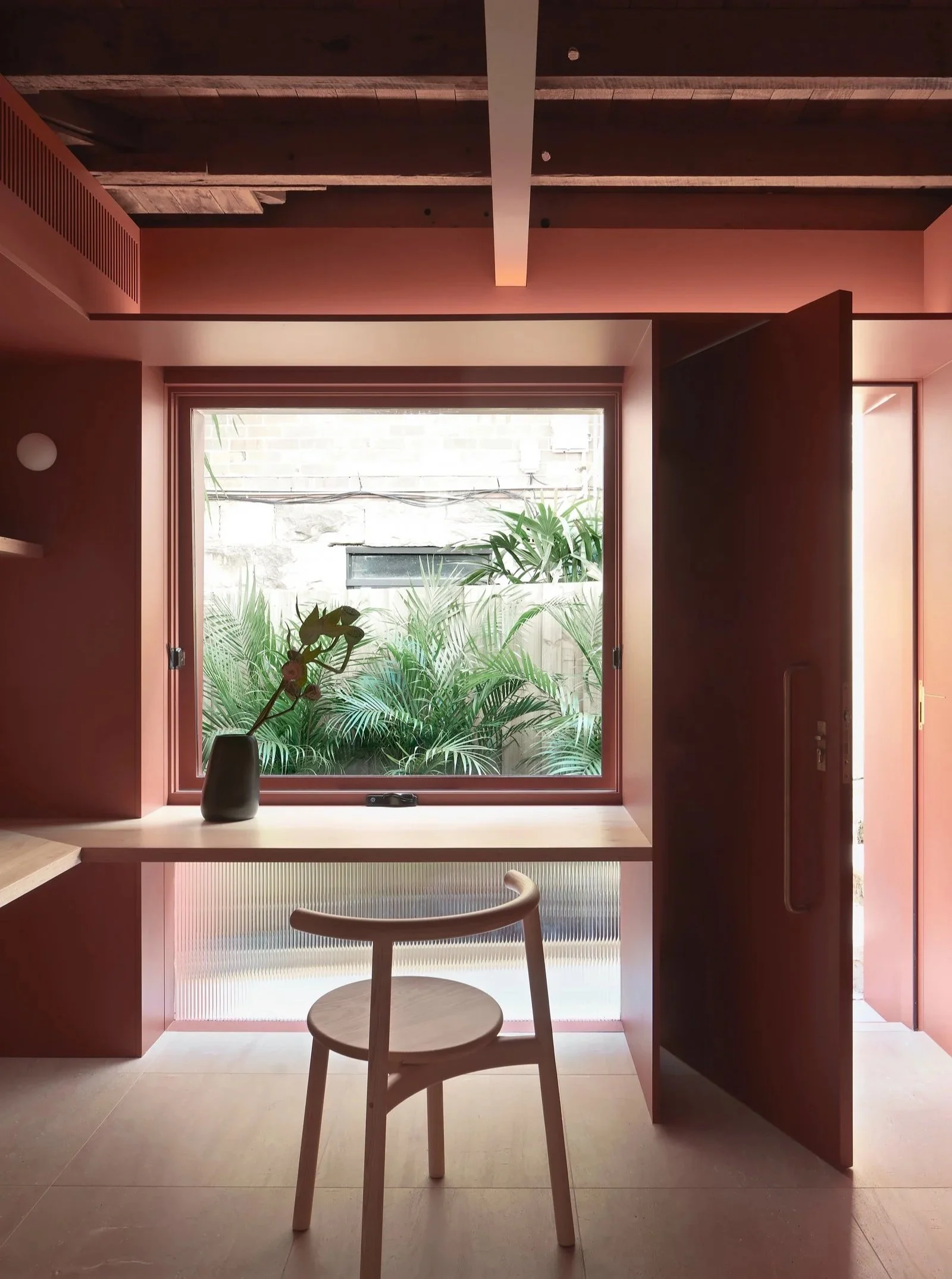
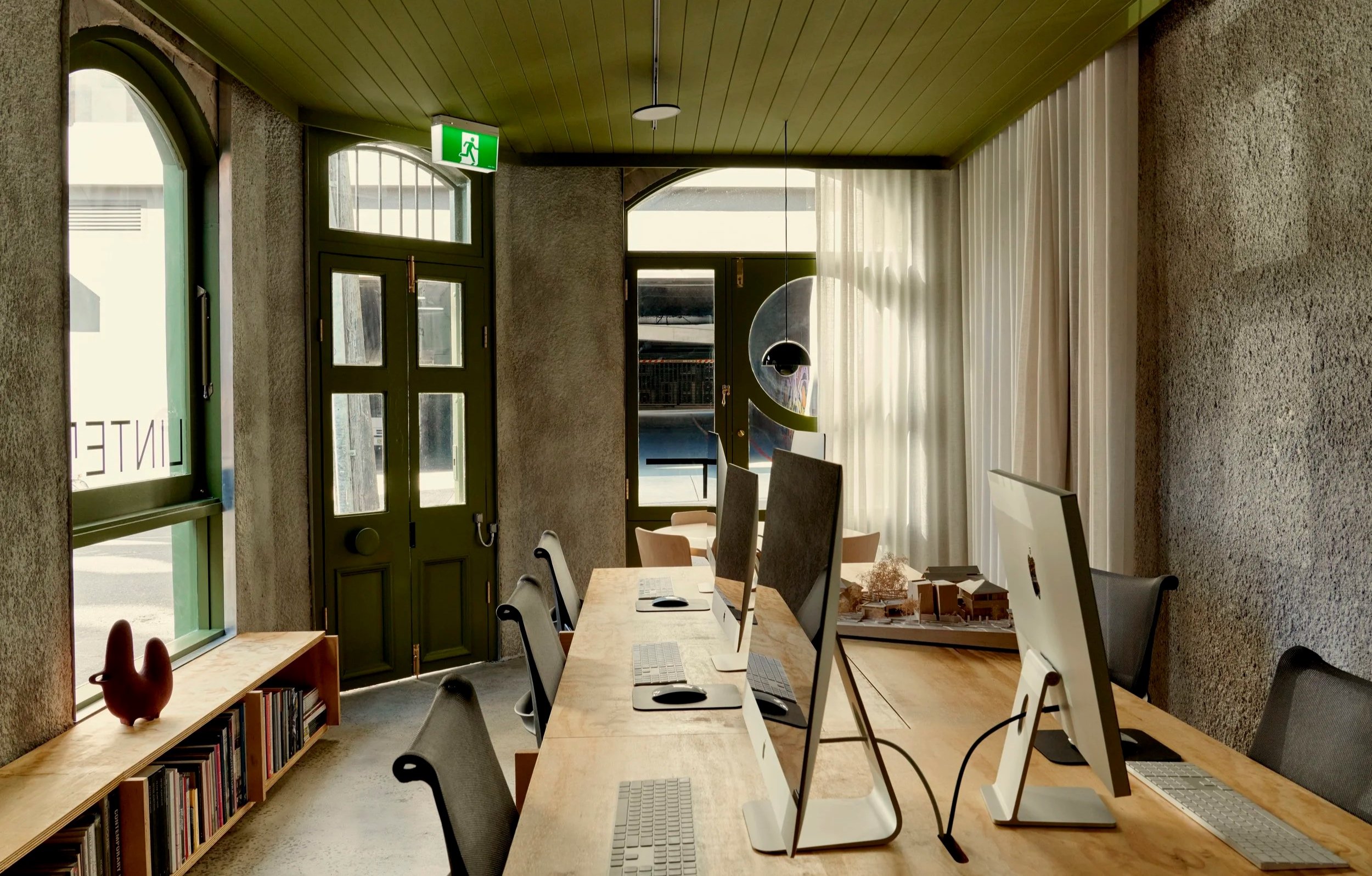
Studio Elroy by Lintel Studio for Architecture. Photo: Luc Rémond
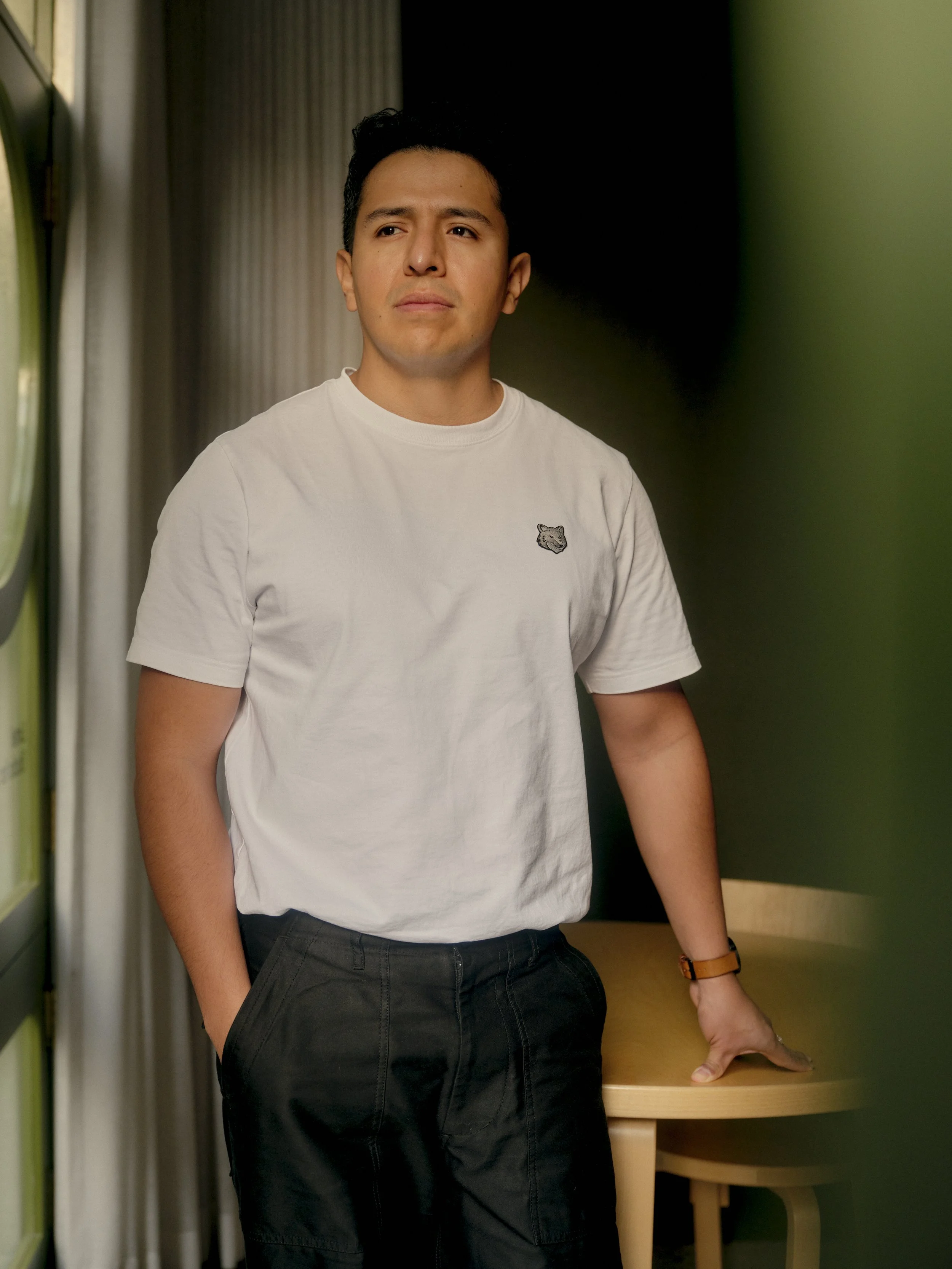
Lintel Studio for Architecture director, Emiliano Miranda. Photo: Saskia Wilson
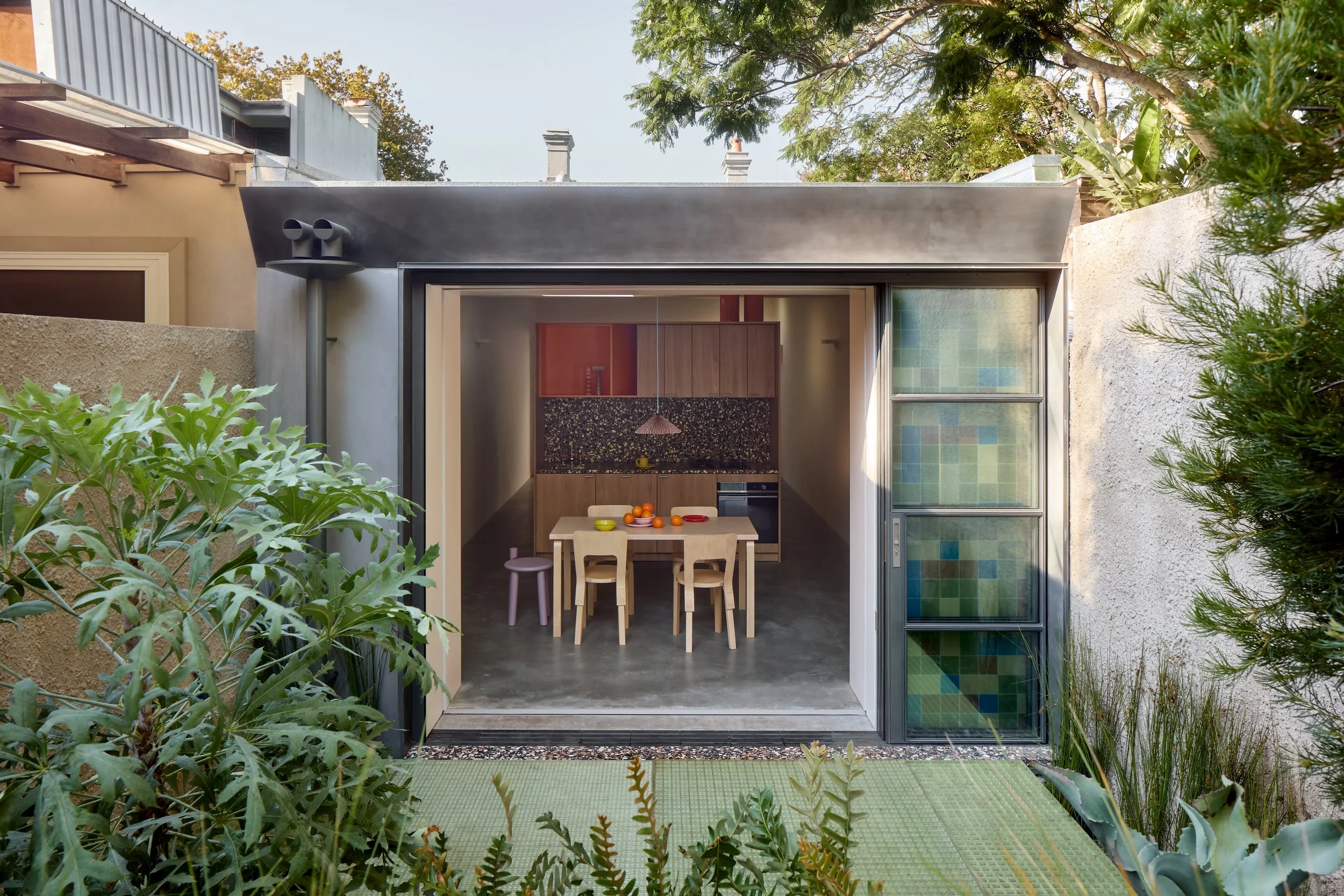
House Gretchen by Lintel Studio for Architecture. Photo: Luc Rémond
“When I moved to Australia, I immersed myself in Australian architecture. I felt I had an enormous amount to catch up on, and that process of discovery continues to influence how I think and work today.”
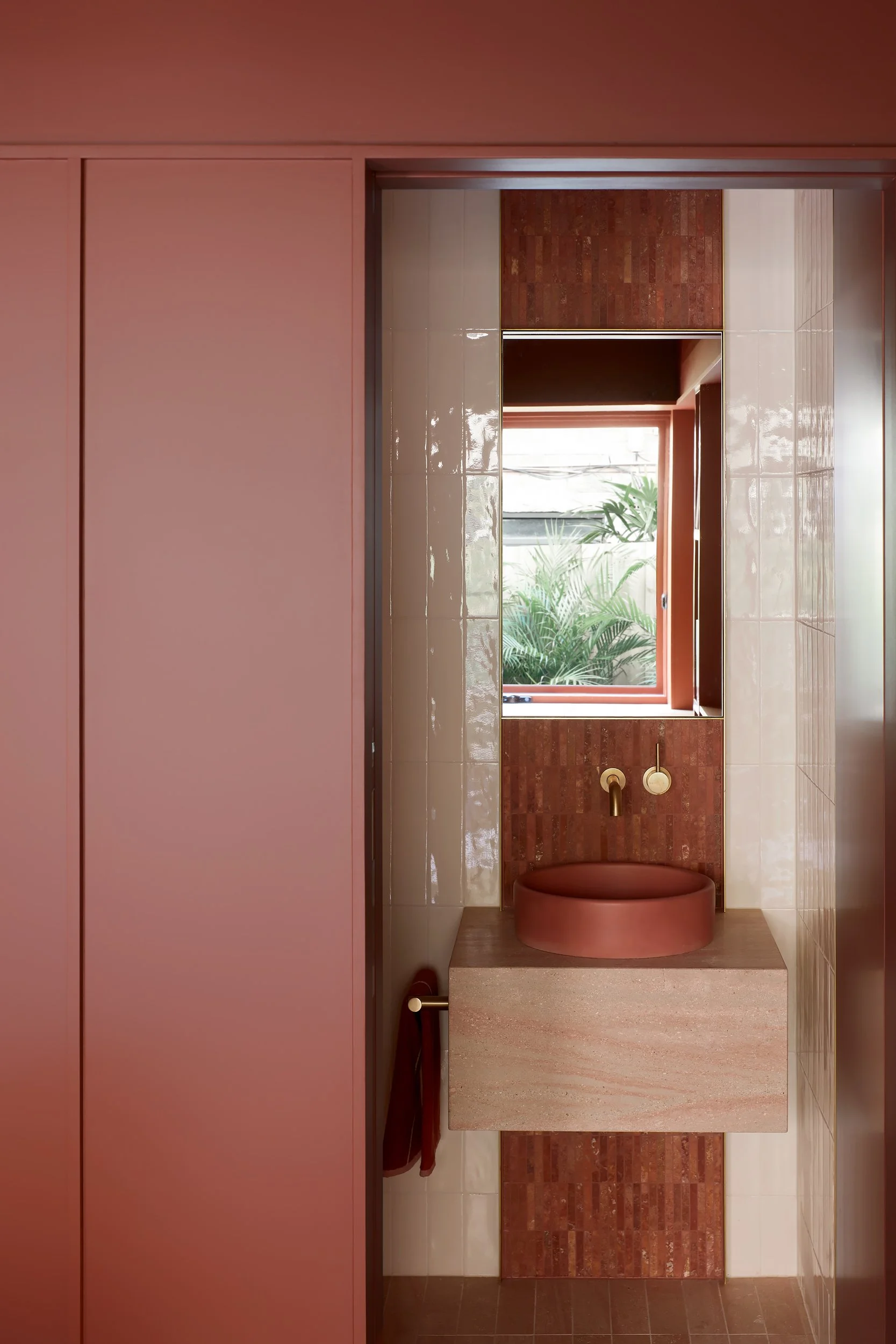
Studio Elroy by Lintel Studio for Architecture. Photo: Luc Rémond
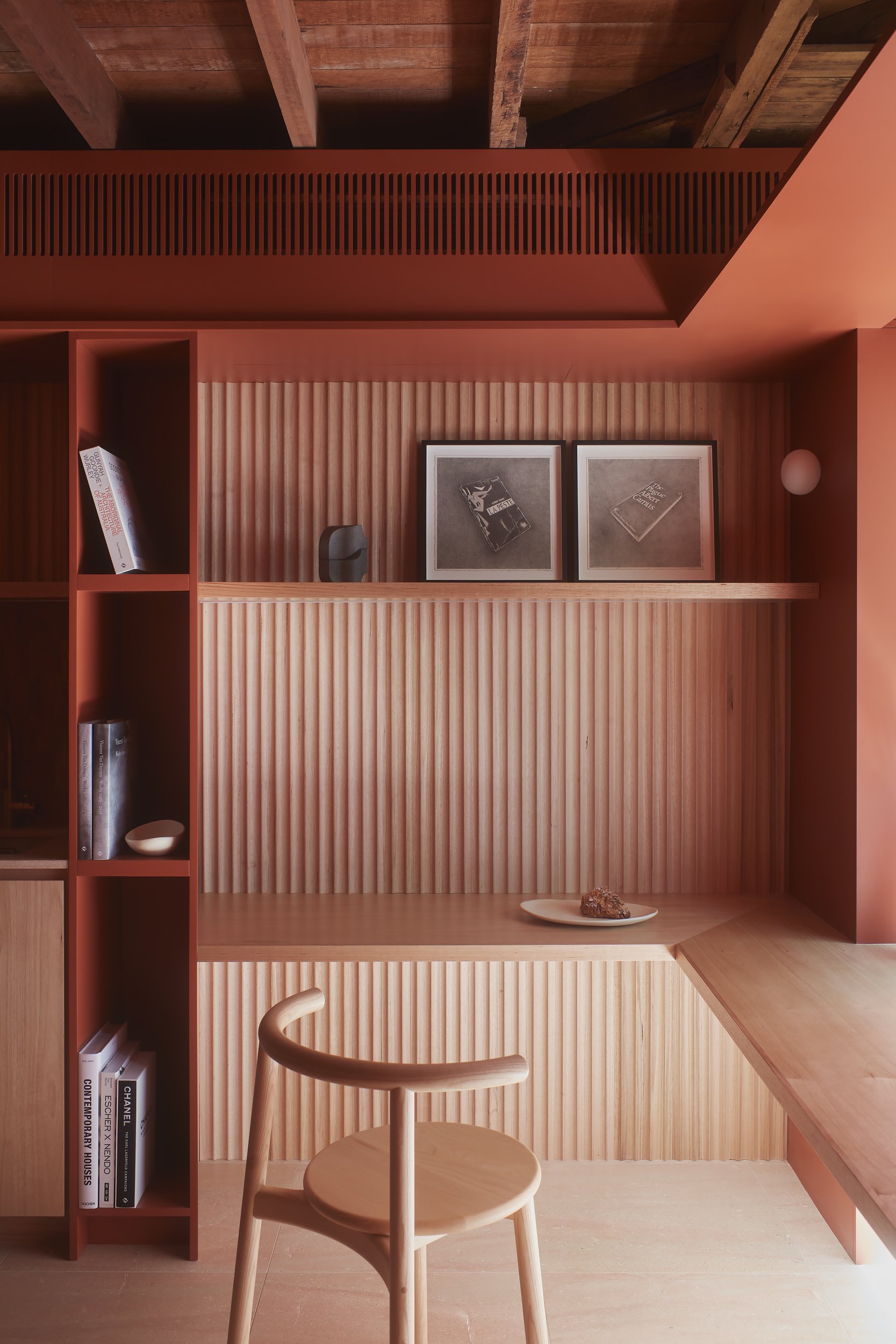
Studio Elroy by Lintel Studio for Architecture. Photo: Luc Rémond
Hello Emiliano—can you introduce yourself?
I’m Emiliano, a Warrane/Sydney-based architect and founder of Lintel Studio for Architecture. Being Mexican-Australian, I’m interested in bringing a layered perspective to the built environment, informed by my experiences growing up in Mexico City and my understanding of how people and families live in Australia. I’m particularly interested in how these different cultural vantage points can inform one another and open up new possibilities for design.
You moved from Mexico City to Sydney to study architecture. What first sparked your interest?
It’s only recently that I’ve been able to properly articulate this. I grew up with my family in a small apartment in Mexico City, where we lived for 20 years. I was always fascinated by how the spaces we inhabited shaped our relationships and daily routines, particularly when I compared our experience with that of friends living in different types of homes.
In our apartment, there was very little room to retreat or find space for yourself, so we often sought that freedom outside of our domestic environment. Meanwhile, I had friends living in much larger houses who could go an entire day without seeing another family member.
Those contrasts sparked my curiosity about how people live, and how architecture influences our relationships with each other and the world around us.
How has your background influenced the way you approach design?
Growing up in Mexico exposed me to a particular architectural language, shaped by the country’s political, cultural, social and historical circumstances. Many Mexican buildings have an efficient, monolithic quality from the outside, revealing their character and permeability only once you enter. Put simply, Mexican architecture looks inward.
Australian architecture, by contrast, often celebrates its relationship with the landscape and typically moderate climate. There’s a greater emphasis on openness and connections between interior and exterior spaces.
I find the tension between these two approaches incredibly exciting. They both exist within me, and navigating that contrast has become an important part of my design process. Rather than favouring one over the other, I’m interested in discovering what emerges when they meet or wrestle in a program.
What inspired you to start your own practice?
I founded Lintel in 2021 with a desire to challenge some of the established paradigms of architectural practice and explore whether we could approach things differently.
I wanted to create a studio where the quality of the architecture was inseparable from the experience of making it. That meant fostering an environment where staff could learn and grow, where builders and collaborators felt respected and valued, and where clients could genuinely enjoy the process of creating something together.
Teaching and sharing knowledge have always been important to me, and I wanted those principles to extend into the practice itself. Ultimately, the ambition was to build a studio that produces thoughtful architecture while also contributing positively to the people involved in its creation.
What does a typical day in the studio look like for you – do you have any routines or rituals?
I try to wake up early and exercise before heading into the studio. I also deliberately give the team about half an hour in the office before I arrive. I think it’s important that everyone has an opportunity to settle into their day without feeling that the boss is immediately looking over their shoulder.
I often take early phone calls outside the office, walking laps around the block while speaking with clients or collaborators. I also try to visit site as frequently as possible. There’s nothing more singularly important than being physically present during a build: being available to discuss and resolve details in context, and explore opportunities to push the design as they emerge.
I tend to reserve more creative tasks for later in the day, once the initial rush of conversations and questions has subsided. Those quieter hours allow me to concentrate and engage more deeply with the design work.
Is there a studio project that’s been especially meaningful to you, or changed how you think about architecture?
Every project is meaningful in its own way because each one meets us at a different point in the studio’s development. As the practice evolves, so does our understanding of architecture, and I think that makes every commission unique.
We recently completed a house in Erskineville that we originally designed in 2021, just as Lintel was established. The project was paused for several years before construction finally commenced in 2025.
Returning to those early drawings was a particularly interesting experience. It felt almost like collaborating with a younger version of myself, bringing everything we had learned in the intervening years to a project conceived at the very beginning of the practice.
Being able to recognise how much our thinking had developed was incredibly rewarding. It also reminded me how much more there is to learn in our discipline, which is one of the things that keeps architecture so exciting.
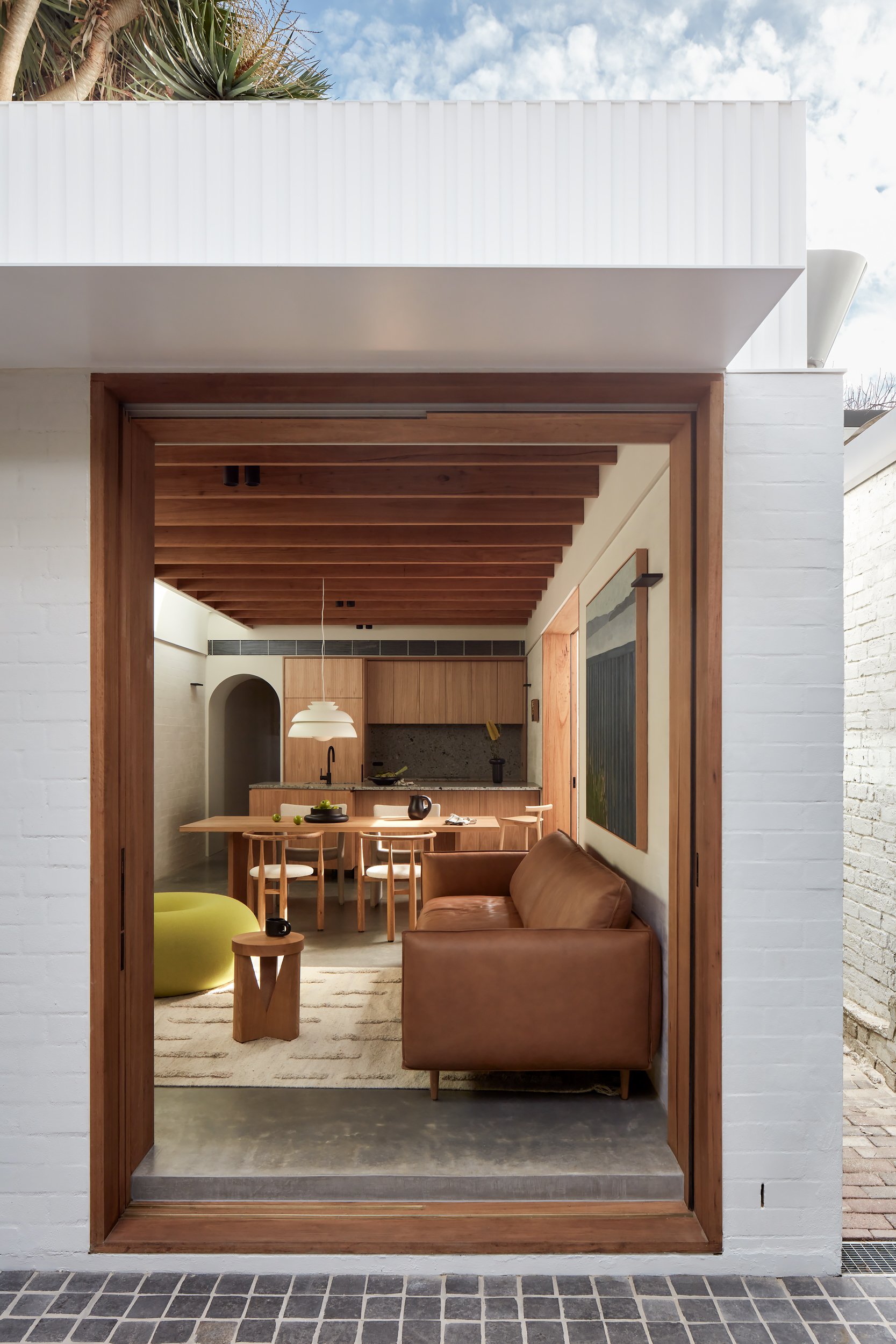
House Gretchen by Lintel Studio for Architecture. Photo: Luc Rémond
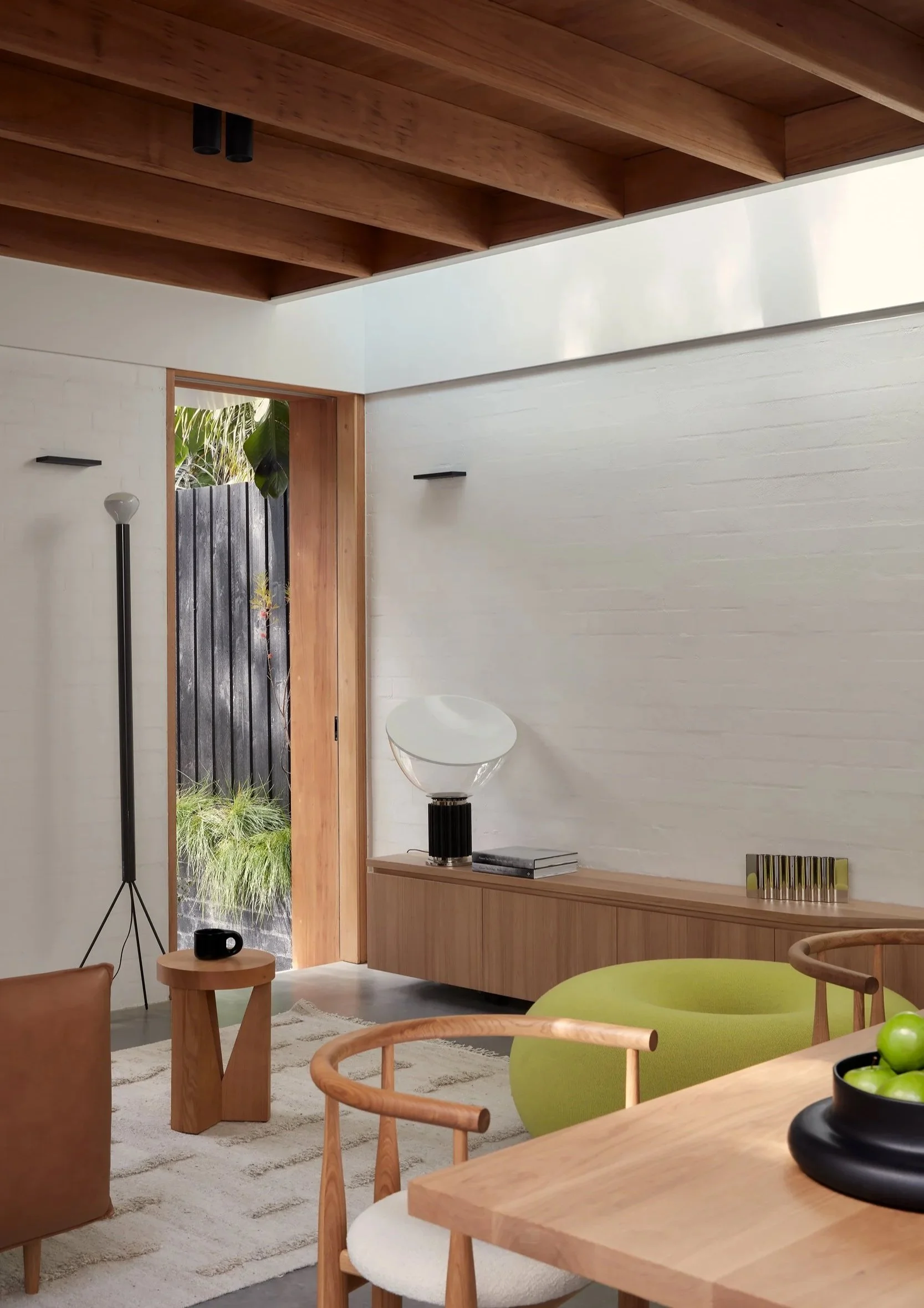
House Gretchen by Lintel Studio for Architecture. Photo: Luc Rémond
“Collaboration is often where the most interesting ideas emerge, particularly when different perspectives challenge assumptions or reveal possibilities that one person might not have considered.”
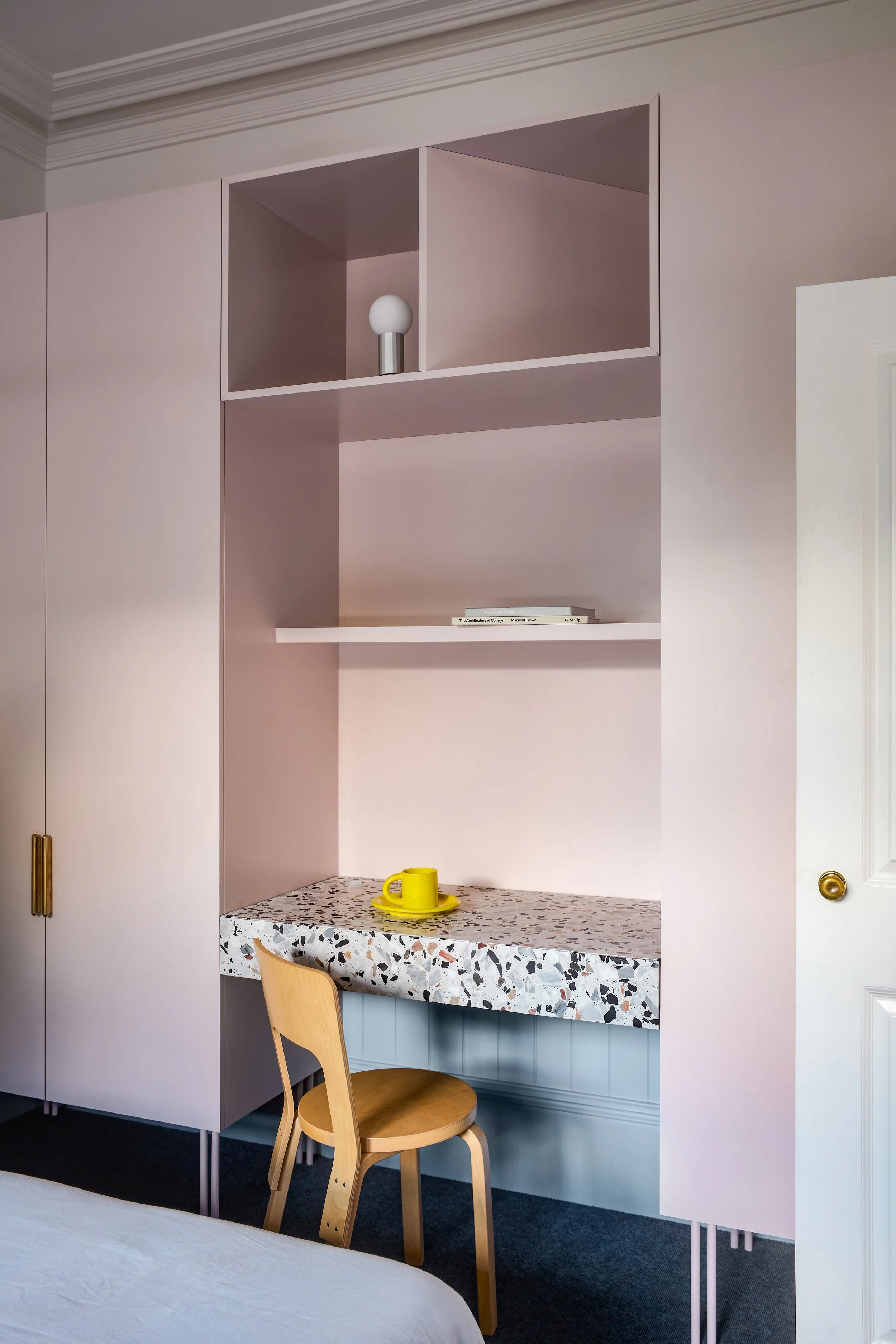
House Gretchen by Lintel Studio for Architecture. Photo: Luc Rémond
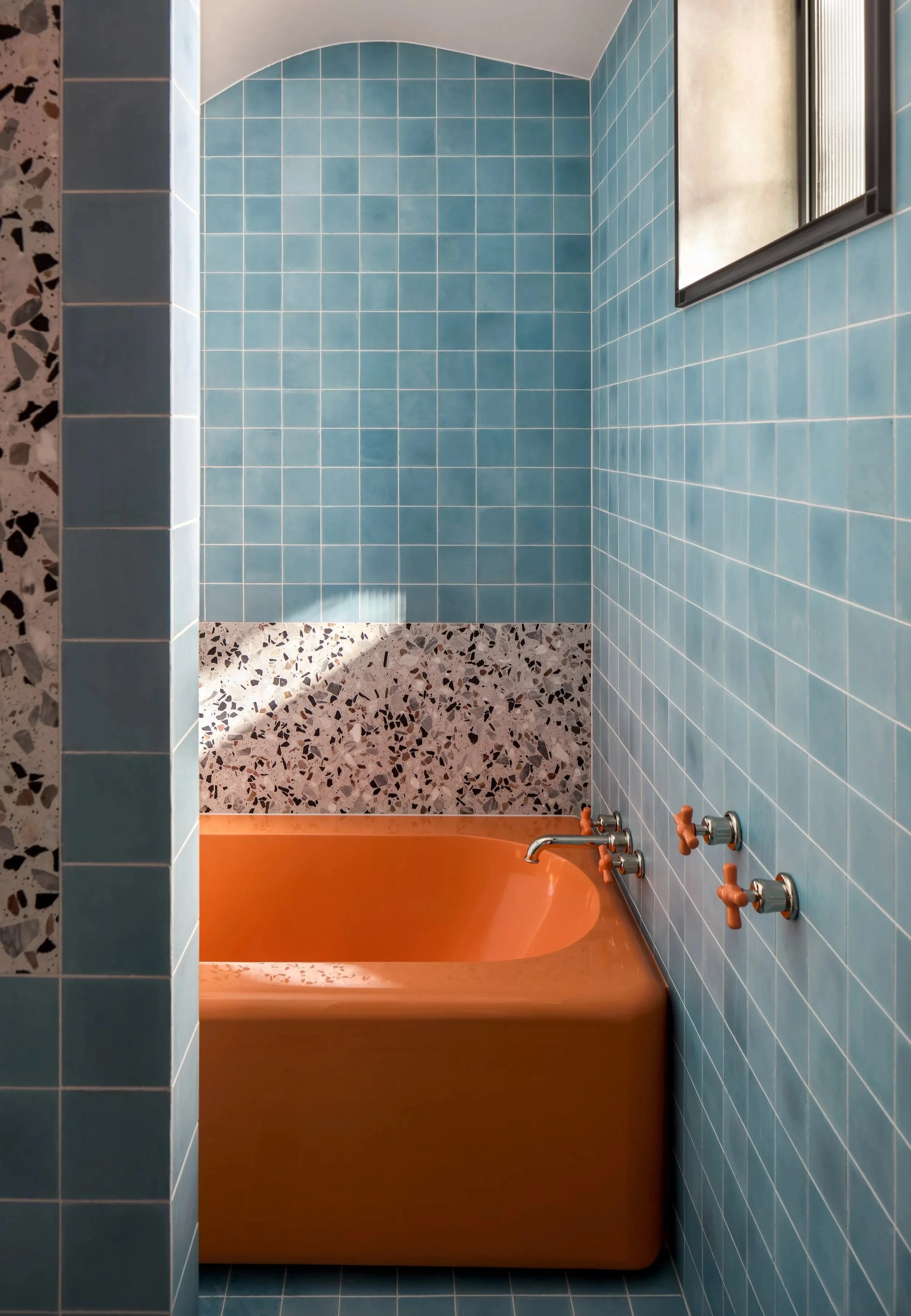
House Gretchen by Lintel Studio for Architecture. Photo: Luc Rémond
Having lived across two cultures, which architects, places or experiences continue to shape your work?
I remember being almost haunted by the idea of originality during my first year studying architecture. I felt that if I couldn’t produce an entirely original idea, I was somehow failing.
One of the most important lessons I’ve learned since is that architecture doesn’t exist in isolation. Every building emerges from a particular place, time and set of circumstances. Understanding why something was designed in a certain way, and considering how those conditions might relate to a project we’re working on, can be far more valuable than pursuing originality for its own sake.
I’m constantly looking outward for inspiration, whether through architecture, art, design or everyday life. It’s not about reproducing what others have done, but about drawing parallels and finding new ways of responding to familiar challenges.
When I moved to Australia, I immersed myself in Australian architecture. I felt I had an enormous amount to catch up on, and that process of discovery continues to influence how I think and work today.
What’s the biggest lesson running your own practice has taught you?
Write down the reason why you’ve decided to start a practice in the first place.
Is it about creative expression? Financial independence? Having greater control over your time? The opportunity to lead a team or approach architecture differently?
Whatever your reasons, write them down, put them somewhere safe and revisit them once a year.
Running a practice demands an enormous amount of time and energy, and it’s surprisingly easy to lose sight of what motivated you to begin. Looking back at those original ambitions can be a valuable way of measuring your progress.
If you’re achieving what you set out to do, that’s a wonderful reason to keep going. If you’re working endless hours without getting any closer to those goals, it might be time to reconsider your approach.
I think it’s important to remember that running a successful practice should also mean creating the (professional) life you actually wanted.
Is it important to you that everyone in the studio has a creative voice?
Absolutely. Everyone who joins the studio brings their own experiences, perspectives and design instincts, and I believe part of my responsibility is to help them develop those qualities.
People aren’t simply there to deliver projects. They’re also there to grow as architects and designers, build confidence in their ideas and establish their own ways of thinking.
Creating an environment where everyone feels comfortable contributing is essential to that process. Collaboration is often where the most interesting ideas emerge, particularly when different perspectives challenge assumptions or reveal possibilities that one person might not have considered.
Beyond the projects themselves, what are the things you most enjoy sharing with your team?
I really enjoy sharing my experiences, particularly the mistakes I’ve made and the lessons I’ve learned along the way. I think there’s enormous value in being open about the things that didn’t go to plan, especially with younger architects who might be navigating similar situations for the first time.
I also enjoy sharing my background and perspective as an immigrant architect working in Australia. Moving between cultures has shaped how I understand architecture, professional relationships and everyday life, and I hope that sharing those experiences encourages others to recognise the value of their own perspectives.
Who or what is inspiring you right now, in design or beyond?
I’ve always loved cinema, and recently I’ve been particularly drawn to films that find poetry and meaning in the ordinary.
I’ve noticed a growing interest in storytelling that offers a kind of escape from contemporary anxieties, not necessarily through fantasy or spectacle, but by celebrating quieter, more deliberate ways of living.
Films like Perfect Days and On the Sea have made me think about the beauty of a modest life, and the idea that meaning doesn’t have to come from grand ambitions or extraordinary achievements. There can be just as much richness in a life shaped by everyday rituals, responsibility to the environment and each other, and simple pleasures.
That resonates with some of the questions I’m interested in exploring through architecture. How can we design spaces that support quieter and more meaningful lives? How can architecture become a thoughtful backdrop to the rituals of everyday living, rather than always demanding attention?
Where would we find you on a typical Saturday?
Usually at the office!
Saturdays are often when I can enjoy some uninterrupted time to focus on creative work. Without the usual rhythm of calls, meetings and questions, I can slow down, think and really immerse myself in a project.
I actually find those quieter days quite enjoyable. Later in the evening, I’ll try to head out for dinner with my partner to round off the week. Our Saturdays tend to be fairly relaxed, which is exactly how I like them.
What's coming up for you that you're most excited about?
We’re looking forward to photographing and sharing our recent Erskineville project. As one of the first homes we designed when the practice opened, it feels particularly significant to finally see it realised.
We’re also approaching completion on a tiny, two bedroom, 59 square metre terrace house. It’s been an exciting opportunity to explore how thoughtful design can make compact living feel generous, pleasurable and connected to the city.
Beyond Sydney, we’re working on a project in Far North Queensland, which presents an entirely different set of architectural conditions. The climate, building typologies, materials and local approaches to construction are all quite distinct from what we’re accustomed to working with here.
I’m particularly excited by the opportunity to learn from that context and explore how our design approach might evolve in response to a very different environment.
Stay up to date with Lintel Studio here or follow @lintelstudio
