

Harcourt House By Sense Of Space
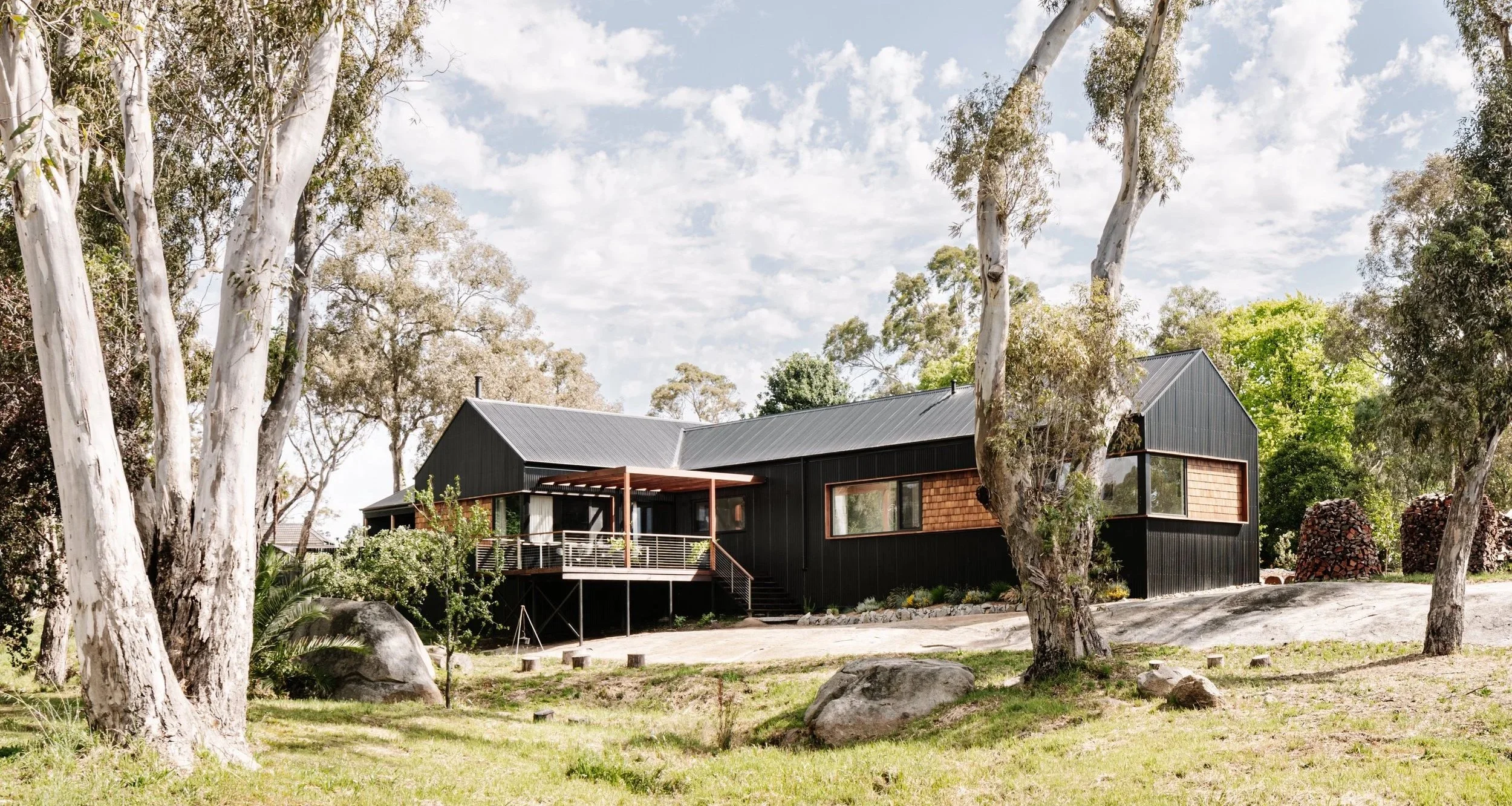
In Victoria’s Central Highlands, Harcourt House by Sense of Space is a sustainable home planted in place—north light, considered outlooks and robust materials connect the architecture to the surrounding idyllic Australian landscape.
Words HANDE RENSHAW Photos MARNIE HAWSON Styling BELLE BRIGHT PROJECT

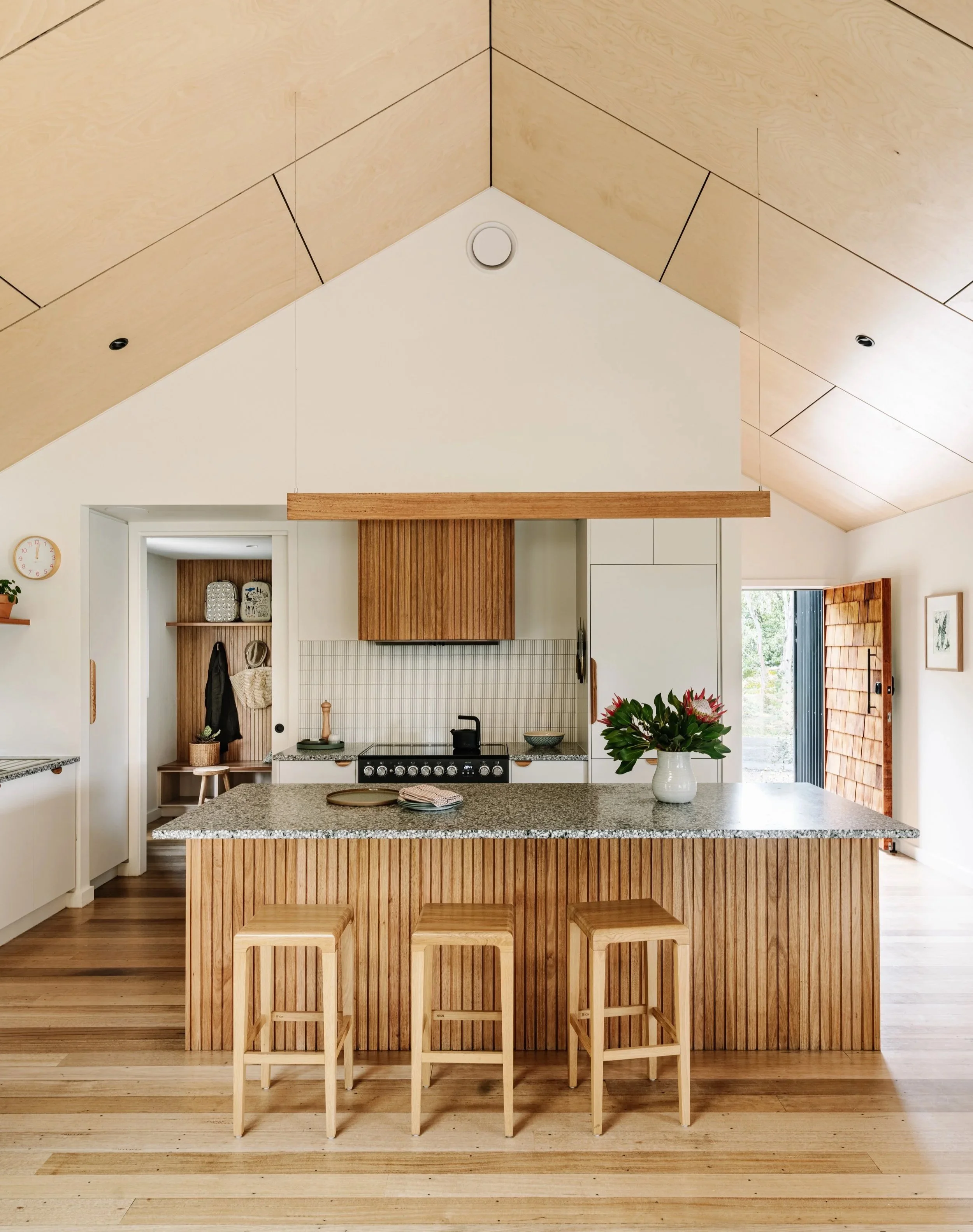
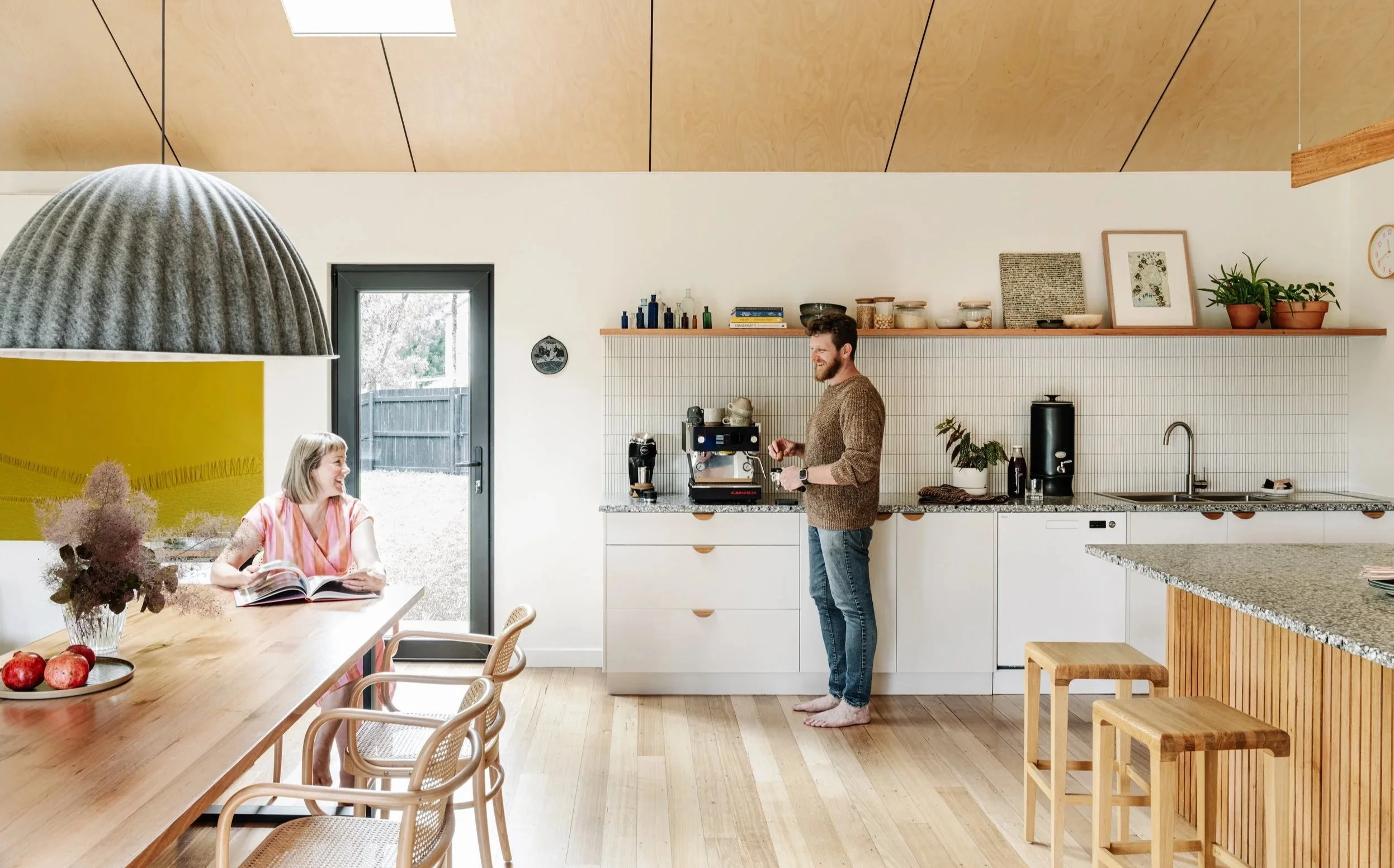
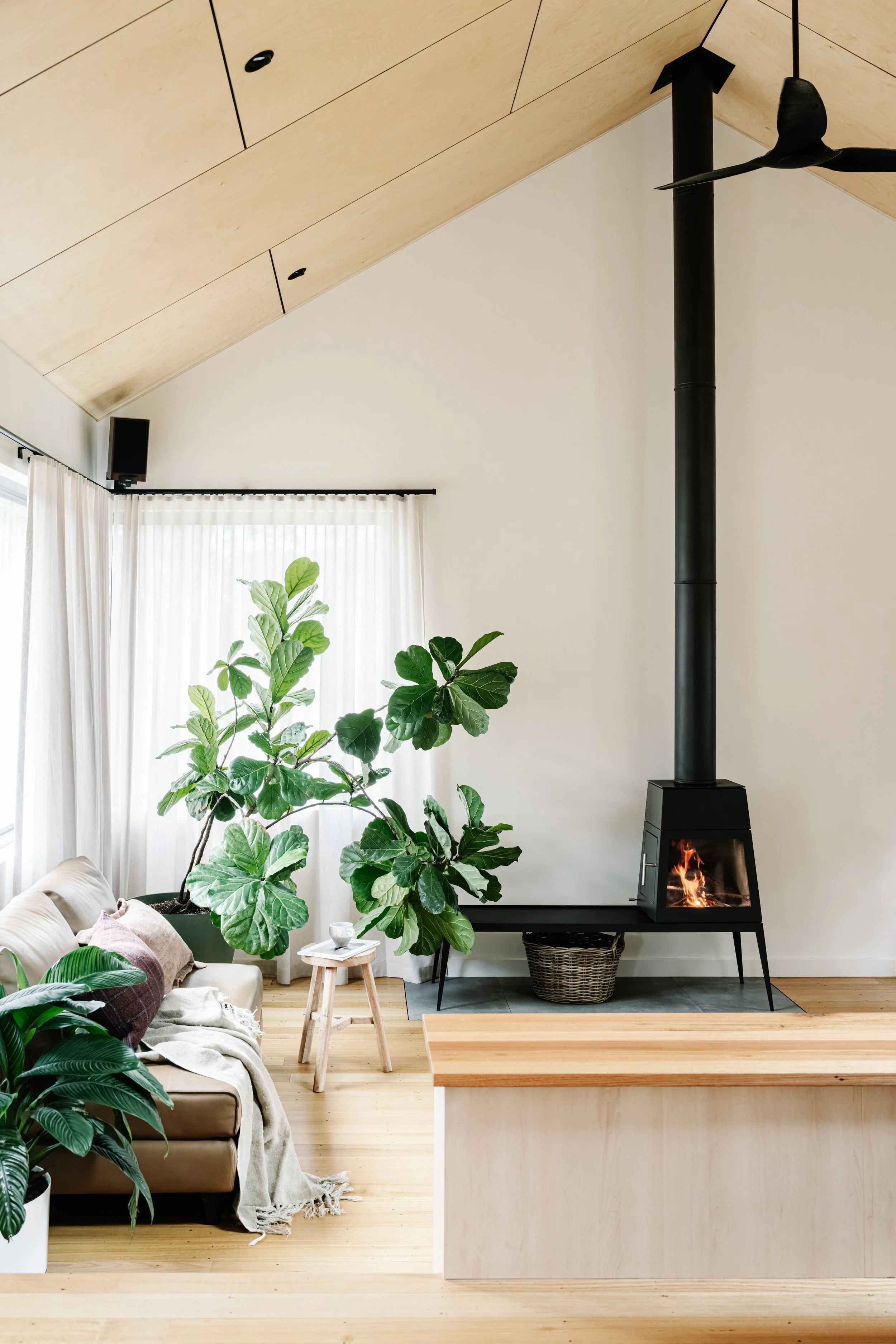
“The first sustainable design decision was about orientation, with living areas arranged to capture winter sun.”
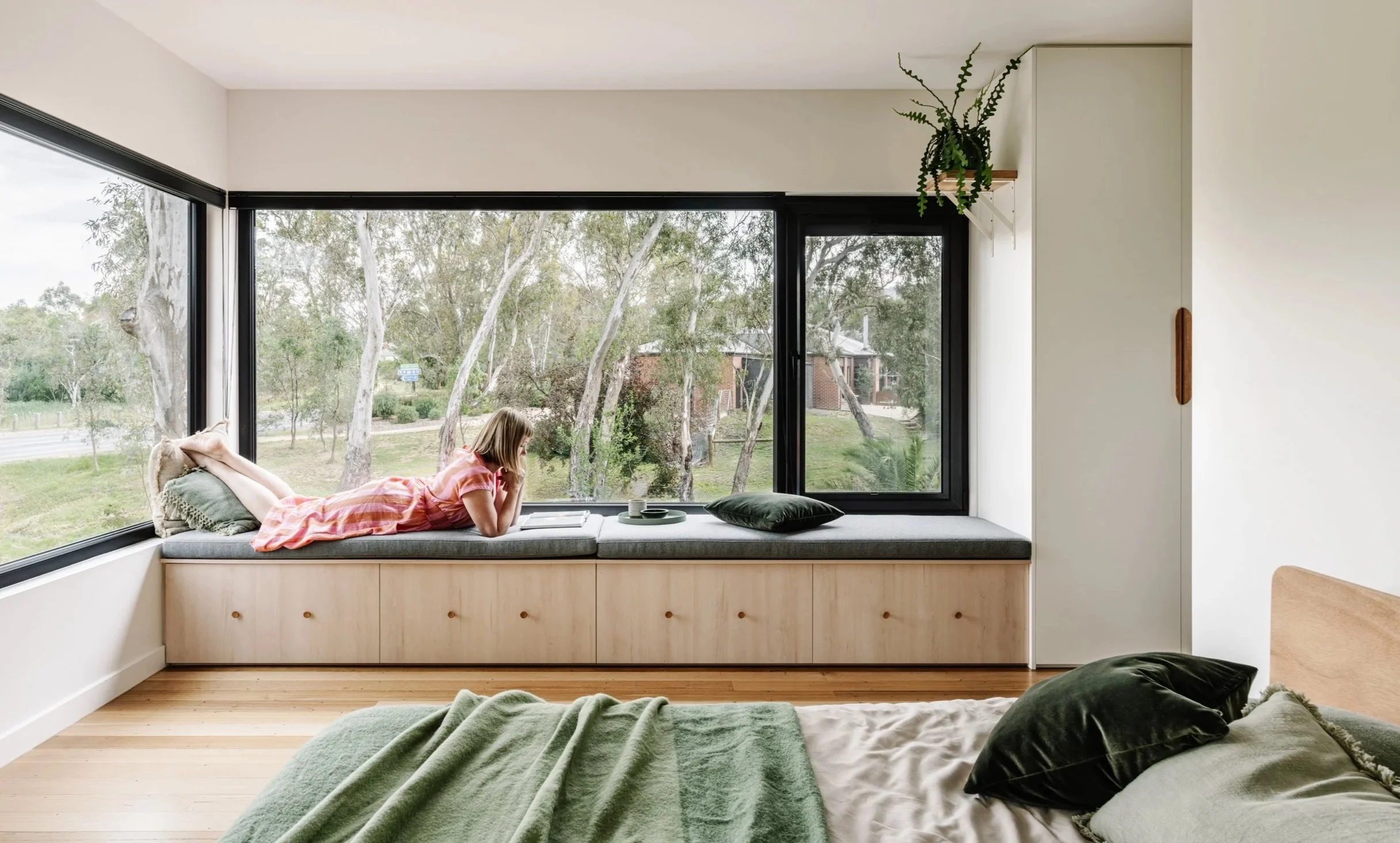
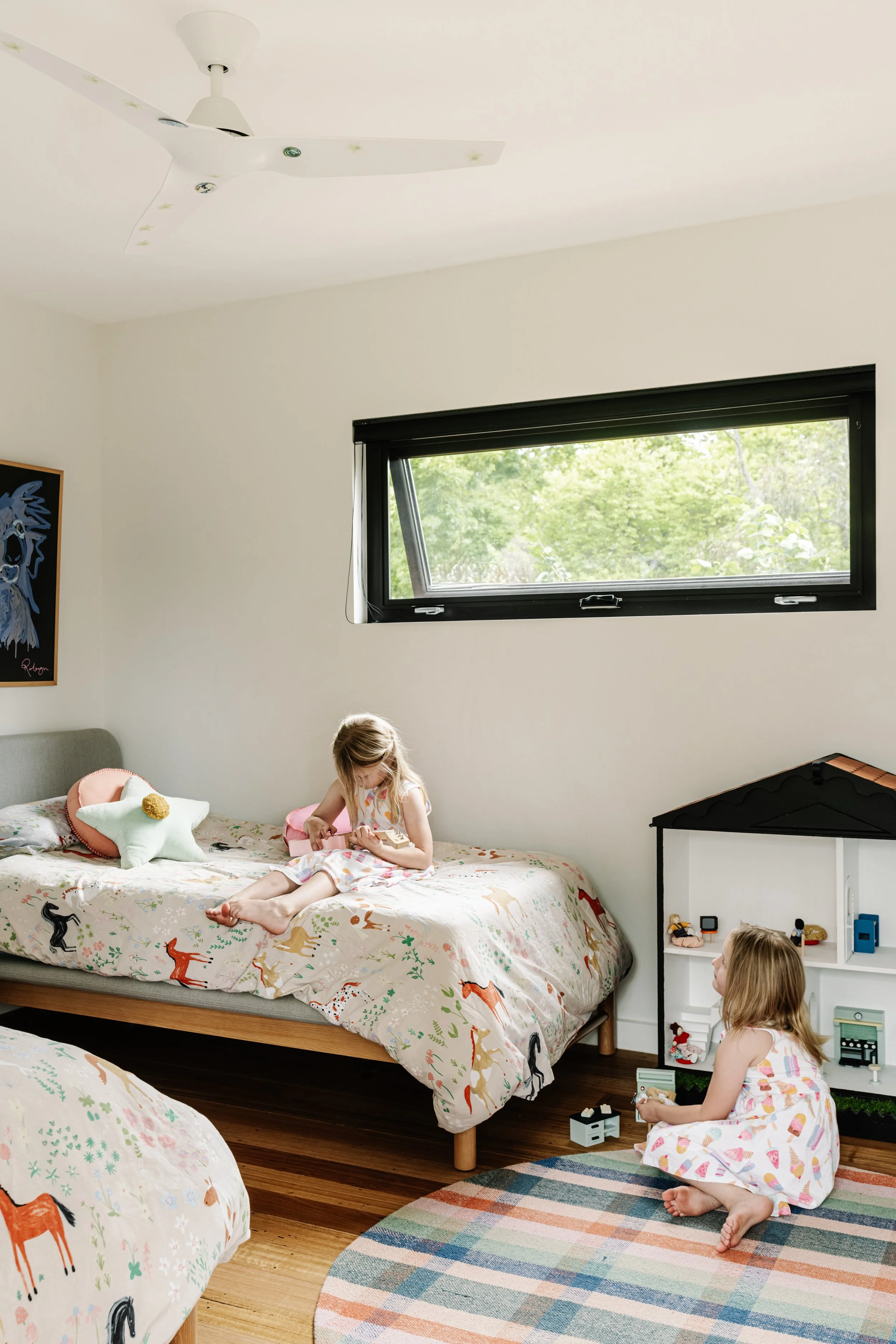
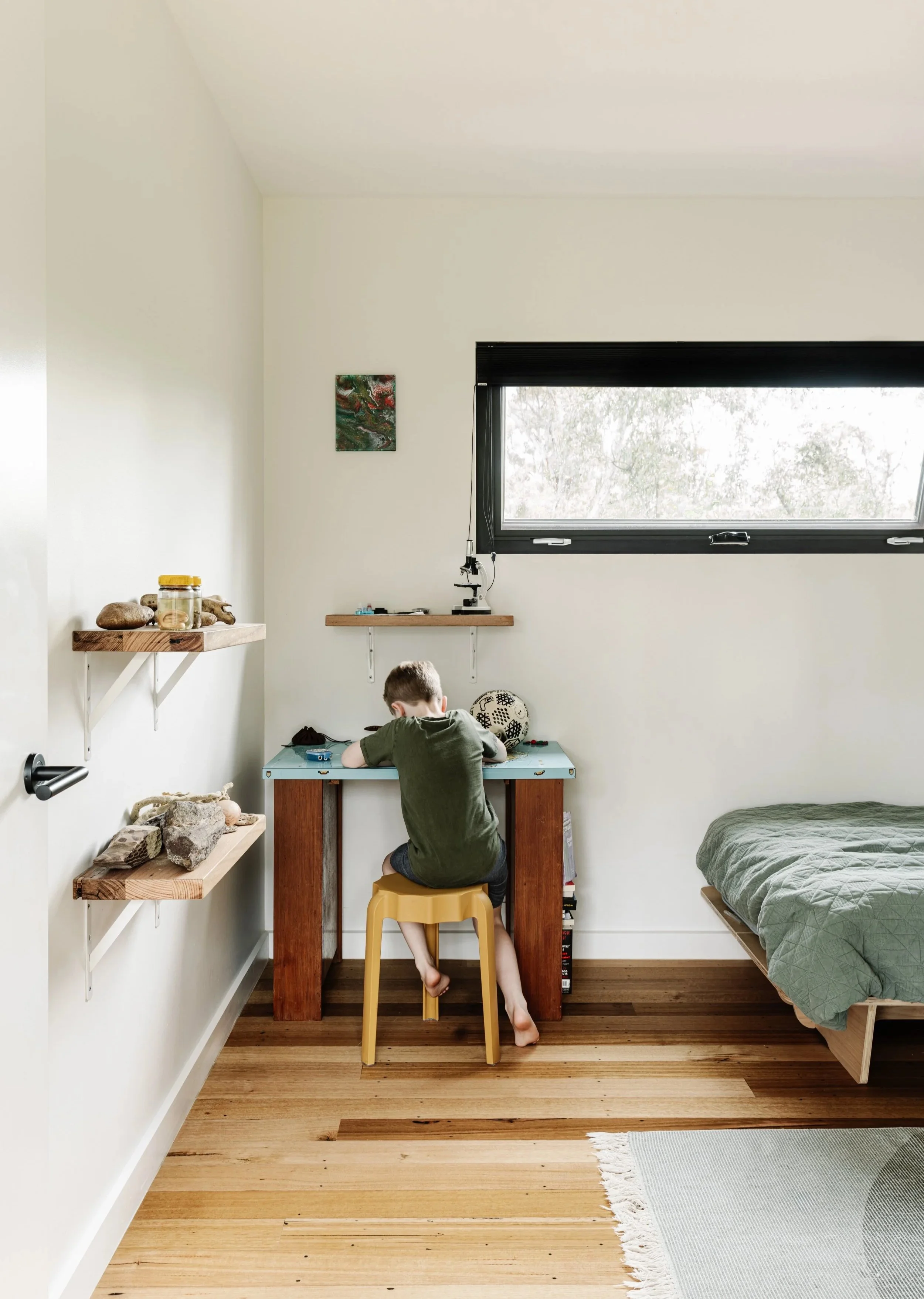
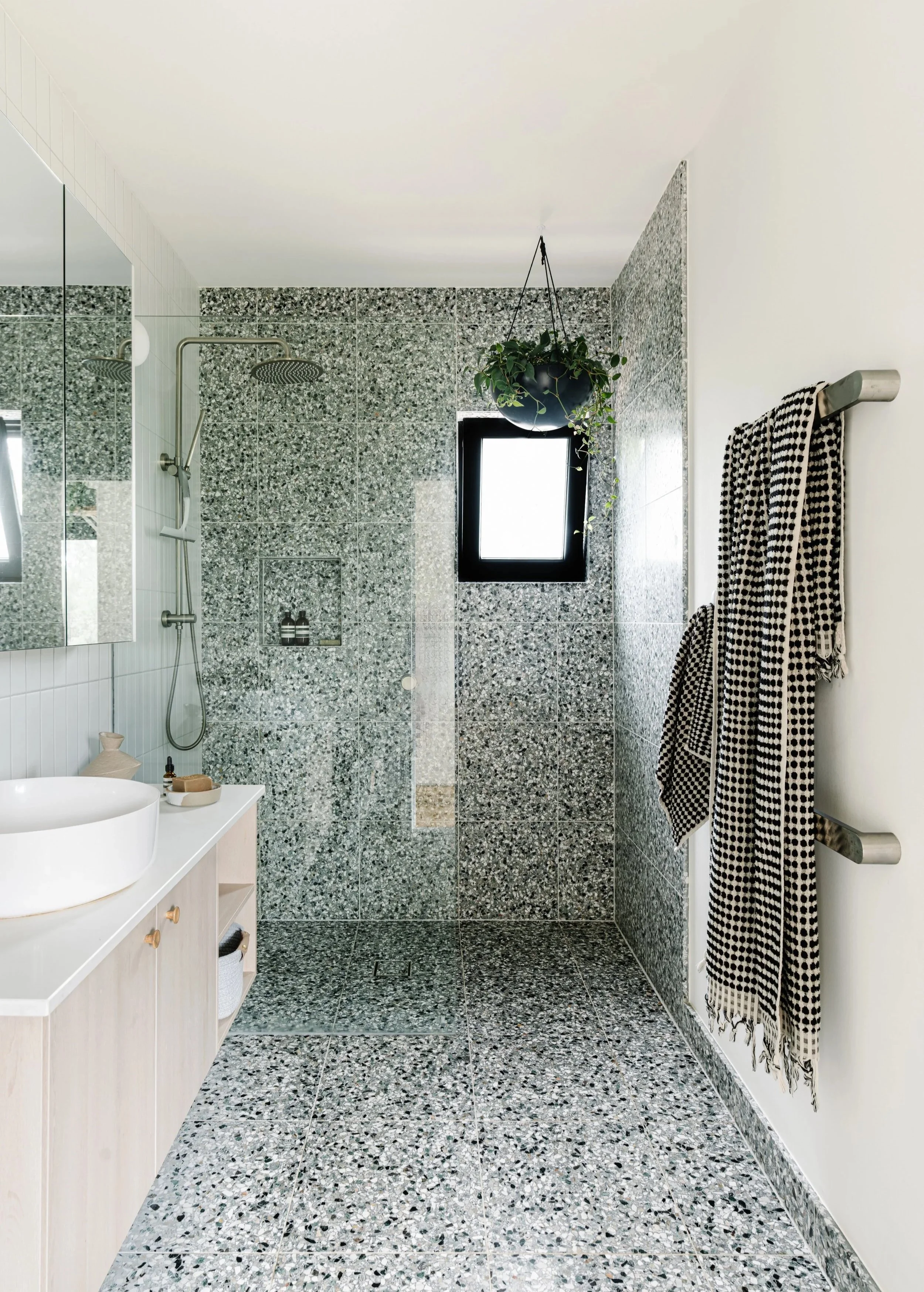
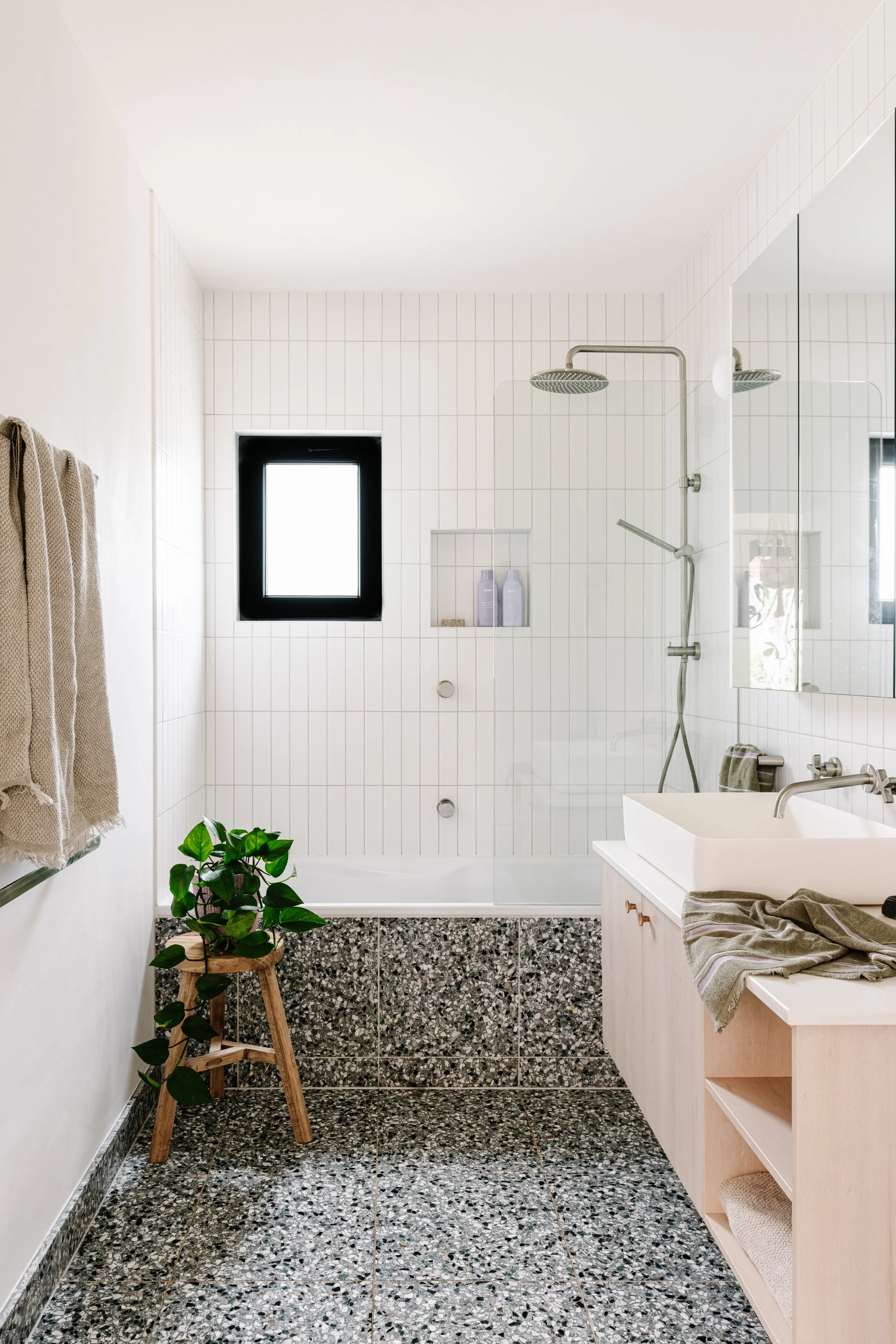
Wall sculpture by Robert Owen.
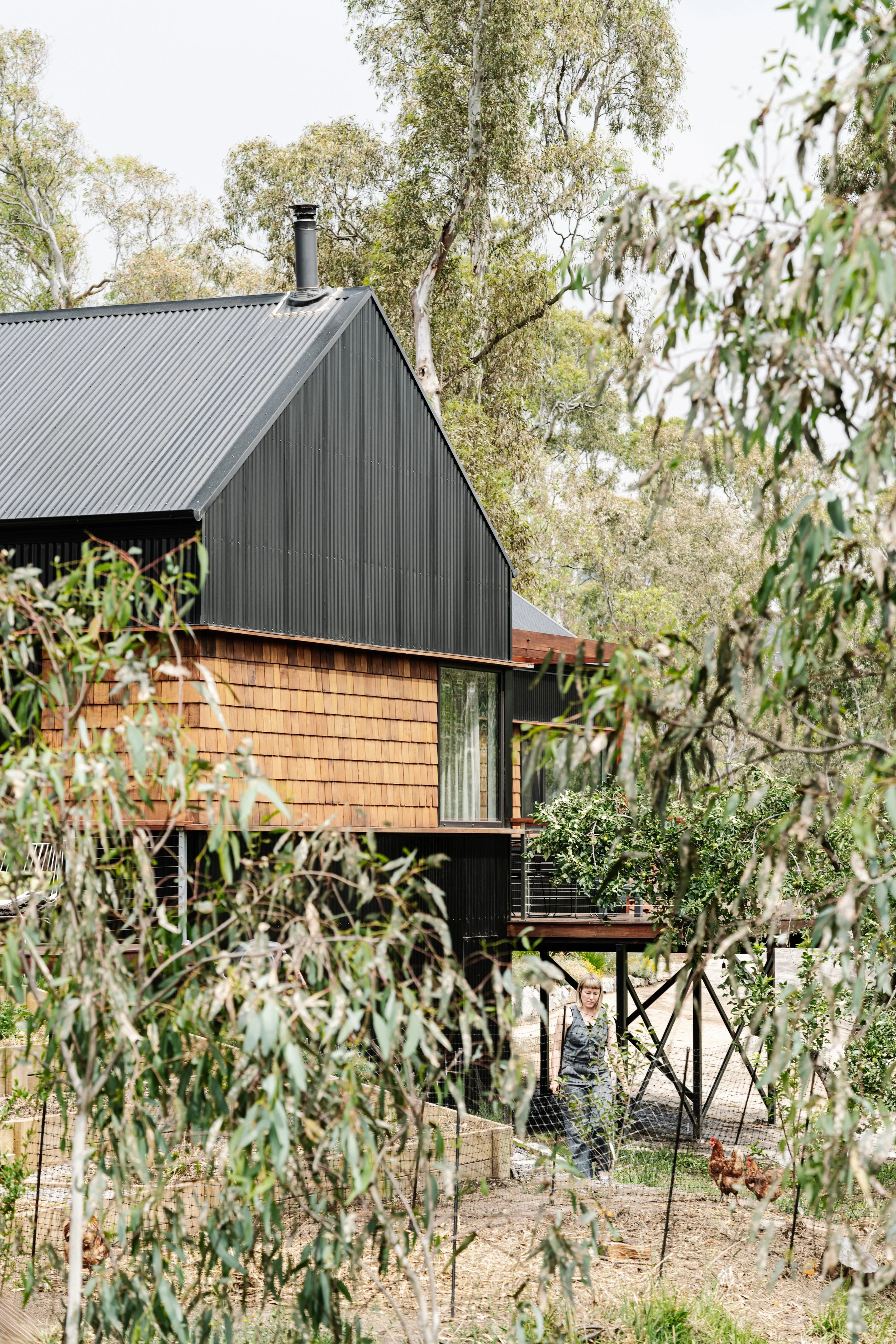
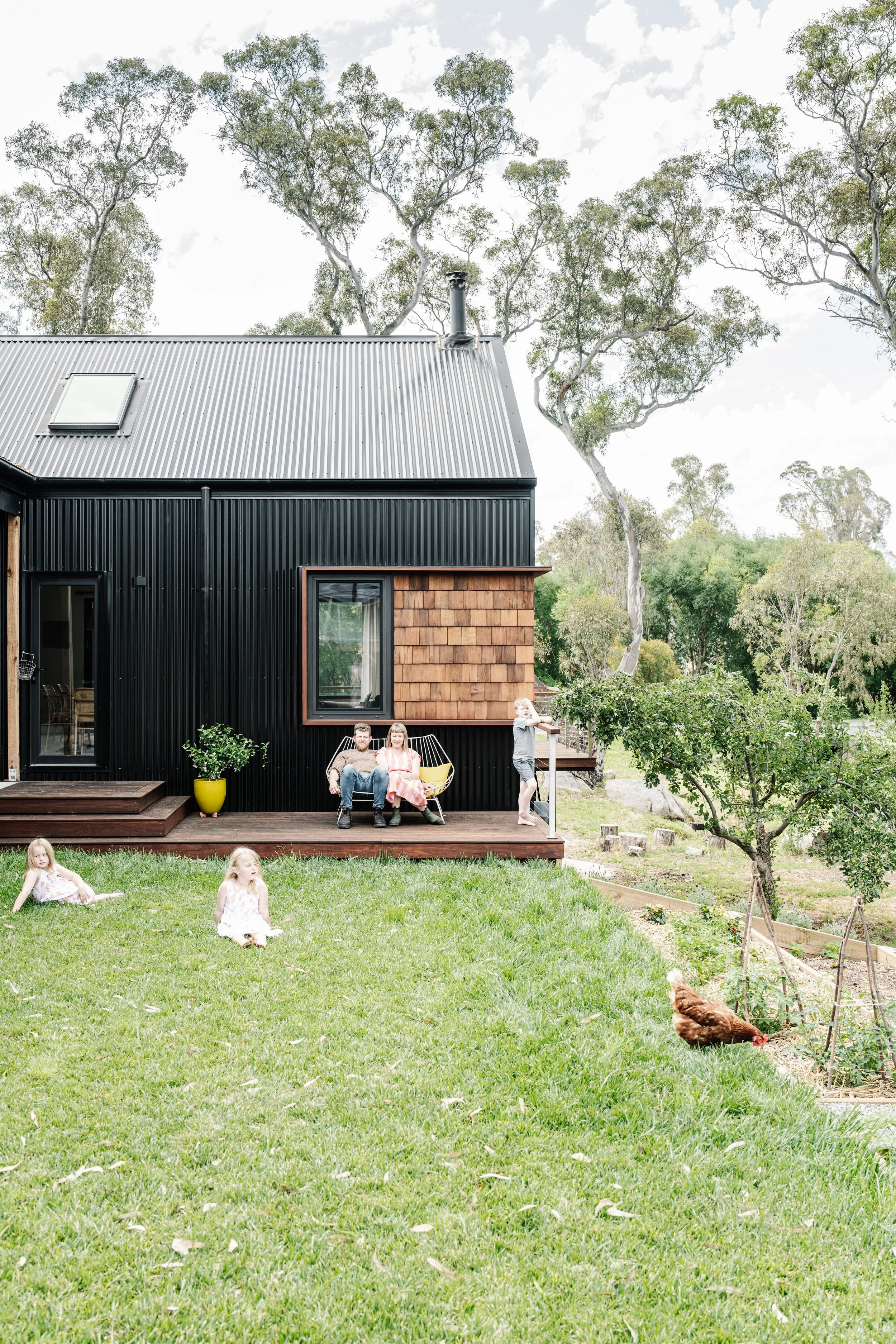
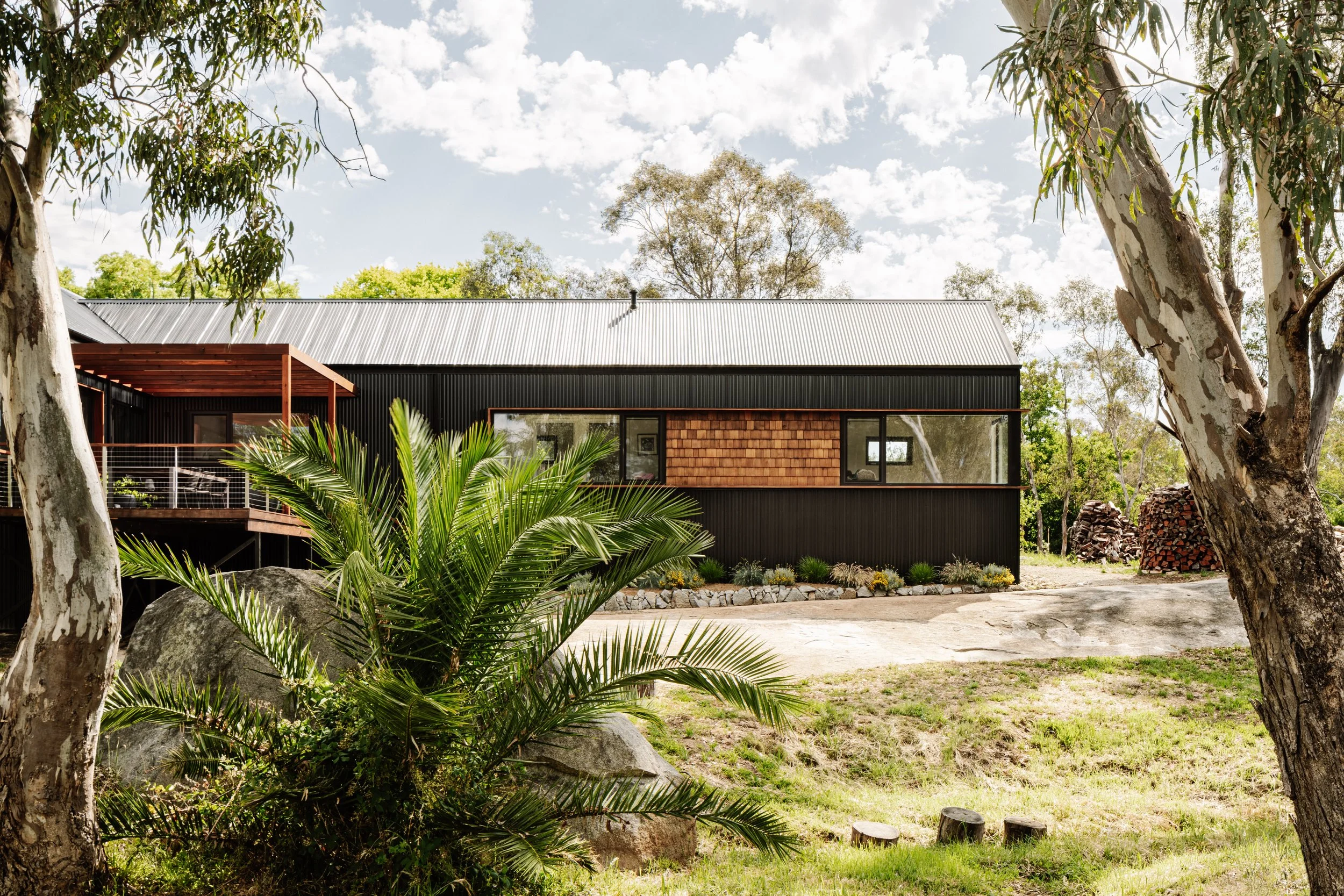
Set on Dja Dja Wurrung Country in Harcourt, Victoria, Harcourt House is a new build that reads from the ground up: a granite outcrop running the length of the site, an ephemeral creek next door and long rural views.
Designed by Sense of Space with interiors by Studio Tom, the home is compact in plan and clear in intent—privacy, prospect and passive performance held in a pared-back envelope for a young family.
Sense of Space director and architect Silas Gibson sets the brief plainly: ‘Bonnie and Remy came to us having bought this amazing site in the small Central Victorian town of Harcourt,’ she shares. The wish list was pragmatic—a new three-bed, two-bath home with open-plan living/kitchen/dining and a contained backyard, paired with a clear design stance; strong aesthetics, privacy, and a felt connection to long views, light and breeze. Sustainability and passive performance anchor the approach, with the plan and orientation doing as much work as the finishes. ‘And of course, the budget was tight,’ adds Silas.
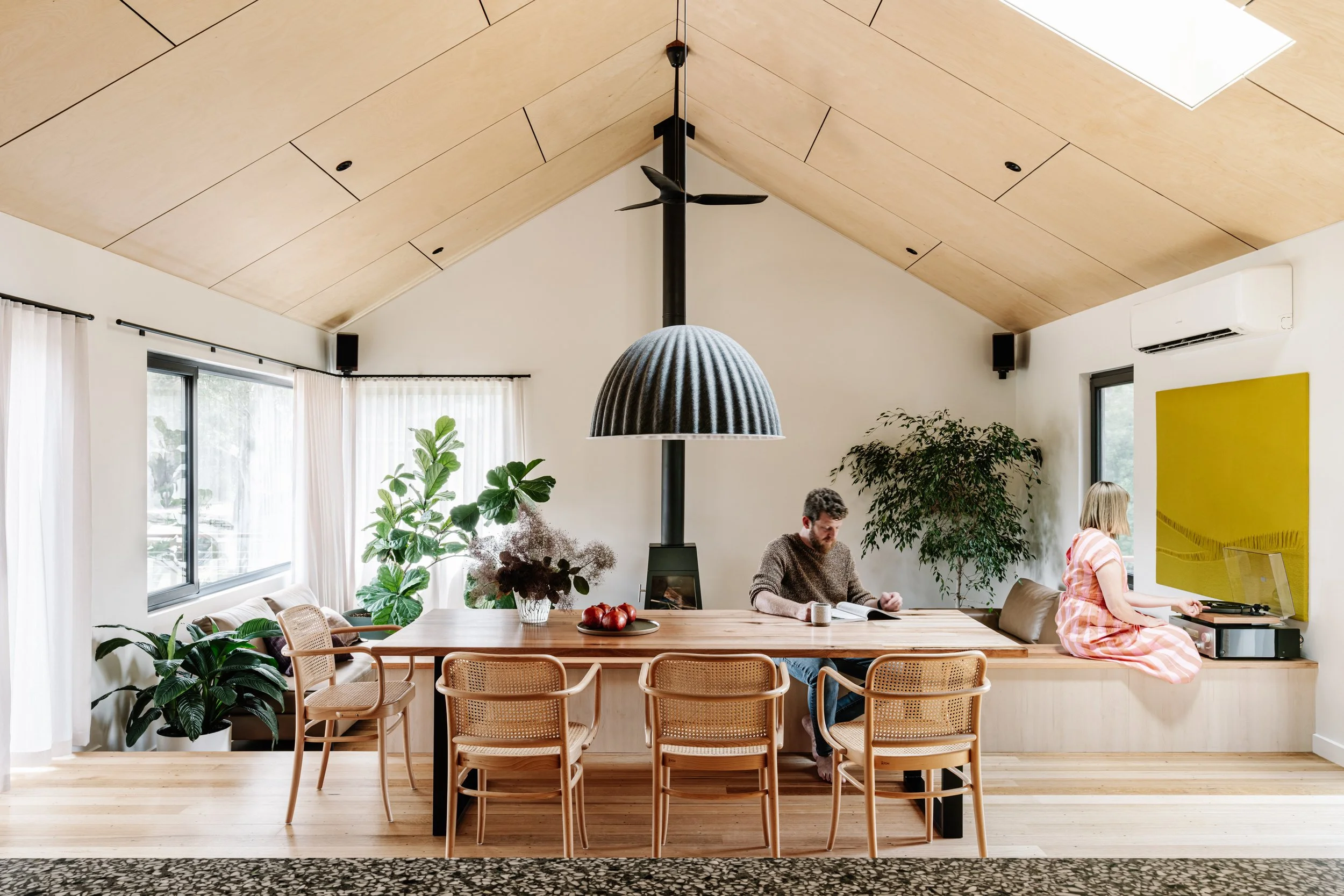
Two intersecting gables establish a cruciform plan: the long wing holds bedrooms and utility; the cross arm defines entry and pushes toward the creek to contain living. Floor levels step with the site—up for the bedroom wing to secure outlook and privacy; down to a sunken lounge and deck to sit closer to water and rock. ‘We were very keen to try to perch the building on the granite outcrop, rather than trying to modify the site too much,’ Silas says.
Everything starts with the site—privacy, sun, outlook. Silas sets the strategy: shield the street, face north for winter light and long views to the creek, and tighten sight lines to neighbours so it reads rural from within. ‘Our response was to use the siting of the building to create privacy from the street and also to optimise passive solar design,’ she says. ‘We oriented the living areas to the north, which also allowed us to take advantage of longer views along the length of the block and over the creek—we were careful to limit views towards the immediate neighbours to enhance the feeling of living in a rural setting.’ Beyond the boundary, the homeowners are regenerating the adjacent lot, which will improve the creek line and the outlook over years to come.
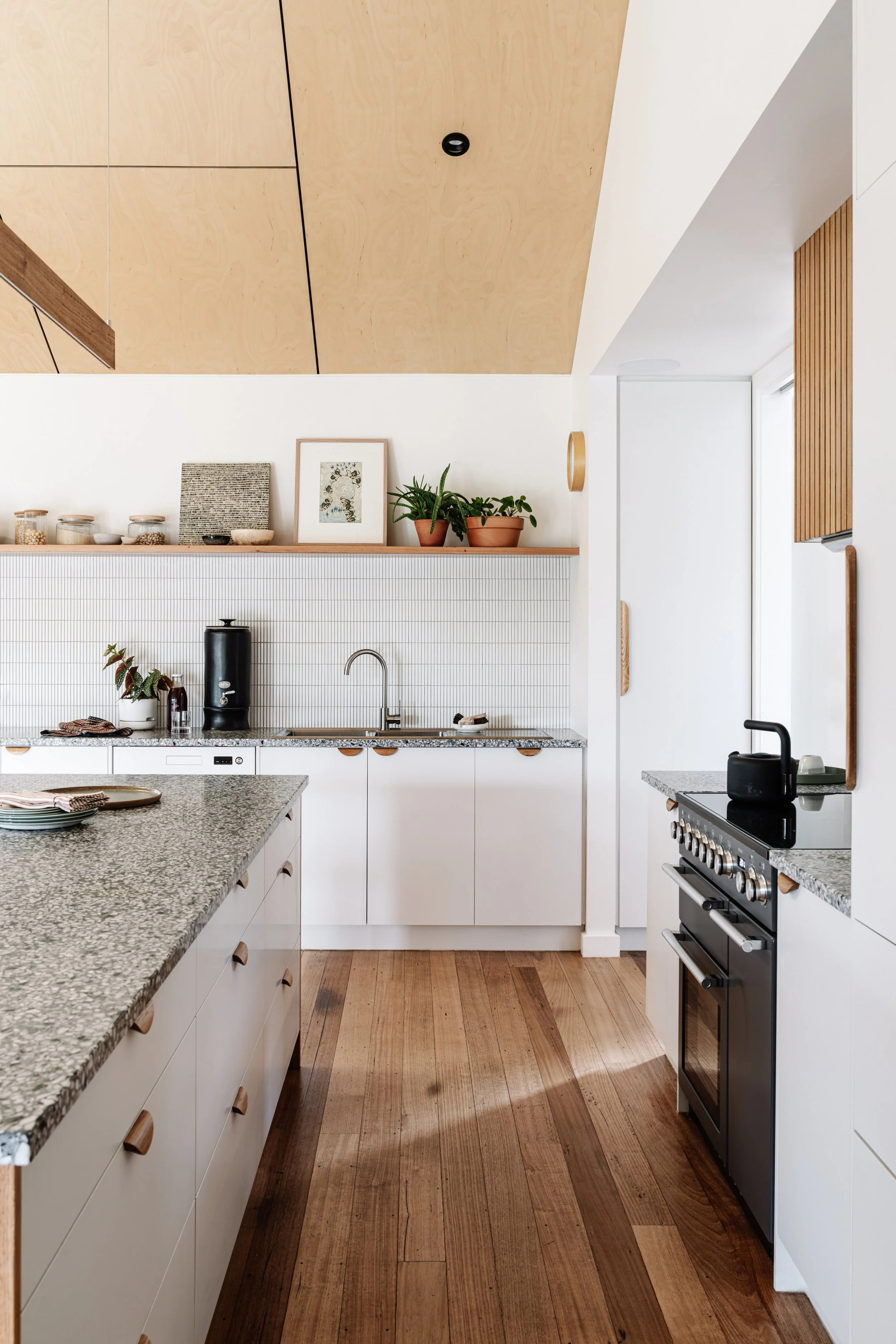
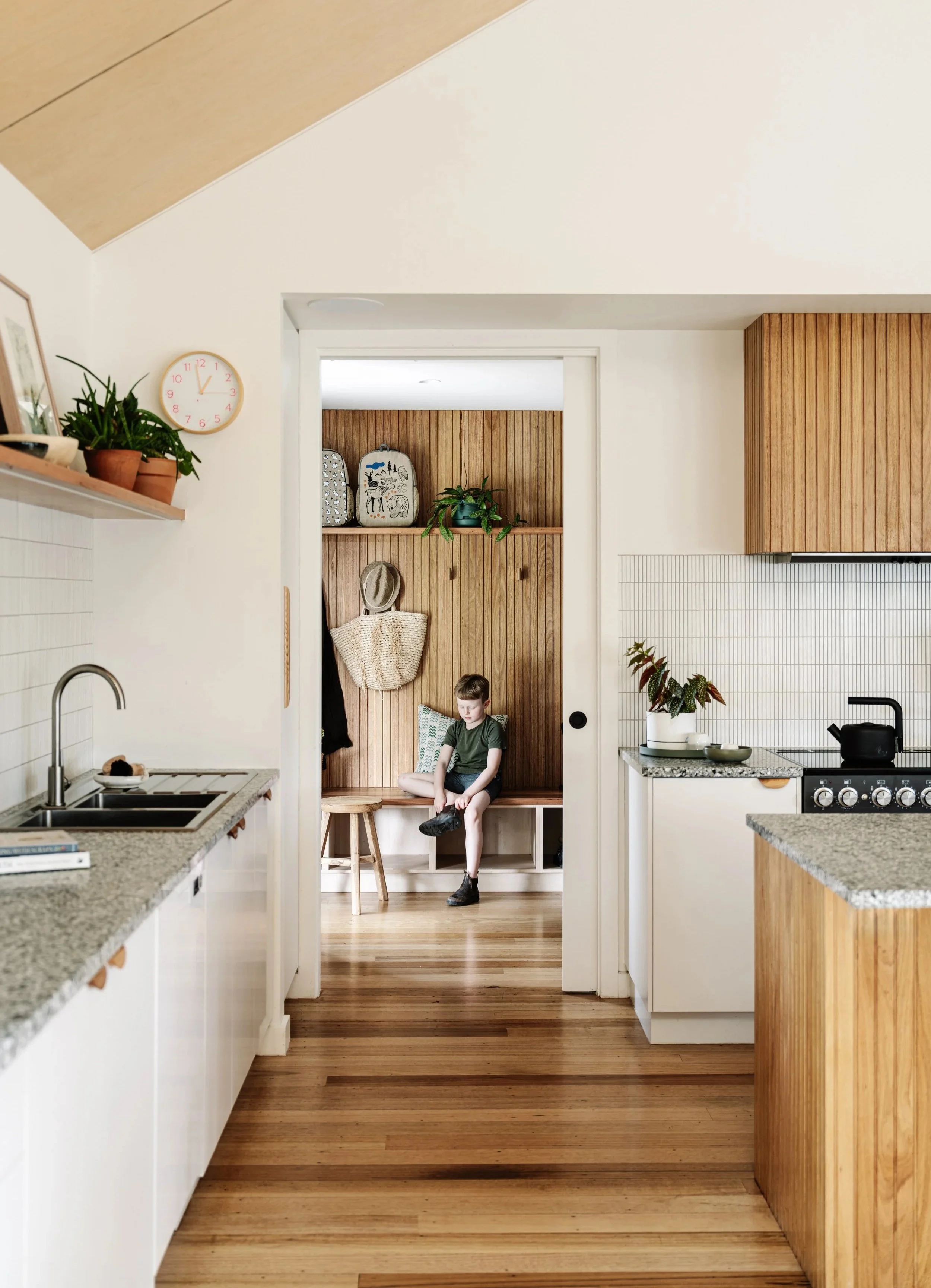
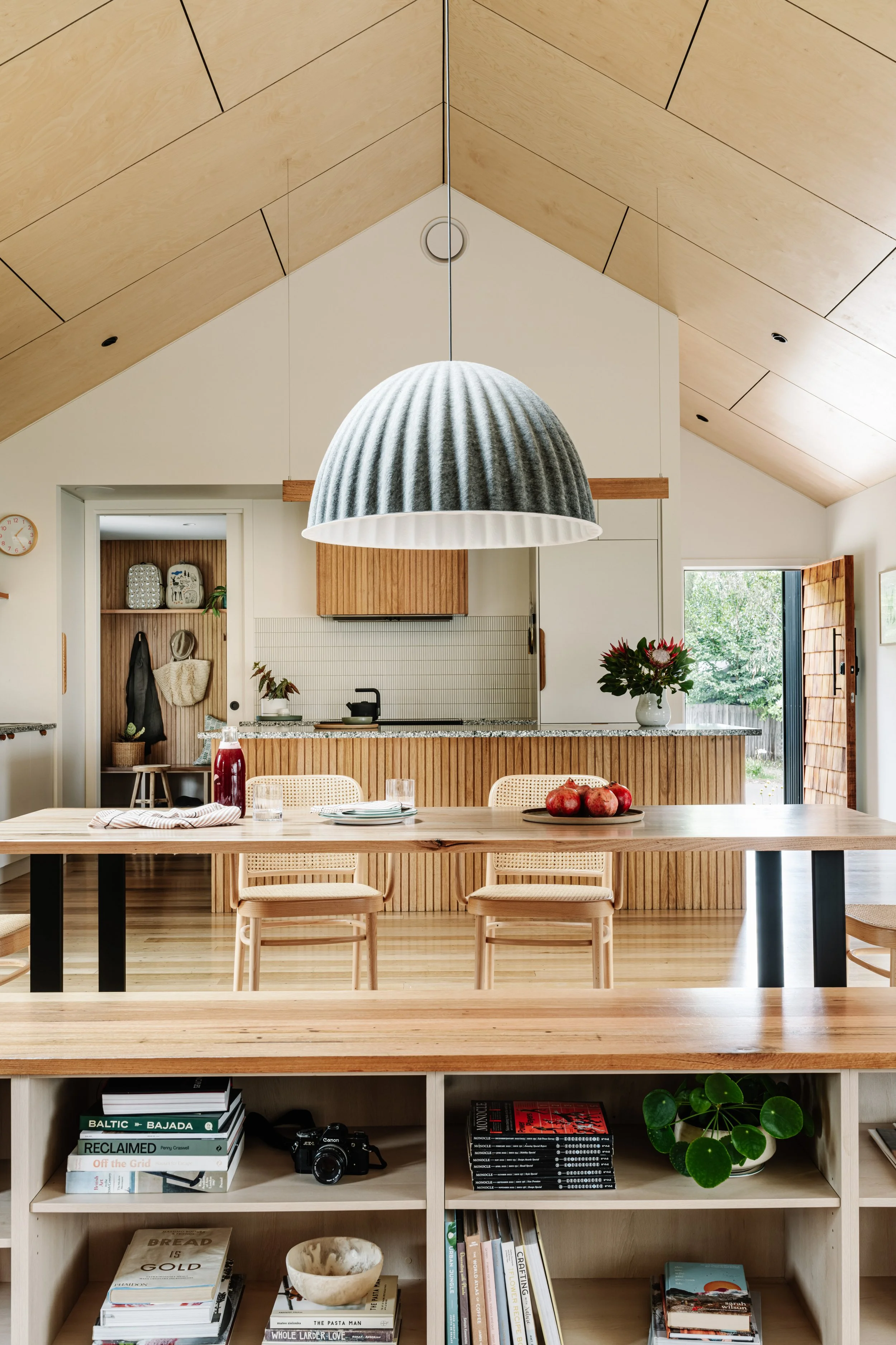
Materially, the house is robust and low-maintenance, Colorbond cladding and roof are softened by moments of cedar shingles; inside, recycled hardwood floors ground the rooms beneath ply ceilings. Performance is handled quietly—a well-insulated, airtight envelope with double-glazed tilt-and-turn windows, an all-electric spec (induction cooking and a heat-pump hot-water system), and a freestanding wood fireplace for winter.
Ultimately, Harcourt House reads restraint made tangible: two simple gables perched on granite, lifting for prospect and stepping down to meet the creek. A robust palette—Colorbond, cedar shingles, recycled hardwood and ply—keeps the house warm in tone and low in maintenance, while passive moves; north light, airtightness and double glazing, do the work of everyday comfort.
