

Taungurung Passivhaus By HèHè Design
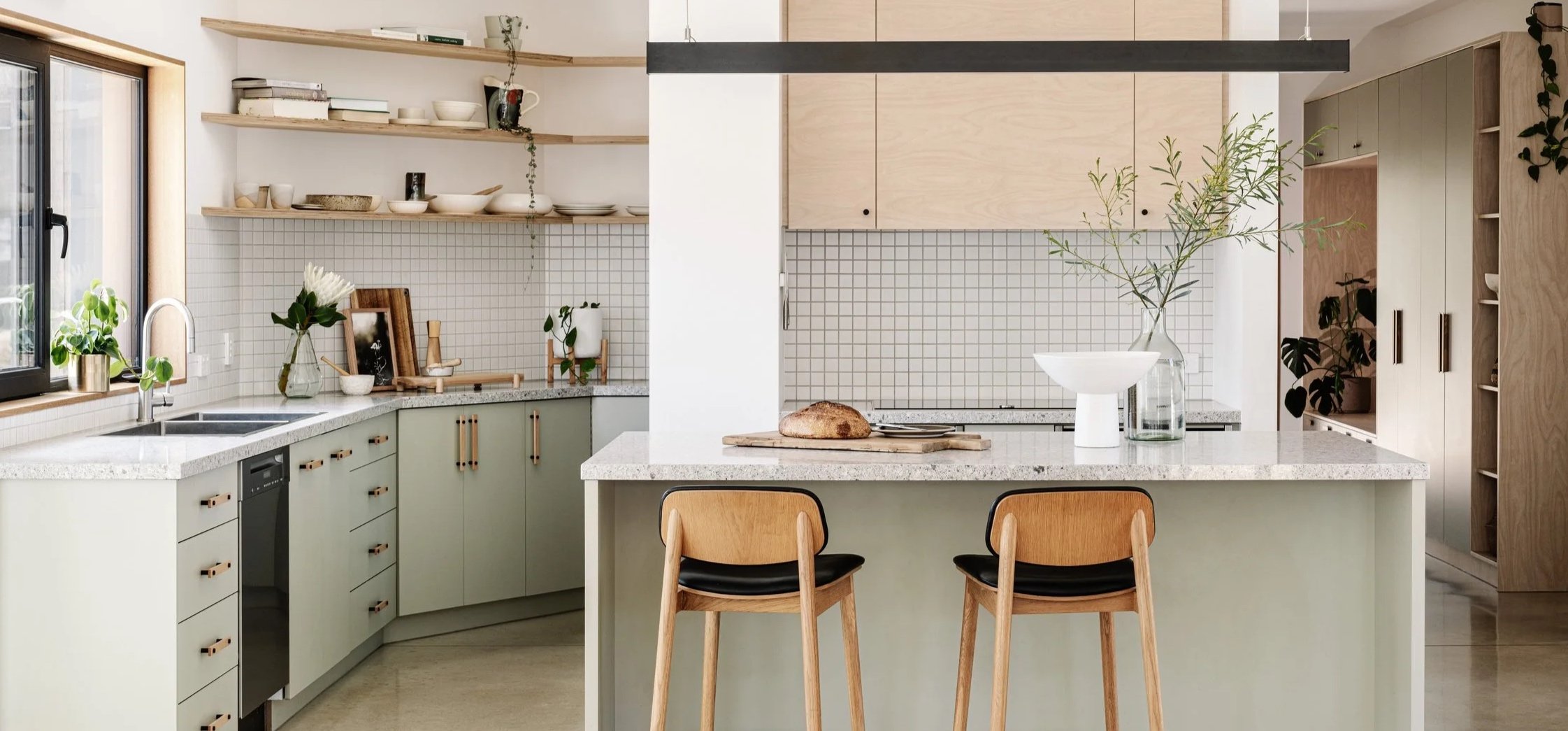
On Taungurung Country in Kyneton, this family Passivhaus is both refuge and blueprint for low-impact living—delivered by the sustainability-led team of HèHè Design, Maxa Design and Sanctum Homes.
Words HANDE RENSHAW Photos MARNIE HAWSON Interior Design HÉHÉ DESIGN Styling BELLE HEMMING Building Design MAXA DESIGN Build SANCTUM HOMES

A calm, practical core—right-sized island for prep and pause, with durable finishes that suit everyday family life.
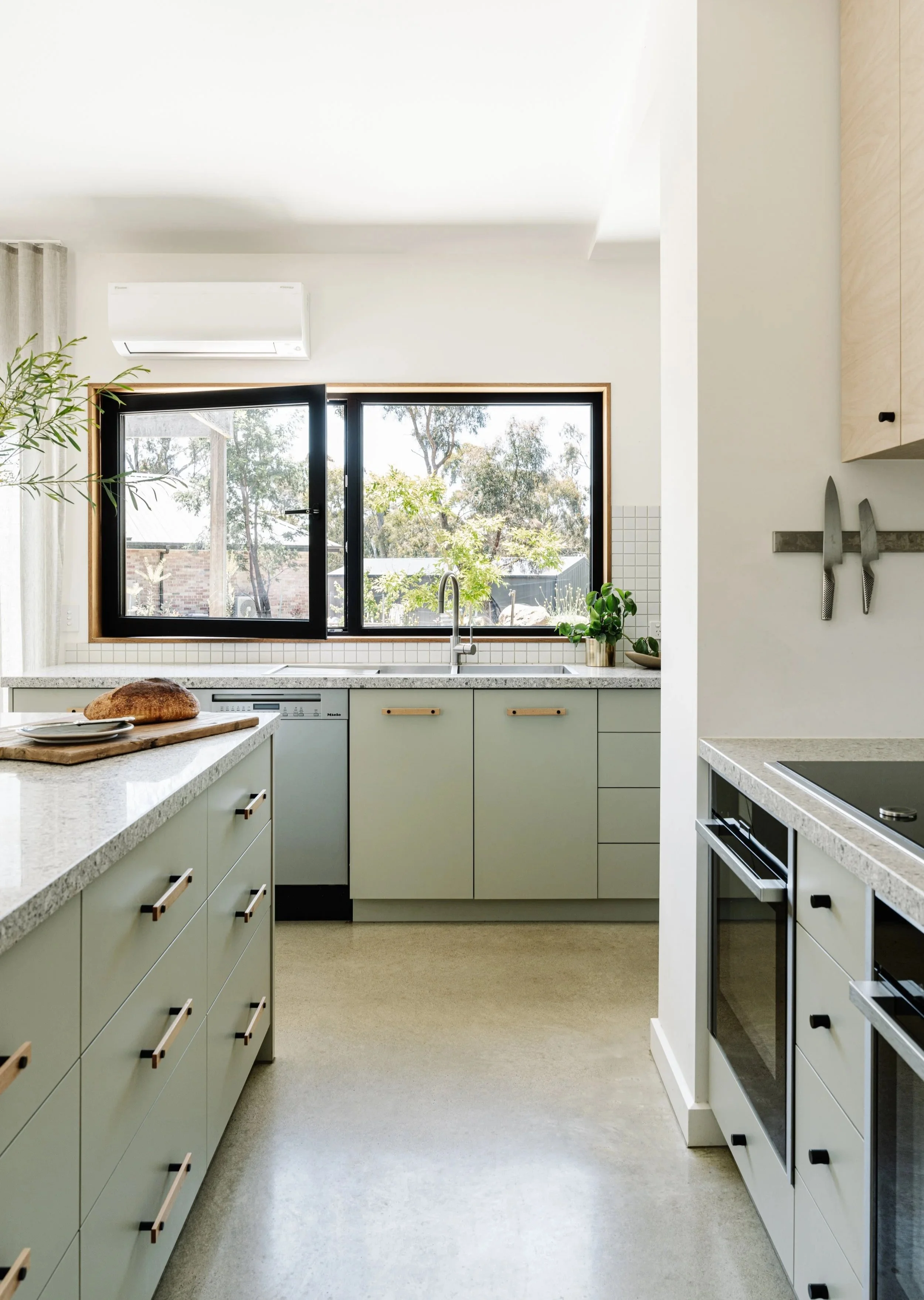
Durable, efficient and easy to clean, materials chosen to work hard for family life.
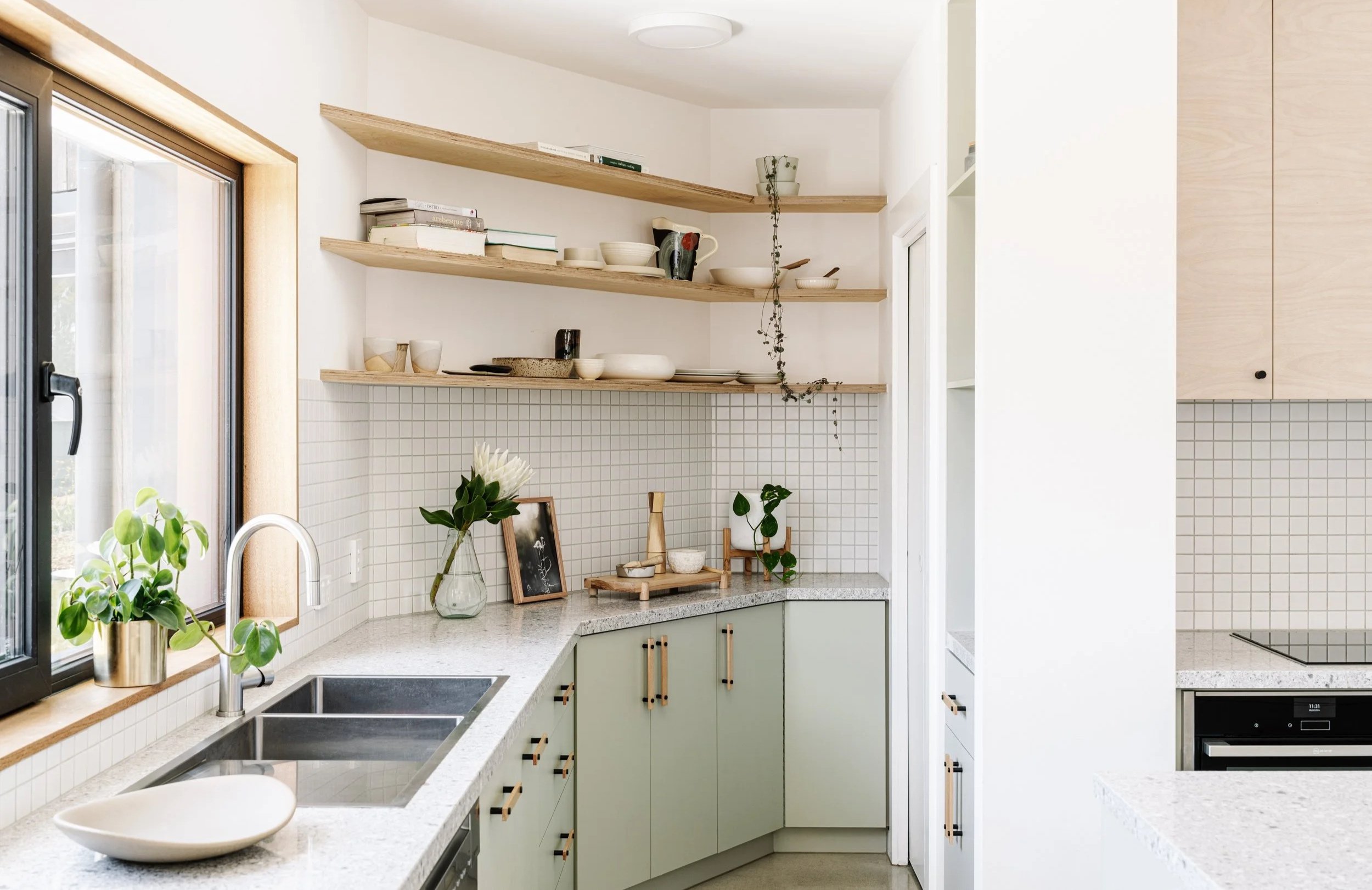

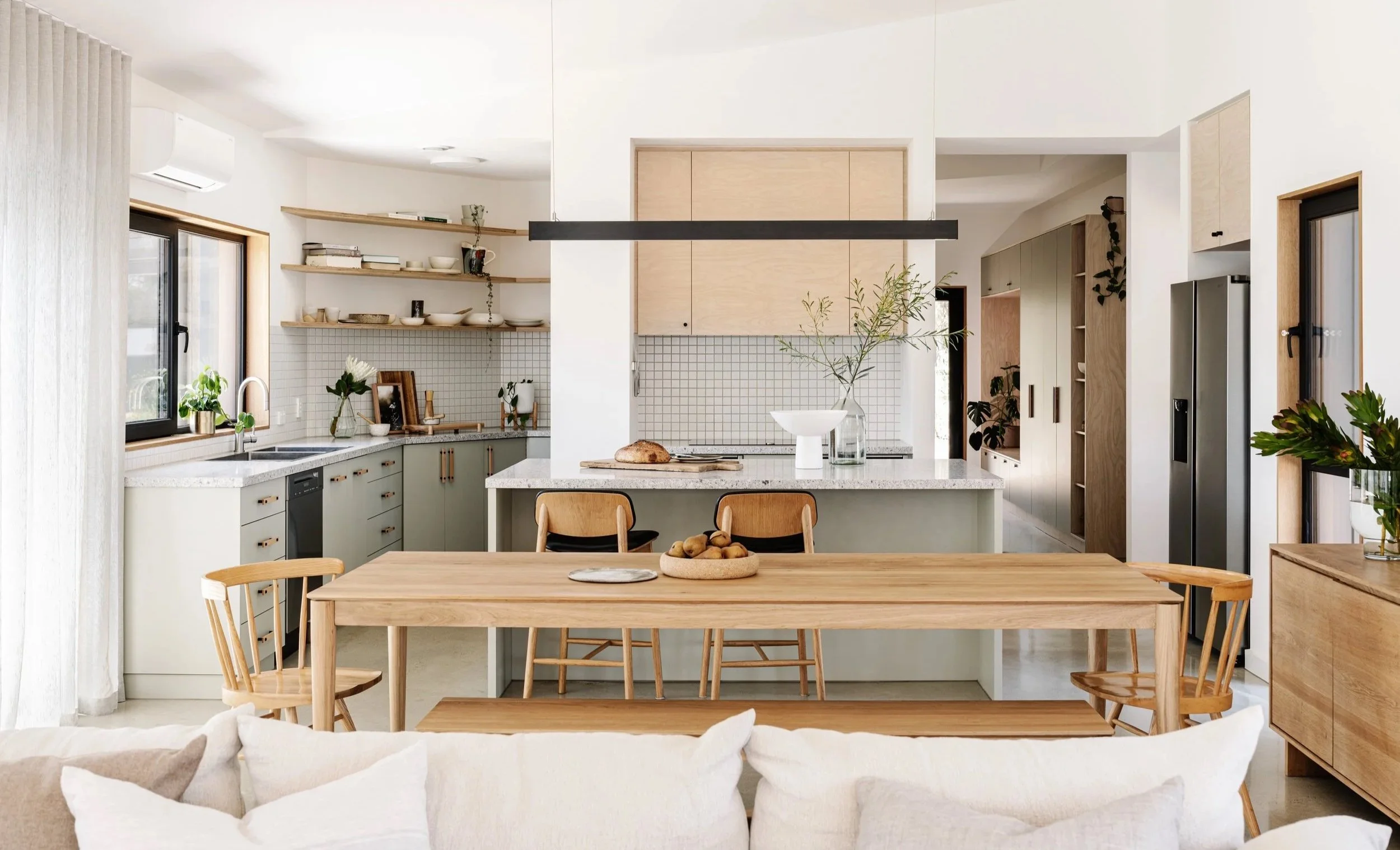
Passivhaus is a German-born building standard for ultra-efficient homes—spaces that stay comfortable with minimal heating or cooling and use far less energy overall.
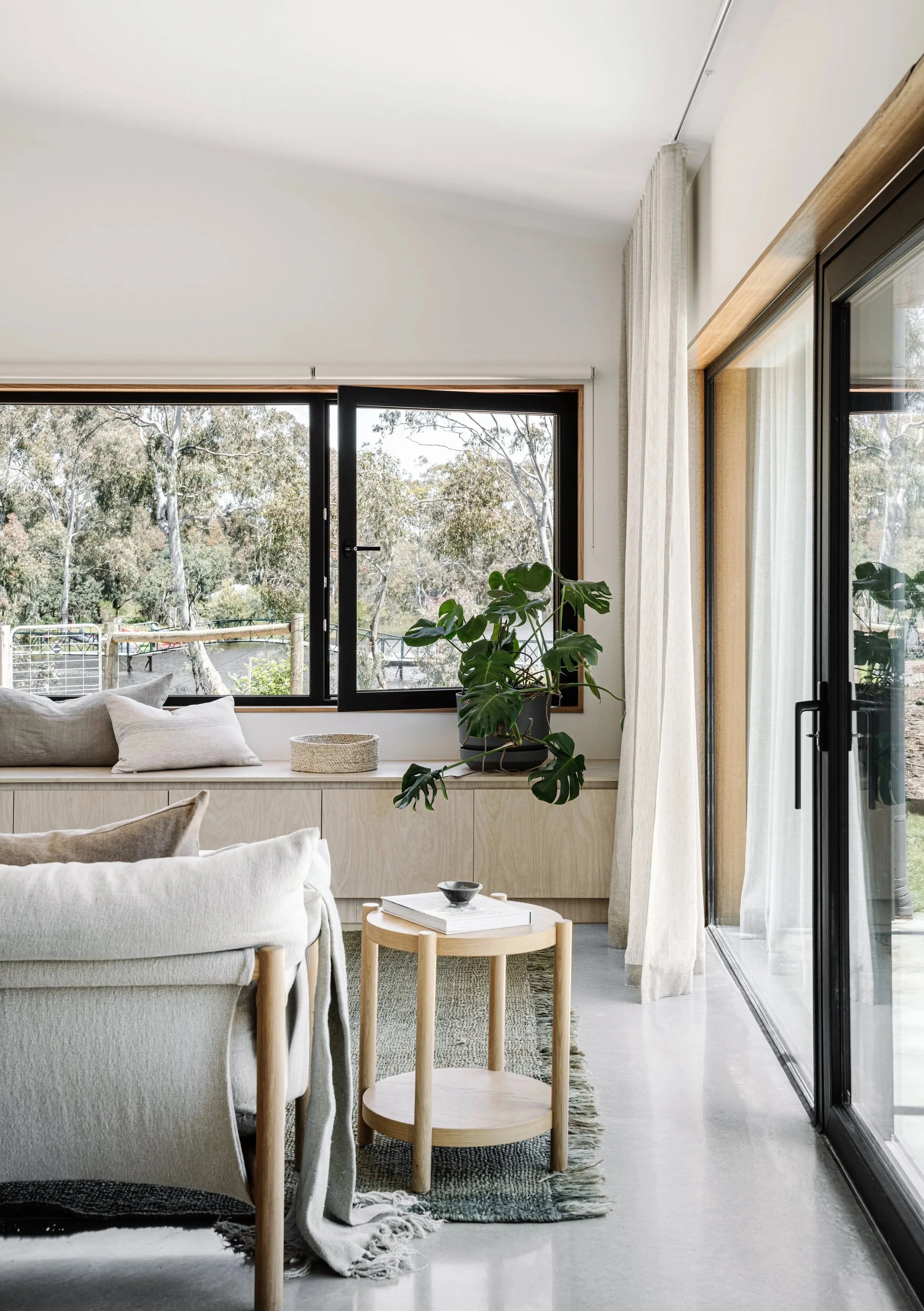
Triple-glazed windows frame bush views while keeping temperatures even.
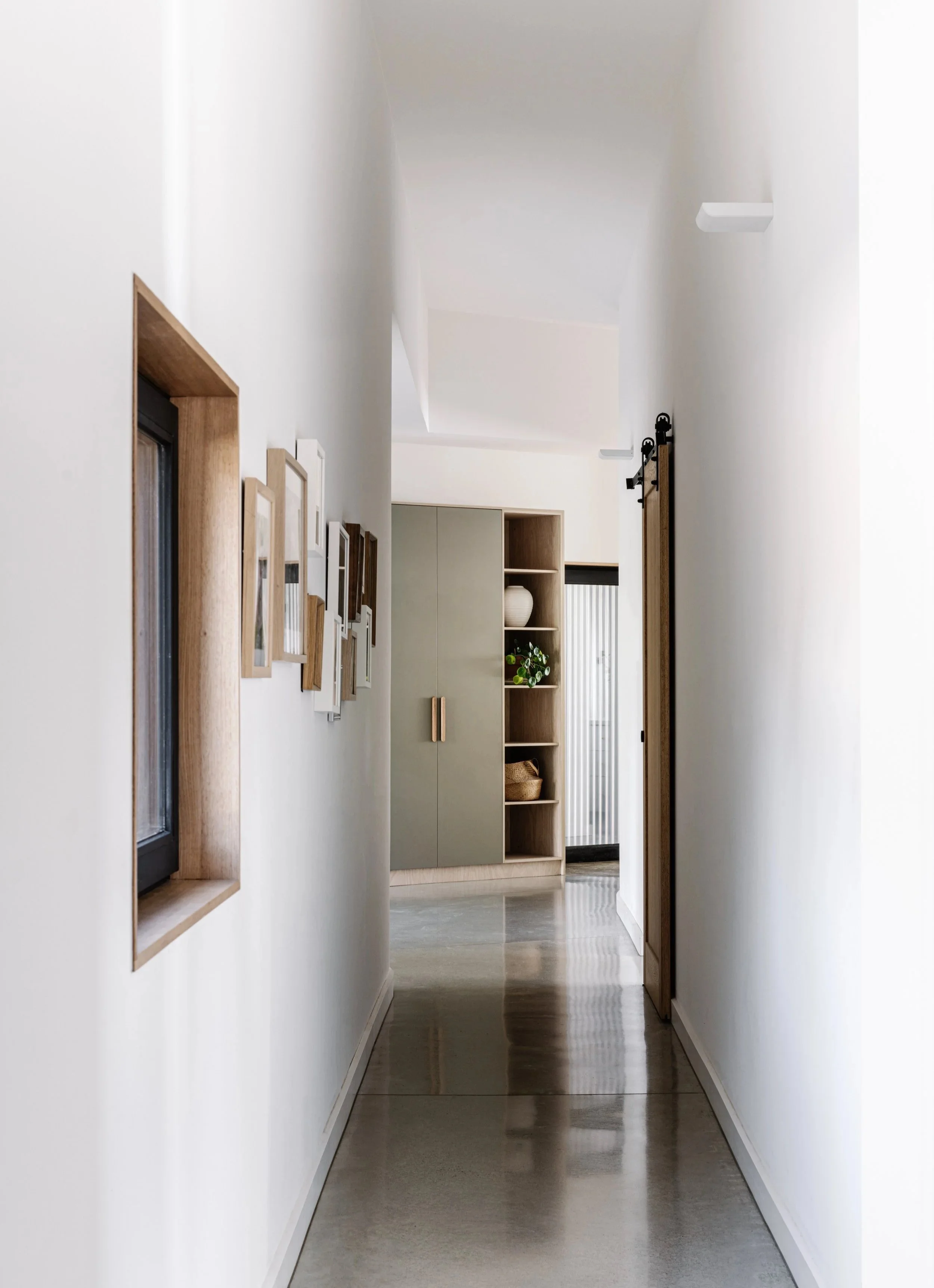
Year-round comfort without the fuss: balanced ventilation keeps air fresh while the envelope holds steady heat.
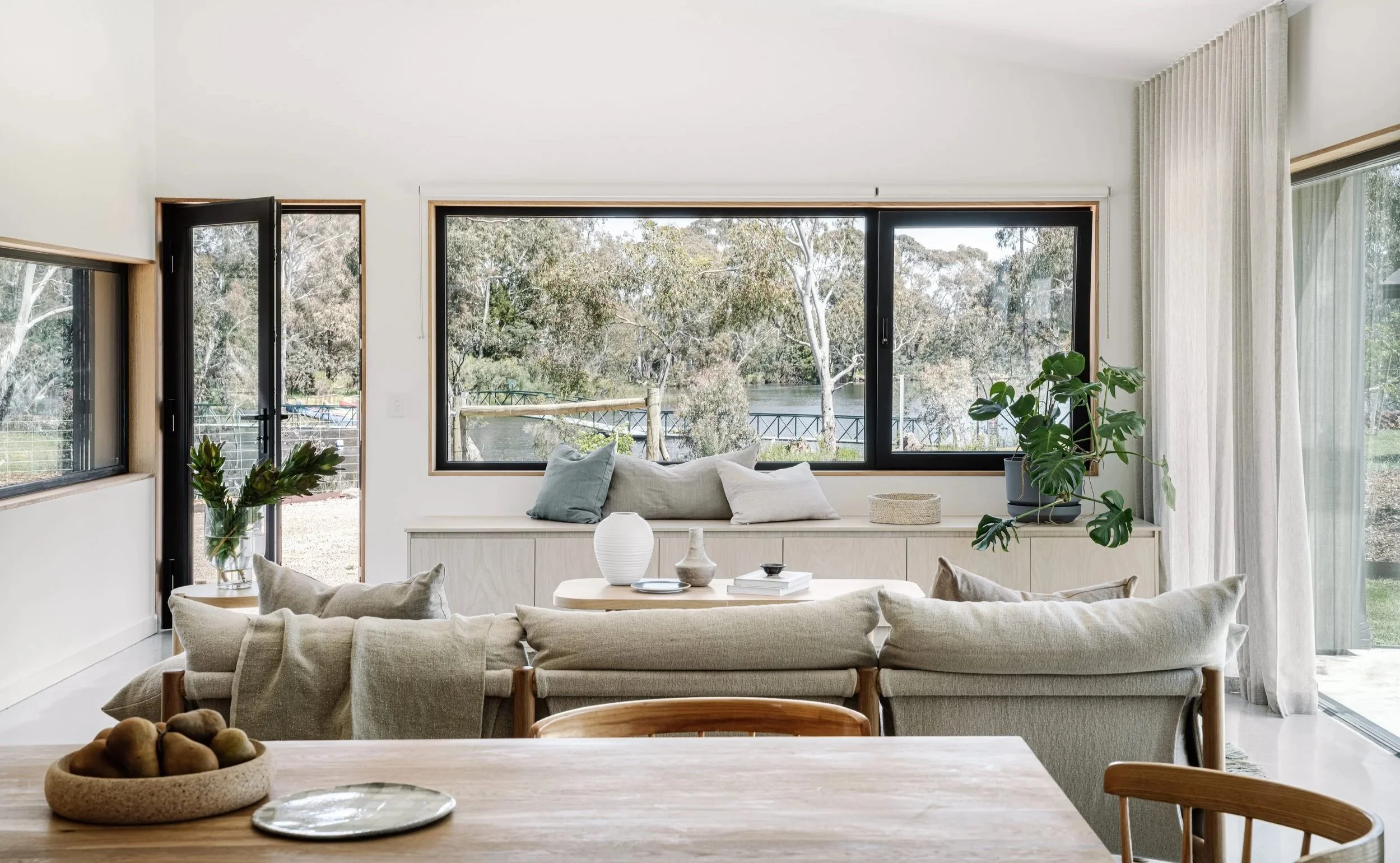
PassivHaus is a building standard that originated in Germany and aims to build high performing homes that require minimal heating or cooling and are very energy efficient.

Built-in storage and a plywood desk catch soft light from a triple-glazed window, with the airtight Passivhaus envelope keeping the space calm and comfortable year-round.
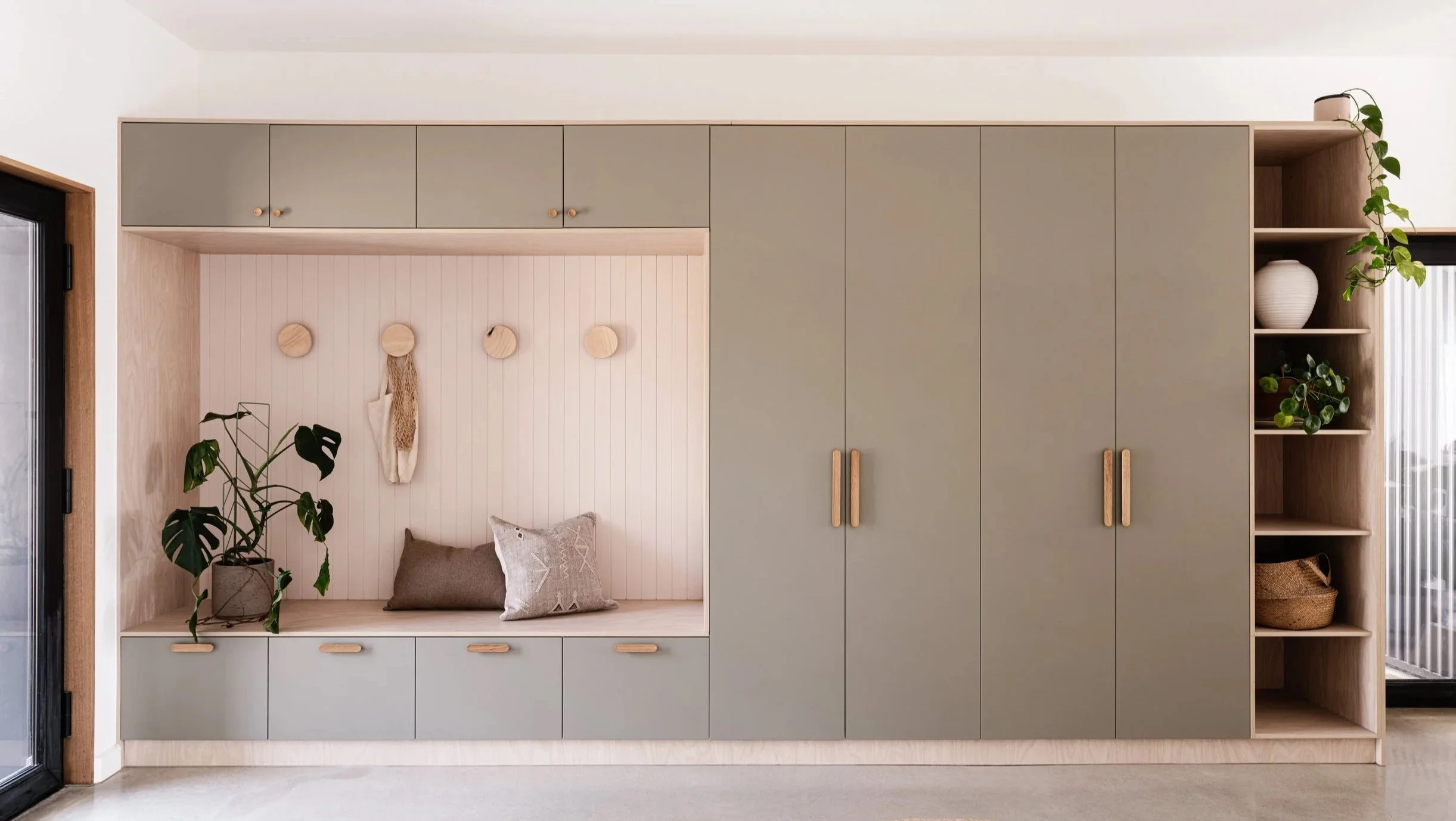
Built in cabinets and drawers in Laminex Possum.
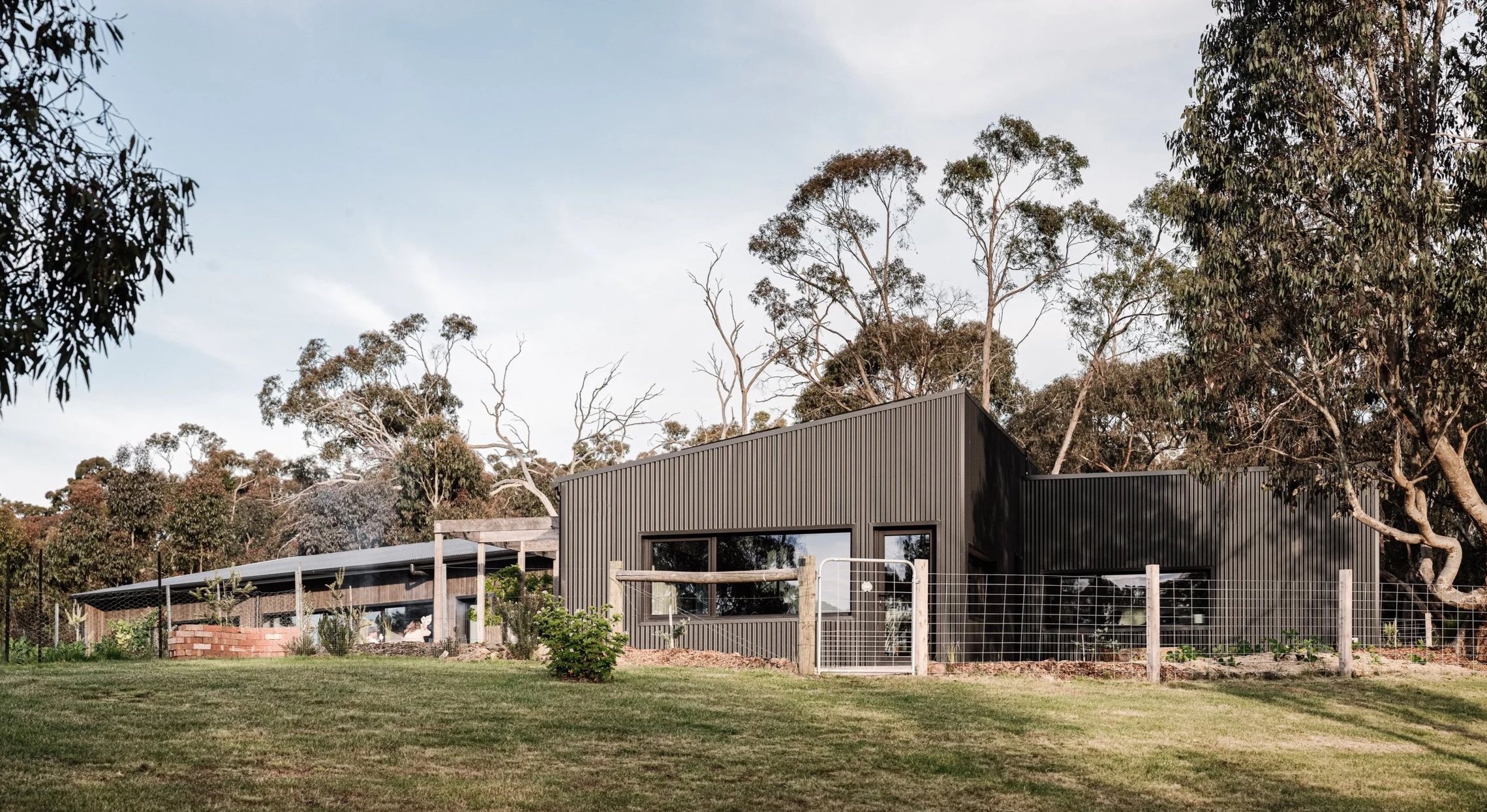
A house that settles into place: echidnas, Gang-gang cockatoos, and sunset over the water as daily rhythm.
On Taungurung Country in Kyneton, a once-wild bush block overlooking a man-made lake now holds a family Passivhaus—part refuge, part blueprint for low-impact living.
After years of inefficient rentals, the homeowners set their sights on a house that would be genuinely efficient, healthy for their children, and gentle on the landscape. An all-electric build that treads lightly without sacrificing ease.
With a sustainability-first team—building designers Maxa Design, interior studio HèHè Design, and Passivhaus builder, Sanctum Homes, the project moved from idea to envelope at pace. The build took seven months in total, but the superstructure, using structural insulated panels (SIPs), went up in just three days! The house is compact by intention, right-sized for how the family lives now and how they’ll live later, so material and energy budgets work harder.
The family home is built to the rigorous Passivhaus standard with an 8.2-star NatHERS rating, maintaining a stable, comfortable temperature year-round with minimal active heating or cooling. A heat-recovery ventilation unit supplies filtered fresh air and removes moisture and odour, making the fully sealed interior feel crisp without drafts. Triple-glazed windows and careful orientation capture winter sun and protect summer shade; the result is the kind of quiet, even comfort that has the family forgetting it might be frosty outside.
All-electric systems complete the picture. Rooftop solar offsets demand; a heat-pump hot-water system and high-efficiency heating/cooling cut usage; cooking shifts to induction. The first electricity bill landed in credit—an early dividend on the specification. Material choices are equally deliberate: sustainably sourced timber cladding, long-life Colorbond wall sheeting with lower embodied energy, rainwater storage, and high-efficiency tapware reinforce a fabric-first approach.
Budgeting favoured longevity over upfront savings: triple glazing and other high-performance elements add to the initial spend, but a modest footprint and early collaboration between HèHè Design and Sanctum Homes kept drawings and dollars aligned. A green-loan further eased the path, proof that finance can reward high-performance builds when the criteria are met.
Daily life is the true measure. Mornings in winter begin warm without touching a heater; air quality remains consistently fresh; and the house settles into the bush setting as if it has always belonged there. The contrast with previous rentals couldn’t be starker. Now, a sealed envelope and balanced ventilation deliver comfort as a baseline, not a luxury.
The site sets the pace. Echidnas tap at the door, Gang-gang cockatoos roost in the big tree, and sunsets fold across the lake—small markers of a slower rhythm. Designed step-free with generous access, the home is set for the long term, with provisions to add a battery when the technology makes sense.
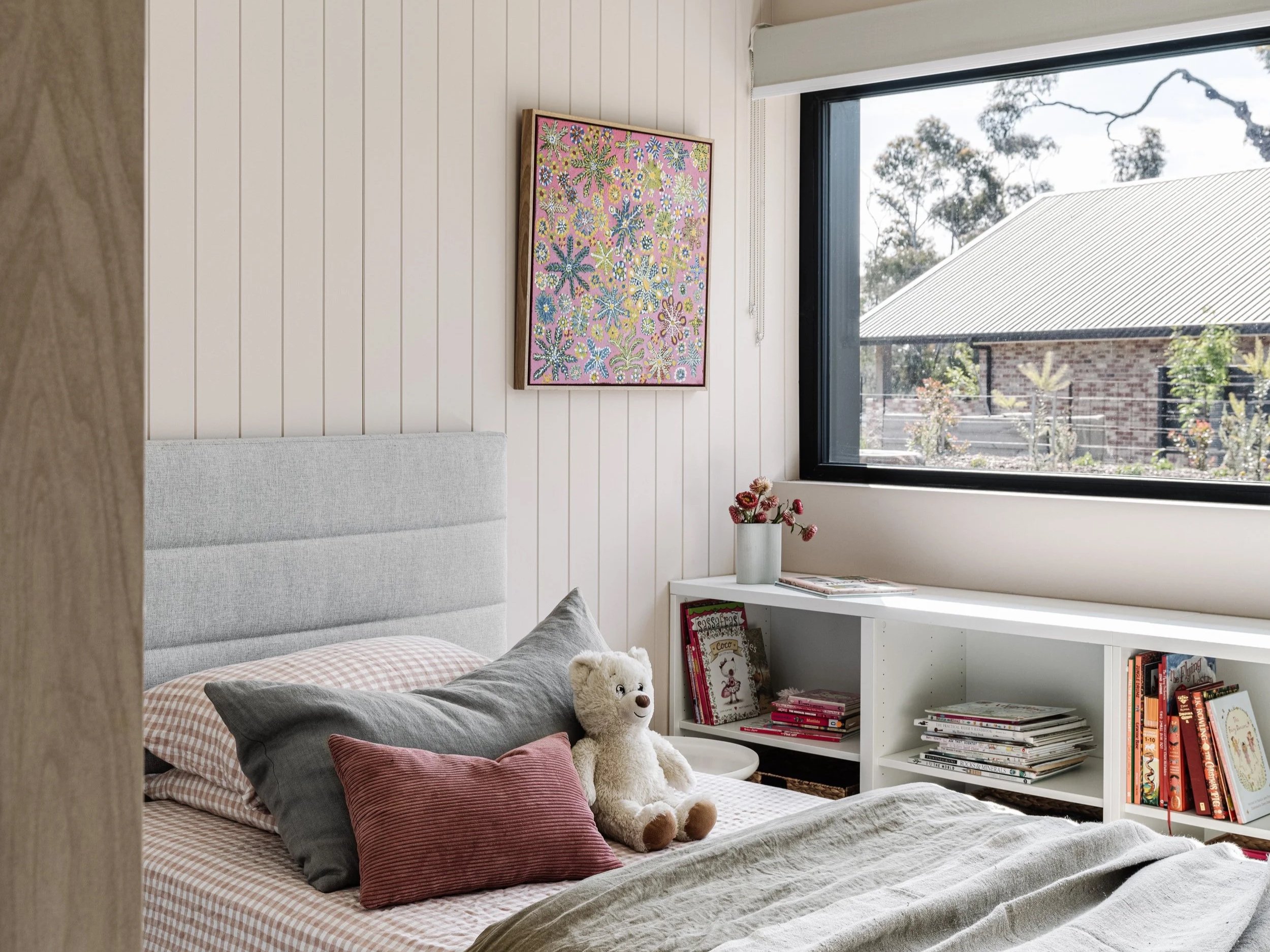
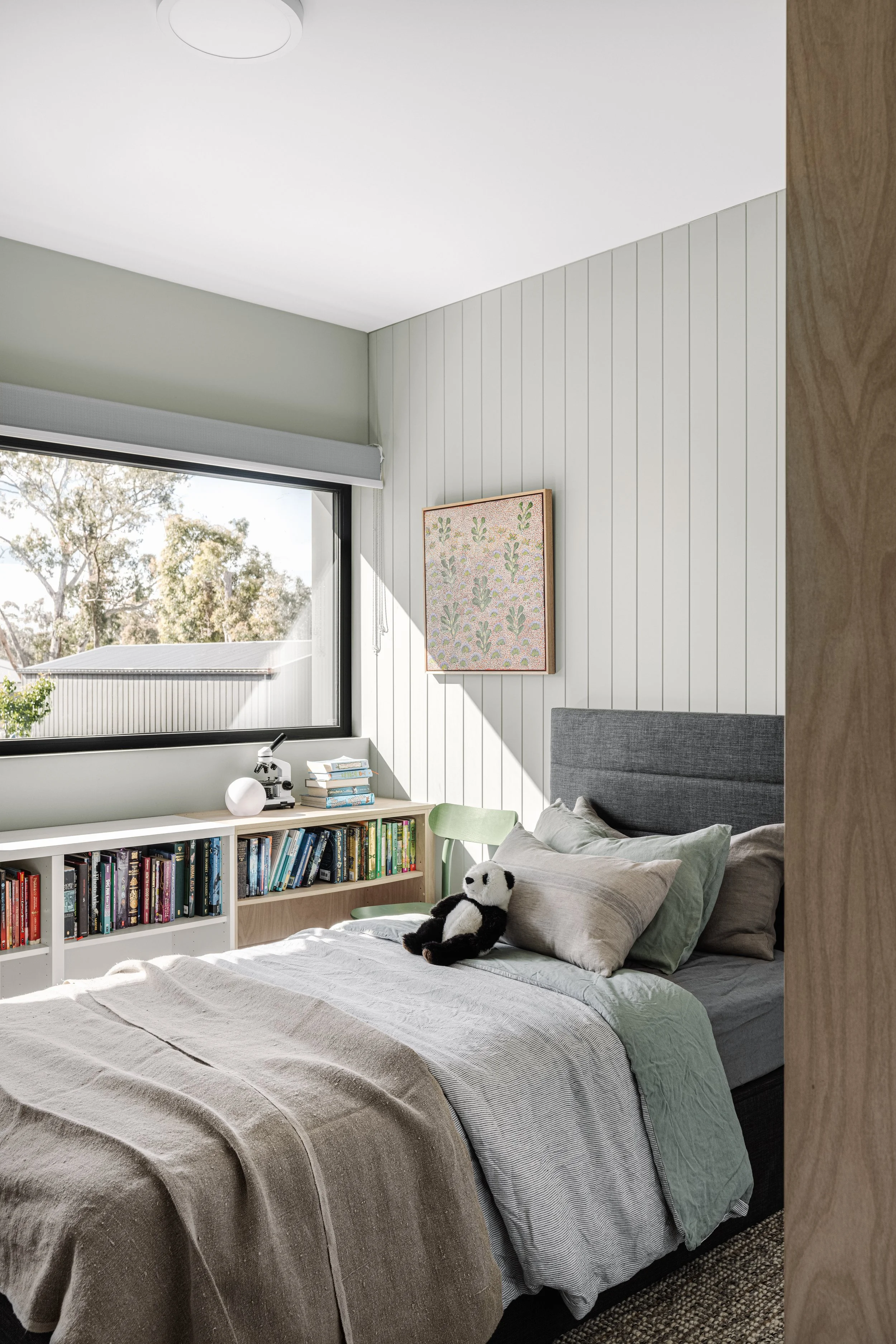
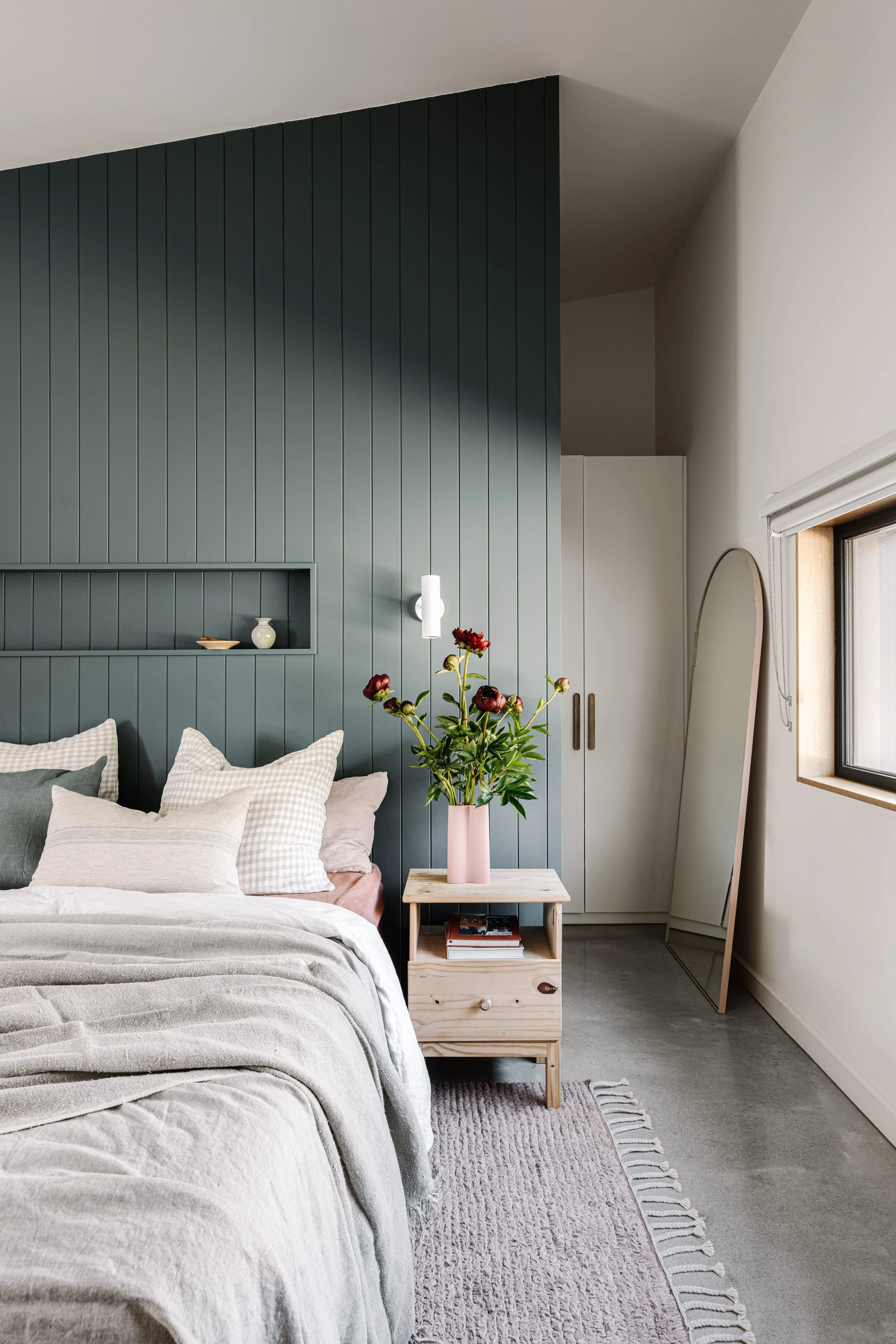
Sustainably sourced timber and considered finishes set an honest, low-maintenance tone.
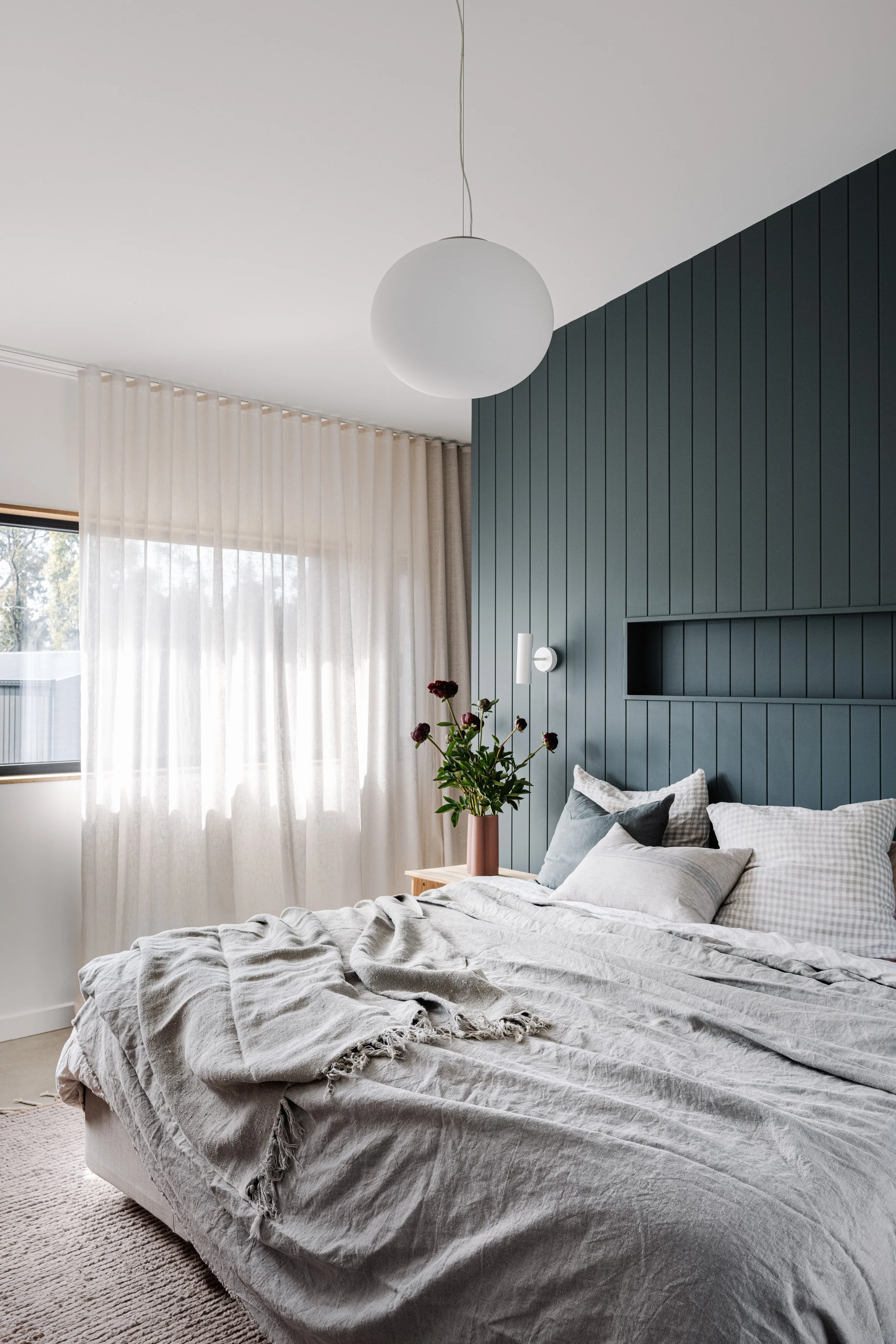
The home includes three bedrooms and two bathrooms.
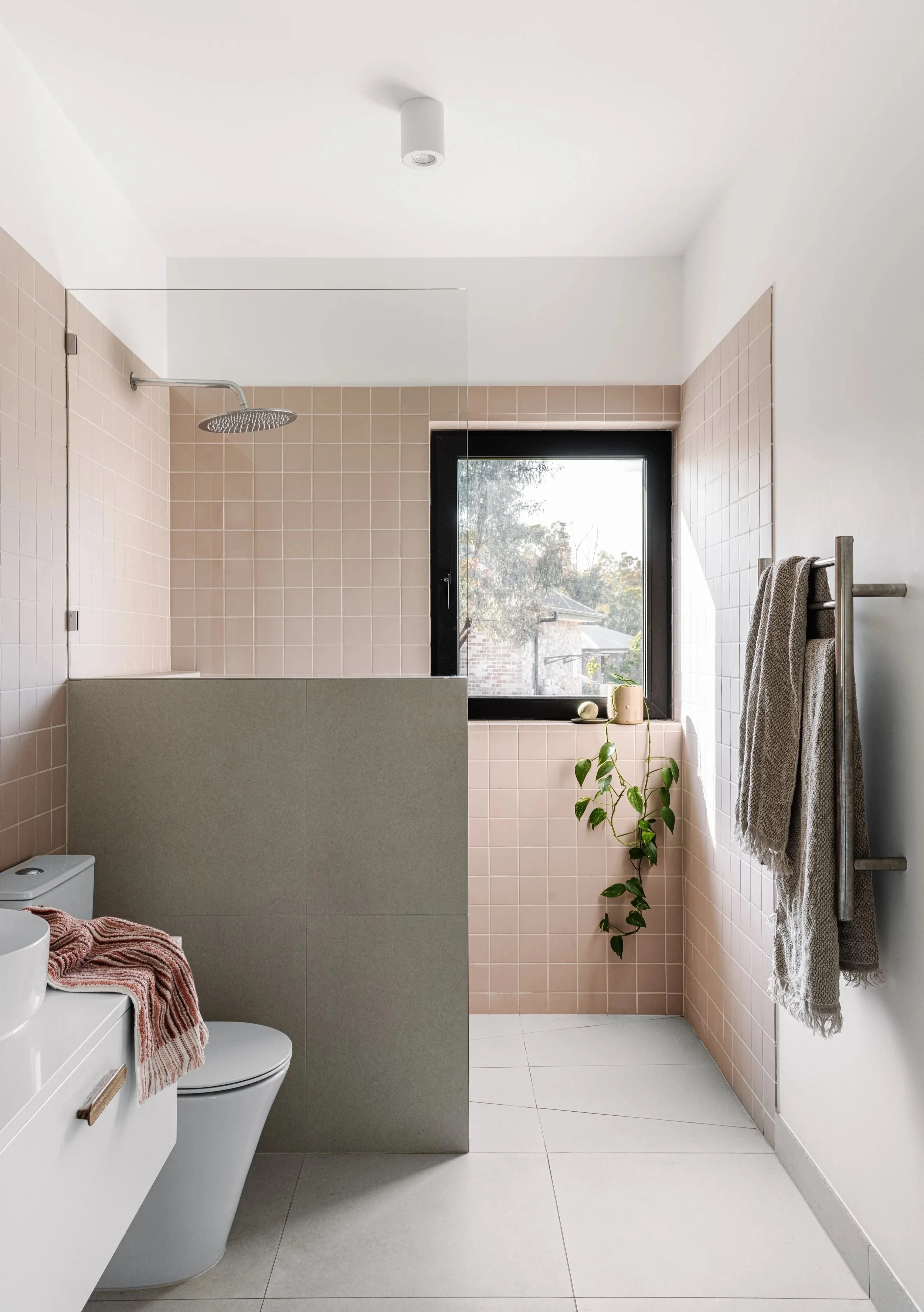
Gentle geometry: blush tile, pale stone and a frameless screen, with fresh air managed by the home’s balanced ventilation.
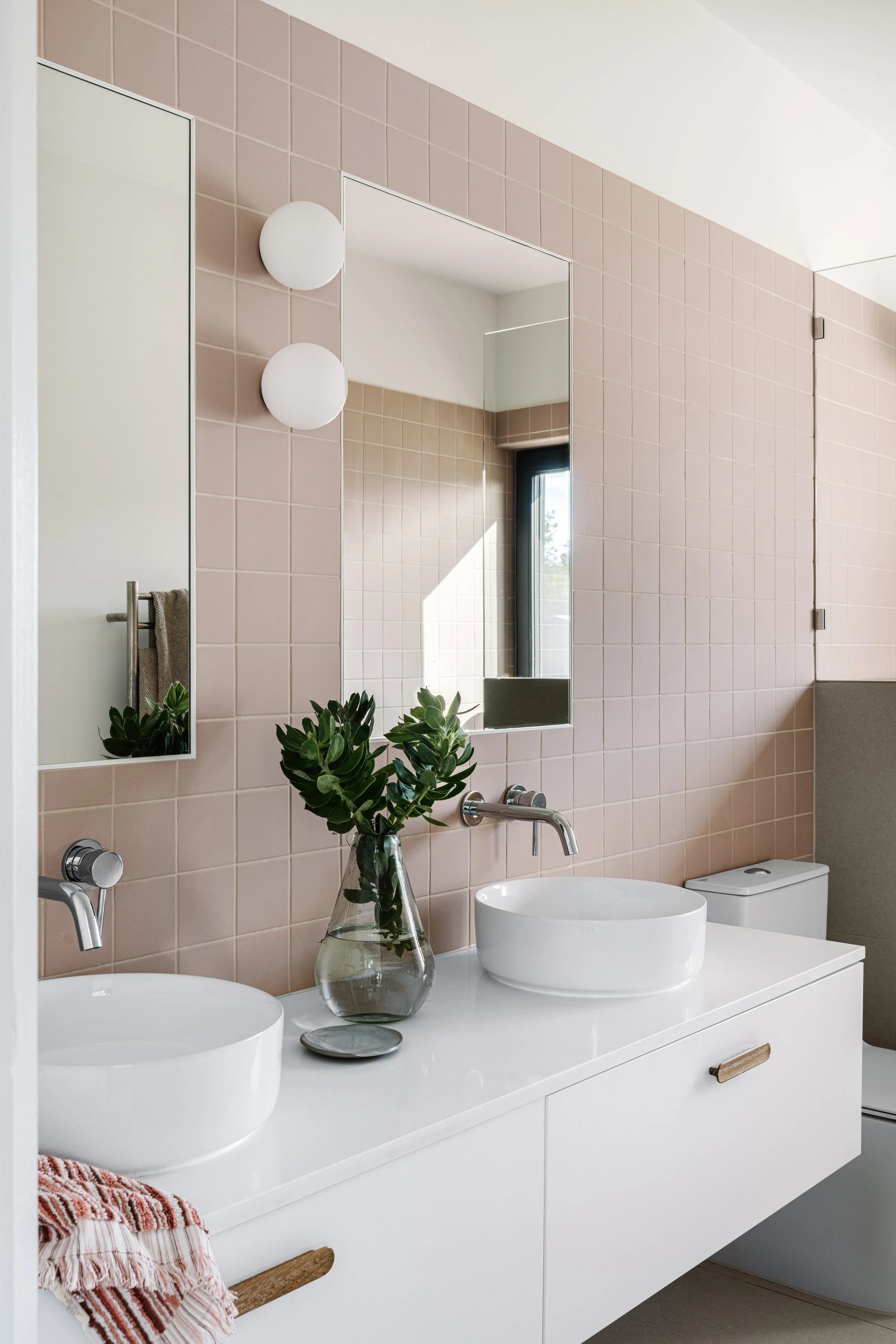
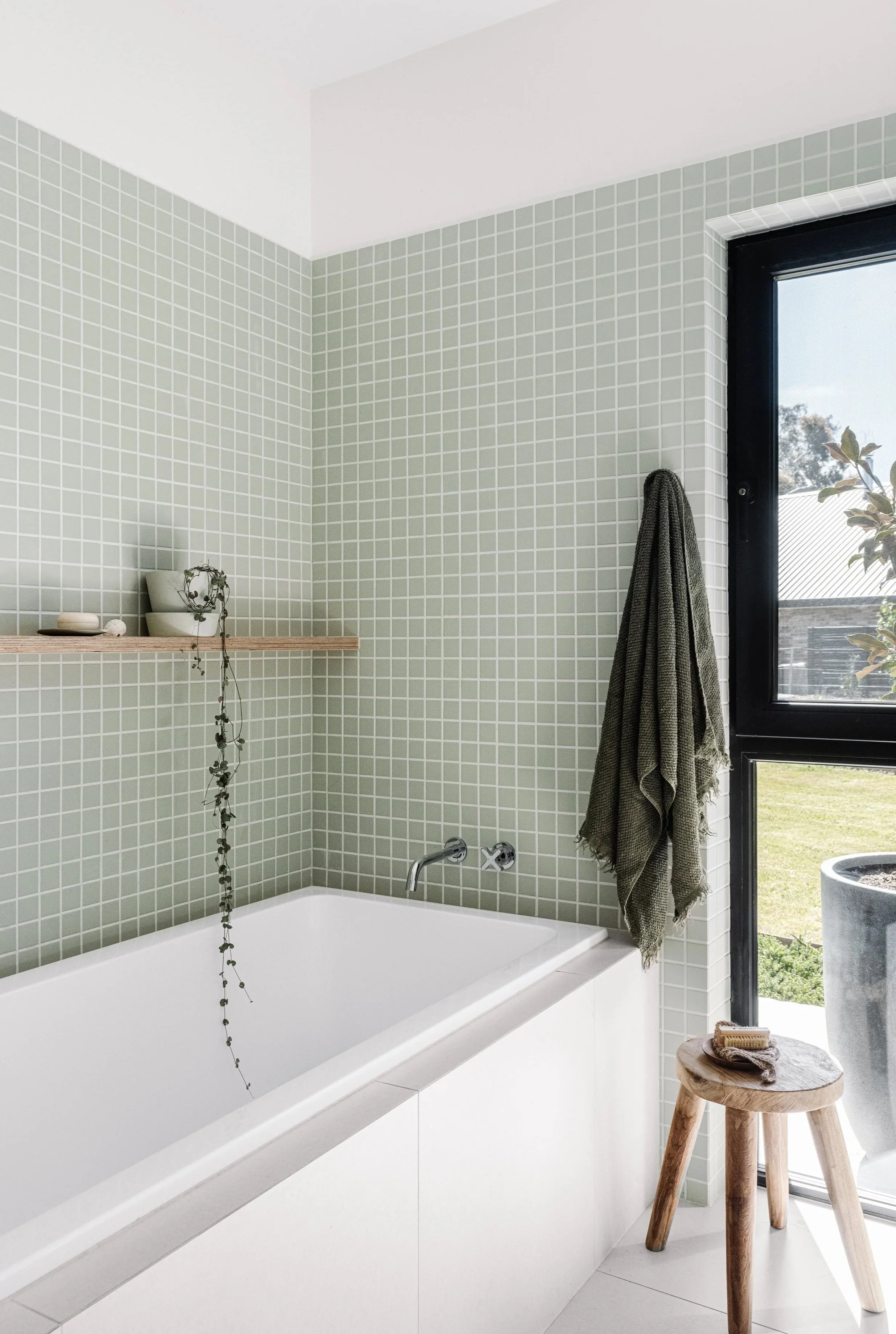
In the bathroom: understated finishes, plenty of light, and even temperatures year-round.
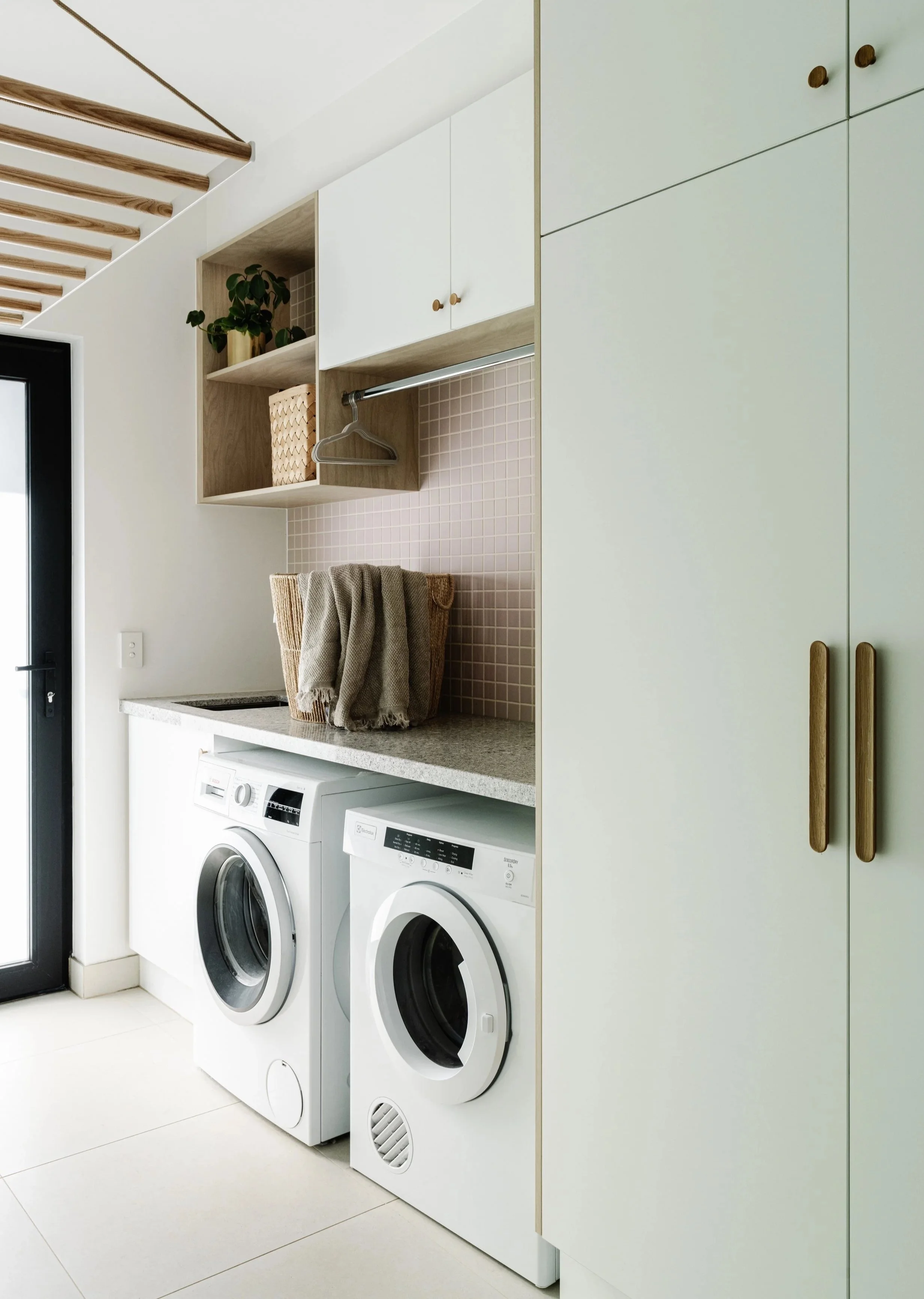
In the laundry, simplified: integrated storage, mosaic splashback and a ceiling-mounted drying rack—paired with energy-efficient appliances in an airtight, even-temperature envelope.
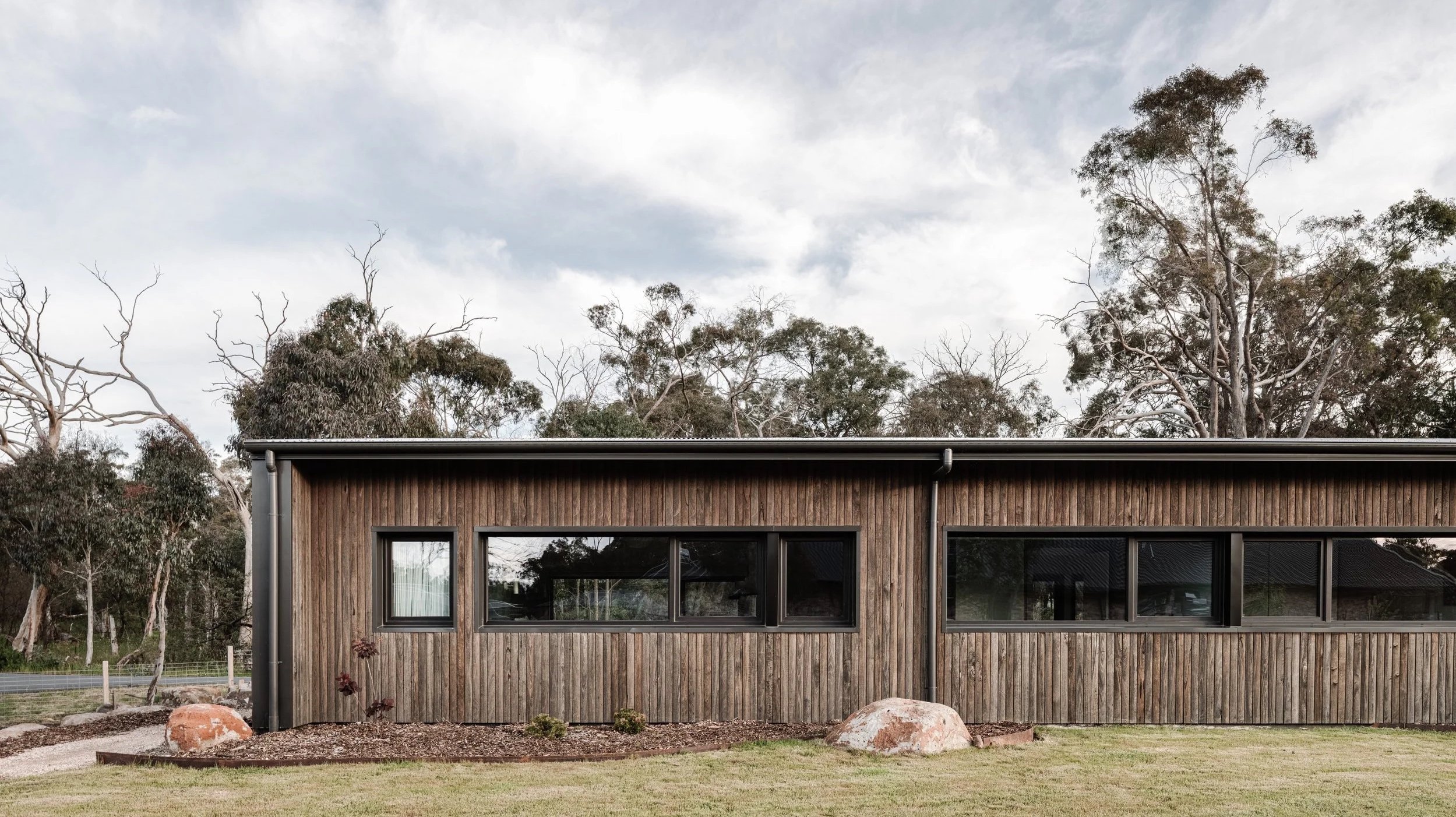
Step-free access and gentle thresholds, designed for now and later.
