

The Japanese Art of Pickling & Fermenting By Yoko Nakazawa
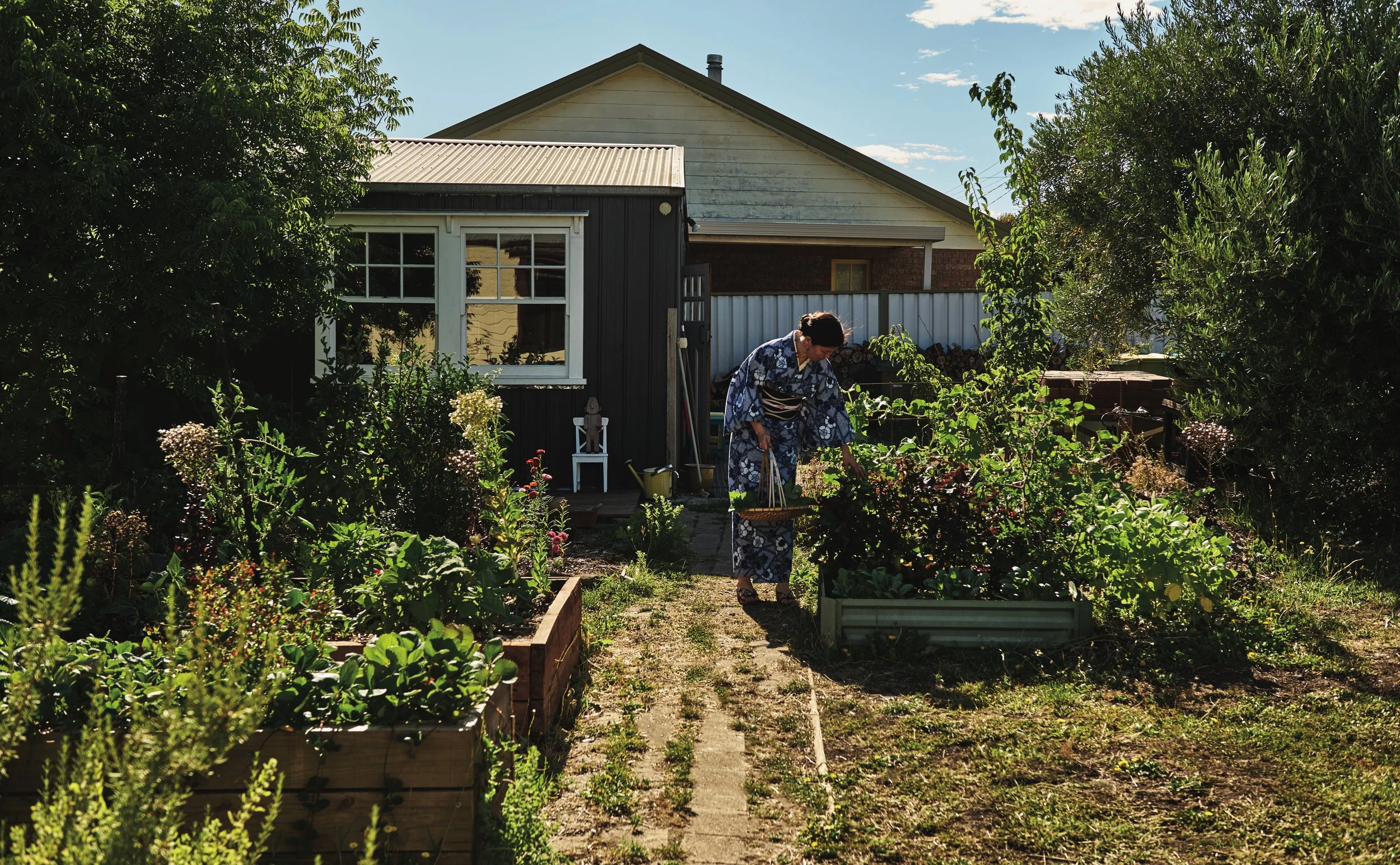
In The Japanese Art of Pickling & Fermenting, Yoko Nakazawa brings centuries-old Japanese techniques to the Australian kitchen. Discover otsukemono—timeless pickles where preservation begins a deeper journey.
Words HANDE RENSHAW Photos ROCHELLE EAGLE

‘Japan is good at preserving the past to enjoy in the present and for the future. Not only pickles, but culture, tradition, style, aesthetics, architecture, clothing, festivals and philosophy,’ says Yoko Nakasawa.
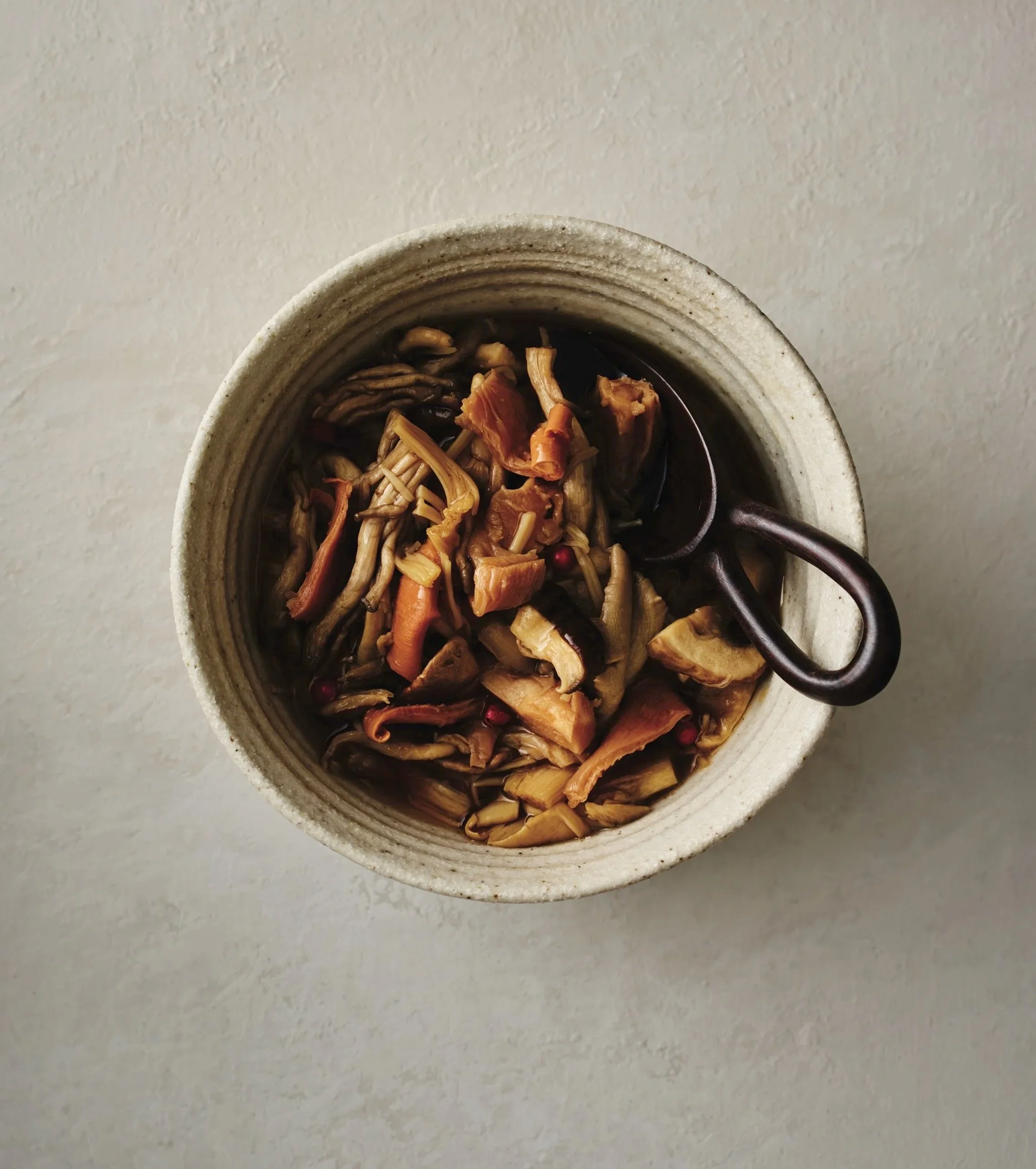
Mixed mushroom tamarizuke from The Japanese Art of Pickling & Fermenting by Yoko Nakazawa—recipe shared below!
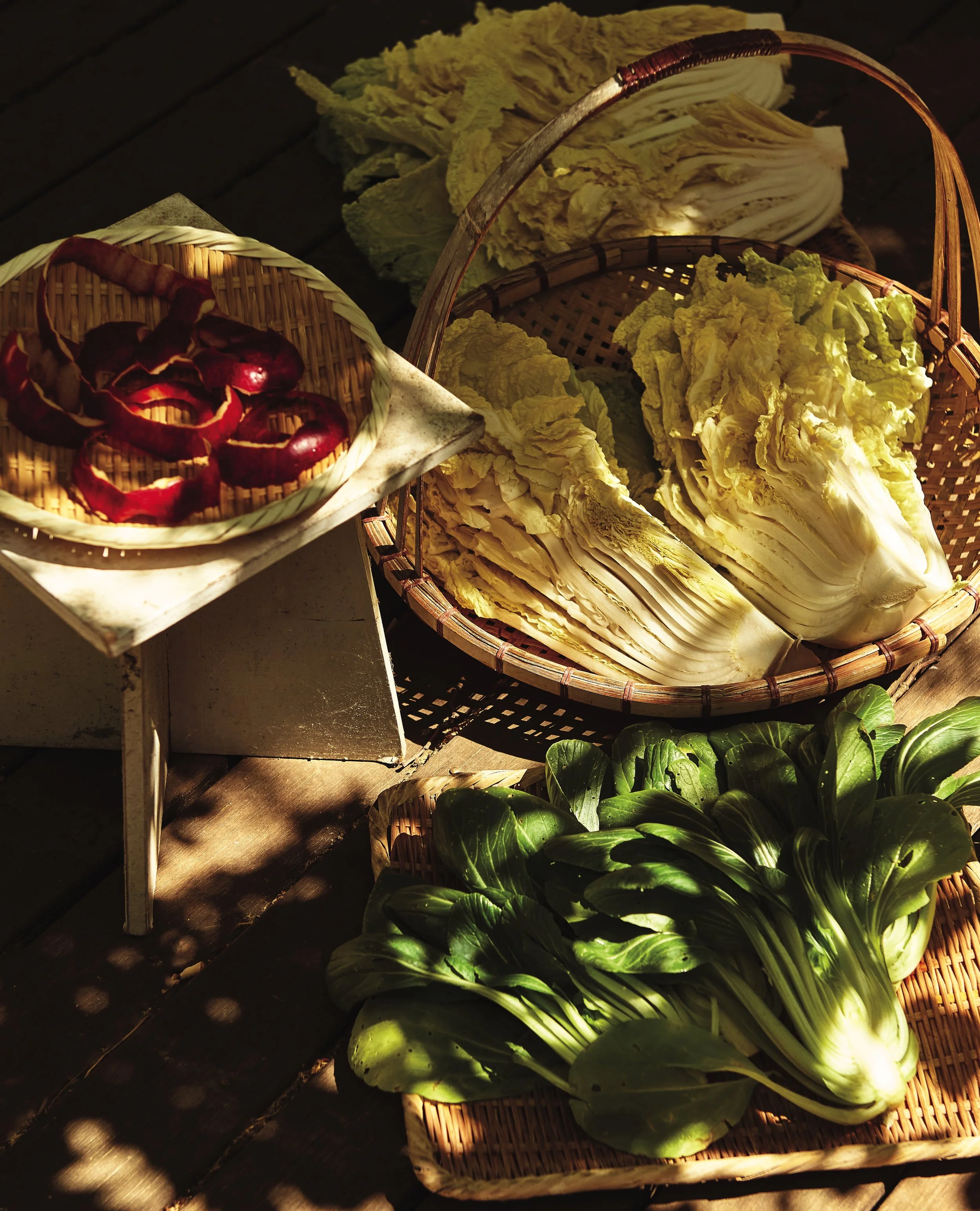
‘Local vegetables, cultivated in different regions, carry with them the knowledge and experience of those who have grown them.’

“Pickling and fermenting is more than preserving food. It connects the past, present and the future.”
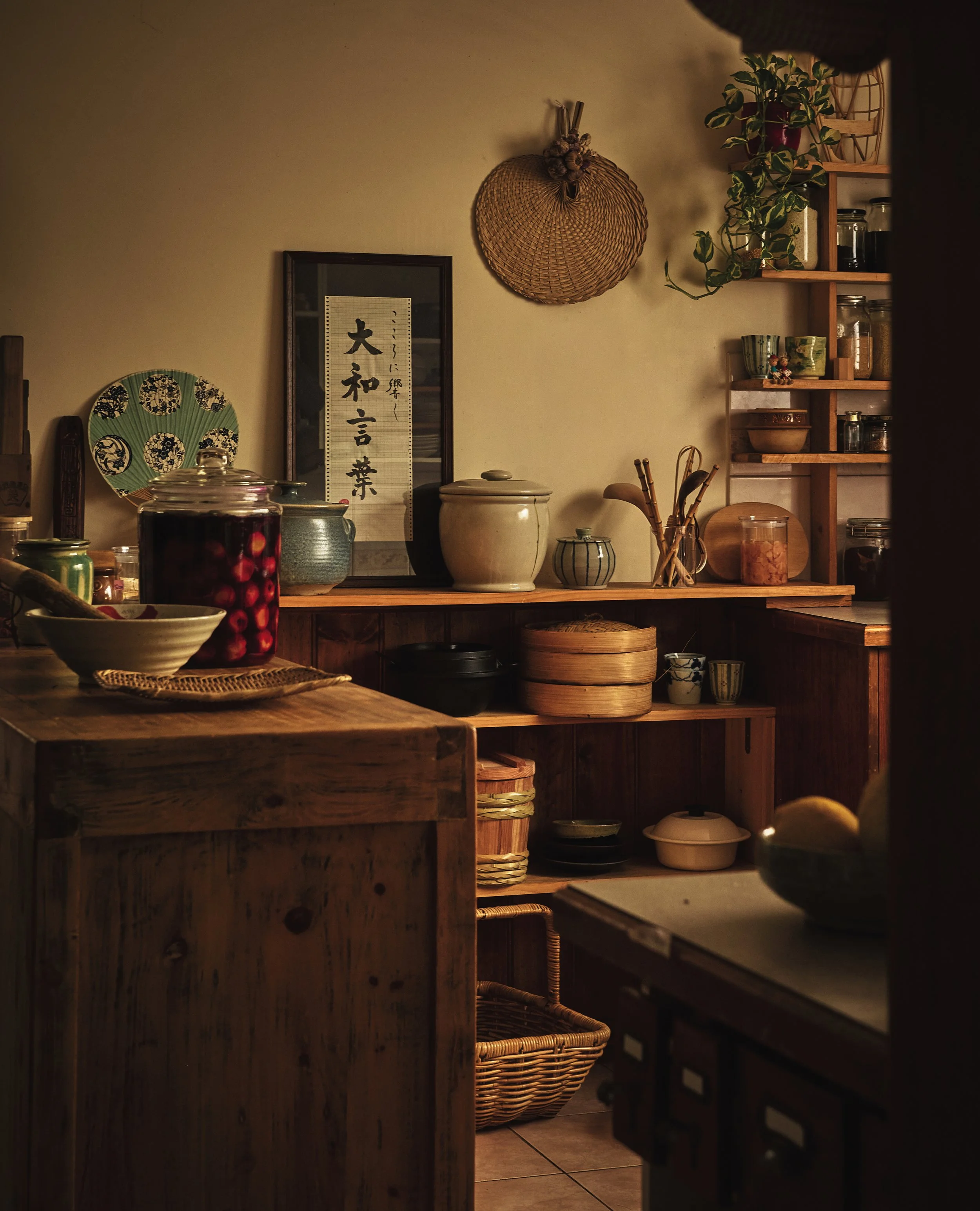
‘Making pickles doesn’t come with strict rules. The most basic ingredients are simply vegetables and salt. You don’t need any special tools either.’
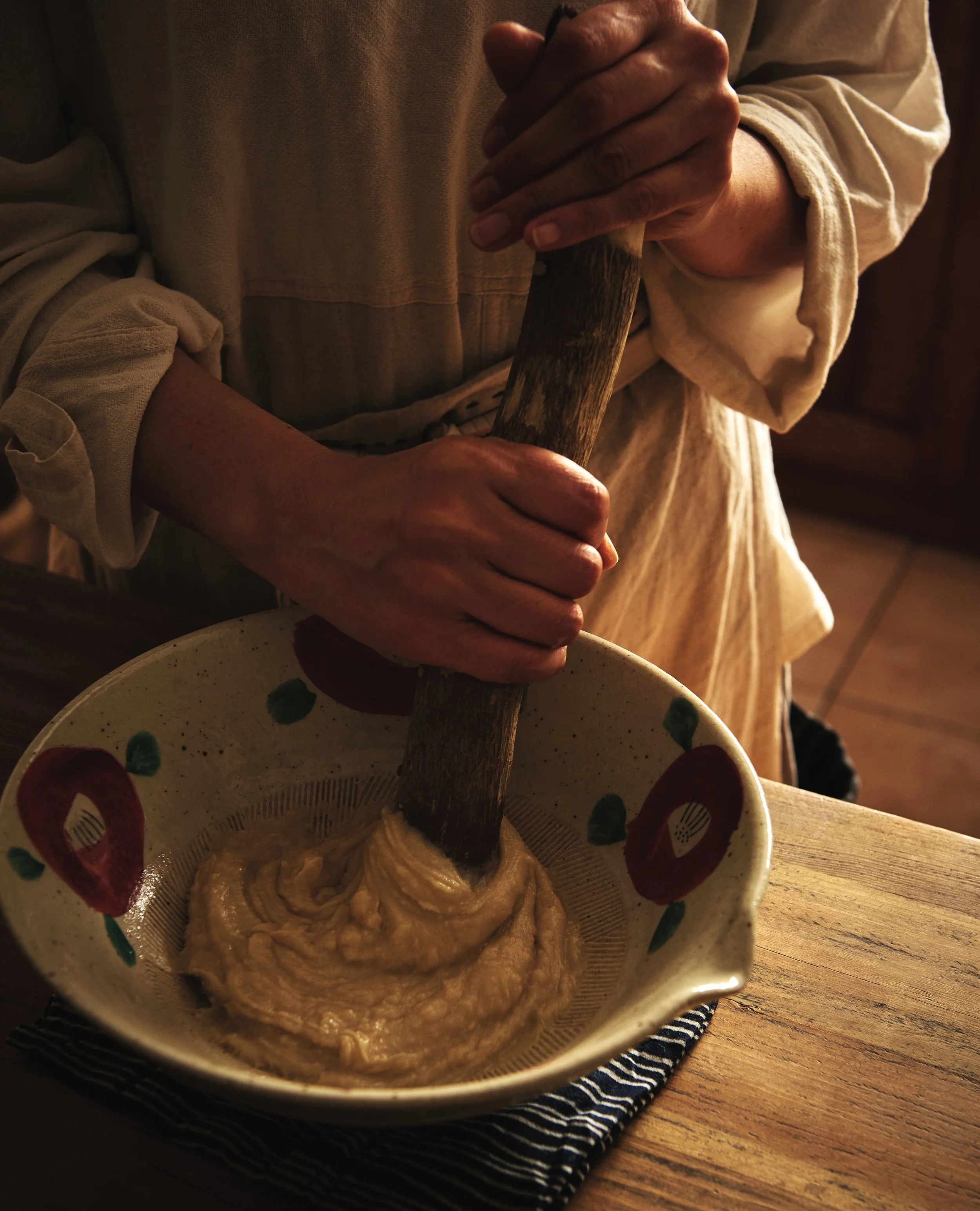
Preparing kasudoko—the all-round pickling paste
The Japanese Art of Pickling & Fermenting reads like a seasonal notebook and a family archive—inviting centuries-old Japanese methods into an everyday Australian kitchen.
Preserving expert Yoko Nakazawa writes with the calm authority of someone who has lived the practice since childhood: growing up in rural Japan, helping her parents transform garden abundance into jars that bridged months and meals; later, in Australia, tending her own patch and teaching the techniques that make salt, time and care do the heavy lifting. 'Pickling and fermenting is more than preserving food. It connects the past, present and the future,’ shares Yoko.
With beautiful hand-drawn illustrations by Yoko, the book begins by distinguishing pickles from ferments—acid or salt as preservative versus living cultures and slow transformation—then walks you through the layers that matter: salt ratios (and why they differ), knife work that affects texture, vessel choices, fermenting windows, and storage that keeps flavour bright rather than blunt. Yoko’s method shifts you from recipe-following to decision-making, with visual and sensory cues, bubbles, aroma, feel, that help you read a jar as surely as a timer.
A seasonal pantry emerges: quick shiozuke for weeknights, deeper nukazuke that reward patience, miso-based cures that nudge vegetables toward savoury depth; there are pathways for market daikon, backyard cucumbers, windfall cabbage. Yoko’s parallel expertise in miso pastes hums throughout, showing how one foundation can season in multiple directions without complication. The emphasis is pragmatic and local—you start where you are, with what’s fresh.
Within the book, scenes stitch technique to memory; childhood chores in the garden, the quiet satisfaction of jars lined up by season, familiar methods adapting to new climates and crops. In Australia, Yoko’s weeks loop through workshops and farmers’ markets, making the work as much cultural stewardship as cooking. Yoko notes, ‘Local vegetables, cultivated in different regions, carry with them the knowledge and experience of those who have grown them.’
This is an edited extract from The Japanese Art of Pickling & Fermenting by Yoko Nakazawa, published by Thames & Hudson Australia. Out now
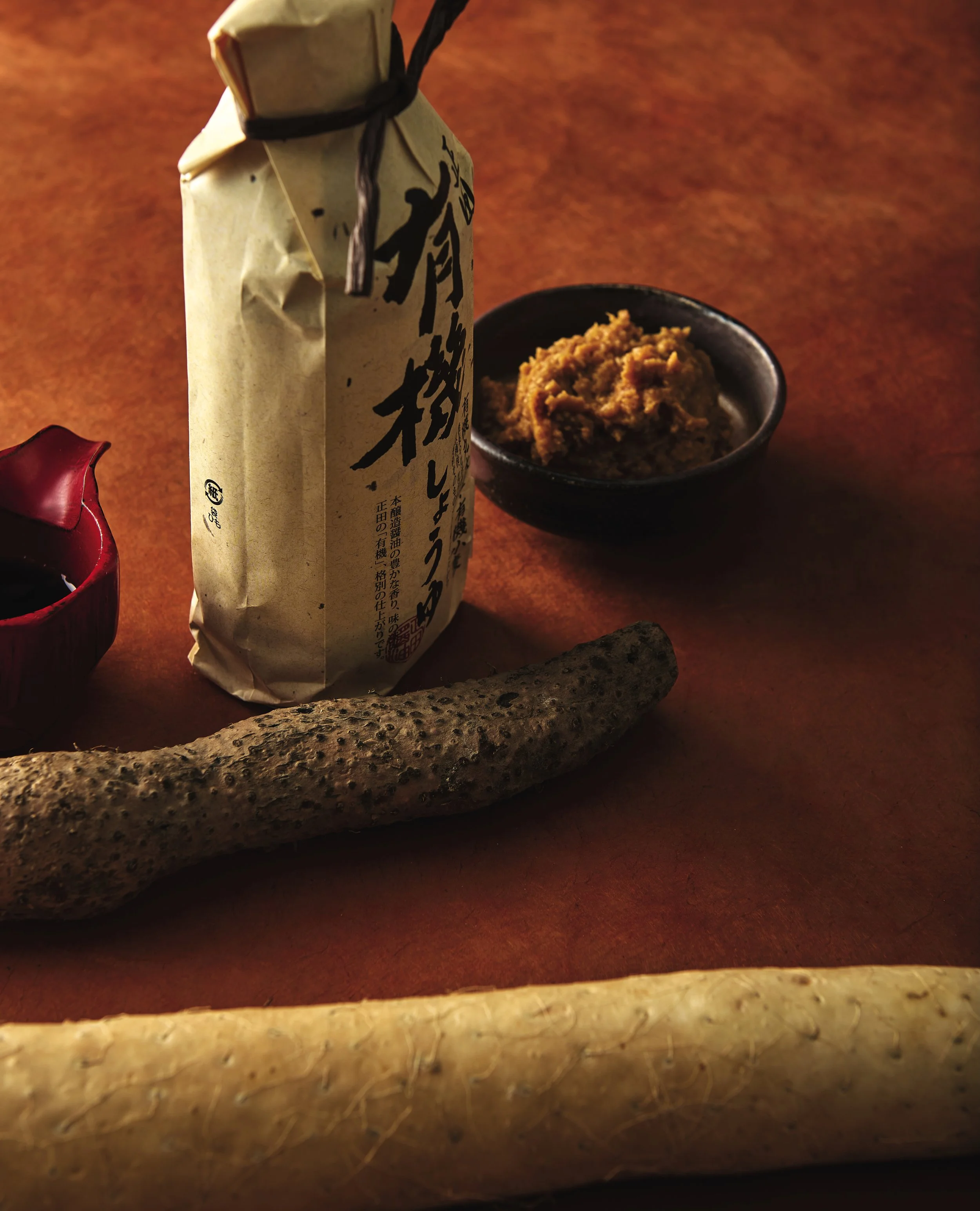
‘Serve them as a side dish, use them as a topping, or enjoy them with cheese and crackers—there are endless ways to enjoy pickles.’
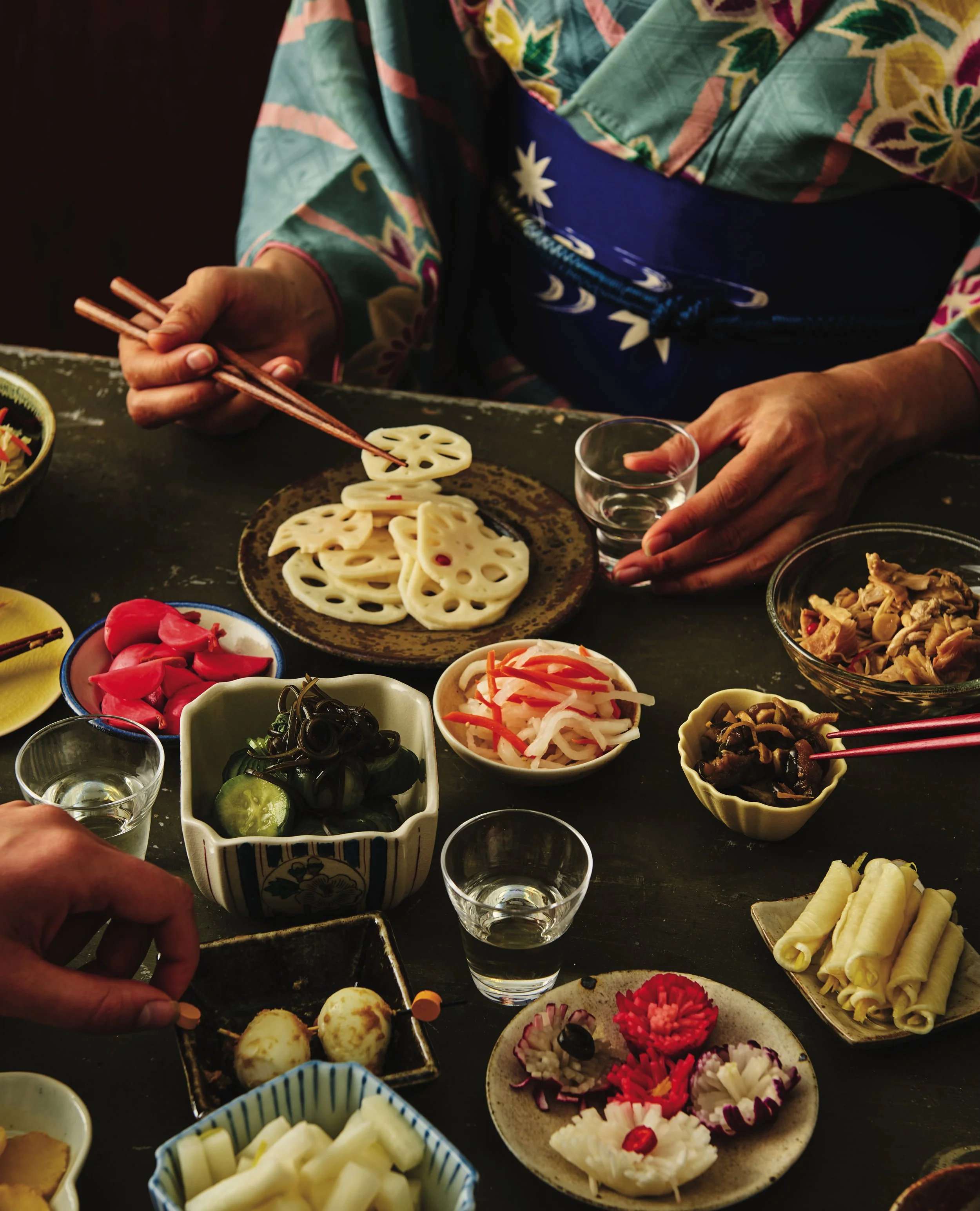
‘In relation to microorganisms, pickles can be categorised into two types: fermented and non-fermented pickles—in Japan, both are referred to as otsukemono.’
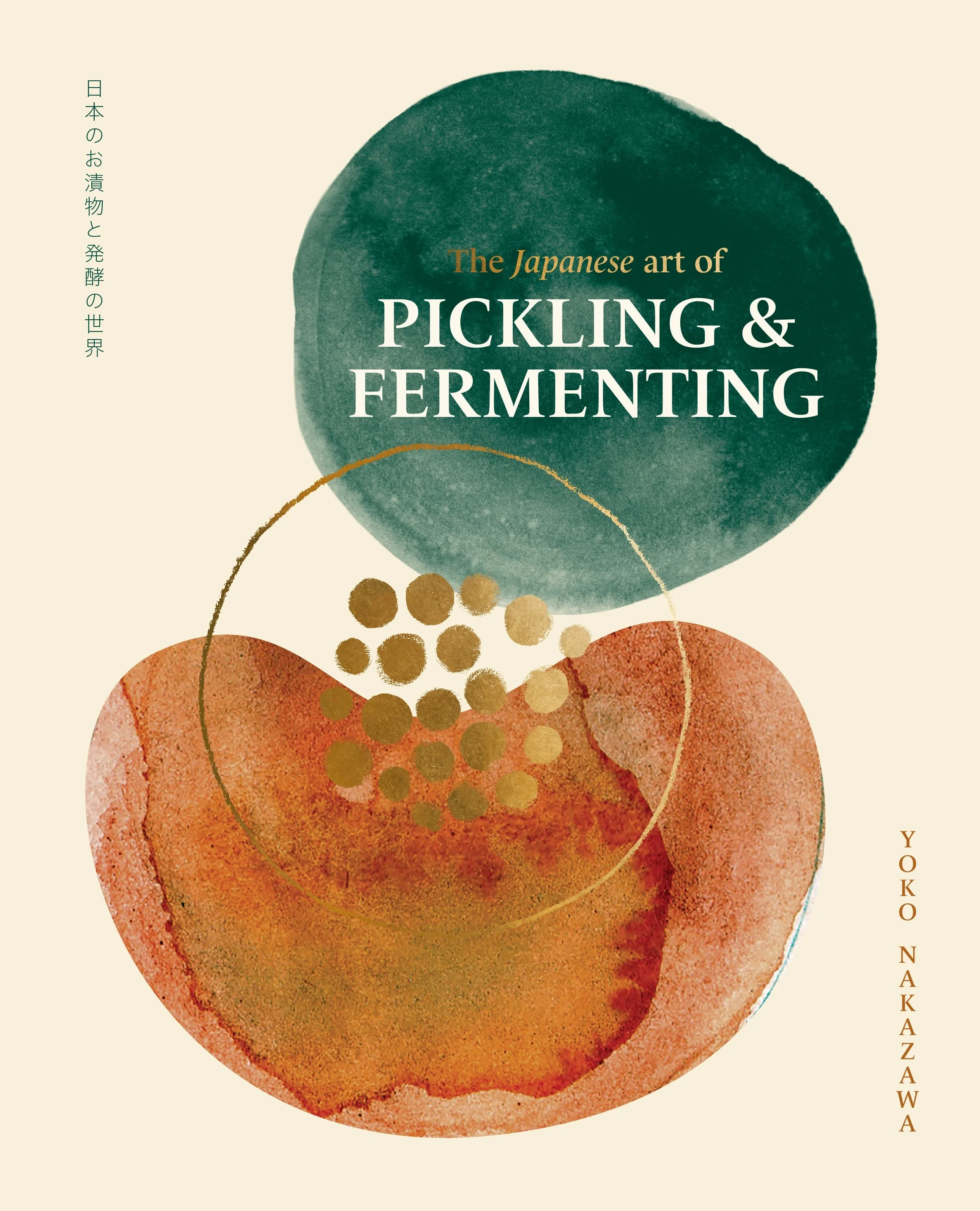
The Japanese Art Of Pickling & Fermenting is available now.

On the plate: the perfect fruit and vegetables selection for nukazuke.
MIXED MUSHROOM TAMARIZUKE
When I lived in Tokyo, I used to attend a seasonal vegetable cooking class in Sendagi. The amazing part of this cooking class was that we could access organically grown vegetables, including mushrooms. I learned about many types of mushrooms and since then I’ve enjoyed mixing different varieties in my cooking.
This pickle celebrates autumn. It’s similar to the nametake on page 218, but this one gives you different textures and flavours from each mushroom. And apparently, when more than three kinds of mushrooms are combined, the umami will be enhanced. The diversity and collaboration of mushrooms is amazing, isn’t it?
This tamarizuke is delicious on baguettes or udon noodles.It also works well as a simple appetiser – just place a small amount on crackers and serve it as a finger food.
PICKLING TIME: 3 hours
YOU WILL NEED
500 g (1 lb 2 oz) mixed mushrooms of your choice, such as shimeji, oyster, pearl oyster, shiitake, enoki, pine, slippery jacks or yellow mushrooms
2 Garlic tamarizuke cloves (see page 216) or regular garlic cloves (optional)
5 g pink peppercorns, to serve (optional)
PICKLING LIQUID
50 ml (1 ¾ fl oz) tamari or soy sauce
50 ml (1 ¾ fl oz) mirin
20 ml (3/4 fl oz) vinegar
pinch of salt
½–1 red chilli, seeds removed, finely sliced
10 ml sesame oil or olive oil (or half and half)
STORAGE: Store in the refrigerator for up to 2 weeks.
METHOD
Remove and discard the stems from all of the mushrooms. Tear or cut the mushrooms into bite-sized pieces.
Bring a large saucepan of water to the boil, then add the mushrooms. Allow the water to boil again for 30 seconds, then drain the mushrooms onto a zaru (flat bamboo basket) or in a colander. Allow the mushrooms to cool.
To make the pickling liquid, combine the ingredients in a bowl.
Place the mushrooms in a clean container, add the pickled garlic and pour the pickling liquid over the top. Stir to combine everything and pop on a lid.
Allow it to rest for at least 3 hours before serving. I like to sprinkle over a few pink peppercorns for colour and flavour.
NOTE: I usually use rice vinegar or apple cider vinegar when I make this pickle, but it’s also delicious when made with balsamic vinegar.
