

Merivale Design Director Nasim Köerting
Merivale design director Nasim Köerting talks art, travel, natural materials and craftsmanship, and how these influences come together in her designs, with emotion shaping each space.
Photos ANSON SMART & SEAN FENNESSY
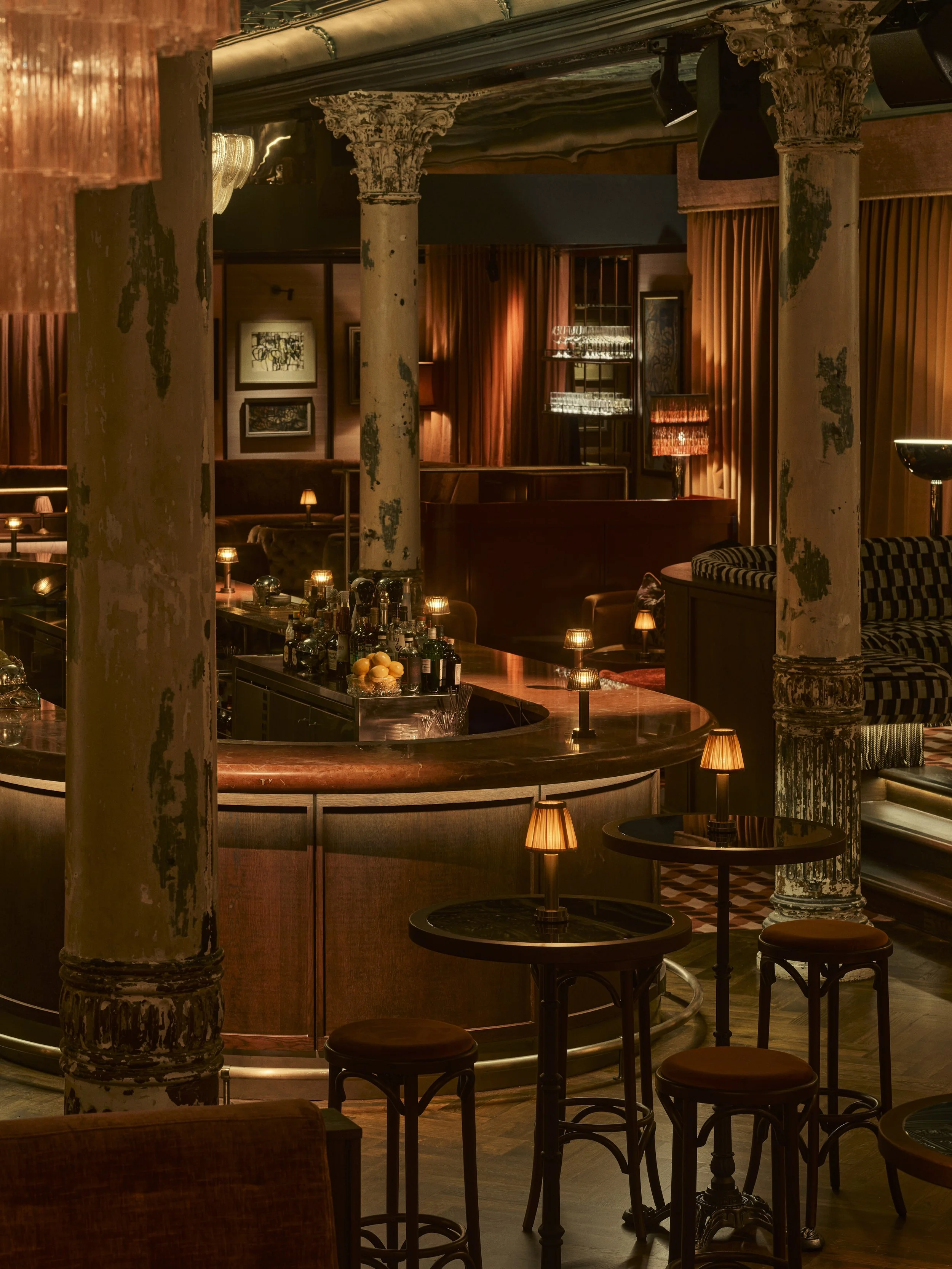
Inside Merivale’s The Press, an opulent music bar set within what was once a working printing press. Photo: Anson Smart
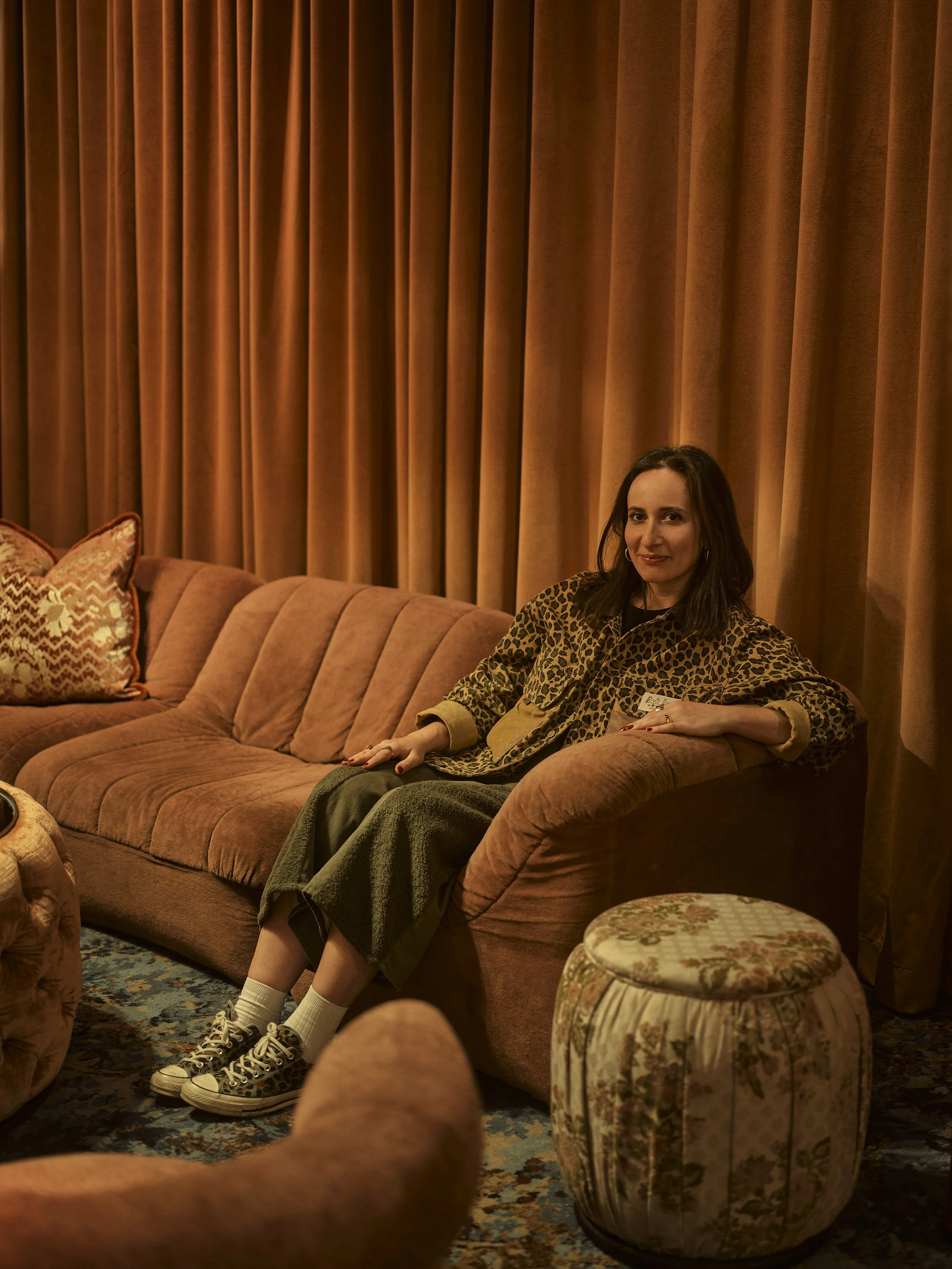
Merivale design director, Nasim Köerting. Photo: Anson Smart
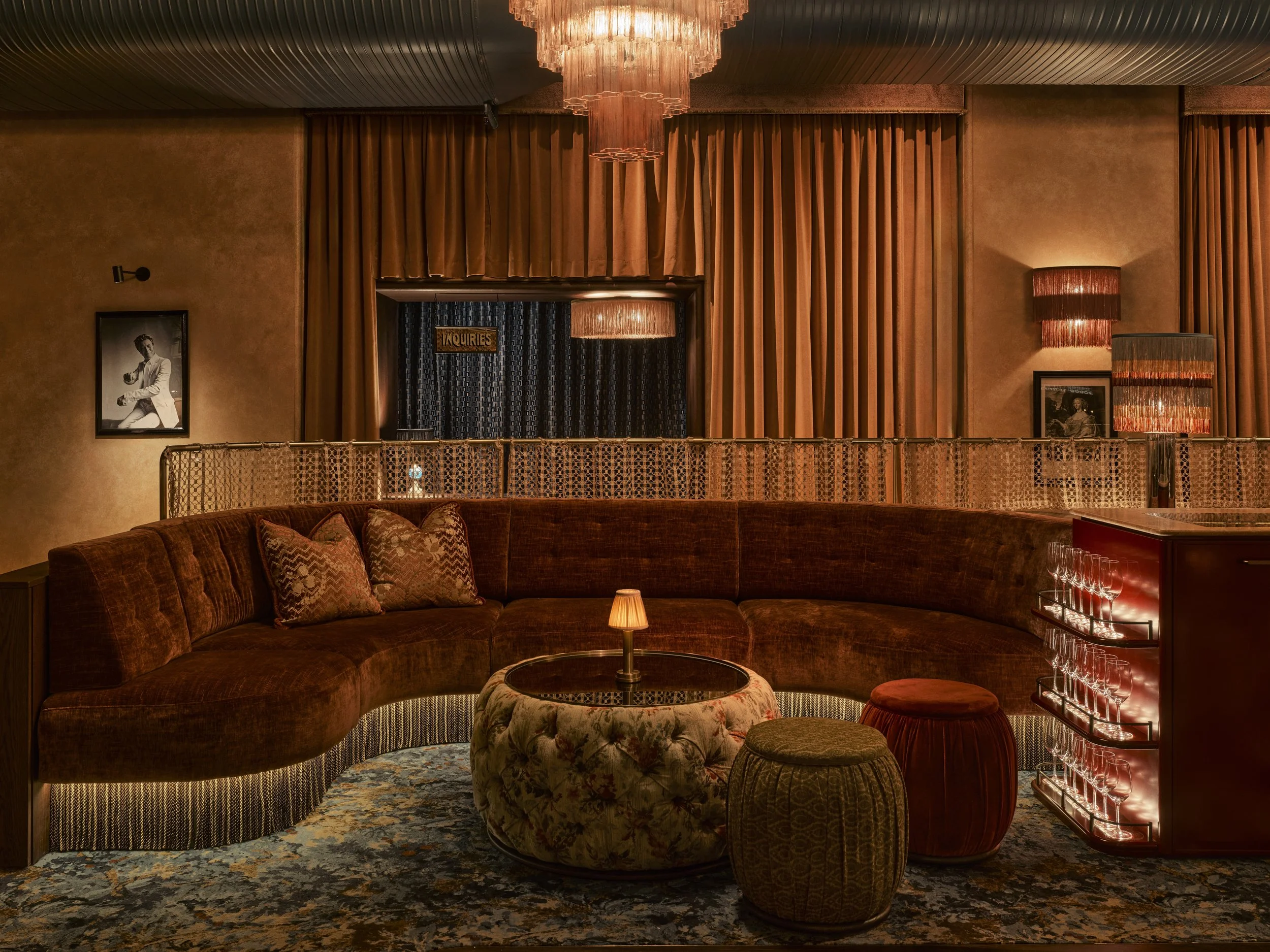
‘What keeps me in hospitality is my love of creating experiences for people and transporting them somewhere else. I love those moments of escapism,’ shares Nasim Köerting. Photo: Anson Smart
“There’s something very special about designing a space that can change your mood, your behaviour or even the way you experience an evening.”
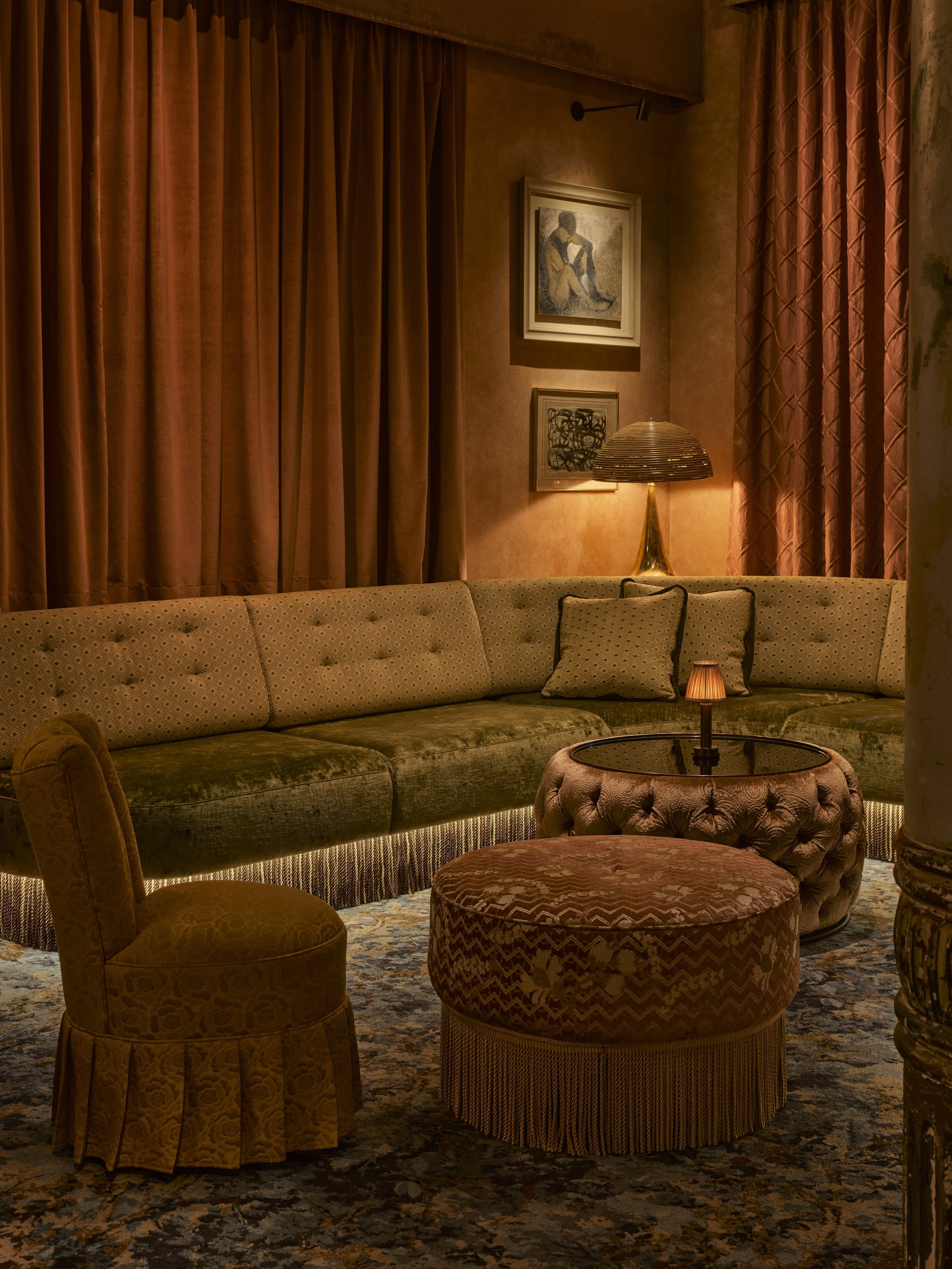
‘Wherever possible, I want to work with artists, makers and craftspeople to bring our concepts to life.’ Photo: Anson Smart
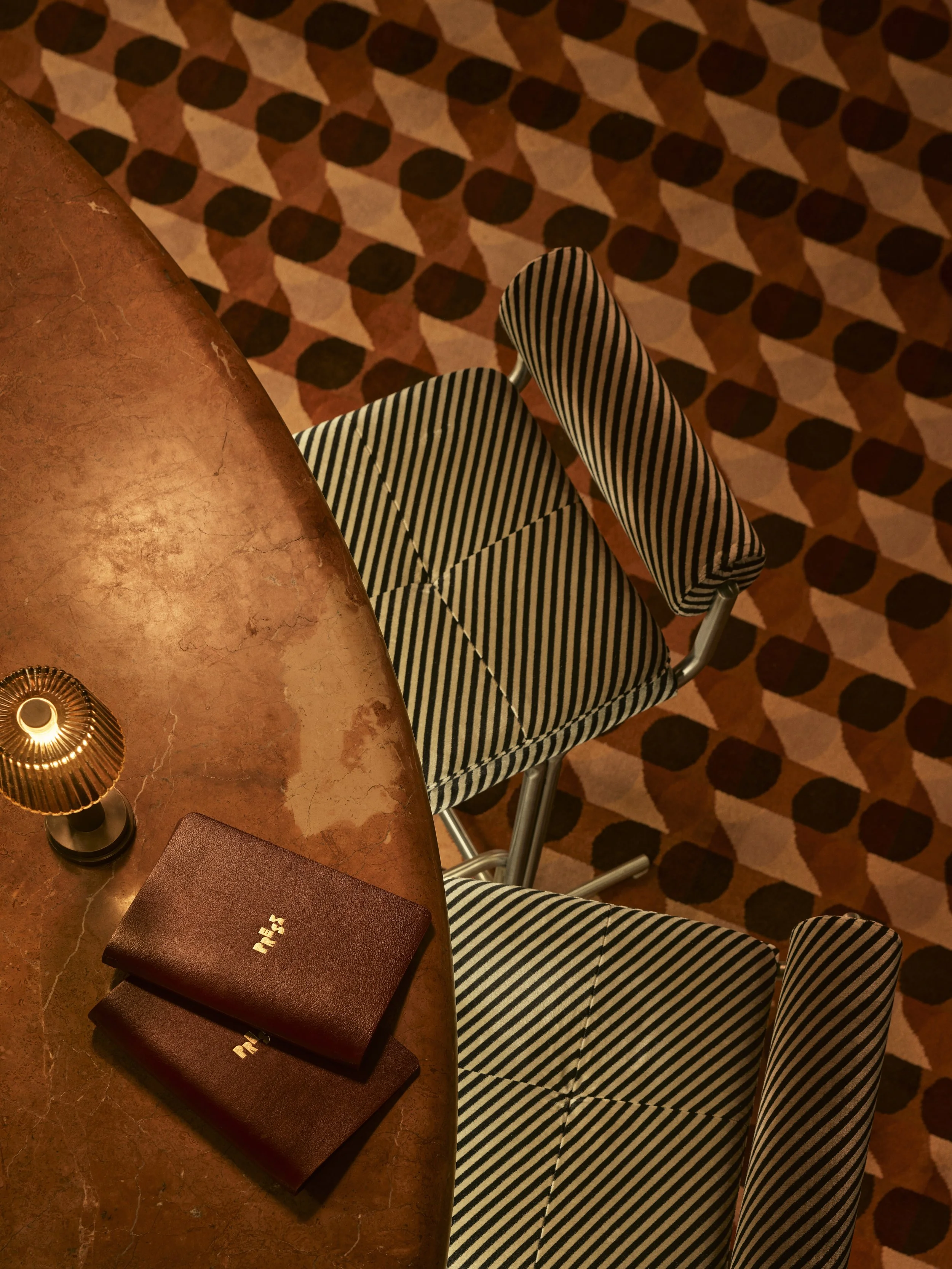
‘I was always interested in how things looked, how they felt and, most importantly, how they could make you feel.’ Photo: Anson Smart
Hello Nasim—can you introduce yourself?
My name is Nasim Köerting and I’m a design nerd. I live and breathe it. I’m currently the Design Director at Merivale, where I oversee the design work that this exceptional hospitality company undertakes.
I originally trained in interior architecture at university and have had the privilege of working around the world throughout my career. I lived in London for ten years, working across Europe, and now, back in Australia, I’m lucky enough to be working across the country.
My career has been interesting because, although I’m an interior designer, my role at Merivale means I’m exposed to all kinds of creative disciplines across the business, from styling and design to food, music, marketing and branding. It’s a real privilege to be involved in the whole process, and I think it brings a richer dimension to the design process and makes me an even better creative.
So, in that sense, I’m not quite sure what you would call me. Possibly just a ‘design nerd’.
What first drew you to interior design?
My love of art and fashion as a child naturally drew me towards the world of interiors. It felt like a bit of a progression. I was always interested in how things looked, how they felt and, most importantly, how they could make you feel.
The first time I remember feeling that real pounding in my chest was seeing the work of Zaha Hadid. Ironically, it’s pretty much the opposite of what I do now. But my gosh, she was so intelligent. Absolutely incredible. I think what stayed with me was her ability to create something completely groundbreaking. I’m drawn to work that has a point of view, that challenges you and makes you feel something. I think that’s possibly how I ended up designing restaurants and hotels. I love creating experiences.
How did the move into hospitality design happen, and what keeps you there?
I don’t think a great designer should be boxed into a particular typology. As designers, we should be interested in every kind of design, whether that is hospitality, workplace, residential or anything else. They’re all incredible challenges, and every discipline teaches you something different.
I came in and out of hospitality design throughout my career, but strangely, it was my work in commercial workplace design that ultimately brought me here.
What keeps me in hospitality is my love of creating experiences for people and transporting them somewhere else. I love those moments of escapism. There’s something very special about designing a space that can change your mood, your behaviour or even the way you experience an evening.
Where does a new Merivale concept usually begin for you?
A feeling.
That’s usually where we start: how do we want someone to feel when they walk through the door? From there, we work backwards and build the design around that feeling.
Sometimes it might be a straightforward pub renovation, but even then, we approach it from the vibe first. The practical elements come after we know what we want the experience to feel like.
We’ll often even begin sourcing art and styling pieces before we’ve fully fleshed out the concept, because ultimately those elements become part of the story. We might find a ceramic at auction and suddenly that piece becomes the starting point for an entire design.
Sometimes the concept comes from a travel destination we love or a particular place that has inspired us. It can even be a fictional character we create who is the ‘owner’ of the space. We imagine who they are, what they like, how they live and what they would want from the venue.
Concepts can come from absolutely anywhere.
What materials or details do you currently find yourself returning to?
You can’t go wrong using natural materials. Cork, timber, ceramic, stone. They’re timeless, they age beautifully and they don’t really date. They’re always my go-to.
It’s a cliché to say, but I like to stay well away from anything that feels too trendy. I’m much more interested in materials that have a sense of permanence and will become more beautiful with age.
What does a ‘typical’ day look like for you, and how do you stay across so much at once?
I start the day by reading something inspiring or spiritual, walking my dog and drinking a matcha. My day needs to start with my own little ritual. It gives me a moment to remember what’s actually important before the madness begins, and I think that helps keep me creative.
No two days in this job are the same, which is probably the best part. I genuinely never know what the day is going to look like.
I might be flying to Narooma or Byron Bay to be on site for one of our projects, meeting with the team to go through our latest concepts, workshopping a design with one of our architects, or visiting a maker to see the progress of something they’re creating for us.
I’m pretty much on the move all day. Somewhere in there I’ll usually have a delicious lunch at a Merivale venue, and then I head home for dinner with my husband, my sister and my dog.
There is an enormous amount to stay across, but I absolutely couldn’t do it without my incredibly clever and talented team. They’re the reason it all comes together - and quite frankly, the reason I can function!
When a design isn’t working, what’s your first move?
It might sound cliché, but I find that travel, or simply seeing something new and inspiring, always helps. Visiting Japan last year was hugely influential when I was working on The Whale. I was able to take all of that inspiration and translate it into the details of the project.
Otherwise, I might sit down with our Head of Creative and flesh out the idea by creating a character who ‘owns the venue’. We try to imagine who they are, what they like, how they live and what they would want from the space. It helps enormously when you feel there’s a backstory behind the design.
My biggest learning lately is that design needs space. If I don’t give myself enough rest and pause, I can’t think my most creative or best thoughts. Sometimes the answer isn’t to work harder at the problem. It’s to step away from it.
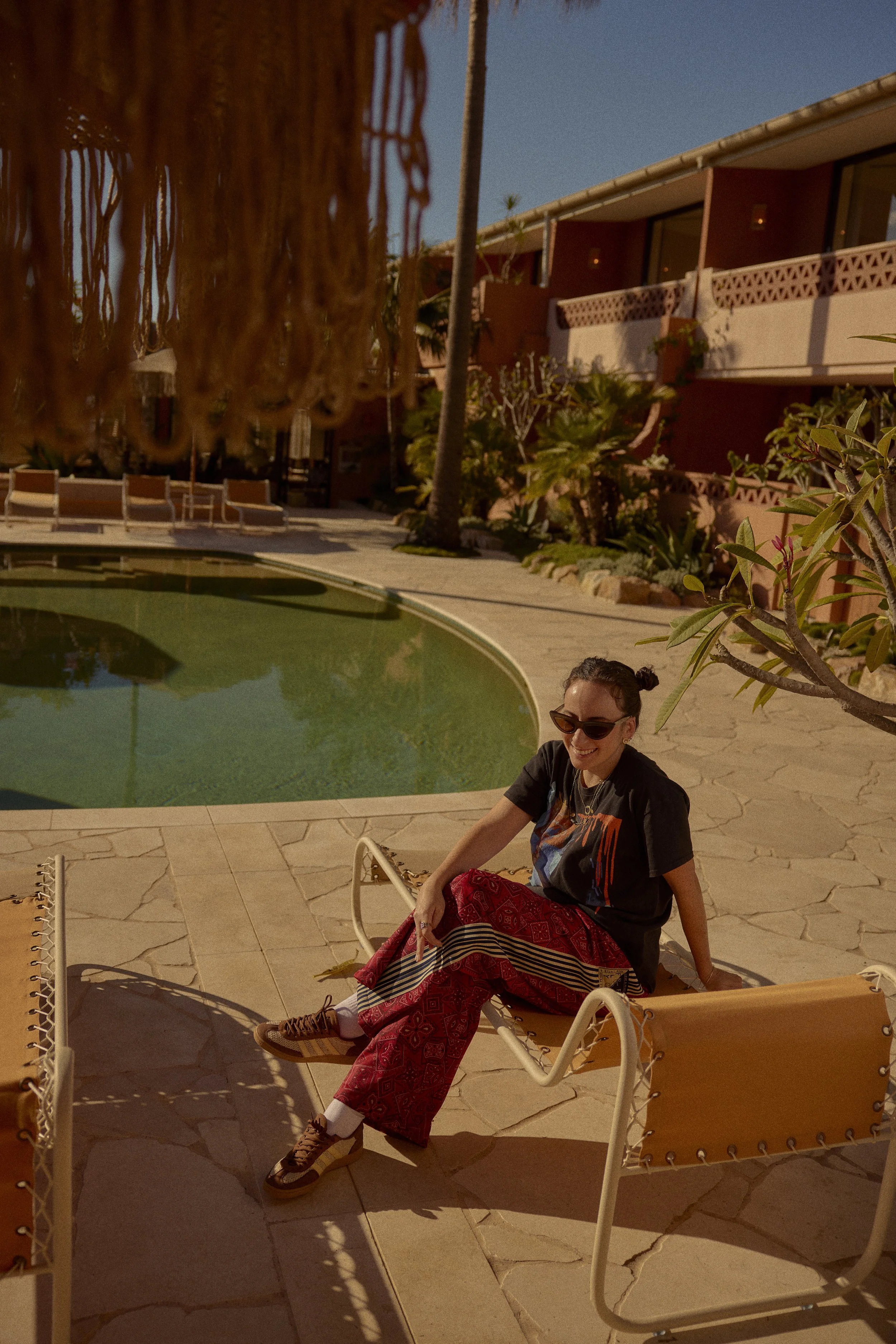
‘My biggest learning lately is that design needs space. If I don’t give myself enough rest and pause, I can’t think my most creative or best thoughts. Sometimes the answer isn’t to work harder at the problem. It’s to step away from it.’ Photo: Sean Fennessy
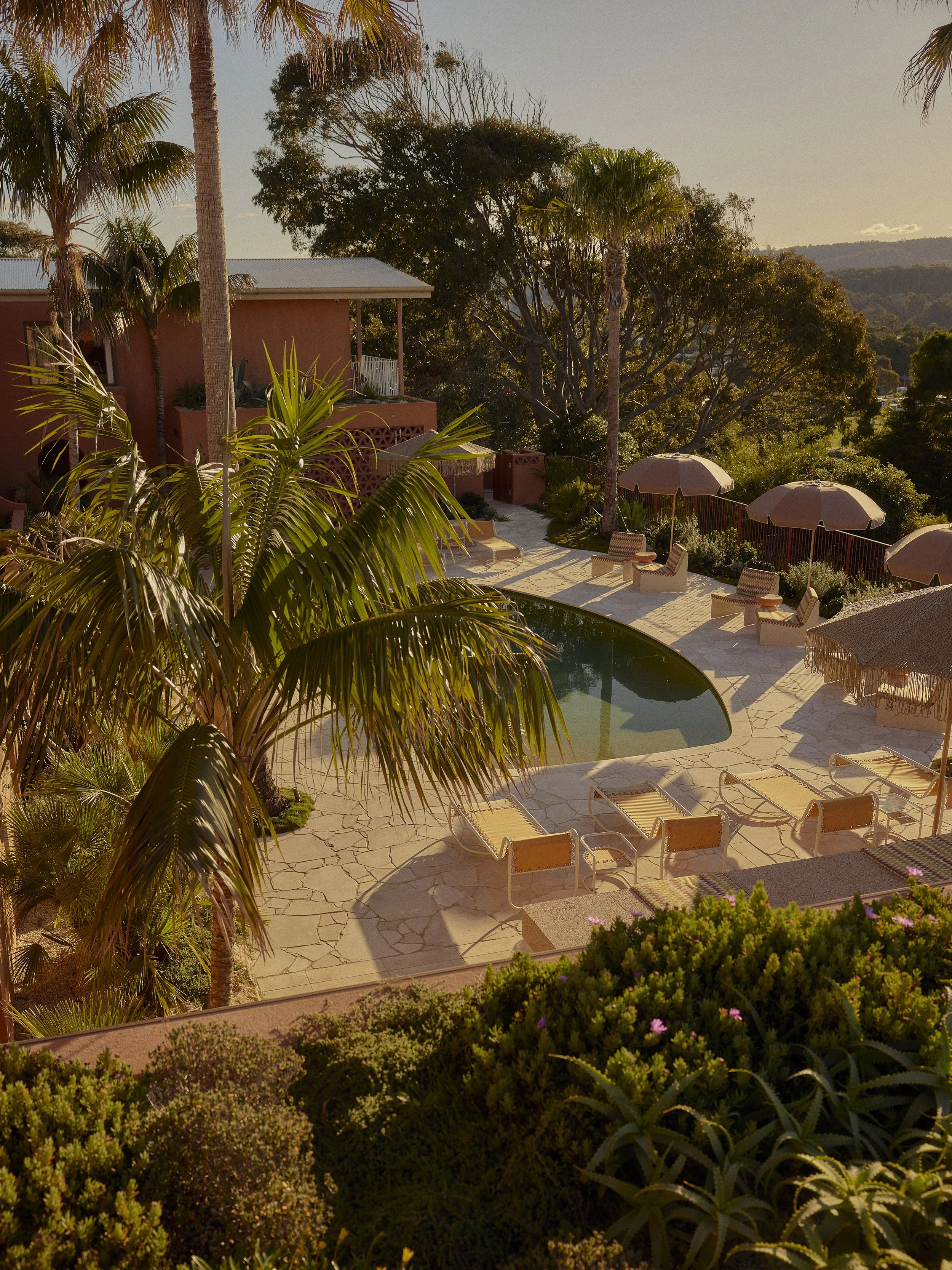
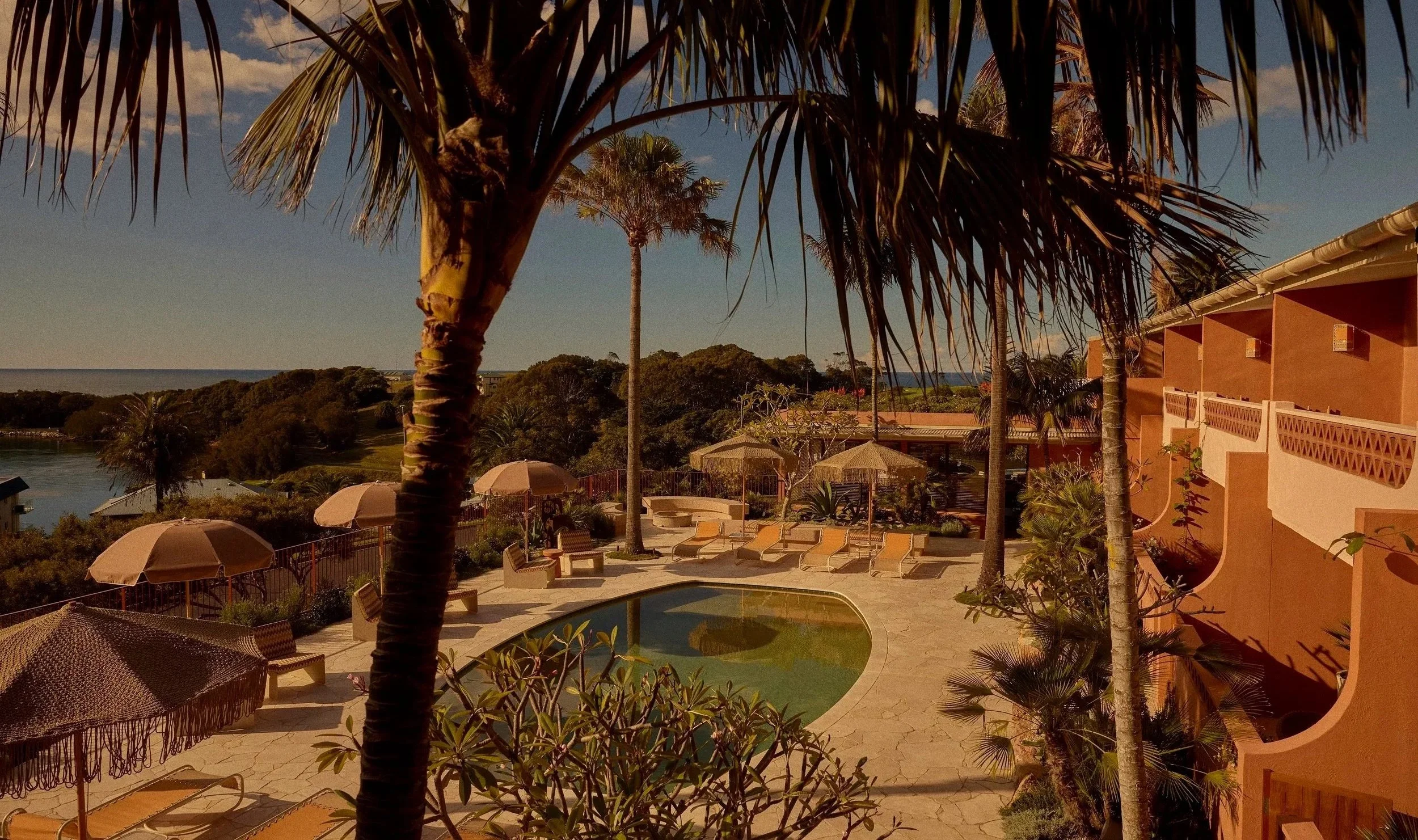
‘I think The Whale is a real pinnacle of my personal style. I’ve put a lot of my ideas, energy and love into that project, so it feels quite personal to me.’ Photo: Sean Fennessy
“I’m drawn to work that has a point of view, that challenges you and makes you feel something. I think that’s possibly how I ended up designing restaurants and hotels. I love creating experiences.”
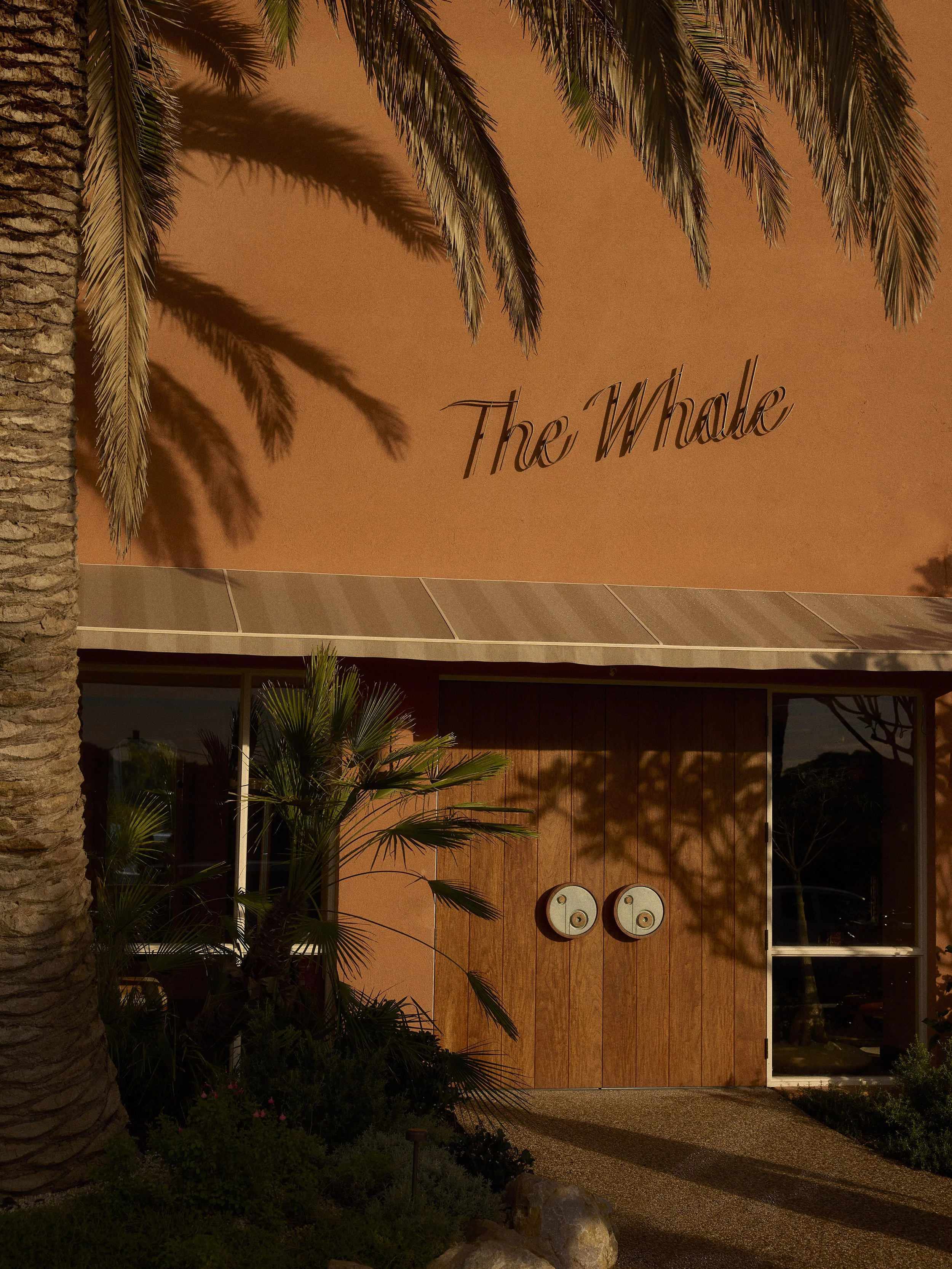
The Whale Narooma, an 18-key coastal escape that feels both nostalgic and new, recently opened its doors. Photo: Sean Fennessy
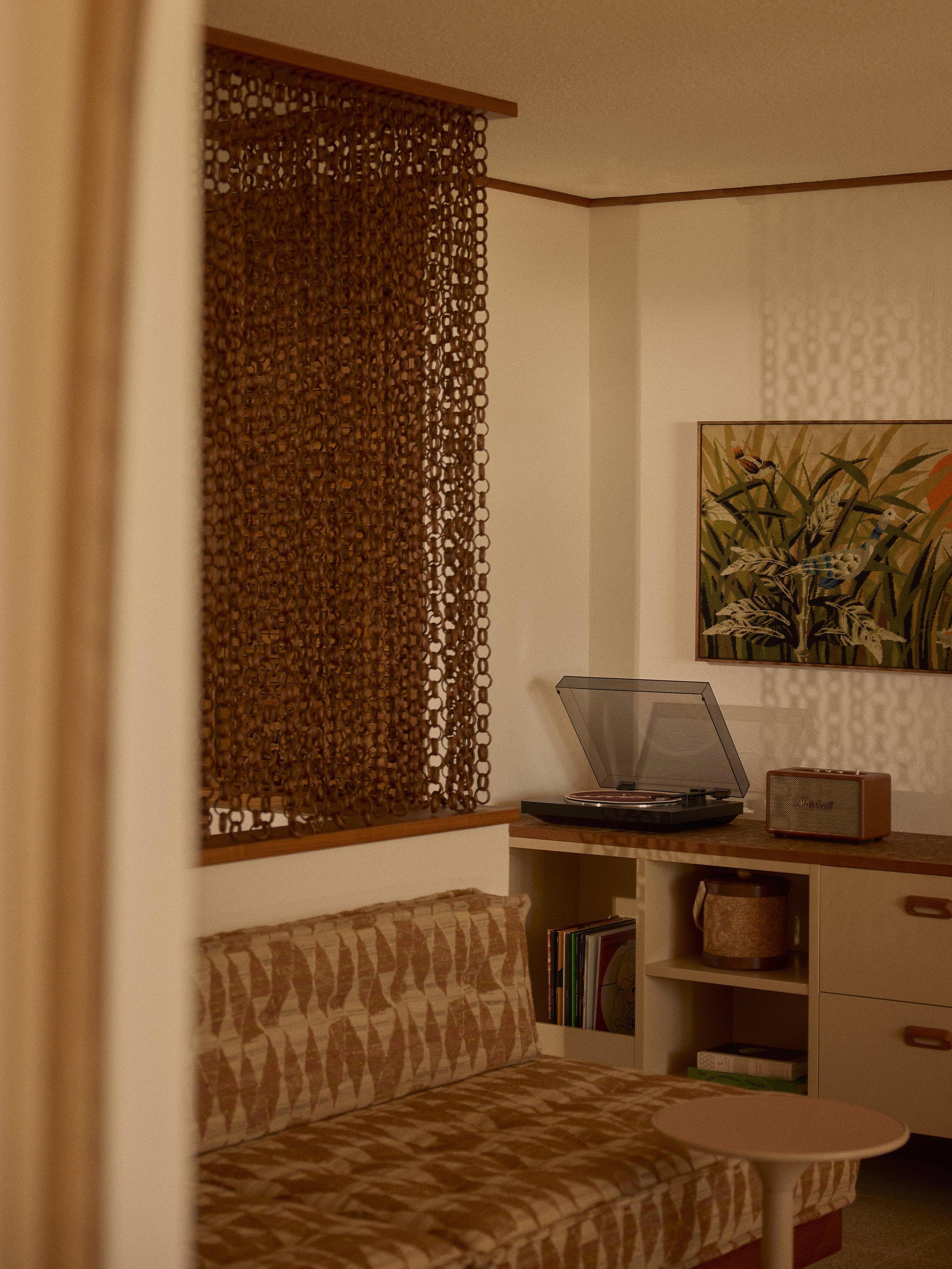
‘For me, bringing craftspeople and creatives into a projects is essential to the storytelling.’ Photo: Sean Fennessy
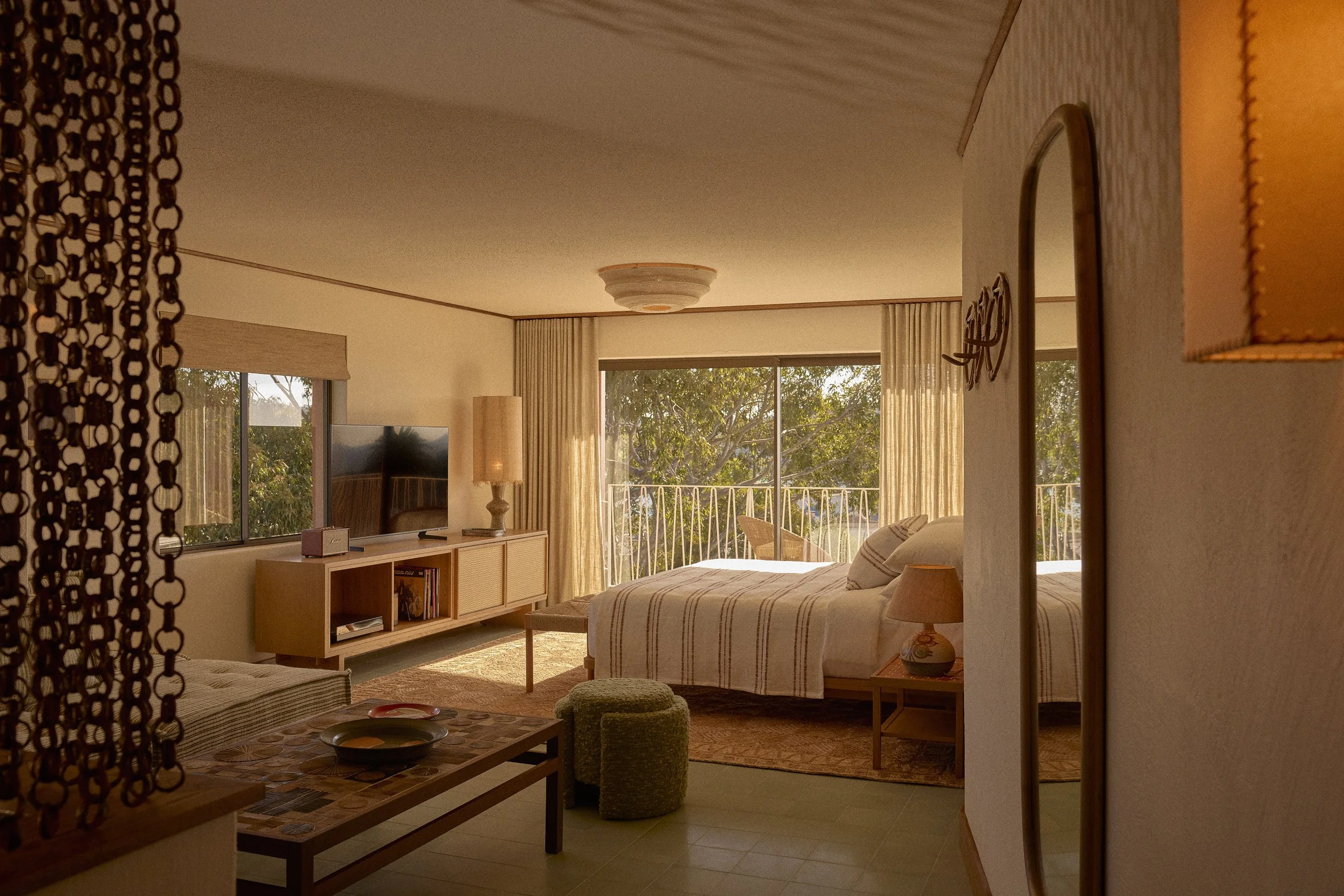
‘It’s a cliché to say, but I like to stay well away from anything that feels too trendy. I’m much more interested in materials that have a sense of permanence and will become more beautiful with age.’ Photo: Sean Fennessy
How has your own background shaped the way you design?
I’m Persian, and I think there is an inherent maximalism in Persian culture that has definitely influenced the way I work.
There’s also a deep love and appreciation for craftsmanship, which I like to think I bring into my work. Wherever possible, I want to work with artists, makers and craftspeople to bring our concepts to life.
I’m fascinated by the relationship between architecture and art. I love looking back at periods when architects collaborated closely with artists and designers, like Diego Rivera or Anni Albers, to create incredible commissions that genuinely became part of the architecture.
For me, bringing craftspeople and creatives into a projects is essential to the storytelling.
Which Merivale venue feels most representative of your style?
My style is always evolving, and I don’t think I have a set style. I think a designer should respond to the space and the brief rather than impose a signature look on everything. I wouldn’t want to design everything the same.
That being said, I think The Whale is a real pinnacle of my personal style. I’ve put a lot of my ideas, energy and love into that project, so it feels quite personal to me.
It’s probably the project where I’ve felt most comfortable bringing together all the things I love: natural materials, craftsmanship, art, storytelling and a strong sense of place.
A piece of valuable advice you’d give someone starting out in hospitality design?
Don’t be above any task.
See everything you touch as an opportunity to express yourself and show your skill. Whether you’re specifying a rubbish bin or designing a bar, put your best effort into every little task.
You never know where it might lead, and it all adds up. The seemingly insignificant things often teach you the most.
Who or what are you looking to right now for inspiration, inside or outside design?
I’m a bit ceramic-obsessed at the moment. The handmade element, and the fact that humans have been making ceramics for thousands of years, is fascinating to me. There’s something very grounding about an object that has been made by hand and carries the evidence of that process.
I recently went to Mexico and spent time in Oaxaca, and the ceramics and makers there were absolutely incredible. We visited a village where virtually everyone made ceramics. It wasn’t this elite, precious craft. It was part of everyday life. Everyone was a maker. I found that incredibly inspiring.
Otherwise, I’m currently majorly fan-girling over the work of Frida Kahlo. She exposed her heart and soul in her work for everyone to see, and I find that incredibly brave and impressive. I went to see her house in Mexico and cried for the entire tour. She’s truly an inspiration.
Where would we find you on a typical Saturday?
It starts with a cup of matcha at my local café, Ichigo Ichie, then out for a walk with my best mate Yasmine and our dogs.
Then I’ll usually visit Karin at The DEA store, which is my best-kept secret. I absolutely love her taste and everything she curates in her stores.
Then lunch with friends at Café Baby Finger, another secret gem.
Dinner is usually at another Merivale venue, like Jimmy’s or Totti’s. You really can’t go wrong.
I like to stay local on the weekends because my work life requires a lot of moving around. I love having a slow, familiar day close to home.
That’s pretty much perfection for me.
What's coming up for you that you're most excited about?
So much! Mostly I’mexcited to just do the work. Head down, making beautiful spaces and continuing to build on what we’ve created at Merivale.
We’re currently working on a basement bar in Melbourne and I’m absolutely loving it. There’s something really exciting about working below ground and creating that feeling of discovery as you enter the space.
Work is also continuing on The Whale, with lots of exciting developments to come.
And beyond that, I’d love to manifest another hotel project. I think I’ve definitely caught the hotel bug.
Stay up to date with Merivale here or follow @nasimkoerting
