

Tortellini at Midnight by Emiko Davies

Emiko Davies takes us on a culinary journey through Taranto, Turin and Tuscany recreating heirloom family recipes in her cookbook Tortellini at Midnight.
Words: Hande Renshaw | Photography: Lauren Bamford & Emiko Davies
‘Our kitchen today, in a hilltop neighbourhood overlooking Florence, is small, but it is the heart of our home. It’s where we play, relax, cook and eat together,’ says Emiko Davies. Photo: Emiko Davies
Spumone (ice-cream cake) from Tortellini at Midnight by Emiko Davies. Photo: Lauren Bamford
Sometime in the 1950s, Emiko Davies’ nonno-in-law began the tradition of ringing in the new year with tortellini al sugo. He served it along with spumante and a round of tombola, and sparked a trend.
In her cookbook Tortellini at Midnight, which has been out for a couple of years but is still one of our firm favourites, Emiko shares this and other wonderful stories along with her treasured recipes from her Italian family.
‘I have gathered some of the favourite recipes from our family, tracing back recipes to generations that span the entire length of Italy, from the Mediterranean port city of Taranto in the southern heel of Puglia, to elegant Turin, the city of aperitivo and Italian café culture in the far north on the border of France and, finally, back to Tuscany, where we call home,’ says Emiko.
The collection of recipes tell a story about her family through food — the sort of food that, ironically, doesn’t come out of a cookbook. These are the recipes that are learned through tasting and watching, usually from the table in a buzzing kitchen.
Across its chapters, Emiko has collected recipes passed through generations. These are recipes which comfort, full of nostalgia and rich with family stories: Totani al Piatto (steamed calamari), Tortellini al Sugo (tortellini with meat sauce), Pasta al Forno di Angela (Angela’s lasagna) or Frittelle di ciliegie (cherry fritters) all from nonno’s oven.
Below we share one of Emiko’s recipes from the book: Torta di Nonno Mario (nonno Mario’s cake).

Polpette di Lesso (deep-fried meatballs) from Tortellini at Midnight by Emiko Davies. Photo: Emiko Davies
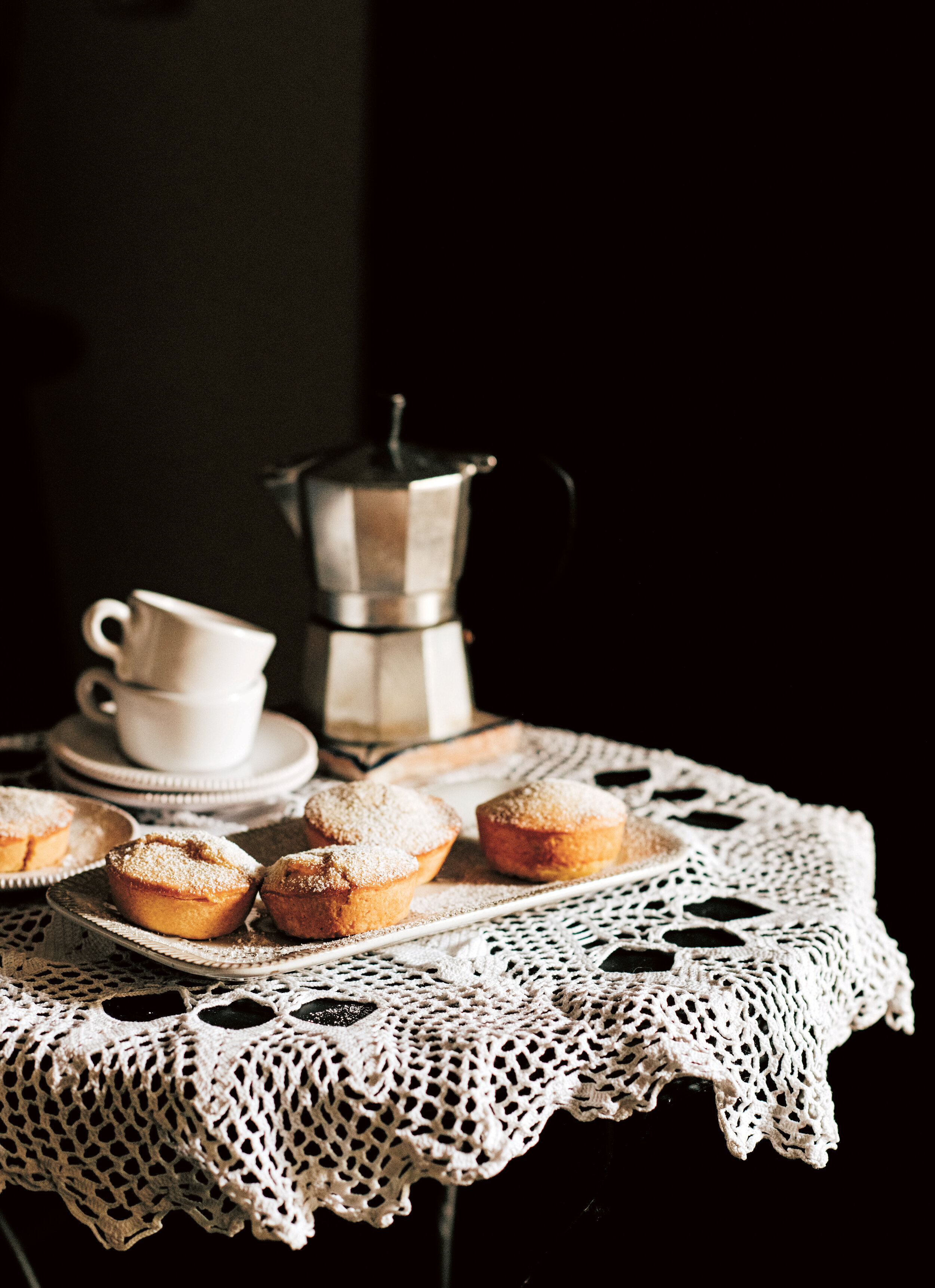
Bocconotti (little custard and quince jam pies) from Tortellini at Midnight by Emiko Davies. Photo: Lauren Bamford
“Reviving the recipes of past generations is good for the soul, but it’s also simply good; it reflects a time before processed food – even before refrigeration – when food was always fresh and nothing went to waste. ”

‘Heirloom recipes tell a story about family through food – the sort of food that, ironically, doesn’t come out of a cookbook,’ says Emiko Davies.
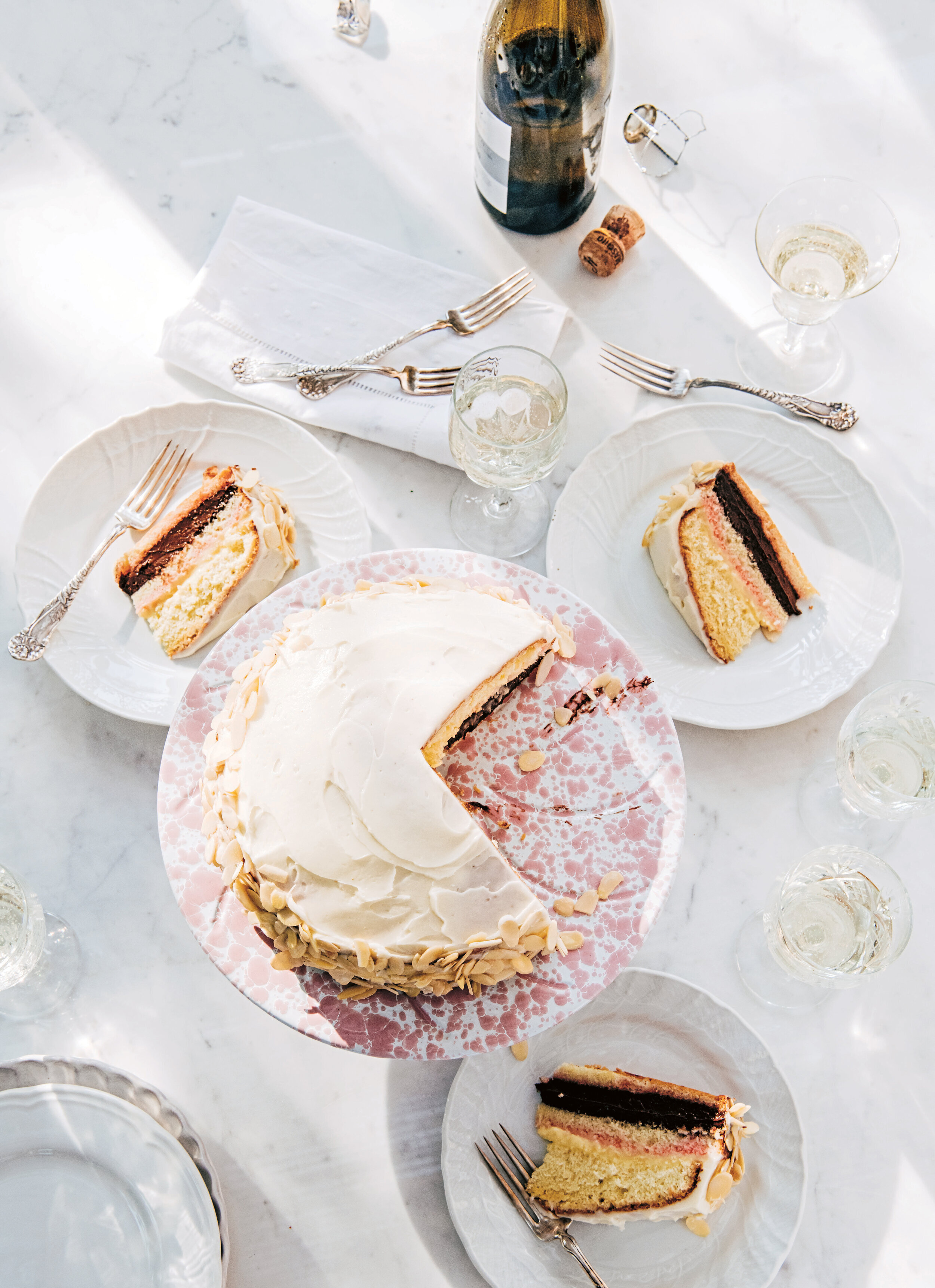
Torta di Nonno Mario (Nonno Mario’s cake) from Tortellini at Midnight by Emiko Davies. Photo: Lauren Bamford
TORTA DI NONNO MARIO: Nonno Mario’s Cake
This is a cake for family celebrations – the cake that Nonno Mario would always make for birthdays, holidays and other special occasions, only substituting it in the summer for its similar cousin, Zuppa Inglese (pages 227), which has basically all the same elements other than the sponge and, being chilled, made a nice dessert for the warm weather.
Nonna Lina called it ‘gattò’ (gateau); Angela calls it ‘la torta traballosa’, ‘wobbly cake’, because Mario would put it together with warm pastry cream between the layers, which were not evenly sliced so it would lean and totter a little. There is a very similar dessert in Abruzzo known as pizza dolce, and Italian-Americans would recognise it as ‘Italian rum cake’, while Italian-Australians call it ‘continental cake’. But for us, it’s simply ‘Mario’s cake’.
Serves 8
INGREDIENTS
PAN DI SPAGNA (SPONGE)
120 g (4½ oz) plain (all-purpose) flour
30 g (1 oz/1/4 cup) cornflour (cornstarch) or potato starch
4 eggs, at room temperature
120 g (4½ oz) sugar
SYRUP
2 tablespoons Alchermes or rum
30 g (1 oz) sugar
80 ml (2½ fl oz/ cup) water
rind of 1 lemon (optional)
PASTRY CREAM
500 ml (17 fl oz/2 cups) full-cream (whole) milk 4 egg yolks
120 g (4½ oz) sugar
30 g (1 oz/¼ cup) cornflour (cornstarch)
scraped seeds of 1 vanilla bean or zest
of 1 lemon
60 g (2 oz) dark chocolate, chopped
DECORATION
250 ml (8½ fl oz/1 cup) pouring (single/light)
cream, whipped
1 tablespoon cornflour (cornstarch)
3 tablespoons icing (confectioners’) sugar
100 g (3½ oz) slivered almonds
METHOD
Preheat the oven to 180°C (350°F) and grease and line a 22 cm (8¾ in) round cake tin.
To make the pan di spagna, sift the flours together into a bowl. In a separate bowl, whisk the eggs and sugar together for about 10 minutes until very creamy, pale, thick and pillowy. Fold in the flours very gently and pour into the cake tin.
Bake for 35 minutes, or until golden brown and springy on top. A toothpick inserted in the middle of the cake should come out clean. Remove from the tin and leave to cool completely (even better if you made it the night before and refrigerated it overnight) before slicing into three even discs about 2 cm (¾ in) thick.
To make the syrup, combine all the ingredients in a small saucepan and bring to the boil. Simmer for 5 minutes, then take off the heat and set aside until needed.
To make the pastry cream, heat the milk in a saucepan until steaming but not boiling. In a heatproof bowl, whisk the yolks and sugar until smooth. Add the cornflour, vanilla or lemon and then the milk, a little bit at first, then combining the rest. Place the bowl in a bain-marie (double boiler) over a saucepan of simmering water over a low heat and whisk steadily until thickened, about 12–15 minutes (it will thicken quite suddenly, so pay close attention to the point when you see it begin to change).
Divide between two bowls and, in one, stir through the dark chocolate until melted and smooth. Leave to cool completely.
Assemble the cake by placing the bottom disc of cake on a flat plate or cake stand. Brush generously with the syrup. Smooth over the chocolate pastry cream. Place the middle layer of sponge on top. Brush again with the syrup, then smooth over the plain pastry cream. Place the final layer of cake on top. If serving the cake the next day, wrap well in plastic wrap until needed.
The day you plan to serve it, prepare the whipped cream: place the cream, cornflour and sugar in a bowl and whisk until you just arrive at firm peaks. Cover the sides and top of the cake with the cream. If you want to, decorate with some slivered almonds. Serve in thin slices.
Note: If you would like to make this wheat-free, use the Torta Margherita (page 218) recipe in place of this sponge.
The pan di spagna, syrup and pastry creams can both be made up to a few days in advance, and the cake is best when put together the day before you want to serve it; it makes it a little more stable and less ‘traballosa’. Although Mario didn’t decorate his cake with anything other than whipped cream, you could add crushed nuts, shaved chocolate or some fresh berries. Sometimes, instead of the whipped cream, Mario would cover the cake with warm, liquid chocolate that would drip down the sides.
If you don’t like Alchermes – some aunts and cousins in the family don’t – you can use rum instead, or replace the syrup entirely with strong espresso.

This is an edited extract from Tortellini at Midnight by Emiko Davies, published by Hardie Grant Books, RRP $52.00. Available where all good books are sold and online.
