

Scholé’s Small-Scale Approach to Tasmanian Dining
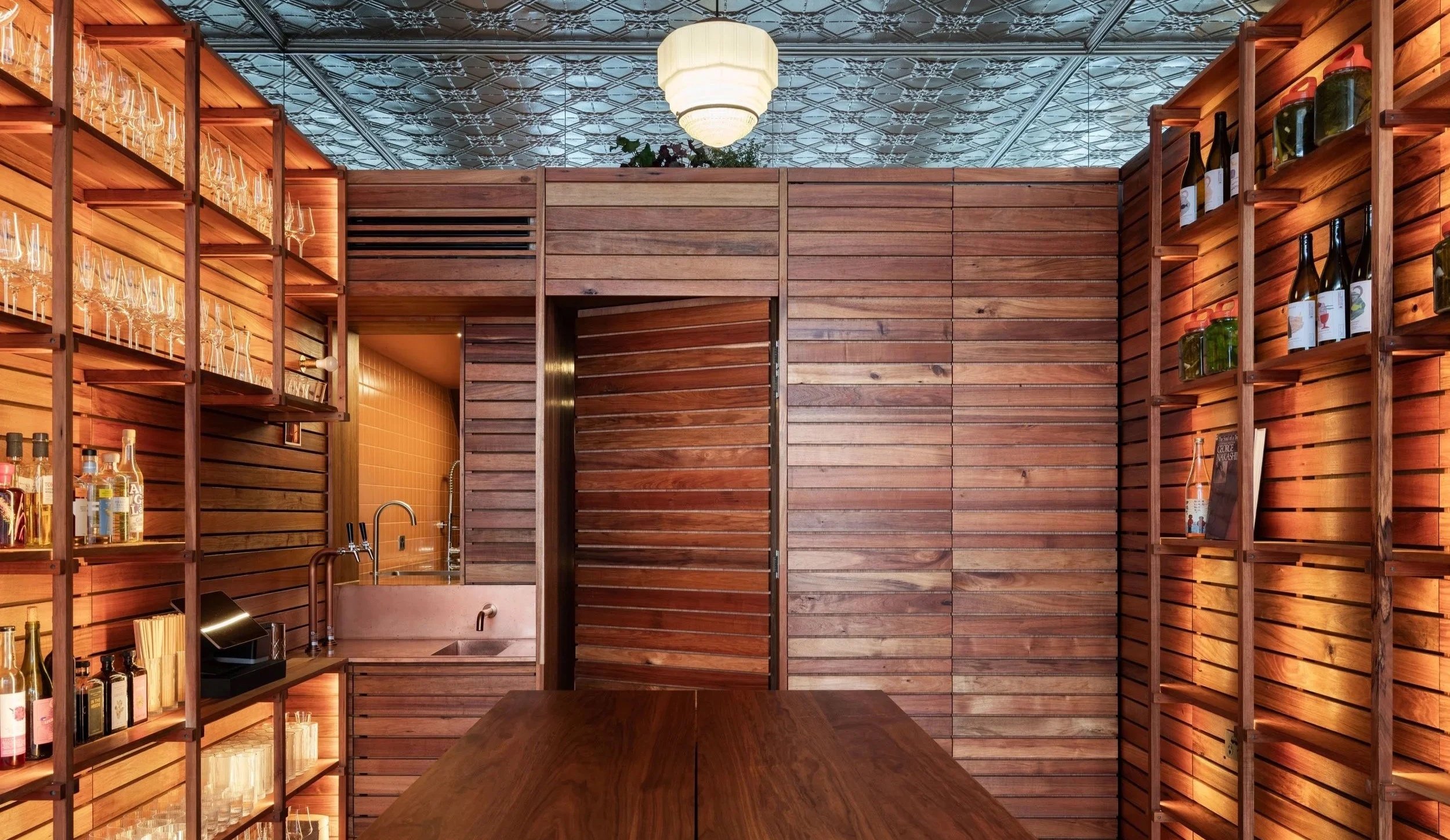
Inside a tiny heritage shopfront in Hobart, Scholé brings together Luke Burgess’s produce-driven menu, a wine list made for sharing and a considered Japanese influence.
Words HANDE RENSHAW Photos ADAM GIBSON
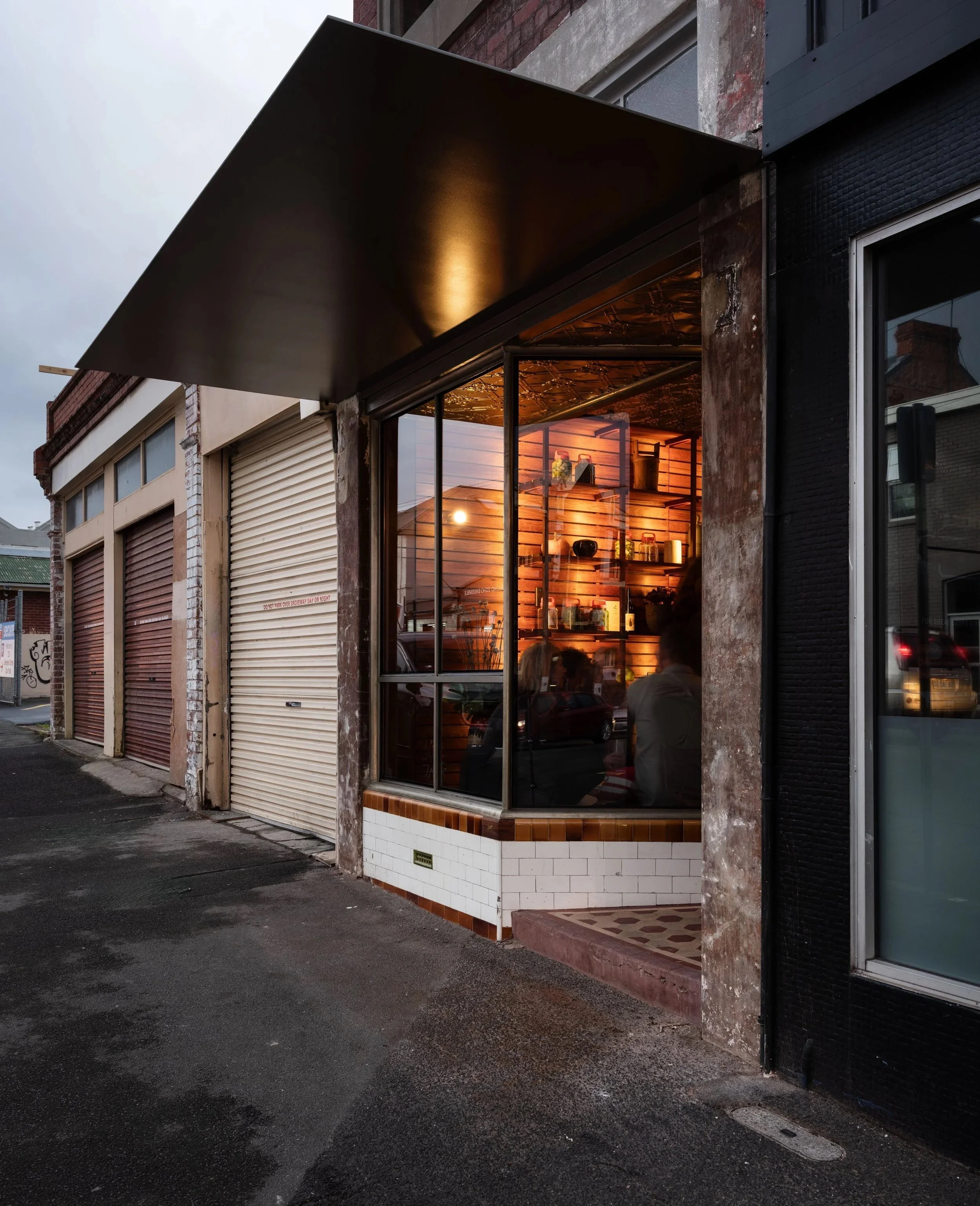
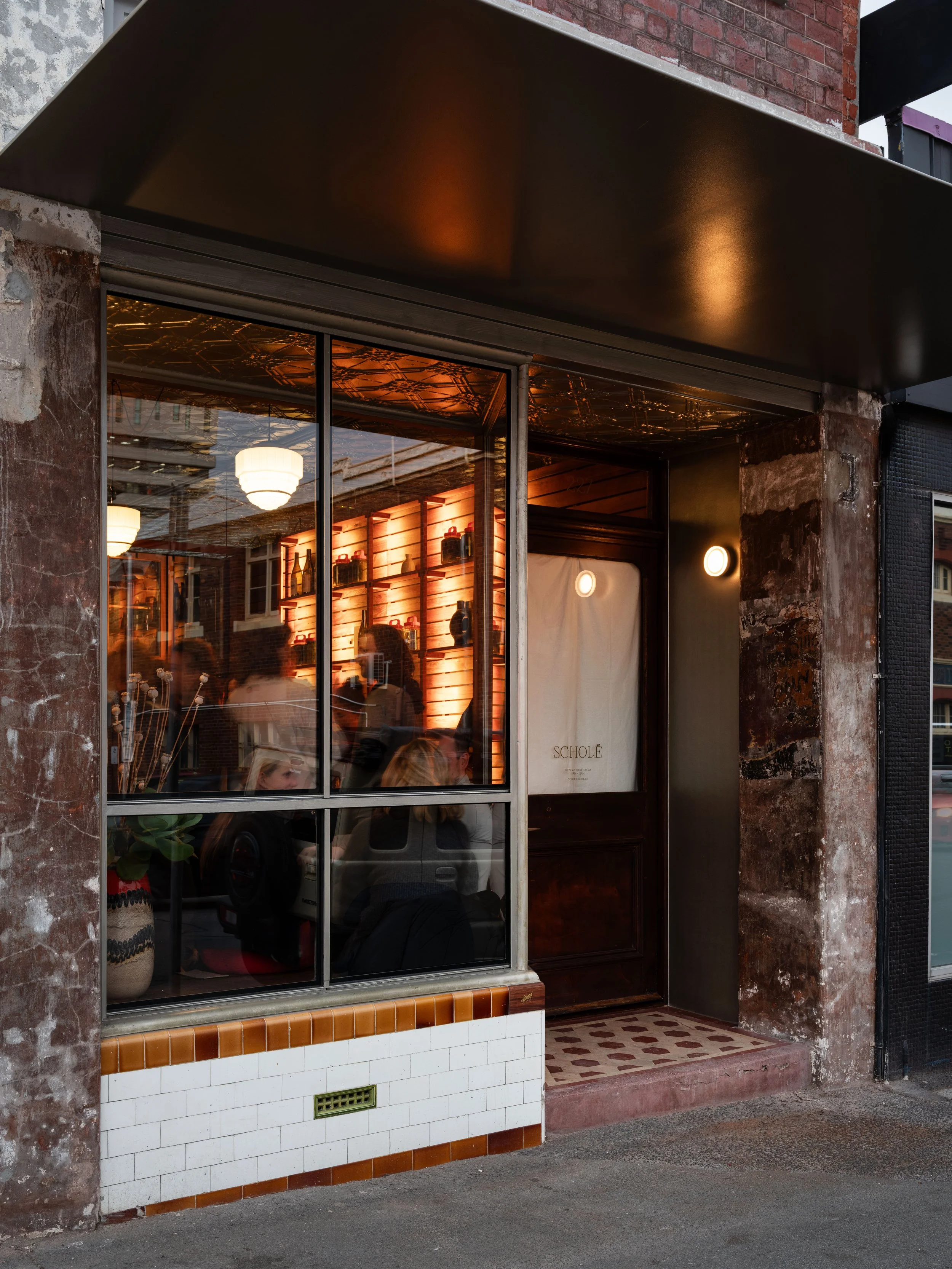
Schloé is set inside a heritage confectionery shop in Hobart.
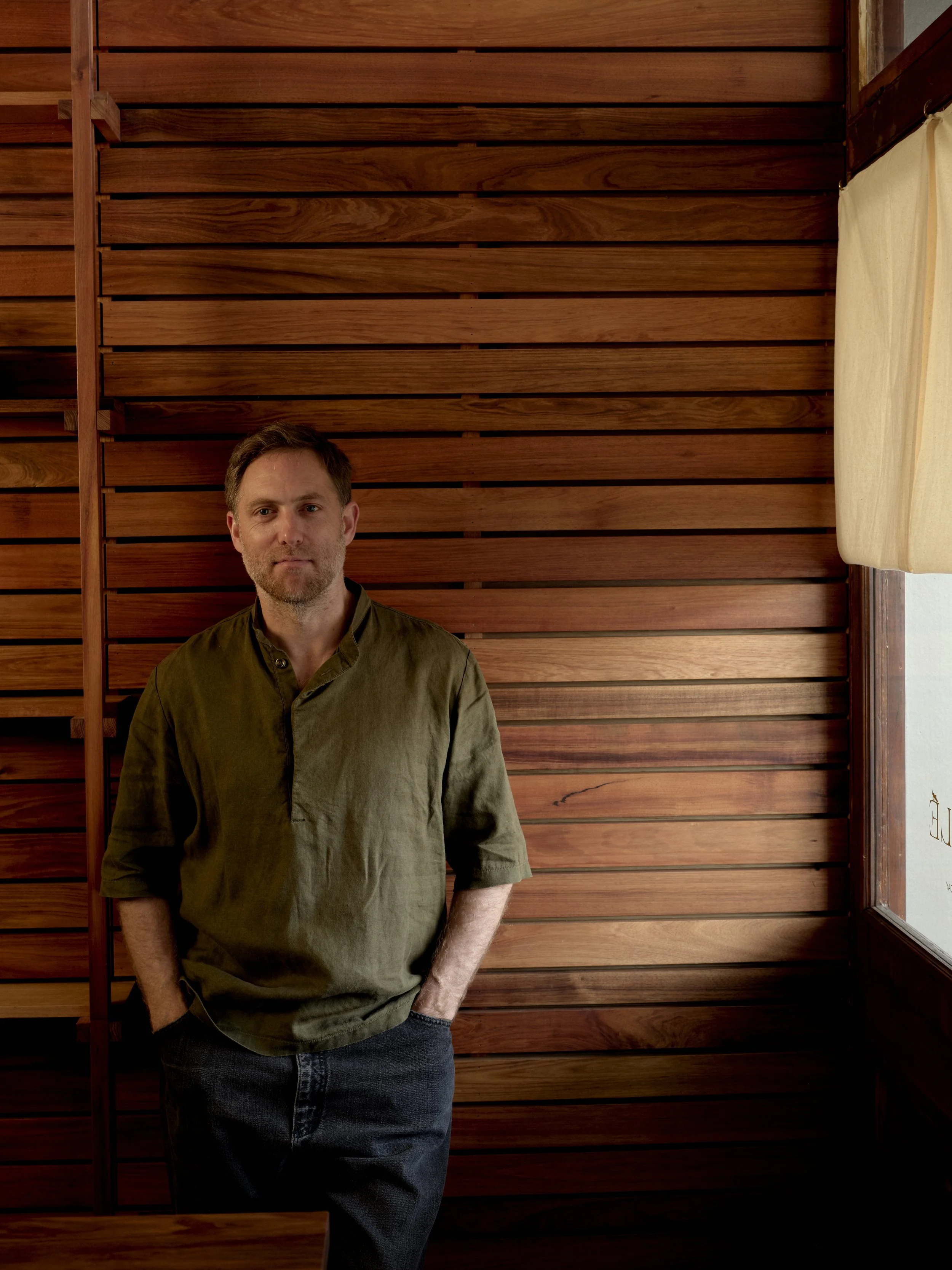
Luke Burgess is the owner and head chef at Schloé in Tasmania.
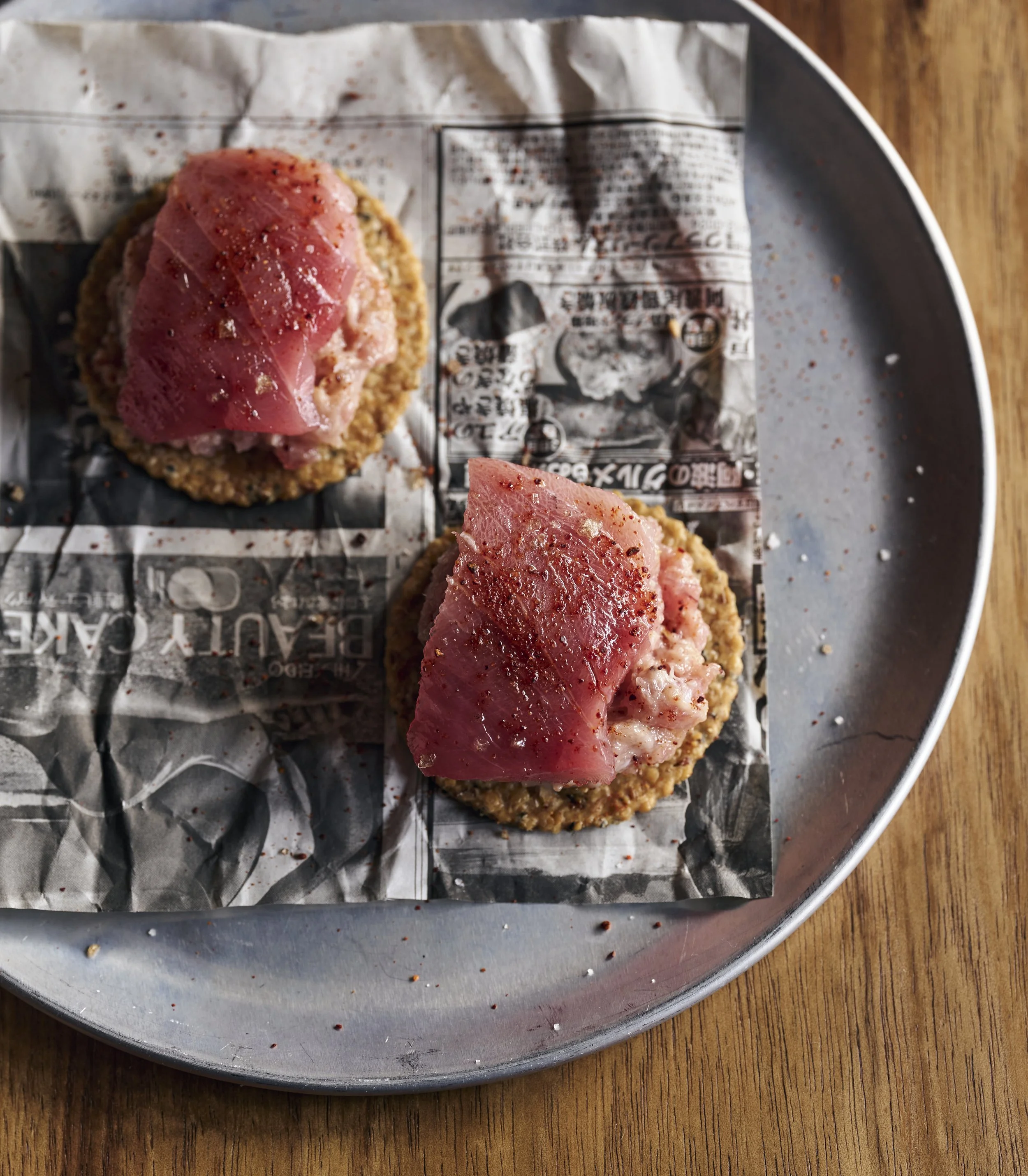
The Scholé menu is guided by the seasons, biodynamic process and local produce.
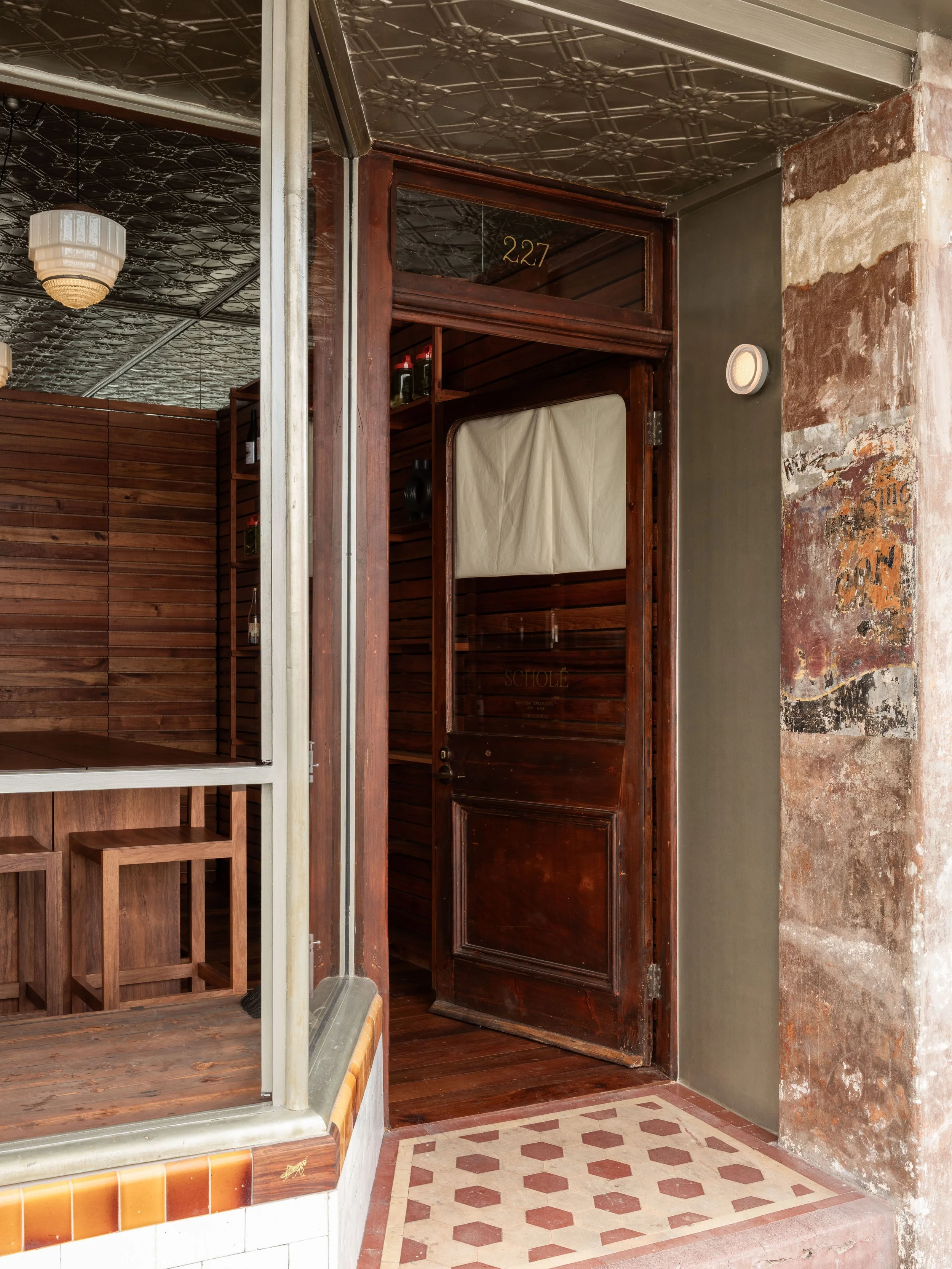
The entry to Scholé, with the character of its heritage shopfront carefully preserved.
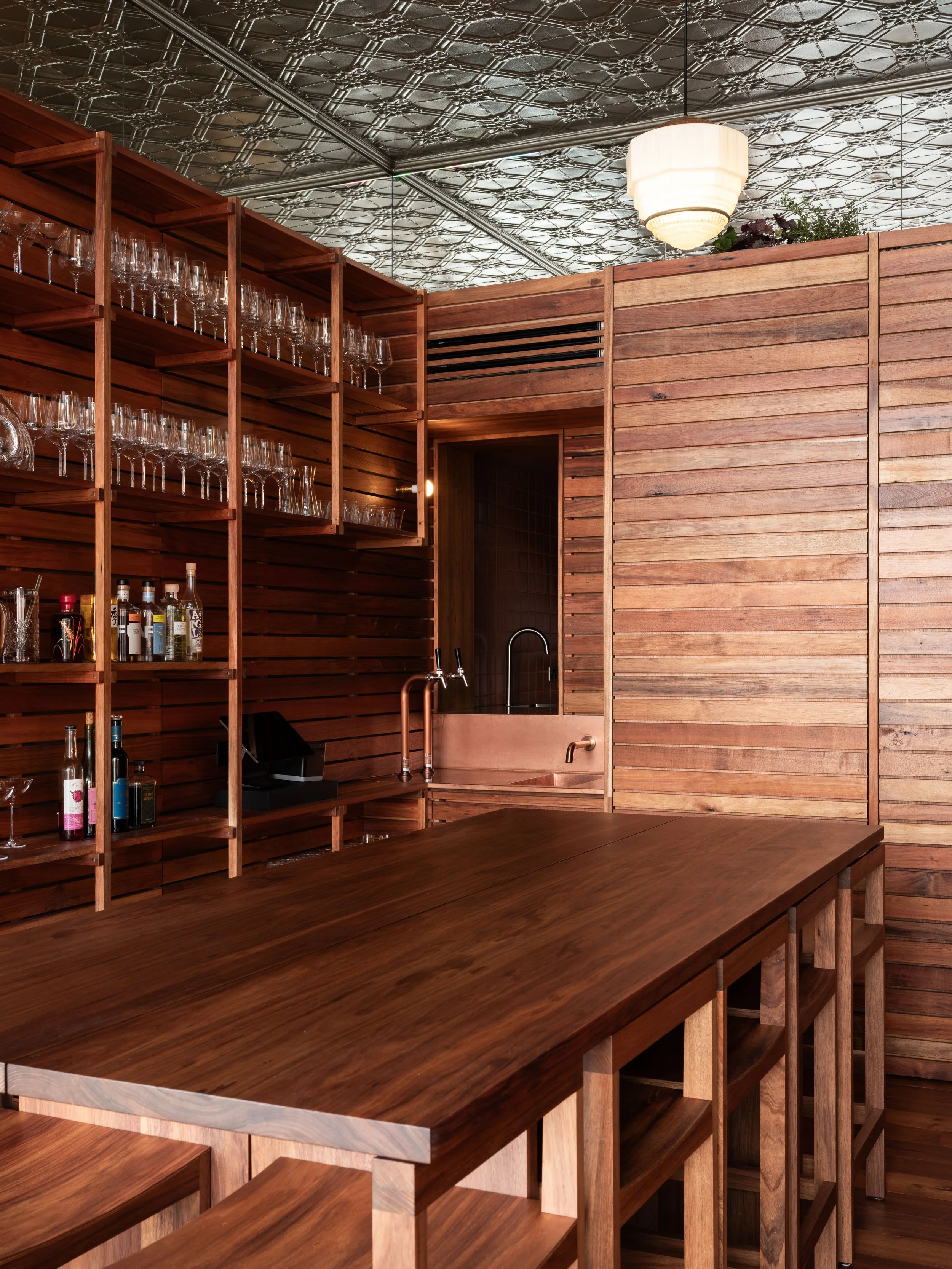
‘The scale of Scholé is linked to the scale of places you find in Japan. It is tactile and approachable in terms of its footprint,’
“Japanese culture and Japanese influence have definitely had a touch of inspiration on me. They’ve not been the defining principle of my whole cooking career, but they do feed into things that I’ve experienced along the way.”
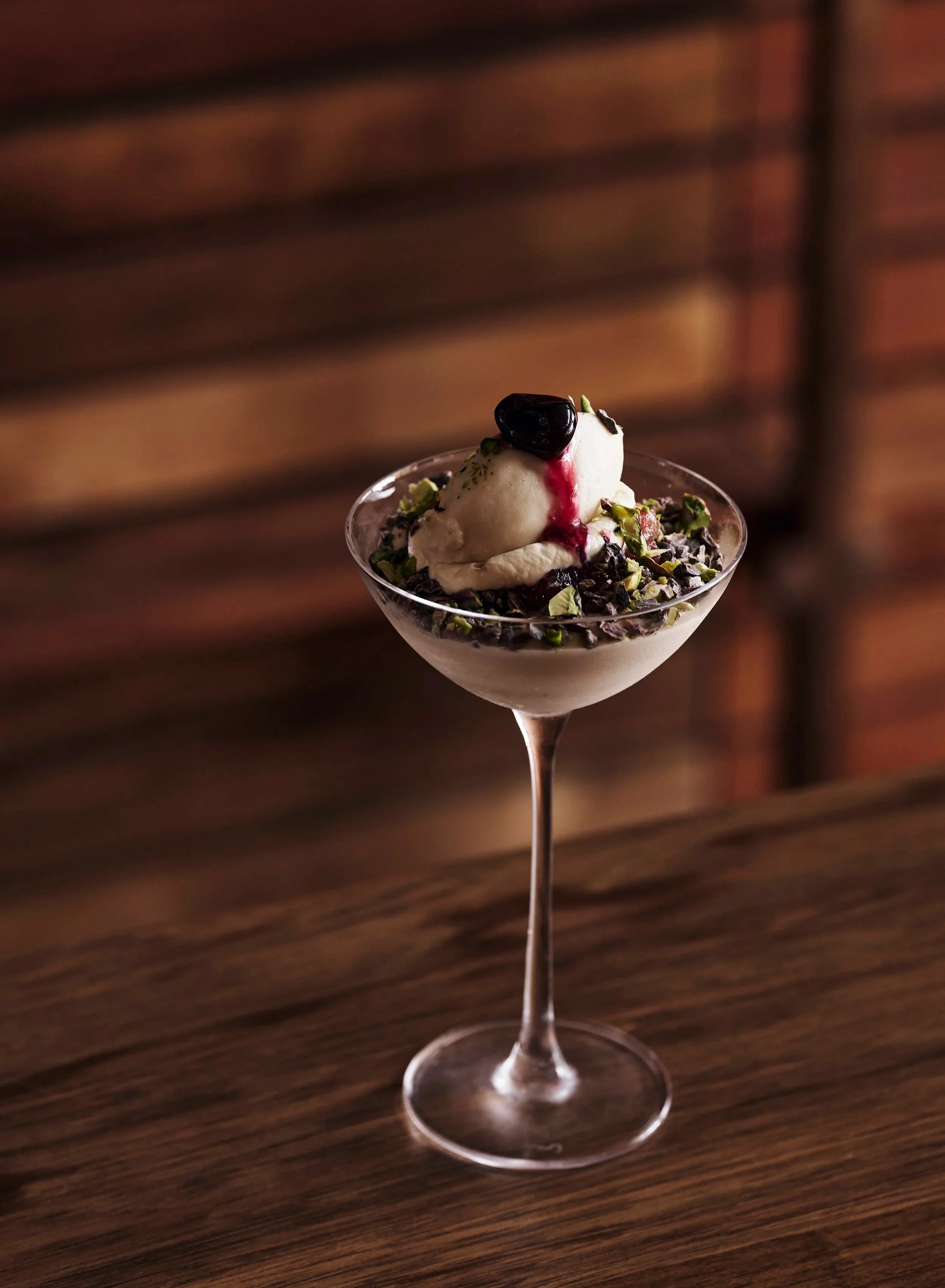
Scholé’s sour cherry pachiugo.
Scholé’s intimate setting makes it feel like you’re sitting at a table in someone’s home.
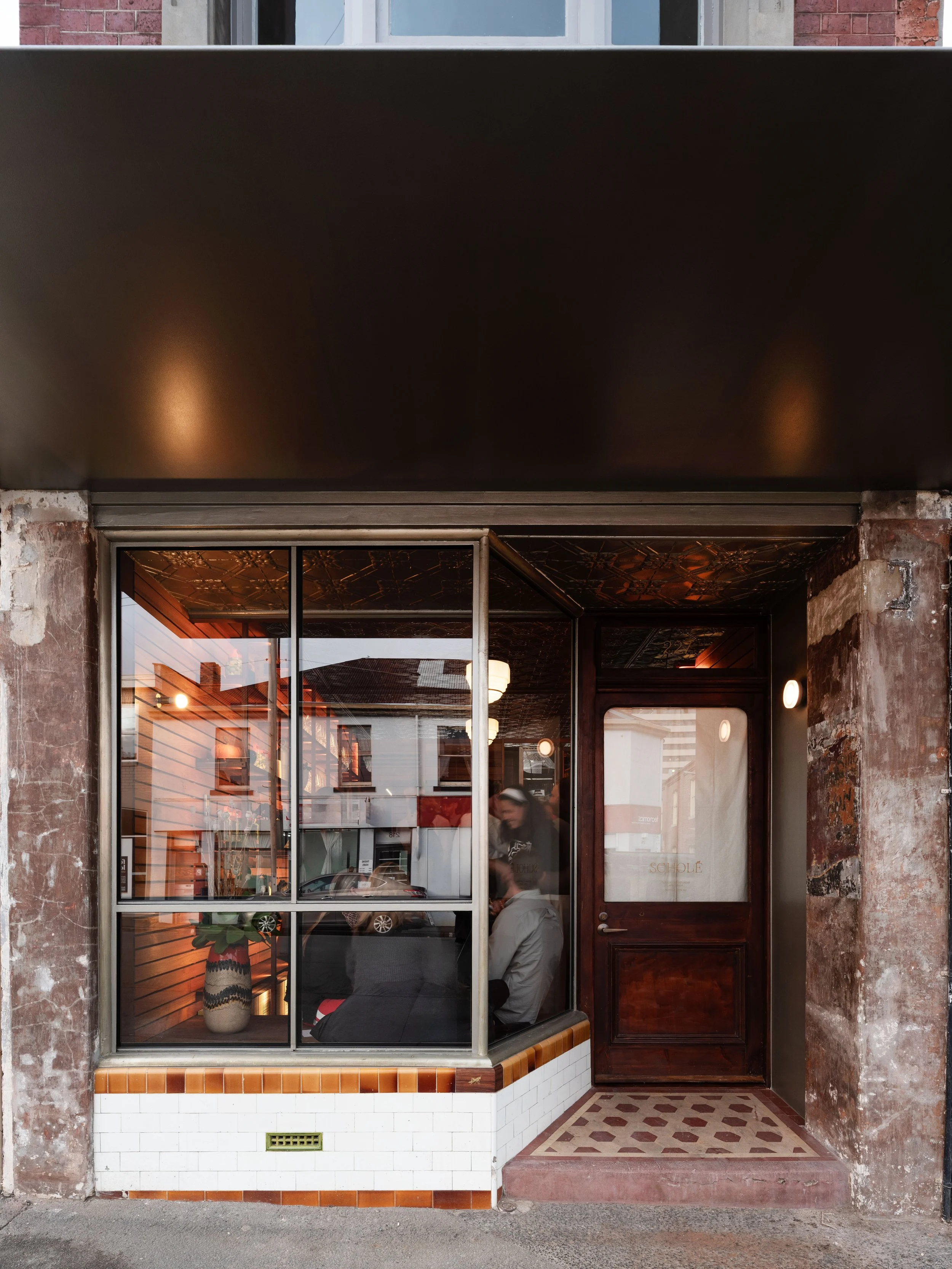
Scholé is a place for leisure, connection and community, centred on a seasonal, produce-driven à la carte menu and a convivial wine list.
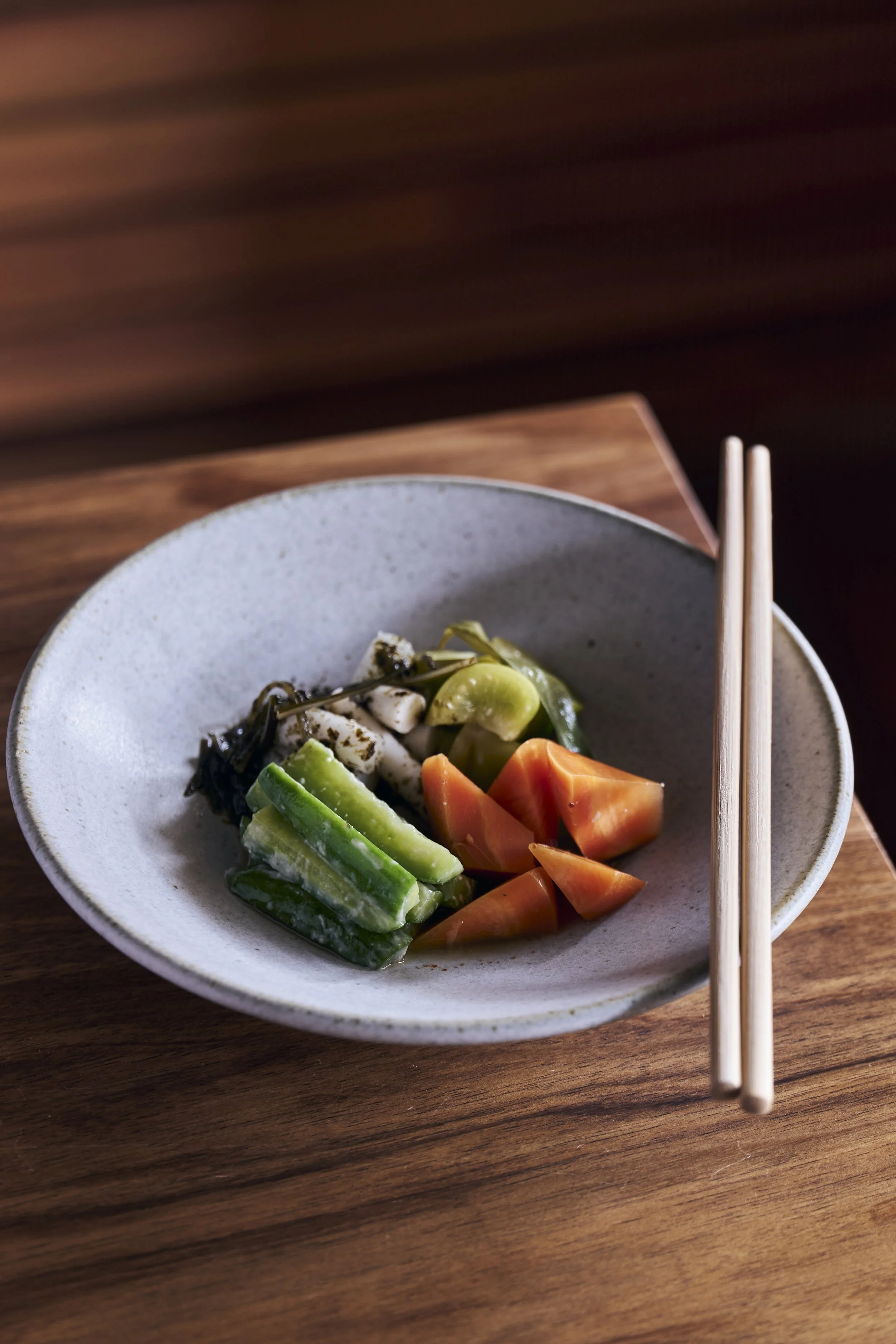
Seasonal pickles at Scholé.
Scholé sits inside a former confectionery shop in Hobart, now a ten-seat wine bar and restaurant shaped by Tasmanian produce, an à la carte menu, a convivial wine list and Japanese influence.
Owned and led by head chef Luke Burgess, Scholé is intimate by design. For Luke, the scale of the restaurant is central to its identity, connecting both to Tasmania and to the small, tactile restaurants he has experienced in Japan. ‘The scale of Scholé is linked to the scale of places you find in Japan,’ he says, describing it as ‘tactile and approachable’ in its footprint.
Luke first discovered Tasmania more than 20 years ago, and Scholé feels tied to that long connection. For him, the project reflects the landscape and produce, but also the kind of collaboration that can happen there.
Working with Taylor and Hinds on the restoration and design of the space became part of what made Scholé feel distinctly Tasmanian. ‘The teamwork involved in pulling that together feels very uniquely Tasmanian to me,’ Luke says. ‘It speaks to Tasmania in a nutshell – its scale, its sensibility, and its ability to combine the modern with the historical.’
When Luke first walked into the space, it was ramshackle and desperately needed some TLC. It had once been an old confectionary shop with a residence attached, but hadn’t been properly used for decades. The challenge was practical from the beginning: how to make a small footprint work as a restaurant without overcrowding it. There needed to be space to cook, serve, store and move, while still allowing the restaurant to feel open and resolved.
‘The most pressing concept I wanted to establish was how to effectively use the whole space,’ Luke says. ‘There wasn’t much to play with in terms of square metres, so the question became: how do you bring it all together?’ Every square inch had to earn its place. Mirrors set into the parapet of the room, inspired by Adolf Loos’ American Bar in Vienna, help create depth and reduce the sense of enclosure. For Luke, it was about making ‘the visuals, and the fantasy of it all, become a reality.’
The intimacy of Scholé also shapes the way guests experience the food. ‘Preparing food and serving people in that setting gives you a much greater capacity to connect with people in a very personal sense,’ Luke shares. ‘You don’t have hundreds of covers or dozens of tables.’ Instead, the restaurant allows for direct exchange, with guests brought into the thinking behind the menu.
That menu is produce driven and changes with the season. During the colder-months it includes dishes such as hemp seed fröknäcke with cured scallop and grapefruit; hakurei turnip cake with togarashi and sea urchin; bluefin tuna sashimi and tartare with grated daikon; periwinkles with white pepper, malt vinegar and soubise and for dessert, walnut pudding with coffee granita and sunchoke cream.
Scholé’s wine list is shaped by organic farming practices and spontaneous fermentation, with sake given a considered place. Depending on the day you visit, the dining style changes, offering a different way to experience the ten-seat restaurant. It’s firmly on our list for when we’re next in Hobart!
Scholé
227 Liverpool Street, Hobart, Tasmania
Follow @s.c.h.o.l.e
